
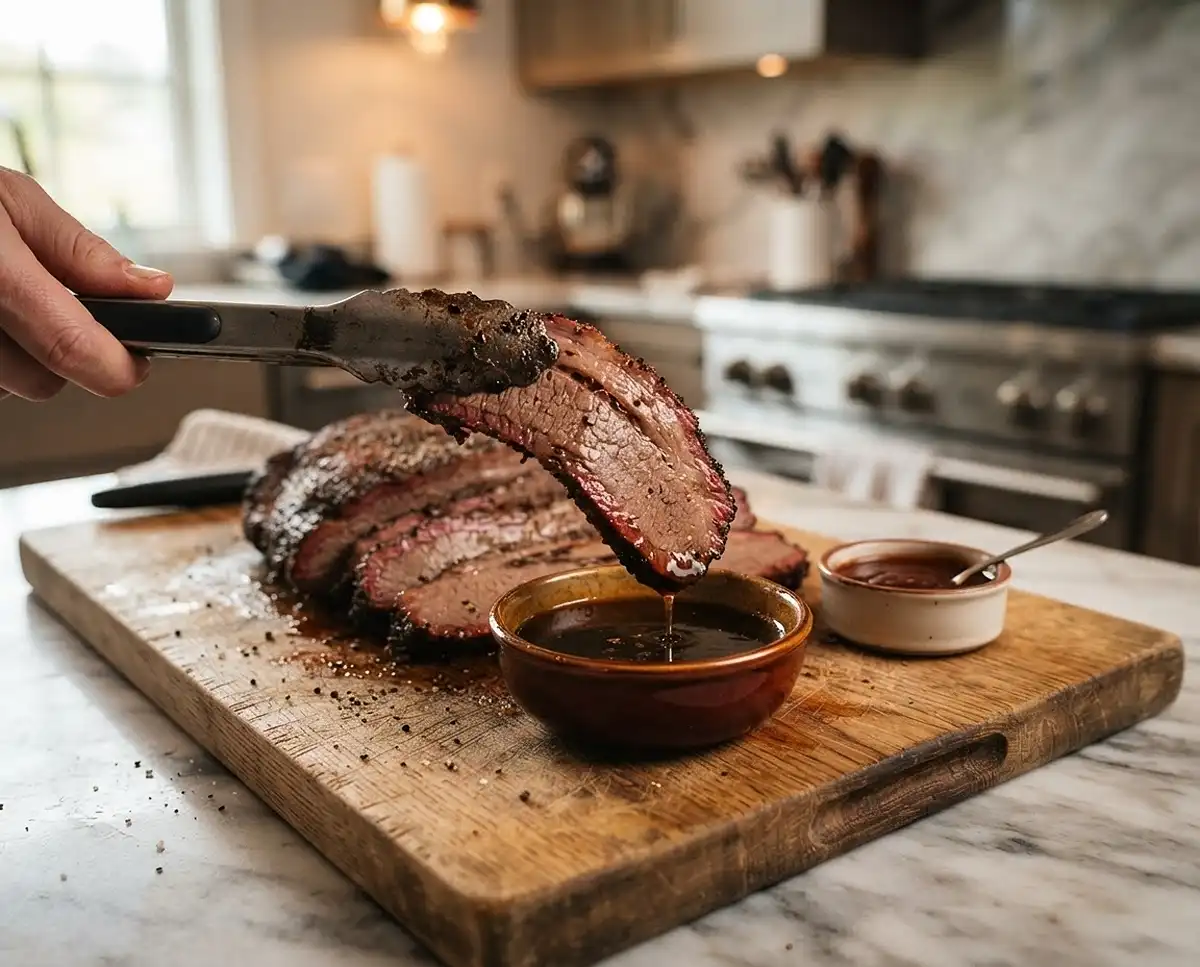
This Myron Mixon brisket recipe uses a simple broth marinade and slow smoking for a juicy, competition-style backyard brisket every time.
The first time I tried a Myron Mixon brisket recipe in my own backyard, my neighbor showed up at the fence just because of the smell. This guy has more barbecue trophies than most people have socks, and once you taste this brined, low-and-slow brisket, you’ll get why. Fair warning: it takes some patience, but the actual work is shockingly simple.
Table of Contents
What Makes This Myron Mixon Brisket Recipe So Good
Here’s the short version before we get into the nitty-gritty. Myron Mixon’s brisket leans on a salty broth marinade instead of a fussy injection, and a rub you can make with stuff already in your pantry. It’s the kind of recipe that looks intimidating on paper but is really just “season it, smoke it, wait.”
- A savory broth marinade that seasons the meat all the way through, not just the surface
- A sweet-and-smoky homemade rub with pantry staples like chili powder, cumin, and mustard powder
- A slow smoke at 325°F that still gets you that fall-apart texture without an all-night vigil
- A genuinely simple process, which is exactly why folks search for Myron Mixon’s simple brisket recipe in the first place
If you’ve ever made a classic beef brisket recipe and felt like the instructions needed a translator, this one’s a relief. It’s straightforward, and it’s the same basic approach that’s helped Myron Mixon’s brisket win actual barbecue championships.
Myron Mixon Brisket
Equipment
- Smoker
- Mixing bowl
- Large bowl
- Whisk
- Aluminum pan
- aluminum foil
- Old blanket
- Digital meat thermometer
- Grease separator
- Carving knife
Ingredients
- 1 (12-15 pounds) Beef brisket
- 1 (64-ounce) can Beef broth, store-bought
- 1 cup Kosher salt or hickory salt
- 1 cup Sugar
- 2 tablespoons Chili powder
- 2 tablespoons Mustard powder
- 2 tablespoons Onion powder
- 2 tablespoons Garlic powder
- 2 tablespoons Ground cumin
- ½ teaspoon Cayenne pepper
- 2 tablespoons Kosher salt
- 2 tablespoons Coarsely ground black pepper
Instructions
- In a mixing bowl, combine the beef broth and salt. Whisk until the salt fully dissolves, about a minute or two.
- In a large bowl, combine the sugar, chili powder, mustard powder, onion powder, garlic powder, cumin, cayenne, salt, and pepper. Stir until evenly combined. Store any extra in an airtight container, though it starts losing its punch after about three months.
- Trim the excess fat and silver skin off the top of the brisket, cleaning it up enough that the marinade and rub can reach the meat. Place the trimmed brisket in a pan, pour the marinade over the top, cover, and refrigerate overnight, at least 12 hours.
- The next day, preheat your smoker to 325 degrees F. Pull the brisket out of the marinade and pat on the rub generously, covering every visible surface.
- Smoke the brisket uncovered for the first two hours so the bark can start forming. Then transfer it to an aluminum pan, cover tightly with foil, and return it to the smoker. Cook until the internal temperature at the point reaches 205 degrees F.
- Pull the brisket off the smoker, leaving it in the pan still wrapped in foil. Wrap the whole pan in an old blanket and let it rest for a full two hours.
- Move the brisket to a cutting board. Pour the pan juice into a grease separator, letting the fat rise off the au jus underneath. Slice the brisket against the grain into pencil-thick slices, then dip each slice in the au jus and your barbecue sauce before serving.
Notes
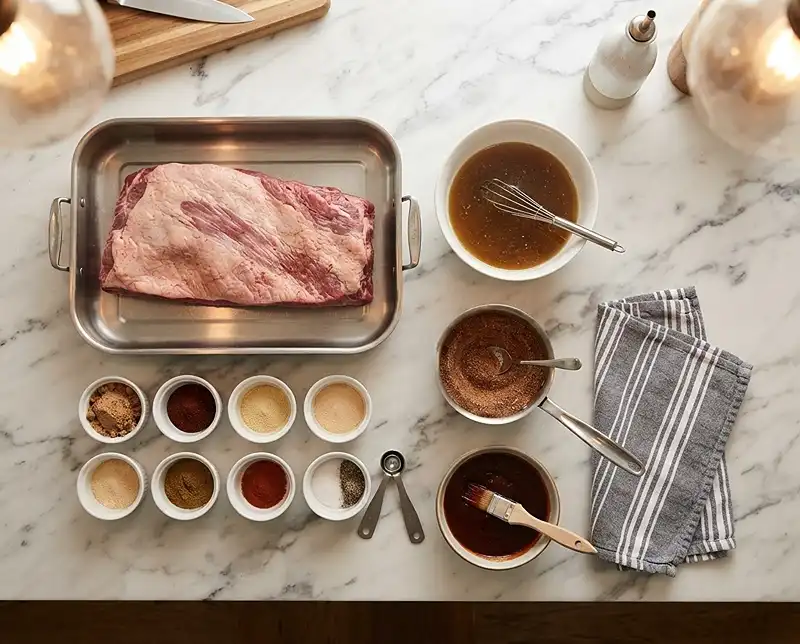
Ingredients for Myron Mixon’s Simple Brisket Recipe
You’ll notice this ingredient list is short. That’s on purpose. Grab a big brisket, and these three groups of ingredients, and you’re basically set.
| Group | Ingredient | Amount |
|---|---|---|
| Brisket | Beef brisket | 1, 12–15 pounds |
| Marinade | Beef broth, store-bought | 1 (64-ounce) can |
| Marinade | Kosher salt or hickory salt | 1 cup |
| Barbecue Rub | Sugar | 1 cup |
| Barbecue Rub | Chili powder | 2 tablespoons |
| Barbecue Rub | Mustard powder | 2 tablespoons |
| Barbecue Rub | Onion powder | 2 tablespoons |
| Barbecue Rub | Garlic powder | 2 tablespoons |
| Barbecue Rub | Ground cumin | 2 tablespoons |
| Barbecue Rub | Cayenne pepper | 1/2 teaspoon |
| Barbecue Rub | Kosher salt | 2 tablespoons |
| Barbecue Rub | Coarsely ground black pepper | 2 tablespoons |
For the sauce, Myron Mixon’s brisket is traditionally dipped in a Hickory-style barbecue sauce, but honestly, your favorite bottled sauce works fine too. This isn’t a recipe that judges you for taking shortcuts on the sauce.
How to Make Myron Mixon’s Brisket, Step by Step
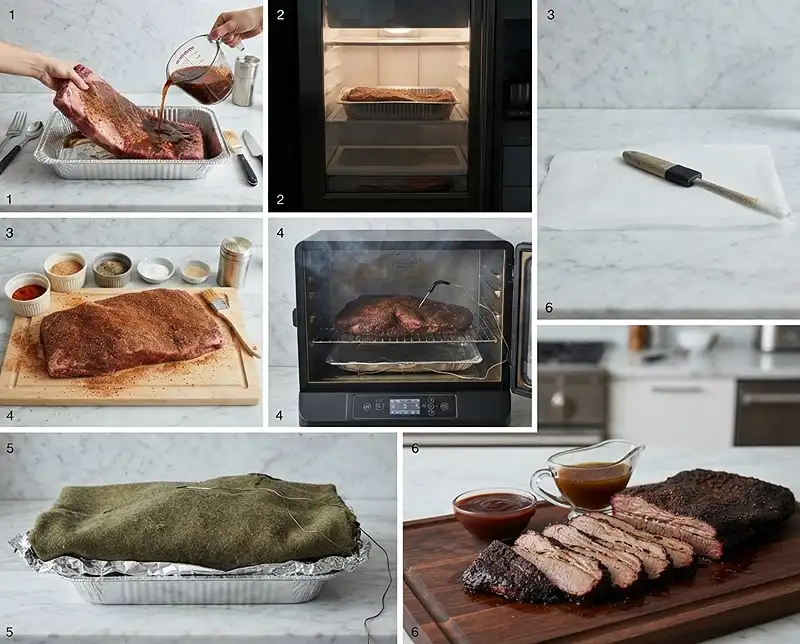
Ready? Here’s exactly how this Myron Mixon brisket recipe comes together, from marinade to sliced, glossy perfection.
Whisk Up the Marinade
In a mixing bowl, combine the beef broth and salt. Whisk it until the salt fully dissolves, which only takes a minute or two. That’s it. This simple, savory bath is doing more work than you’d think, seasoning the brisket clear through instead of just on the surface.
Mix the Barbecue Rub
In a large bowl, dump in the sugar, chili powder, mustard powder, onion powder, garlic powder, cumin, cayenne, salt, and pepper. Stir until it’s evenly combined. Myron himself notes you can store this in an airtight container more or less forever, though it starts losing its punch after about three months.
“If I had any left after six months, I’d just make a new batch,” is basically the rule of thumb here. Cheap insurance for better flavor.
Trim and Marinate the Brisket
Trim the excess fat and silver skin off the top of the brisket. You don’t need to go overboard, just clean it up enough that the marinade and rub can actually reach the meat.
Place the trimmed brisket in a pan and pour the marinade over the top. Cover and let it sit in the fridge overnight, at least 12 hours. This is the step that makes Myron Mixon’s brisket taste seasoned all the way through instead of just around the edges.
Rub It Down and Get Smoking
The next day, preheat your smoker to 325°F. Pull the brisket out of the marinade and pat on the rub generously, covering every visible surface. Don’t be shy with it.
Let it smoke uncovered for the first two hours so the bark can start forming. After that, transfer the brisket to an aluminum pan, cover tightly with foil, and put it back on the smoker or grill. Cook until the internal temperature at the point reaches 205°F.
A good digital thermometer earns its keep here, since eyeballing brisket doneness is basically guesswork. For general food safety guidance on cooking beef, the USDA’s safe minimum internal temperature chart is worth a bookmark, even though barbecue brisket is cooked well past that minimum for texture, not just safety.
Rest It Like You Mean It
Pull the brisket off the smoker, but leave it in the pan, still wrapped in foil. Wrap the whole pan in an old blanket (yes, really) and let it rest for a full two hours.
This long rest is where a lot of home cooks get impatient and skip ahead. Don’t. It’s what turns “cooked meat” into that melt-in-your-mouth texture Myron Mixon’s brisket is famous for. If you want the science behind why resting matters so much, ThermoWorks’ brisket thermal guide breaks it down nicely.
Slice and Serve
After the rest, move the brisket to a cutting board. Pour the juice left in the pan into a grease separator, letting the fat rise off the good au jus underneath.
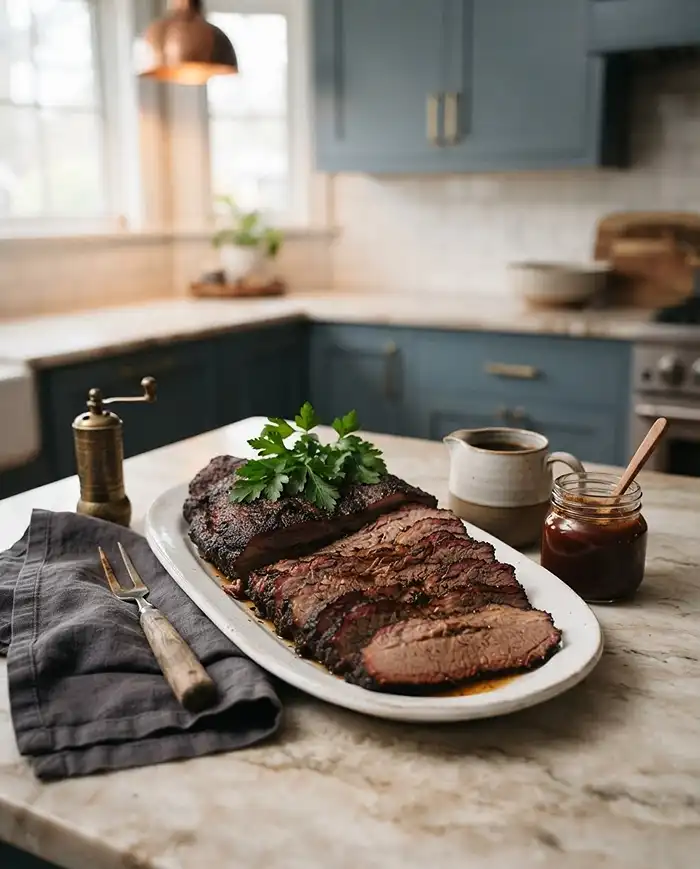
Slice the brisket against the grain into slices about as thick as a pencil. Dip each slice in the au jus, then in your barbecue sauce, and you’re eating some genuinely great barbecue.
Expert Tips, Variations, and Troubleshooting
Tips from the Winningest Man in Barbecue
Myron Mixon has racked up over 200 grand championships, so it’s worth paying attention to his small habits. He doesn’t chase a strict clock, he chases the point temperature. Every smoker runs a little differently, so let 205°F at the point be your real finish line, not the time on your phone.
Also, don’t skip trimming the silver skin. It won’t render no matter how long you cook it, and it blocks the rub from doing its job.
Variations Worth Trying
If you’re working a pellet smoker instead of a stick burner, this marinade and rub combo transfers over beautifully. Check out a Traeger brisket flat recipe for pellet-specific temperature notes if that’s your setup.
Want something with a totally different flavor profile? A Lipton onion soup brisket recipe is a great oven-braised alternative for cooler months when firing up the smoker isn’t in the cards.
If you’re curious how a Southern competition brisket compares to a more traditional Jewish-style oven brisket, the Joan Nathan brisket recipe is a fascinating side-by-side. Same cut of meat, wildly different results.
Troubleshooting Common Brisket Problems
Brisket stalling around 155-170°F? That’s totally normal, it’s called the stall, and it’s just moisture evaporating off the surface. Patience (and the foil wrap) gets you through it.
Brisket came out dry? It probably needed more time in that marinade, or it got sliced with the grain instead of against it. Slicing direction matters more than people expect.
Rub not sticking? Make sure the brisket surface is slightly tacky, not dripping wet, before you apply it. Pat it dry with a paper towel first if needed.
Storing, Reheating, and Using Up Leftover Brisket
Assuming you don’t finish the whole thing in one sitting (no judgment either way), here’s how to keep it tasting great.
| Storage Method | How Long It Lasts | Notes |
|---|---|---|
| Refrigerator, airtight container | 3-4 days | Store slices in some of the leftover au jus to keep them moist |
| Freezer, wrapped tightly | 2-3 months | Vacuum sealing prevents freezer burn best |
| Room temperature | Up to 2 hours | Refrigerate promptly after serving |
How to Reheat Brisket Without Drying It Out
Low and slow wins again here. Add a splash of the reserved au jus, cover tightly with foil, and warm it in a 250°F oven until just heated through. Blasting it in the microwave will only make it tough and sad.
No-Waste Ideas for Leftover Brisket
Chopped leftover brisket makes fantastic tacos, loaded nachos, or a smoky addition to baked beans. If you want something a little more unexpected, try wrapping shredded brisket into an enoki beef rolls recipe for a fun, low-waste appetizer that stretches your leftovers further.
Frequently Asked Questions
What makes this different from a classic brisket recipe?
Myron Mixon’s brisket relies on a simple broth-and-salt marinade instead of an injection, plus a smoker temperature of 325°F rather than the more common 225-250°F, which shortens the total cook time while still delivering tender results.
Can I make Myron Mixon’s brisket in the oven instead of a smoker?
Yes, though you’ll lose the smoky bark. Follow the same marinade and rub steps, then cook covered in a low oven around 300-325°F until the internal temperature reaches 205°F at the point.
Why does the recipe use 325°F instead of the usual low-and-slow range?
Myron Mixon cooks his competition brisket hotter and faster than many backyard recipes, which still renders the fat and breaks down the collagen while trimming a few hours off the total cook time.
How do I know when the brisket is actually done?
Use a meat thermometer and check the point for an internal temperature of 205°F. The probe should slide in with almost no resistance, similar to softened butter.
Can I freeze the barbecue rub or marinade ahead of time?
The dry rub stores well in an airtight container for a few months at room temperature. The broth marinade is best made fresh right before you use it, since it’s just broth and salt.
Give This Myron Mixon Brisket Recipe a Try
Myron Mixon has built his entire reputation on brisket like this, and once you’ve made it yourself, you’ll understand exactly why. It’s simple, it’s forgiving, and it turns a huge intimidating cut of meat into something genuinely worth bragging about.
If you give this Myron Mixon brisket recipe a shot, I’d love to hear how it turned out. Snap a photo, pin it to your favorite barbecue board on Pinterest, and drop a comment below with your results or any tweaks you made along the way.