
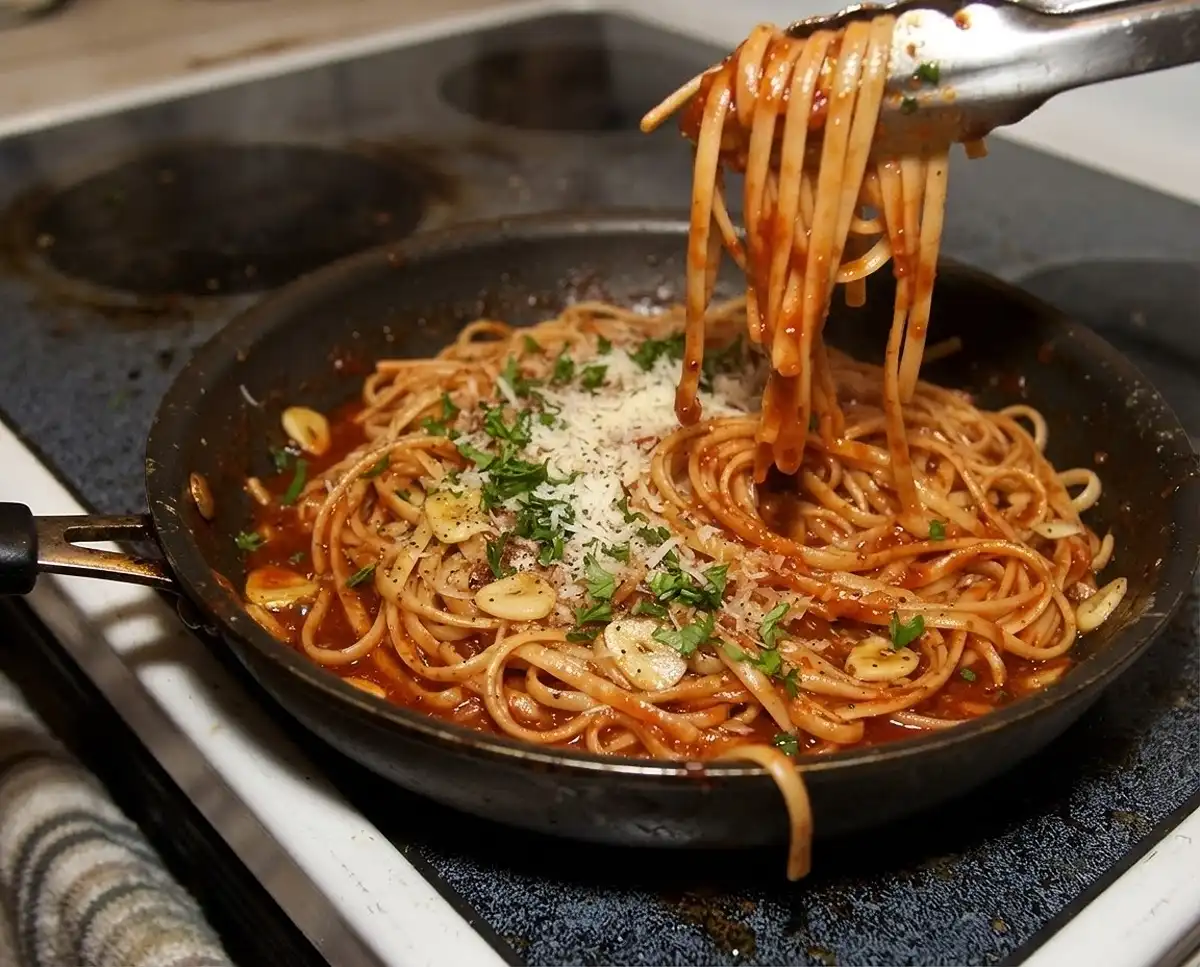
Gochujang butter noodles are spicy, sweet, and unbelievably easy. Learn how to make this creamy, garlicky pasta with pantry staples for dinner tonight.
I first made these gochujang butter noodles on a tired Tuesday, when my fridge was nearly empty and my patience was even emptier. Ten minutes later I was twirling glossy, spicy-sweet strands and wondering why I ever bothered with takeout. It’s a noodles recipe that feels like a warm hug with a tiny kick.
Table of Contents
Why You’ll Love These Gochujang Butter Noodles
Think of this as the cozier, spicier cousin of plain buttered noodles. Gochujang paste melts into butter and garlic to make a creamy gochujang sauce that clings to every single strand.
The sweet-and-heat balance is what gets me every time. Honey softens the chili, rice wine vinegar brightens everything up, and parmesan adds a salty, nutty finish. Honestly, it tastes like you worked way harder than you did.
This pasta recipe takes its inspiration from the famous version by Eric Kim and his Korean American cookbook. He’s the New York Times food writer who helped make Korean gochujang a weeknight hero. I’ve tweaked the balance a bit to suit my own kitchen.
Here’s why it earns a permanent spot in my dinner rotation:
- Big, bold flavor from a handful of pantry staples
- The whole sauce comes together in one skillet
- It works with whatever noodles you have on hand
- You can dial the heat up or down to suit your crowd
- It’s rich and comforting without being heavy
What Is Gochujang Paste?
If you’re new to it, gochujang is a fermented Korean chili paste that tastes savory, sweet, and spicy all at once. It’s made from chili powder, glutinous rice, fermented soybeans, and salt.
Think of it as the Korean answer to miso, but with a little fire. If you want to go deeper, this guide to gochujang origins and ingredients is a fun read.

Gochujang Butter Noodles
Equipment
- Large pot
- Colander
- Measuring cup (for reserved pasta water)
- Large skillet
- Tongs or wooden spoon
- Knife and cutting board
- Cheese grater
- Measuring cups and spoons
Ingredients
For the Pasta
- 12 oz pasta spaghetti, linguine, or fettuccine preferred
- 1 tablespoon salt for the pasta water
- 1 cup reserved pasta water set aside before draining
For the Sauce
- ⅓ cup butter unsalted preferred
- 10 cloves garlic sliced
- ¼ cup gochujang paste
- 2 tablespoons honey
- 2 tablespoons rice wine vinegar or rice vinegar or apple cider vinegar
To Finish
- ¼ cup Parmesan freshly grated
- fresh parsley finely chopped, to taste
Instructions
Cook the Pasta
- Bring a large pot of water to a boil. Add the salt and the pasta, and cook for 1 minute less than the packet says. Reserve 1 cup of the cooking water, then drain.
Make the Sauce
- While the pasta cooks, melt the butter in a large skillet over medium-low heat. Add the garlic and cook gently for 2 minutes, until soft but not browned.
- Add the gochujang, honey, and rice wine vinegar. Bring to a simmer and cook for 2 to 3 minutes, stirring now and then, until the sauce is smooth and deep red.
Toss and Serve
- Add the drained pasta and ¼ cup of the reserved cooking water to the skillet. Stir to coat, and keep cooking until the noodles are done the way you like them. If the sauce gets tight, add more cooking water a splash at a time.
- Serve right away, topped with grated Parmesan and chopped parsley.
Notes
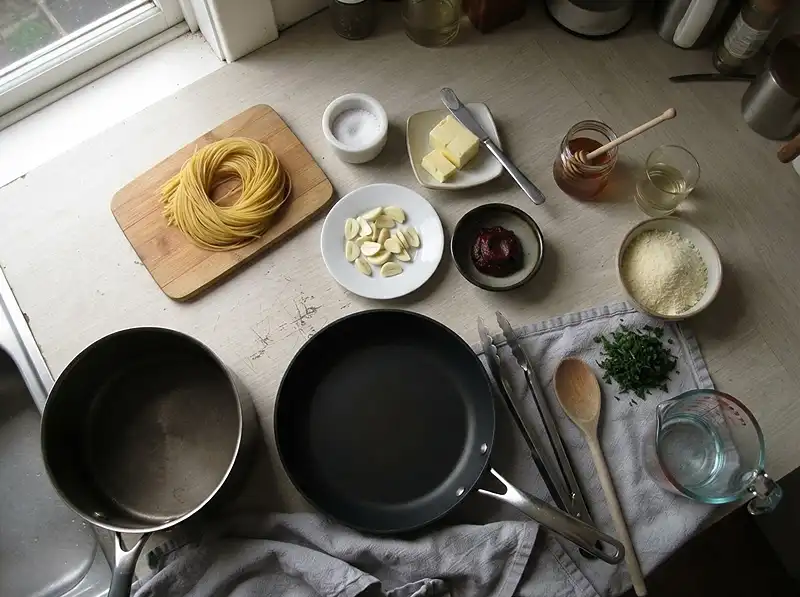
Ingredients for Gochujang Butter Noodles
You only need a short list for this one. Most of it is probably hiding in your kitchen already, and the garlic does a lot of the heavy lifting.
| Ingredient | Amount | Notes |
|---|---|---|
| For the Pasta | ||
| Pasta | 12 oz | See note 1 |
| Salt | 1 tablespoon | For the pasta water |
| Reserved pasta water | 1 cup | Set aside before draining |
| For the Sauce | ||
| Butter | ⅓ cup | See note 2 |
| Garlic cloves | 10, sliced | See note 3 |
| Gochujang paste | ¼ cup | See note 4 |
| Honey | 2 tablespoons | Balances the heat |
| Rice wine vinegar | 2 tablespoons | See note 5 |
| To Finish | ||
| Parmesan, grated | ¼ cup | Freshly grated melts best |
| Fresh parsley, finely chopped | To taste | Adds a fresh, green pop |
Ingredient Notes
- Note 1 (pasta): Spaghetti, linguine, and fettuccine are my favorites because the sauce coats them beautifully. Short shapes like rigatoni work too if that’s what you have.
- Note 2 (butter): Unsalted gives you more control, since gochujang already brings plenty of salt. If you only have salted butter, simply go easy on the salt in your pasta water.
- Note 3 (garlic): Yes, ten cloves is correct. Slow cooking mellows the garlic into something sweet and almost buttery, so don’t be shy.
- Note 4 (gochujang): Brands vary in heat and sweetness. A good Korean gochujang paste from an Asian grocery store or the international aisle gives the most authentic flavor.
- Note 5 (rice wine vinegar): It adds a gentle tang that cuts through the butter. Plain rice vinegar or apple cider vinegar will work in a pinch.
How to Make Gochujang Butter Noodles
This is a quick, forgiving noodles recipe, so there’s no need to stress. Read through the steps once, then let the kitchen smell do the guiding.
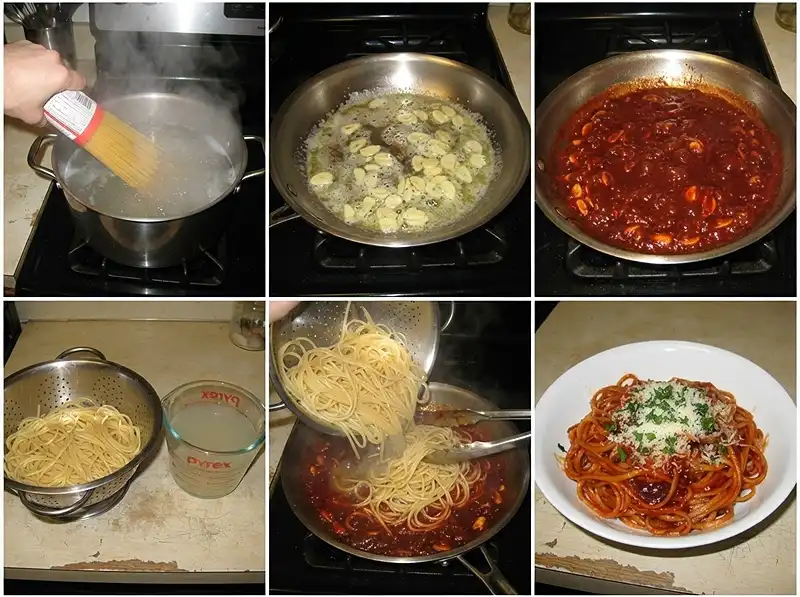
Step 1: Cook the Pasta
Bring a large pan of water to a boil. Add the salt and the pasta, then cook for one minute less than the packet instructions say.
Before you drain, scoop out and reserve 1 cup of the cooking water. That cloudy, starchy liquid is liquid gold, and it’s what turns this sauce silky.
Pro Tip: Pull that cup of pasta water before you reach for the colander. I’ve forgotten it more times than I’d like to admit.
Step 2: Soften the Garlic in Butter
While the pasta bubbles away, melt the butter in a large skillet over medium-low heat. Add the sliced garlic and cook gently for 2 minutes, until softened but not colored.
You want a sweet, mellow garlic smell, not a toasty one. If the edges start to brown, lower the heat right away. Burnt garlic turns bitter and can’t be fixed.
Step 3: Stir in the Gochujang Sauce
Add the gochujang, honey, and rice wine vinegar to the skillet. Bring everything to a simmer and cook for 2 to 3 minutes.
The sauce will darken to a deep, rusty red and smell wonderfully savory and sweet. Give it a stir now and then so the paste blends smoothly into the melted butter.
Step 4: Toss and Finish the Noodles
Add the drained pasta to the skillet along with ¼ cup of the reserved cooking water. Stir the pasta around to coat it thoroughly with the sauce.
Keep cooking until the noodles are done just the way you like them. If the sauce starts to look dry or tight, splash in a little more cooking water until it turns glossy again.
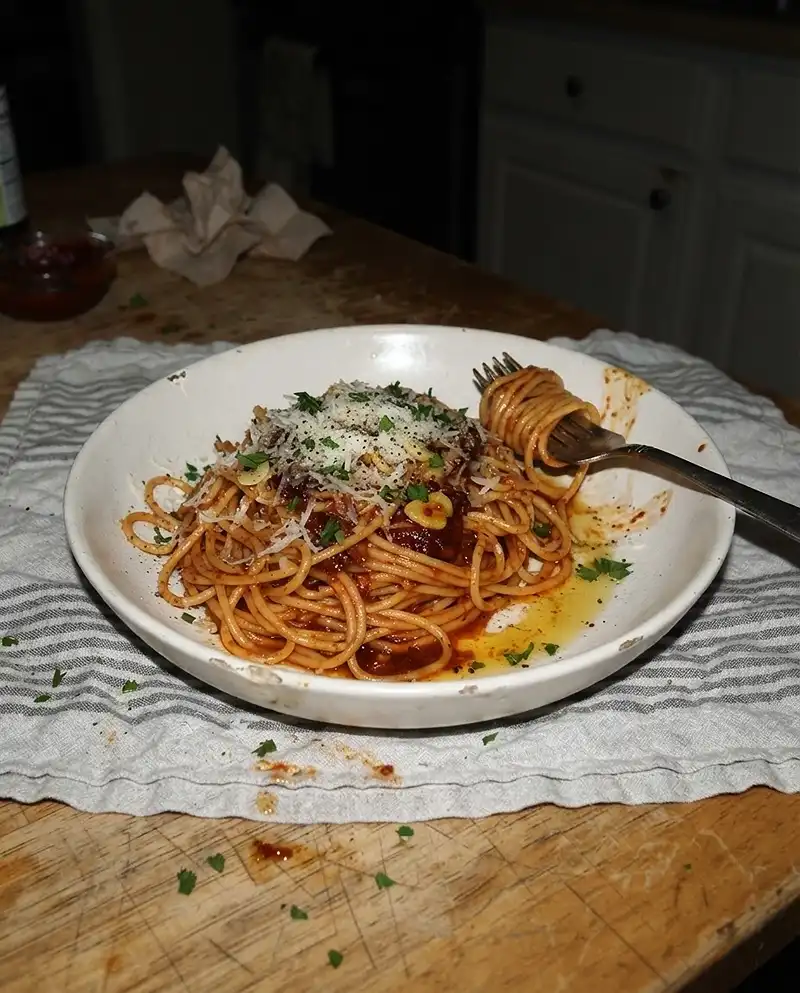
Serve right away with grated parmesan and chopped parsley on top. Twirl, slurp, and try not to go back for seconds. I never succeed.
Expert Tips for Creamy Gochujang Noodles
A few small habits make the difference between good noodles and the kind you keep thinking about the next day.
Tips for the Creamiest Sauce
Don’t skip the pasta water. The starch helps the butter and gochujang come together into a smooth, creamy gochujang sauce instead of a greasy one.
Add the water a splash at a time, and keep stirring. Finishing the pasta in the skillet lets the noodles drink up the sauce, which is where all the flavor lives.
Grate your parmesan fresh if you can. Pre-shredded cheese often has anti-caking coatings that keep it from melting into the sauce.
Easy Variations to Try
Once you’ve nailed the base, this pasta recipe is a fun canvas. Here are a few of my favorite ways to switch it up:
- Top with a jammy soft-boiled or fried egg for extra richness
- Toss in sauteed mushrooms, spinach, or cherry tomatoes
- Add shrimp, crispy bacon, or shredded rotisserie chicken
- Finish with toasted sesame seeds and sliced scallions
- Swap parmesan for a handful of mozzarella for a cheesy pull
Craving more cozy bowls? My creamy yogurt noodles recipe is another fast, comforting dinner that comes together in minutes.
Troubleshooting Your Noodles
Sauce too spicy? Stir in an extra teaspoon of honey or a small knob of butter. A squeeze of lemon can also help balance the heat.
Sauce too thick or clumpy? Add reserved pasta water, one tablespoon at a time, and keep stirring over low heat until it loosens up.
Sauce looks greasy? It probably needs more starchy water. Toss the noodles vigorously for another minute so the butter can emulsify.
Not enough flavor? Gochujang brands differ a lot. Taste the sauce before adding the pasta, then adjust with a pinch of salt or another splash of vinegar.
What to Serve on the Side
These noodles are rich and bold, so something crisp and fresh is a great partner. A cucumber salad or a simple green salad with a sharp dressing works nicely.
If you’re in the mood for a different style of pasta night, try my tomato smash pasta or this dreamy pappardelle burrata pasta for a creamier, milder option.
Storing and Reheating Gochujang Butter Noodles
These noodles are best fresh, but leftovers hold up better than you’d expect. Here’s a quick guide to keeping them tasty.
| Method | How to Store | How Long |
|---|---|---|
| Room temperature | Covered, away from heat | Up to 2 hours |
| Refrigerator | Airtight container | Up to 3 days |
| Freezer (sauce only) | Freezer-safe container, no pasta | Up to 2 months |
How to Reheat
The stovetop is your best friend here. Warm the noodles in a skillet over medium-low heat with a splash of water or broth, stirring until the sauce turns glossy again.
In a hurry? Microwave in 30-second bursts, stirring in between, and add a teaspoon of water if things look dry.
No-Waste Kitchen Ideas
- Turn cold leftover noodles into a crispy pan-fried noodle cake
- Fold them into an omelet or frittata for a spicy brunch
- Toss leftover parsley stems into soups, stocks, or salad dressings
- Drop a parmesan rind into the pasta water for extra savory depth
- Stir leftover gochujang into marinades, soups, or mayo for a quick spicy dip
Frequently Asked Questions
Can I make gochujang butter noodles less spicy?
Yes. Reduce the gochujang to 2 or 3 tablespoons and add a little extra honey and butter. You can also stir in a spoonful of sour cream or a squeeze of lemon at the end to mellow the heat.
What is the best pasta for this noodles recipe?
Long noodles like spaghetti, linguine, and fettuccine are ideal because the sauce clings to them so well. Short pasta like rigatoni or penne also works if you toss it well in the skillet.
What can I use instead of gochujang paste?
Nothing matches the fermented flavor exactly, but a mix of miso, tomato paste, and a pinch of cayenne comes close. Start with less and taste as you go, since the sweetness and heat will differ.
Can I make this dairy-free?
Absolutely. Swap the butter for olive oil or a plant-based butter and skip the parmesan, or use a nutritional yeast sprinkle instead. The sauce will be slightly less rich but still delicious.
How do I turn this into a full meal with protein?
Top the noodles with a fried egg, seared shrimp, crispy tofu, or sliced chicken. The bold sauce is strong enough to stand up to almost any protein you add.
Conclusion
These gochujang butter noodles prove that a few humble ingredients can turn a regular weeknight into something special. Spicy, sweet, garlicky, and cozy, this is the bowl I reach for whenever I need comfort fast.
Give this pasta recipe a try and let me know how it turns out in the comments. If you loved it, pin it to your Pinterest dinner board so you can find it again, and share it with a friend who loves bold flavors.