
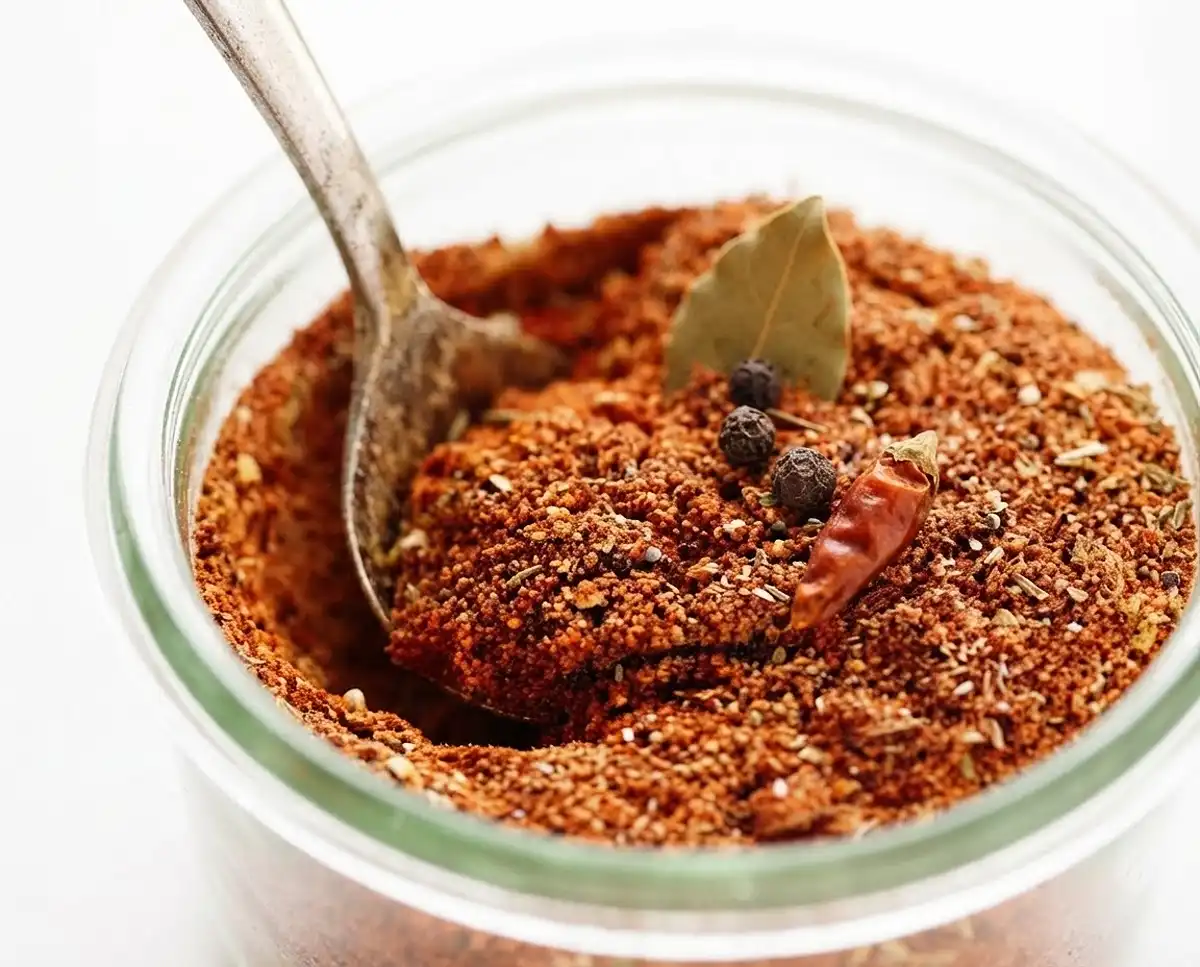
Make your own cajun seasoning recipe in five minutes with pantry staples you already have. This homemade cajun seasoning beats anything from the store shelf — every single time.
I still remember the first time I ditched the store-bought stuff. One whiff of this freshly mixed cajun seasoning spice mix and I knew I’d never go back. It smells like someone opened a window straight into New Orleans.
Table of Contents
Why This Cajun Seasoning Recipe Is the Only One You Need
This homemade cajun seasoning comes together in literally five minutes. No fancy equipment, no hard-to-find spices — just a bowl, a spoon, and a little enthusiasm.
The blend hits every note: smoky, garlicky, a little peppery, and warm with just the right kick of cayenne. It’s bold but not one-dimensional, which is exactly what good Cajun cooking is all about.
You’re fully in control here. Want it saltier? Add more. Need less heat for the kids? Pull back on the cayenne. That kind of flexibility is something no pre-packaged seasoning can give you.
Homemade Cajun Seasoning
Ingredients
- 3 tablespoons paprika smoked paprika preferred for the best depth of flavor
- 2 tablespoons fine kosher salt omit for a salt-free version
- 2 tablespoons garlic powder forms the savory backbone of the blend
- 1 tablespoon ground black pepper adds sharp, earthy heat
- 1 tablespoon ground white pepper adds a subtler peppery heat
- 1 tablespoon onion powder rounds out the savory flavor
- 1 tablespoon dried oregano classic Cajun herb note
- 1 tablespoon cayenne pepper adjust to taste for more or less heat
- ½ tablespoon dried thyme earthy and aromatic
Instructions
- Measure the paprika, kosher salt, garlic powder, black pepper, white pepper, onion powder, dried oregano, cayenne pepper, and dried thyme into a medium bowl.
- Stir or whisk until the seasoning blend is uniform in color with no visible clumps of one spice.
- Taste a tiny pinch and adjust if desired. Add more kosher salt for a saltier blend, reduce the cayenne next time for less heat, or add extra paprika and garlic powder to mellow the spice.
- Transfer the Cajun seasoning to a clean, dry, airtight spice jar or small mason jar.
- Label the jar with the date and store in a cool, dark pantry away from heat, light, and moisture.
- Use 1 to 2 teaspoons per pound of meat, seafood, vegetables, or potatoes, or increase to 1 tablespoon for a bolder Cajun flavor.
Notes
Ingredients for Homemade Cajun Seasoning
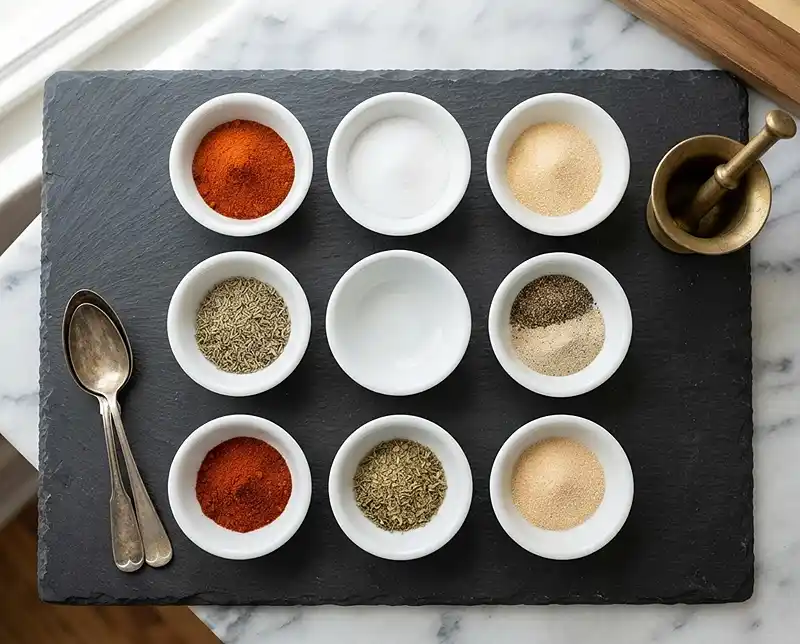
Everything below is a pantry staple. If you cook regularly, there’s a good chance you already own all of it. I love using smoked paprika here — it adds a subtle depth that regular paprika just can’t match.
| Spice | Amount | Notes |
|---|---|---|
| Paprika (smoked preferred) | 3 tablespoons | Smoked paprika gives the best depth of flavor |
| Fine kosher salt | 2 tablespoons | Use kosher for even seasoning |
| Garlic powder | 2 tablespoons | Non-negotiable — this is the backbone |
| Ground black pepper | 1 tablespoon | Adds a sharp, earthy bite |
| Ground white pepper | 1 tablespoon | Adds a different, subtler heat layer |
| Onion powder | 1 tablespoon | Rounds out the savory base |
| Dried oregano | 1 tablespoon | A classic Cajun herb note |
| Cayenne pepper | 1 tablespoon | The heat source — adjust to your tolerance |
| Dried thyme | 1/2 tablespoon | Earthy and aromatic — don’t skip it |
Quick ingredient note: using two kinds of pepper (black and white) is a signature move in authentic Cajun cooking. Black pepper punches up front; white pepper sneaks up on you. Together, they create a more complex heat that’s really satisfying.
How to Make Cajun Seasoning Spice Mix
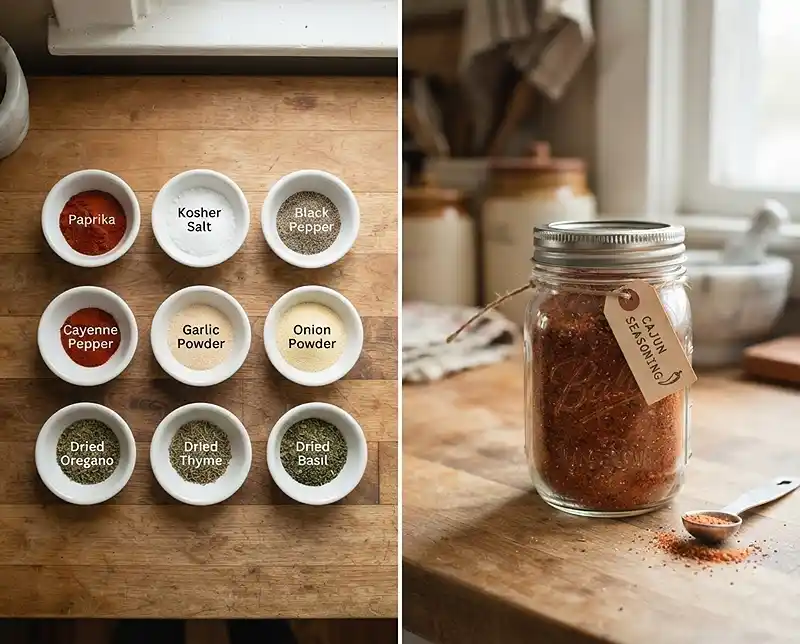
Step 1: Measure Your Spices
Line up all your spices before you start — it makes the process feel almost meditative. Measure each one into a medium bowl. The kitchen will already start smelling incredible at this point.
If you’ve got a kitchen scale, you can weigh everything for consistency batch to batch. But honestly, tablespoon measures work perfectly fine here.
Step 2: Mix Everything Together
Stir everything together with a spoon or whisk until the blend is uniform in color. You’re looking for a deep, reddish-orange mix with no visible clumps of one spice.
Give it a little sniff. It should smell smoky, warm, and deeply savory. If something smells off, check your spices — old cayenne in particular loses its punch and can smell a bit musty.
Step 3: Taste and Adjust
Dip a fingertip in and taste a tiny pinch. Too spicy? Dial back the cayenne next time. Not salty enough for your preference? Add a pinch more kosher salt now and stir again.
Pro tip: The blend always tastes more intense dry than it does cooked into food. Don’t be alarmed by the heat level — it mellows beautifully once it hits a hot pan.
Step 4: Store It Right
Transfer your homemade cajun seasoning to a clean, airtight spice jar or a small mason jar. Label it with the date using a piece of masking tape and a marker. Done!
It’ll keep for up to a year, though the flavor is absolutely best in the first 3 to 6 months. After that, it starts to slowly fade — still usable, just less vibrant.
Ways to Use This Cajun Seasoning Recipe
This blend is a workhorse in the kitchen. Here are some of my favorite ways to put it to use:
- Rub it on chicken thighs before grilling or roasting
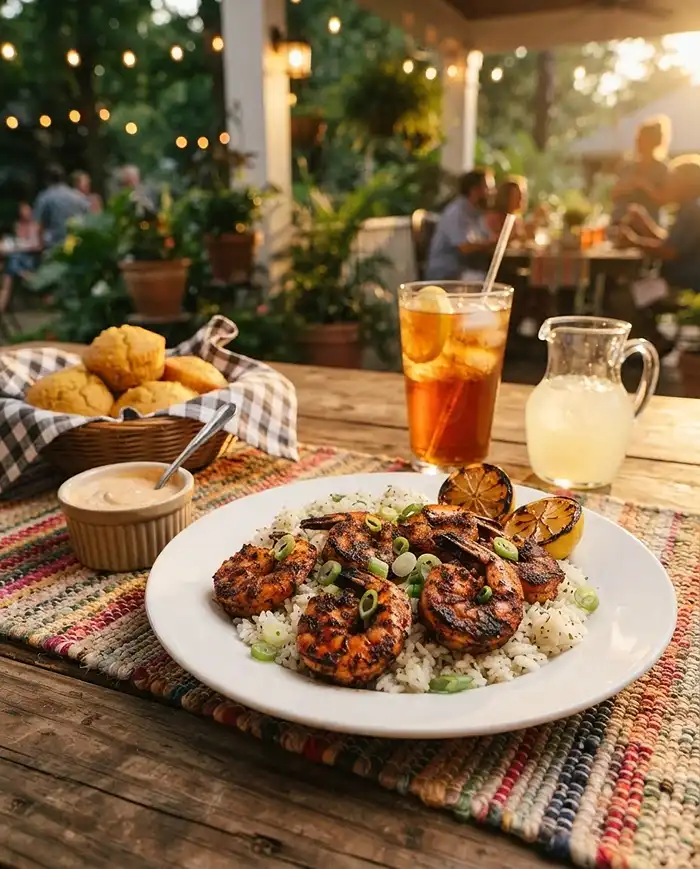
- Toss it with shrimp and butter for a fast weeknight dinner
- Stir it into potato wedges before baking
- Season ground beef or sausage for dirty rice
- Sprinkle over popcorn for a seriously addictive snack
- Mix into mayo or sour cream for a quick dipping sauce
- Add it to soups, stews, and jambalaya for that signature Southern flavor
If you’re looking for fun summer recipes to pair this with, my Frito corn salad gets a serious upgrade with a pinch of this mixed in. Trust me on that one.
Expert Tips for the Best Cajun Seasoning
Use Fresh Spices
This is the single most important tip. Old, dusty spices make a dull, lifeless blend. If your paprika smells like cardboard or your cayenne has no heat, throw them out and start fresh.
A good rule of thumb: ground spices stay potent for about 1 to 2 years in a sealed container away from heat and light. Check those expiration dates before mixing.
Go Smoked on the Paprika
Regular paprika works fine, but smoked paprika takes this cajun seasoning spice mix to a completely different level. It adds a subtle, almost barbecue-like depth that regular paprika simply can’t replicate.
According to Serious Eats’ guide to spice storage, even smoked paprika can lose its intensity over time — so the fresher, the better.
Control the Heat
The recipe as written is moderately spicy — enough to feel the warmth but not enough to clear the room. If you want it milder, start with 1/2 tablespoon of cayenne and work up from there.
If you like it really fiery, add an extra half tablespoon of cayenne or throw in a pinch of red pepper flakes. This is your blend, so make it yours.
Make It Salt-Free
If you’re watching sodium or seasoning proteins that’ll get a salty brine later, just leave the salt out entirely. Store the unsalted version separately and season dishes to taste as you cook.
Variations on Homemade Cajun Seasoning
No-Salt Cajun Blend
Simply omit the kosher salt. This is great for people on a low-sodium diet or when you’re marinating proteins that will already pick up salt from another source. Season to taste when cooking.
Sweet Cajun Twist
Add 1 tablespoon of brown sugar to the mix. It creates a beautifully caramelized crust on grilled chicken or salmon and gives the blend a sweet-heat balance that’s hard to resist.
Herb-Forward Version
Double the oregano and thyme, and add a tablespoon of dried basil. This version is amazing in pasta dishes, on roasted vegetables, or anywhere you want the herby notes to lead the flavor.
Speaking of roasted vegetables, my zucchini corn fritters pair beautifully with the herb-forward version of this blend sprinkled right into the batter.
Troubleshooting Common Issues
The Blend Is Too Salty
If your seasoning tastes overly salty, the fix is simple: make another half-batch without the salt and mix it in. This dilutes the saltiness while keeping all the other flavor ratios in check.
The Heat Is Too Intense
Add more paprika and garlic powder in equal parts to mellow out the cayenne without throwing off the overall flavor balance. Taste as you go until it hits the right spot for you.
The Blend Has Clumped Together
This usually means moisture got into the jar. Break up the clumps with a fork and transfer to a completely dry container. Store away from the stove to avoid steam exposure in the future.
Storage Guide for Cajun Seasoning Spice Mix
| Storage Method | Container | How Long It Lasts |
|---|---|---|
| Room temperature | Airtight spice jar or mason jar | Up to 1 year |
| Room temperature | Loosely covered bowl | 2 to 4 weeks (not ideal) |
| Freezer | Airtight freezer-safe container | Up to 2 years |
Reheating and No-Waste Ideas
Because this is a dry spice blend, there’s nothing to reheat. But if you accidentally make way too much, the freezer is your friend. Just pop it in a small freezer bag, press out the air, and freeze flat.
No-waste tip: Mix any leftover blend into softened butter and roll it into a log using plastic wrap. Slice off rounds to melt over steaks, corn on the cob, or baked potatoes. Compound butter in the freezer for up to 3 months.
Another idea: stir a teaspoon into cream cheese for an instant Cajun-spiced spread that pairs wonderfully alongside my peach burrata salad on a summer appetizer board.
You can also find helpful guidance on spice shelf life and safe storage from the FDA’s safe food storage guidelines.
Frequently Asked Questions
What is cajun seasoning made of?
A classic cajun seasoning recipe includes paprika, garlic powder, onion powder, black pepper, white pepper, cayenne, oregano, and thyme. Salt is usually included but can be left out for a low-sodium version. The exact ratio of each spice varies by recipe, but paprika and garlic powder typically form the bulk of the blend.
How spicy is homemade cajun seasoning?
This recipe has a moderate heat level thanks to one tablespoon of cayenne. It’s warm and noticeable but not overpowering. You can easily dial the heat up or down by adjusting the cayenne — start with half a tablespoon if you prefer a milder cajun seasoning spice mix.
Can I use this cajun seasoning on seafood?
Absolutely — this homemade cajun seasoning is fantastic on shrimp, salmon, catfish, and scallops. Toss shrimp with a teaspoon of the blend and a drizzle of butter, then cook in a hot pan for a quick Cajun shrimp in under 10 minutes.
Is cajun seasoning the same as creole seasoning?
They are similar but not identical. Cajun seasoning tends to be simpler and spicier, while creole seasoning typically includes more herbs like basil and bay leaf. Both are staples of Louisiana cooking, and in many home kitchens the terms are used interchangeably.
How much cajun seasoning should I use per pound of meat?
A good starting point is one to two teaspoons of cajun seasoning per pound of meat or vegetables. For a bolder flavor, you can go up to a tablespoon. Taste and adjust as you cook — it’s easier to add more than to dial back too much seasoning.
Final Thoughts
This cajun seasoning recipe is one of those five-minute projects that genuinely changes the way you cook. Once you’ve made your own, the store-bought versions taste flat in comparison.
Keep a jar on your spice rack and you’ll reach for it constantly — on chicken, shrimp, potatoes, vegetables, popcorn, and everything in between. Homemade cajun seasoning just hits differently.
If you try it, I’d love to know what you used it on first! Leave a comment below and let me know how it turned out. And if you loved it, please save it to Pinterest so other home cooks can find it too — it really does help this little recipe blog keep going.
