
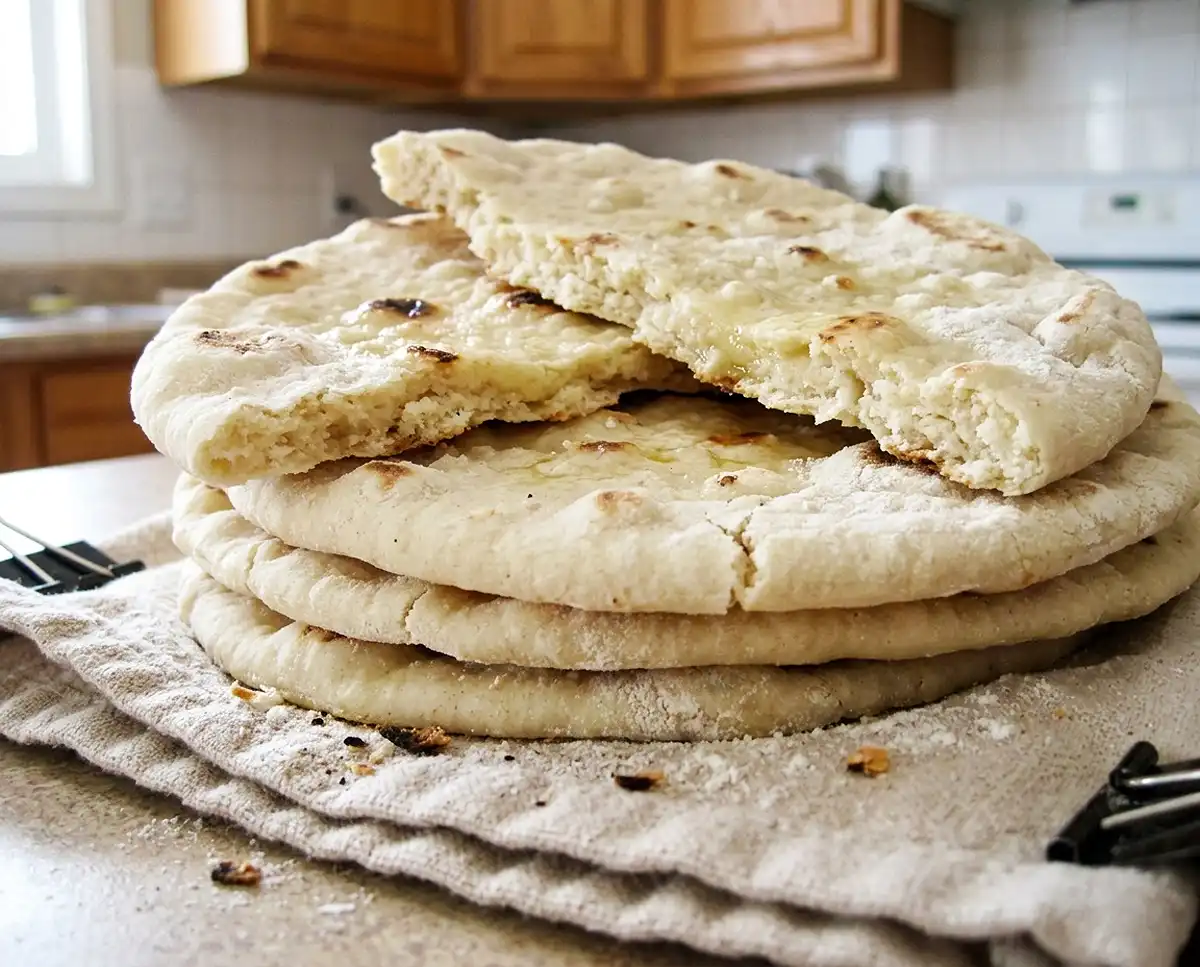
Make soft, pliable unleavened South Asian flatbread at home without gluten. Six simple ingredients, no yeast, and a tender bite perfect for curry night.
I still remember my first bite of homemade unleavened South Asian flatbread, warm off the pan and tearing like a soft little blanket. Going gluten-free made me think those days were over, so I tested batch after batch until this one finally worked. It’s tender, bendable, and good enough to fool the whole table.
Table of Contents
Why This Unleavened South Asian Flatbread Is So Easy
This unleavened South Asian flatbread skips the yeast, the long rise, and the fancy equipment. You stir, rest, roll, and cook. Before you know it, you’re tearing into warm bread and wondering why you ever bought the packaged kind.
The dough uses just six ingredients, and it’s fully gluten-free as long as your flour blend and oats carry a gluten-free label. Think soft, bendable rounds that happily scoop up lentils, wrap around leftovers, or sit next to a big bowl of curry.
It lands somewhere between a chapati and a paratha. You get that tender, pan-toasted chew of a classic Indian flatbread, plus a rich, buttery finish if you brush it with ghee.
Quick answer: Mix gluten-free flour, oat flour, salt, warm water, and a splash of olive oil. Rest the dough, roll it thin between parchment, and cook on a dry, hot skillet until spotty and soft.
What You’ll Love About It
- No yeast, no rising time, and no special gadgets
- Soft enough to fold, wrap, and scoop without cracking
- Easy to make dairy-free with a simple swap
- Great for weeknight dinners, lunch wraps, and make-ahead meals
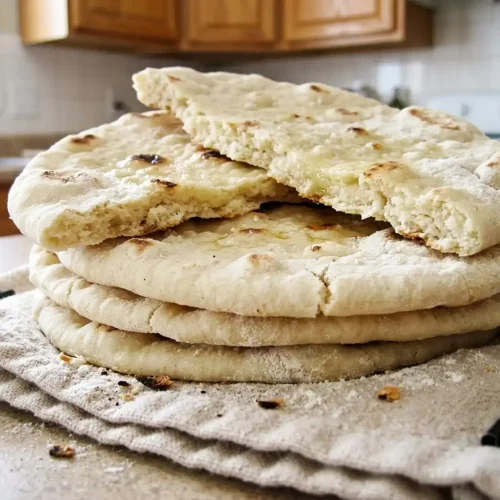
Unleavened South Asian Flatbread
Equipment
- Large mixing bowl
- Whisk
- Damp kitchen towel
- Parchment paper
- Rolling Pin
- Heavy-bottomed skillet or tava
- spatula
- Pastry brush
- Clean kitchen towel (for wrapping)
- Measuring cups and spoons
Ingredients
Dry Ingredients
- 2 cups gluten-free all-purpose flour blend must contain xanthan gum; spoon and level
- ½ cup gluten-free oat flour or finely ground rice flour use certified gluten-free oat flour if using oats
- ½ teaspoon salt fine salt mixes in best
Wet Ingredients
- ¾ cup warm water plus more as needed
- 1 tablespoon olive oil optional, for a softer dough
For Finishing
- ghee or butter labeled gluten-free; optional for brushing. Use a dairy-free spread or leave it out for a dairy-free version
Instructions
- In a large bowl, whisk together the gluten-free flour blend, the oat flour or rice flour, and the salt so the salt is evenly spread through.
- Gradually add the warm water and the olive oil, if using, and mix until a soft dough forms. If it looks crumbly, add a splash more warm water until it feels like soft play dough.
- Knead the dough gently for 2 to 3 minutes, just until evenly combined. Cover the bowl with a damp kitchen towel and let the dough rest for 20 to 30 minutes so the flours can hydrate.
- Divide the dough into 6 equal portions and roll each into a smooth ball. Place one ball between two sheets of parchment and roll it into a thin circle about 1/8 inch thick. Press any cracked edges back together, and work a little warm water into the dough if it feels dry. Keep the other portions covered while you work.
- Heat a heavy-bottomed skillet or tava over medium-high heat. Keep the pan dry, with no oil or butter, and let it get thoroughly hot.
- Peel off the parchment and lay one flatbread on the hot skillet. Cook 1 to 2 minutes, until light brown spots appear underneath and bubbles form on top. Flip and cook another 1 to 2 minutes. You can press gently with a spatula to help it puff.
- Move the flatbread to a plate and brush lightly with ghee or butter if you like. Stack the cooked rounds and wrap them in a clean kitchen towel to keep them soft. Repeat with the rest of the dough.
- Serve warm with curry, lentils, dal, or your favorite South Asian dishes, or use the flatbreads as wraps.
Notes
Ingredients for Unleavened South Asian Flatbread
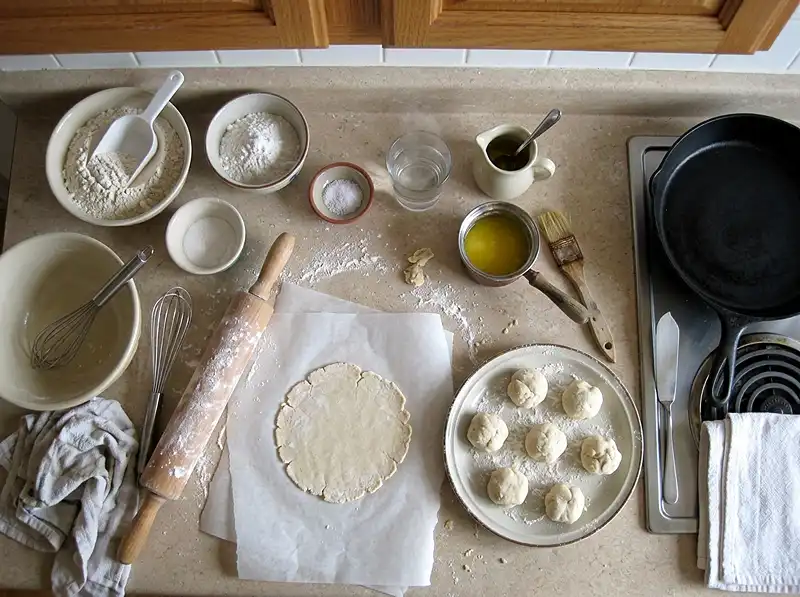
Everything here is simple and pantry-friendly. The only thing worth double-checking is your flour blend, which needs xanthan gum already mixed in so the dough holds together.
| Group | Ingredient | Notes |
|---|---|---|
| Dry Ingredients | 2 cups gluten-free all-purpose flour blend | Must contain xanthan gum |
| Dry Ingredients | 1/2 cup gluten-free oat flour or finely ground rice flour | Choose certified gluten-free oat flour if using oats |
| Dry Ingredients | 1/2 teaspoon salt | Fine salt mixes in best |
| Wet Ingredients | 3/4 cup warm water | Plus more as needed |
| Wet Ingredients | 1 tablespoon olive oil | Optional, for a softer dough |
| For Finishing | Ghee or butter | Labeled gluten-free; optional for brushing. Use a dairy-free spread or omit for a dairy-free version |
Ingredient Notes and Smart Swaps
Your gluten-free flour blend does the heavy lifting here. Because there’s no gluten to stretch and hold the dough, xanthan gum steps in as the glue. Without it, you’ll get crumbly rounds that crack the second you fold them.
The oat flour or rice flour adds softness and a slightly sweet, toasty flavor. If you’re using oats, pick a product labeled gluten-free. The Celiac Disease Foundation’s label reading guide explains why that label matters for oats.
Warm water helps the flours hydrate faster, so the dough comes together smoothly. The olive oil is optional, but I never skip it. It makes the dough just a bit more supple and easier to roll.
For the finishing touch, ghee gives you that nutty, bakery-style richness. If you’re avoiding dairy, a dairy-free spread works beautifully, or you can leave the brushing off entirely.
How to Make Unleavened South Asian Flatbread Step by Step
Set aside about an hour in total, mostly hands-off. Read through the steps once, grab your parchment paper, and get your skillet ready. Gluten-free dough is happiest when you’re organized.
Step 1: Mix the Dough
In a large bowl, whisk together the gluten-free flour blend, oat flour or finely ground rice flour, and salt. Give it a good stir so there are no sneaky pockets of salt hiding in there.
Gradually add the warm water and the olive oil, if you’re using it. Mix until a soft dough forms. If it looks crumbly, add a splash more warm water until it feels like soft play dough.
Step 2: Knead and Rest
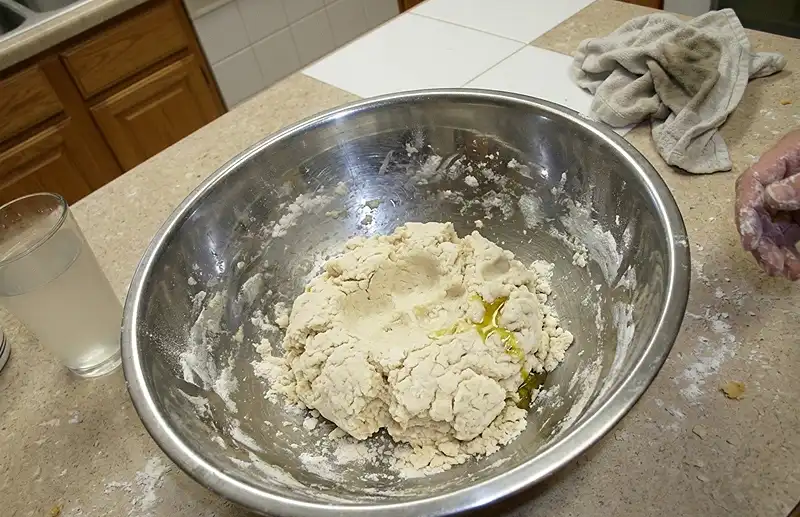
Gently knead the dough for 2 to 3 minutes, just until everything is evenly combined. Gluten-free dough doesn’t need a workout, so this is the easy part.
Cover the bowl with a damp kitchen towel and let the dough rest for 20 to 30 minutes. This pause lets the flours soak up the water, which makes the dough smoother and much easier to roll.
Tip: Make a cup of chai while you wait. The rest is not optional, but the tea is a lovely bonus.
Step 3: Divide and Roll
Divide the dough into 6 equal portions and shape each one into a smooth ball. Place a ball between two sheets of parchment paper and roll it into a thin circle about 1/8 inch thick.
Parchment is your best friend here, because gluten-free dough loves to stick to counters and rolling pins. If the edges crack, gently press them back together with your fingers.
Does the dough feel dry? Dab a little warm water on your fingertips and work it into the ball. You’ll feel it relax right away.
Step 4: Heat the Pan
Heat a heavy-bottomed skillet or tava over medium-high heat. Keep the pan dry, with no oil or butter, and let it get thoroughly hot before the first flatbread goes down.
A properly hot pan gives you those lovely light brown spots and a soft center. A lukewarm pan gives you a dry, leathery flatbread, and nobody wants that.
Step 5: Cook the Flatbreads
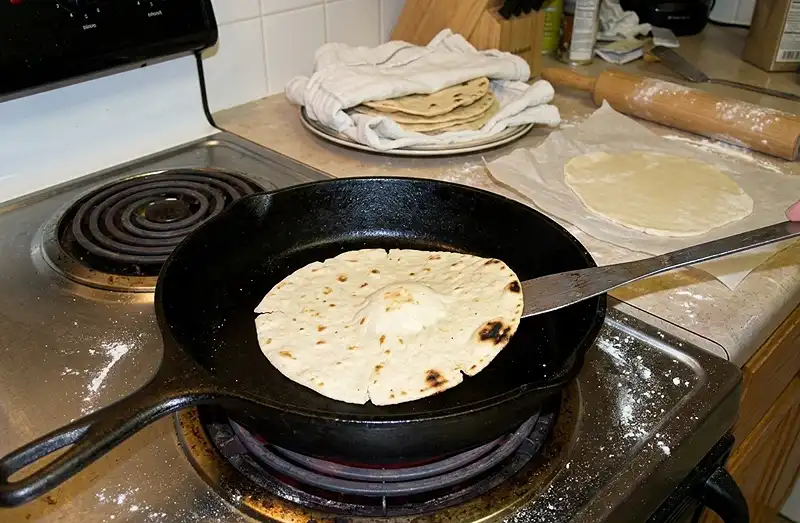
Carefully peel away the parchment and lay one flatbread on the hot skillet. Cook for 1 to 2 minutes, until light brown spots appear underneath and little bubbles start forming on the surface.
Flip it and cook for another 1 to 2 minutes. If you like, press gently with a spatula to encourage puffing, a bit like pita bread. You’ll smell toasty, nutty goodness almost instantly.
Step 6: Brush and Stack
Move the cooked flatbread to a plate and lightly brush it with ghee or butter, if you’d like. Stack the finished rounds and wrap them in a clean kitchen towel.
The towel traps steam, which keeps every flatbread soft and bendable until dinner. Skip this step and they can stiffen as they cool.
Step 7: Serve and Enjoy
Serve them warm with curry, lentils, or your favorite South Asian dishes. Tear off pieces to scoop up sauces, or use the flatbreads as quick wraps.
My favorite way is with a bowl of warm dal and a spoonful of pickle on the side. Messy hands are completely encouraged.
Expert Tips, Variations, and Troubleshooting
Gluten-free dough has a mind of its own, but a few small habits make a big difference. These are the lessons I learned the sticky way so you don’t have to.
Expert Tips for Softer Flatbread
Measure your flour by spooning it into the cup and leveling it off. Scooping straight from the bag packs in extra flour, and that leads to dry, stiff dough.
Keep the portions you’re not rolling covered with a damp towel. Gluten-free dough dries out quickly, and dry edges are the number one cause of cracking.
Roll evenly from the center outward. Thin spots burn, thick spots stay doughy, and an even 1/8 inch gives you that gentle puff in the pan.
Flavor and Texture Variations
Want something more herby? Stir a teaspoon of cumin seeds or a handful of chopped fresh cilantro into the dry ingredients. It tastes wonderful with a simple lentil soup.
For a flaky, paratha-style bite, brush a rolled round with a little ghee, fold it in half, then in half again. Gently roll it out once more before cooking. The layers won’t be as dramatic as wheat versions, but you’ll get a lovely tender flake.
Curious how this compares to the real thing? The history and variety of paratha is a fun read, especially if you love Indian flatbread in all its forms.
Store-bought options like Shana original paratha are usually wheat-based, so they won’t work for a gluten-free table. Always check the label before you buy.
Troubleshooting Common Problems
- Dough cracks while rolling: Knead in a teaspoon of warm water and let it rest for five more minutes.
- Dough sticks to the parchment: Chill it for 10 minutes, or dust the parchment very lightly with rice flour.
- Flatbreads turn stiff: The pan was probably too cool or the cook time too long. Wrap them in a towel right away.
- No bubbles or puff: Roll slightly thinner and make sure your skillet is hot before you start.
Also, remember that every gluten-free flour blend absorbs water a little differently. Trust the feel of the dough over the exact measurement, and you’ll be just fine.
When gluten isn’t a concern, you might enjoy a cozy baking day with fluffy Japanese milk bread or crunchy whole wheat breadsticks to go with soup night.
Storage, Reheating, and No-Waste Ideas
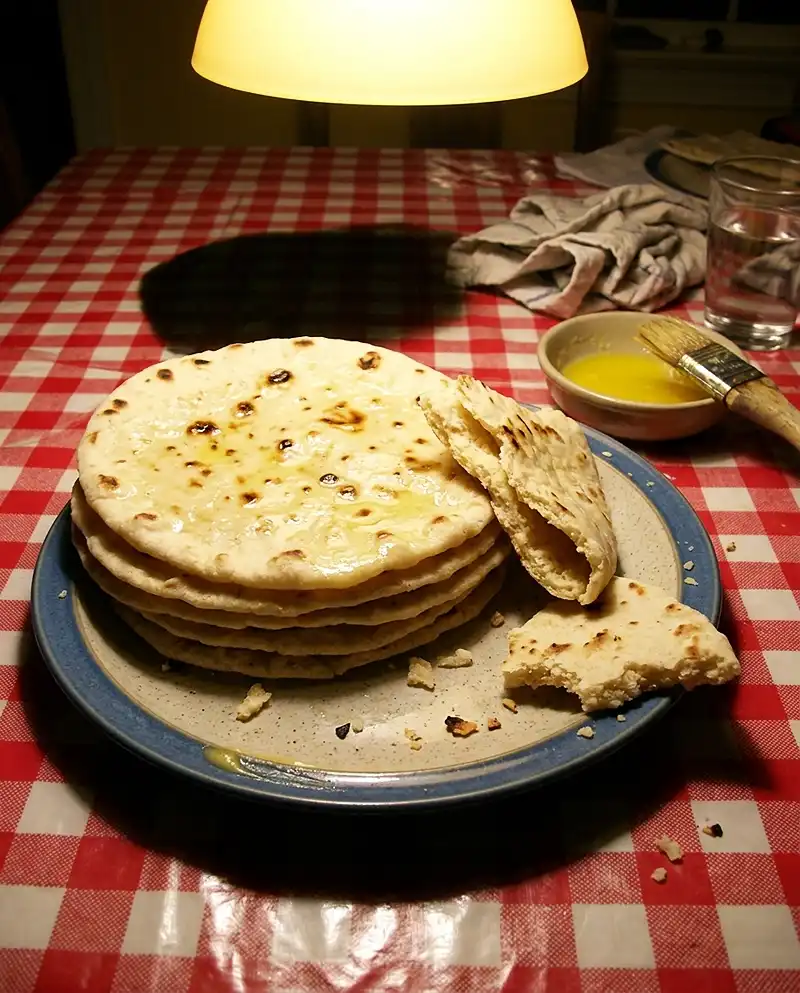
This flatbread is best fresh, but it keeps surprisingly well when you store it the right way. Let the rounds cool completely before packing them up so steam doesn’t turn them soggy.
| Method | How to Store | How Long |
|---|---|---|
| Room Temperature | Wrap in a clean towel, then place in a covered container | Up to 1 day |
| Refrigerator | Stack with parchment between each round in an airtight container | Up to 4 days |
| Freezer | Layer with parchment, then seal in a freezer bag with the air pressed out | Up to 2 months |
How to Reheat
Warm each flatbread in a dry skillet over medium heat for about 30 seconds per side. If it feels a little dry, sprinkle a few drops of water on it first and cover the pan for a moment.
You can also wrap a few in a damp paper towel and microwave them for 15 to 20 seconds. Frozen rounds can go straight into the skillet, just give them an extra minute.
No-Waste Kitchen Ideas
Got a few stiff leftovers? Cut them into wedges, toss with olive oil and spices, and bake until crisp for homemade chips. They’re great with hummus or chutney.
You can also toast dried-out pieces and pulse them in a blender for gluten-free breadcrumbs. Another easy idea is tearing them into soups and stews, where they soften like little dumplings.
Love using up bread in creative ways? This egg white bread tutorial is another cozy way to turn simple ingredients into something special.
Frequently Asked Questions
Is this unleavened South Asian flatbread vegan?
It can be. Skip the ghee or butter and brush with a dairy-free spread or a little olive oil instead. The dough itself contains no dairy or eggs.
Can I use only the gluten-free flour blend without oat or rice flour?
Yes, but the flatbread will be a bit less tender. The oat or rice flour adds softness, so if you leave it out, add the water a spoonful at a time and expect a slightly drier dough.
How is this different from chapati and paratha?
Chapati is a simple, plain rolled flatbread, while paratha is traditionally layered with ghee for a flaky texture. This recipe is closest to chapati, but you can fold it with ghee for a paratha-style flaky bite.
Can I make the dough ahead of time?
Yes. Wrap the dough tightly and refrigerate it for up to 24 hours. Let it come to room temperature and knead in a splash of warm water before rolling.
Can I freeze the cooked flatbreads?
Absolutely. Layer cooled flatbreads with parchment paper, seal them in a freezer bag, and freeze for up to 2 months. Reheat them in a hot skillet straight from the freezer.
Final Thoughts
This unleavened South Asian flatbread proves you don’t need gluten, yeast, or hours in the kitchen to enjoy warm, soft bread. A few humble ingredients and a hot pan are all it takes to bring that cozy, curry-night feeling home.
For more background on how this style of bread fits into the wider world, read about unleavened breads around the world. It’s a lovely rabbit hole for bread lovers.
Now it’s your turn. Give this flatbread a try, save it to your favorite Pinterest board so you can find it again, and tell me how it turned out in the comments. I’d love to hear what you served it with!
