
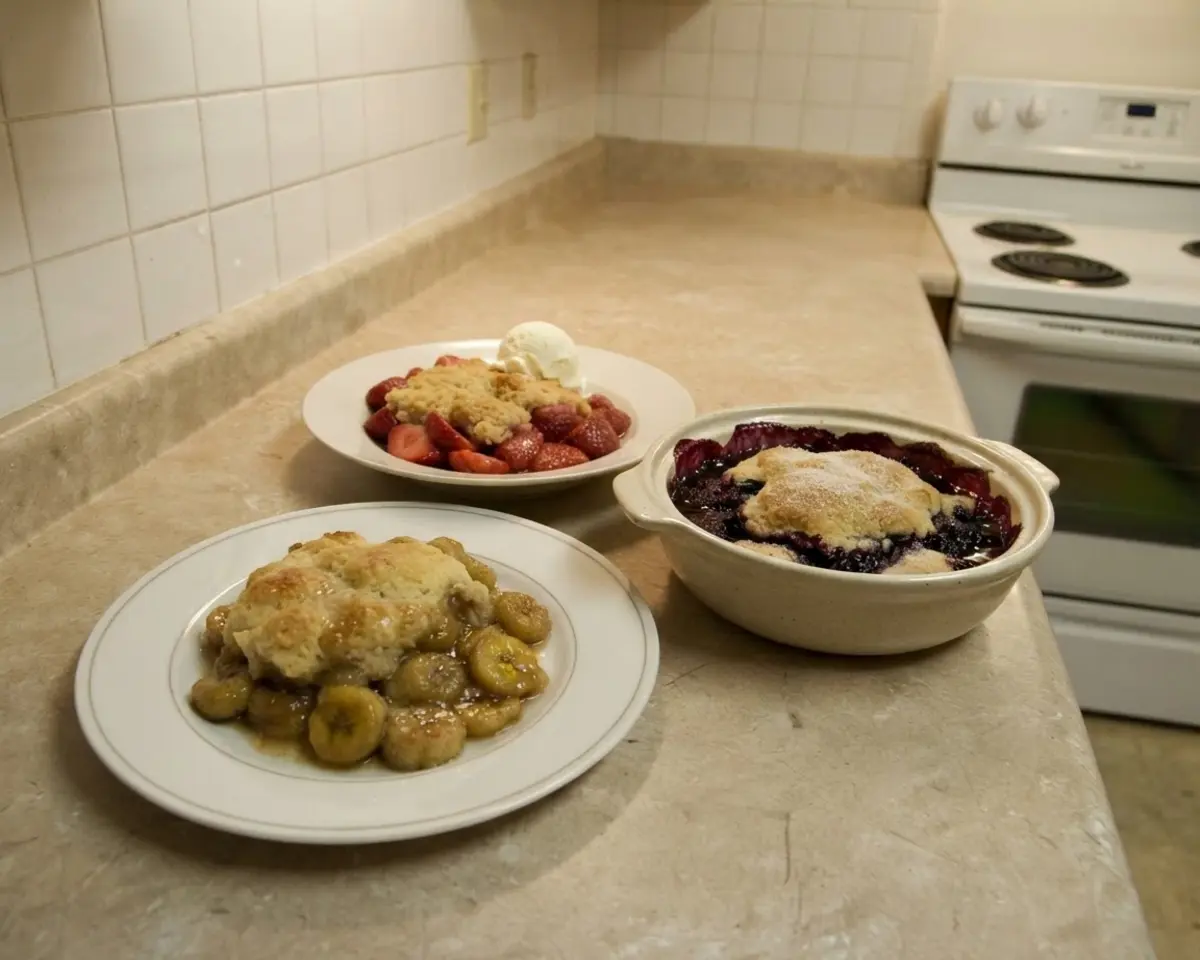
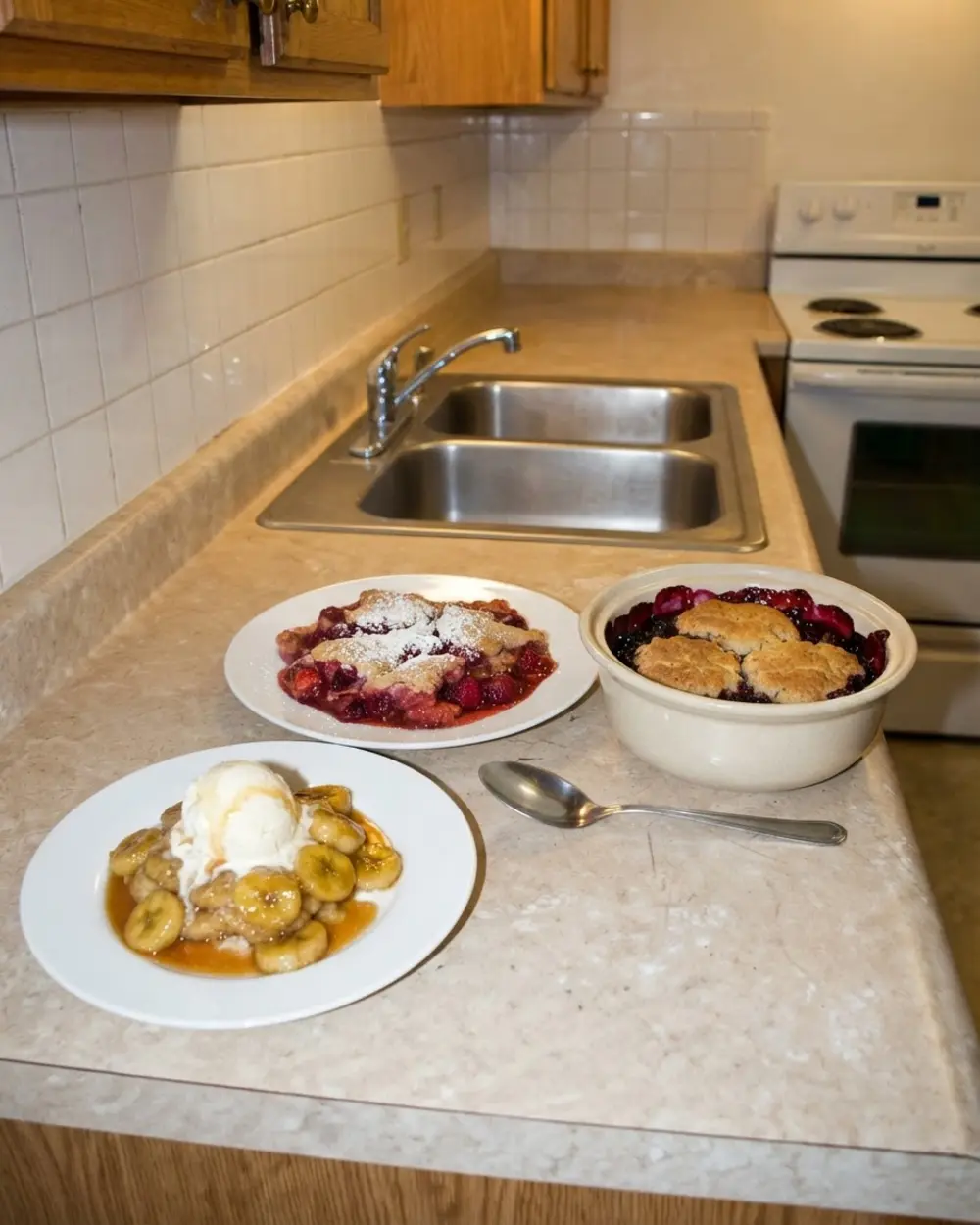
Discover the best cobbler recipes that bring warmth and comfort to your table, from classic peach cobbler desserts to creative twists like bananas foster cobbler. These easy fruit cobblers and baked cobbler recipes transform simple ingredients into bubbly, golden treats perfect for any occasion.
There’s something magical about pulling a bubbling cobbler from the oven on a lazy Sunday afternoon. The first time I made one, I was surprised at how simple it was—just fresh fruit, a quick batter, and that incredible caramelized crust that forms on top.
The smell alone? Pure heaven. My kitchen smelled like a bakery for hours, and my family practically sprinted to the table when I announced dessert was ready.
Now I make cobblers year-round, swapping fruits with the seasons. They’re forgiving, flexible, and honestly one of the easiest desserts you can master.
Table of Contents
Quick Overview
This collection of cobbler recipes covers everything from traditional blackberry cobbler to show-stopping bananas foster cobbler. Each recipe walks you through simple steps to create baked cobbler recipes with that perfect balance of tender fruit and golden, biscuit-like topping.
Whether you’re craving peach cobbler desserts in summer or cozy berry options in fall, you’ll find easy fruit cobblers that work for weeknight treats or special gatherings. Let’s dive into these delicious options.
Bananas Foster Cobbler
If you’ve ever loved bananas foster, this cobbler takes that iconic dessert and makes it even more cozy. Caramelized bananas meet brown sugar, rum, and cinnamon under a buttery, crisp topping that bakes up golden and irresistible.
It’s sweet, decadent, and tastes like a celebration—even on a random Tuesday. Try this stunning recipe and watch it become a new favorite in your dessert rotation.
Strawberry Cobbler
Strawberries are often saved for pies, but this cobbler proves they deserve their own spotlight. Juicy berries bubble beneath a tender, slightly sweetened topping that’s more biscuit than cake—and that’s exactly what makes it perfect.
The natural tartness of strawberries balances beautifully with a hint of vanilla and lemon zest. Make this irresistible cobbler when berries are in season, and you’ll understand why it’s such a crowd-pleaser.
Blackberry Cobbler Recipe: Summer in a Dish
There’s nothing quite like blackberry cobbler when summer berries are at their peak. This recipe captures all that sweet-tart goodness in every spoonful, with a topping that bakes up crisp on the edges and soft in the center.
It’s rustic, comforting, and tastes like sunshine. Dive into this summery cobbler and pair it with a scoop of vanilla ice cream for the ultimate contrast of warm and cold.

What Makes a Great Cobbler
The secret to amazing cobblers lies in balancing fruit and topping. You want enough fruit to create a bubbly, jammy base without drowning the biscuit layer. Too much liquid and your topping gets soggy; too little and you lose that luscious sauciness.
I’ve learned to toss my fruit with a bit of cornstarch or flour—it thickens the juices just enough as they bake. Some recipes call for dropping biscuit dough on top, while others use a batter that spreads and rises around the fruit.
Both methods work beautifully, so pick whichever feels easiest for you. The science behind fruit desserts explains how starches absorb moisture and create that perfect texture.
Tips for Perfect Cobblers Every Time
Use fresh or frozen fruit—both work great. If using frozen, don’t thaw it first; just add an extra five to ten minutes to the baking time. Fresh fruit releases its juices more gradually, so the topping has time to set properly.
Preheat your oven fully before baking. A hot oven helps the topping rise quickly and get that gorgeous golden crust. If you skip this step, the batter can sink into the fruit instead of puffing up on top.
Don’t skip the sugar on top of the topping. A sprinkle of coarse sugar before baking adds a delightful crunch and sparkle. It’s one of those tiny touches that makes a big difference.
Let your cobbler rest for at least 15 minutes after baking. This allows the filling to thicken slightly and makes serving so much easier. Trust me, patience pays off here.
Fruit Variations and Seasonal Swaps
Cobblers are incredibly versatile. In spring, try rhubarb mixed with strawberries for a tangy twist. Summer is all about peaches, blueberries, and cherries—each brings its own personality to the dish.
Fall opens the door for apples, pears, and cranberries. I love combining apples with a touch of cinnamon and nutmeg for a cozy vibe. Winter citrus can even work—blood orange cobbler sounds unusual, but it’s stunning.
Mix and match fruits based on what’s fresh or what you have on hand. A blend of berries is always a safe bet, and stone fruits like plums or nectarines add gorgeous color and flavor.
How to Store and Reheat Cobblers
Cobblers keep well for about three days at room temperature if covered loosely with foil. If your kitchen is warm or humid, refrigerate it instead to prevent the fruit from fermenting or getting funky.
To reheat, pop individual servings in the microwave for 30 seconds or warm the whole dish in a 350°F oven for about 15 minutes. The topping crisps back up beautifully in the oven—way better than the microwave alone.
You can freeze baked cobblers too. Wrap tightly in plastic wrap and foil, then freeze for up to three months. Thaw overnight in the fridge and reheat as usual.
Topping Techniques: Biscuit, Batter, or Cake
Traditional cobblers use a biscuit-style topping—think drop biscuits placed over the fruit. This creates a rustic, uneven look with crispy edges and soft centers. It’s the classic approach and delivers serious comfort vibes.
Batter-style cobblers pour a thin batter over the fruit, which rises and spreads during baking. The result is more cake-like and uniform. Some recipes even flip this—fruit goes on top of the batter, which rises around it.
Cake-style cobblers are lighter and fluffier, almost like a fruity upside-down cake. Each method has its fans, and honestly, they’re all delicious. King Arthur Baking breaks down the differences in detail if you want to geek out on dessert science.
Serving Suggestions and Pairings
Warm cobbler begs for a scoop of vanilla ice cream—it’s basically a law of dessert. The contrast of hot and cold, creamy and fruity, is pure magic. Whipped cream works too, especially if you add a splash of vanilla or bourbon.
For breakfast (yes, cobbler for breakfast), serve it with Greek yogurt and a drizzle of honey. The tangy yogurt balances the sweetness, and you can pretend it’s healthy because there’s fruit involved.
Coffee is the perfect beverage pairing. Something about the bitterness of coffee and the sweetness of cobbler just works. A cold glass of milk is another classic choice that never disappoints.
Common Cobbler Mistakes to Avoid
One of the biggest mistakes is using fruit that’s too wet without adjusting the thickener. Juicy fruits like strawberries need extra cornstarch or they’ll turn your cobbler into soup. Always taste your fruit first—if it’s super sweet, dial back the sugar.
Overmixing the topping is another pitfall. Whether you’re making biscuits or batter, mix just until combined. Overworking creates a dense, tough topping instead of a light, tender one.
Don’t underbake. The topping should be deeply golden, not pale. If it’s browning too fast, tent it with foil and keep baking until the fruit is bubbling vigorously around the edges.
Making Cobblers Ahead for Entertaining
You can prep the fruit filling a day ahead and store it in the fridge. Just bring it to room temperature before topping and baking, or add a few extra minutes to the baking time if it’s cold.
The topping (especially biscuit-style) is best mixed fresh, but you can measure out your dry ingredients ahead of time. When you’re ready to bake, just add the wet ingredients, mix, and go.
If you’re hosting a dinner party, bake the cobbler while you’re eating dinner. It’ll be perfectly warm and bubbly when you’re ready for dessert, and your house will smell incredible.
Why Cobblers Are Perfect for Beginner Bakers
Cobblers are forgiving in a way that pies and cakes aren’t. There’s no rolling dough, no worrying about soggy bottoms, and no need for perfect presentation. Rustic is the goal, so imperfections are part of the charm.
The ingredient list is short and simple—fruit, sugar, flour, butter, and a few pantry staples. You probably have everything you need already, which makes cobblers ideal for spontaneous baking.
Even if you mess up the ratios slightly, you’ll still end up with something delicious. It might be a little saucier or drier than ideal, but it’ll taste great with ice cream regardless.
Exploring Regional Cobbler Styles
Southern cobblers often feature a buttery, cake-like batter poured into a baking dish, with fruit spooned on top. As it bakes, the batter rises around the fruit, creating pockets of jammy goodness surrounded by tender cake.
New England cobblers lean toward biscuit toppings—thick, flaky, and slightly sweet. They’re heartier and more rustic, often served warm with a pitcher of heavy cream on the side.
Wherever you are, there’s a cobbler style that’ll feel like home. Experimenting with different techniques is half the fun, and you really can’t go wrong with any of them.
The Joy of Sharing Cobbler
Cobblers are made for sharing. Whether you’re bringing one to a potluck, serving it at a family dinner, or baking it just because, there’s something communal about digging into a warm, bubbly pan together.
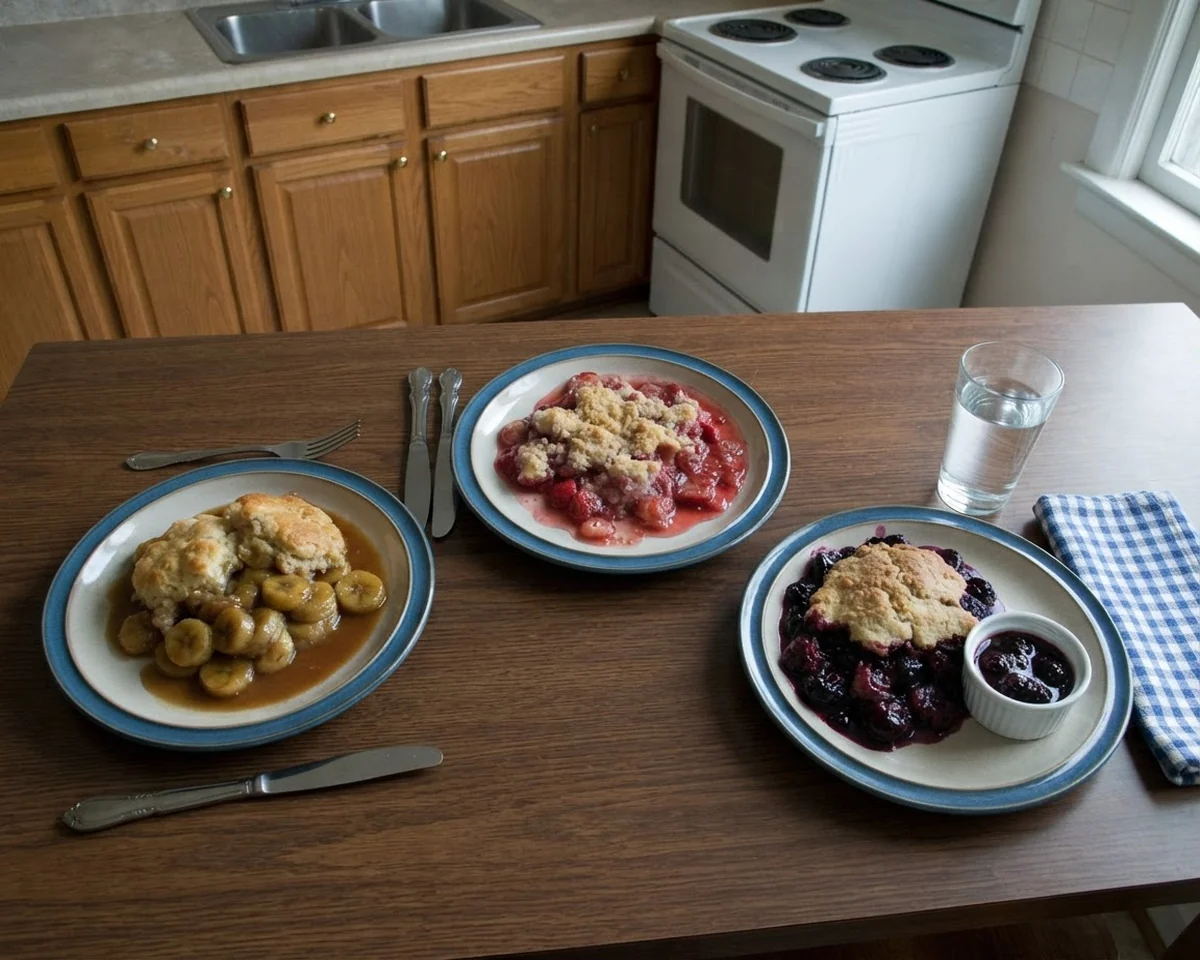
I’ve never met anyone who doesn’t light up when cobbler appears on the table. It’s unpretentious, comforting, and always feels like a hug in dessert form.
So grab some fruit, preheat your oven, and try one of these cobbler recipes. Your kitchen will smell amazing, your people will be happy, and you’ll have a new go-to dessert that never gets old.
Start Baking Your Perfect Cobbler Today
Now you’ve got a full lineup of easy fruit cobblers to explore, from classic blackberry cobbler to the indulgent bananas foster cobbler. Each one brings something special to the table, and they’re all simple enough to make any day of the week.
Pick a recipe, gather your ingredients, and get baking. And when you pull that golden, bubbling masterpiece from the oven, snap a photo and share it—because great cobblers deserve to be celebrated.
Happy baking, and may your cobblers always be perfectly crisp on top and jammy underneath!
Frequently Asked Questions
What is the difference between a cobbler and a crisp?
A cobbler has a biscuit-like topping that is dropped or spread over fruit, creating a rustic appearance. A crisp has a streusel-like topping made from butter, sugar, flour, and often oats, resulting in a crunchy texture. Cobblers have a softer, cake-like topping while crisps are crumbly and crispy.
Can I use frozen fruit for cobbler?
Yes, frozen fruit works well in cobblers. You do not need to thaw the fruit first, but you may need to add a few extra minutes to the baking time. You might also want to add an extra tablespoon of thickener like cornstarch or flour since frozen fruit releases more liquid during baking.
How do I know when my cobbler is done baking?
A cobbler is done when the topping is golden brown and cooked through, the fruit filling is bubbling around the edges, and a toothpick inserted into the topping comes out clean. This typically takes 35 to 45 minutes at 350 to 375 degrees Fahrenheit, depending on your recipe.
Should cobbler be served warm or cold?
Cobbler is best served warm, ideally about 15 to 20 minutes after coming out of the oven. This allows the filling to set slightly while still maintaining its warmth. It is traditionally served with vanilla ice cream, whipped cream, or a drizzle of heavy cream. Leftovers can be reheated in the oven or microwave.
How should I store leftover cobbler?
Let the cobbler cool completely to room temperature, then cover it tightly with plastic wrap or aluminum foil. Store it in the refrigerator for up to 4 days. You can also freeze cobbler for up to 3 months in an airtight container. Reheat individual portions in the microwave or warm the entire dish in a 350-degree oven until heated through.