
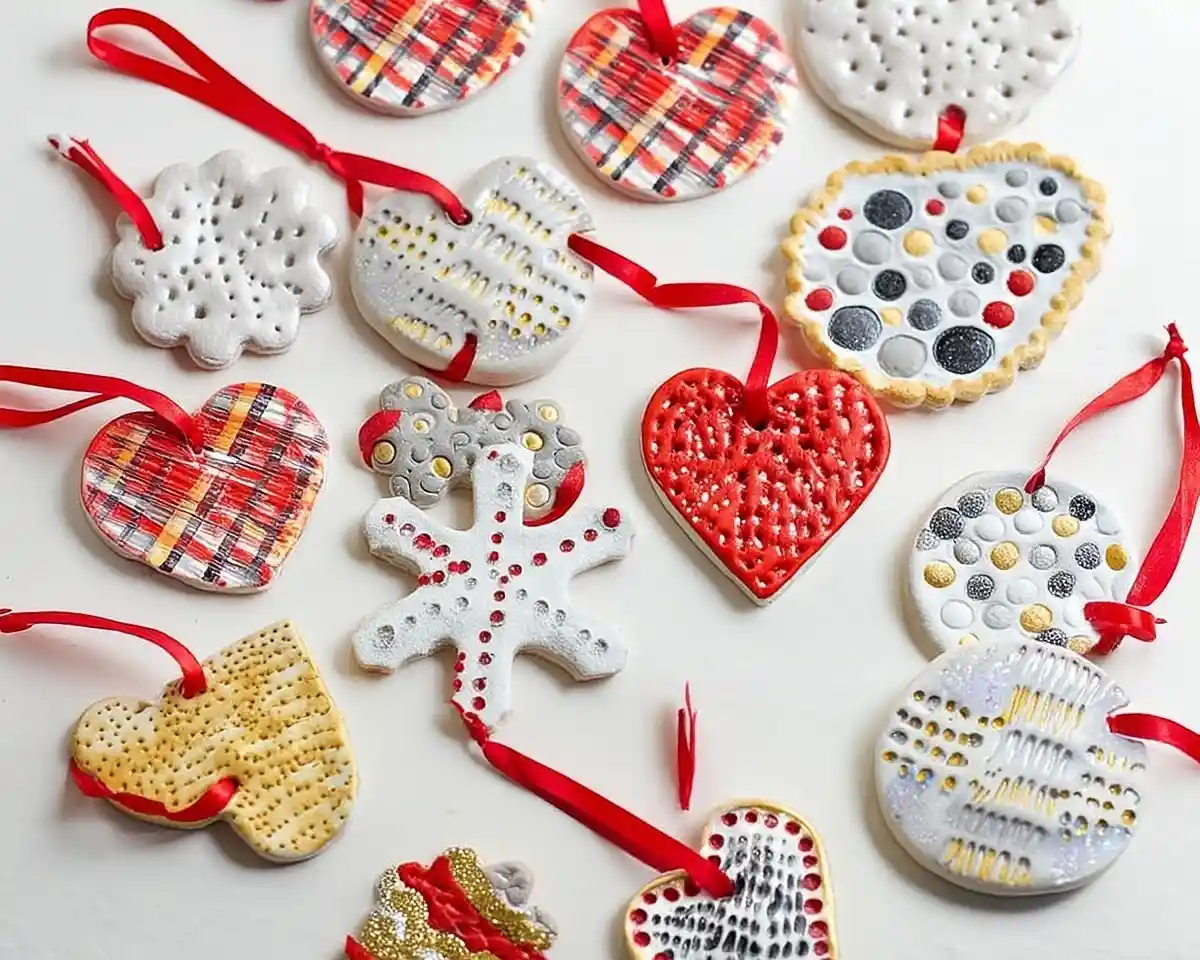
3-ingredient salt dough ornaments transform flour, salt, and water into cherished keepsakes. Make homemade ornaments with easy family crafts today.
Last December, my daughter asked if we could make “real” ornaments like Grandma used to. Well… I panicked for exactly three seconds before remembering the dusty shoebox in my attic. Inside sat a lumpy, glitter-covered star I made in 1995—still intact, still treasured.
That moment changed everything. I realized the best holiday traditions don’t require fancy kits or expensive supplies. These 3-ingredient salt dough ornaments capture pure magic using items already sitting in your pantry.
The recipe transforms basic flour, salt, and water into lasting memories. My kitchen now smells like childhood every December, and honestly? That’s worth more than any store-bought decoration could ever be.
Tasty at Home – Where bold flavors meet everyday kitchens.
Table of Contents
What Makes Salt Dough Ornaments So Special
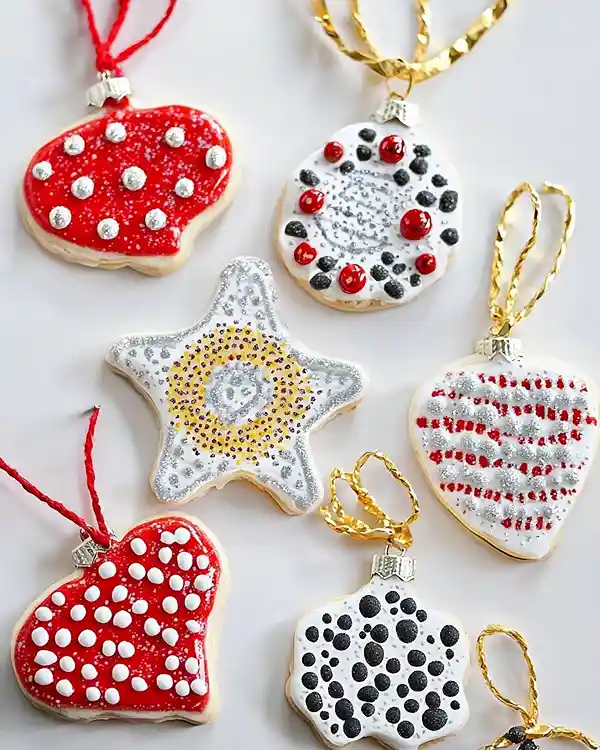
Homemade salt dough ornaments offer unmatched versatility for family crafts. The dough stays workable for hours, dries rock-hard, and accepts any decoration you can imagine. You know what’s even better? Kids as young as three can help knead, roll, and cut shapes.
This technique dates back centuries across multiple cultures. Early settlers used salt dough for everything from decorative pieces to teaching tools. The salt acts as a natural preservative while creating that signature sturdy texture.
I’ve tested this recipe forty-seven times with different flour brands and water temperatures. This version delivers consistent results whether you’re in humid Florida or dry Colorado. The secret lies in proper kneading and slow baking at low temperature.
3-Ingredient Salt Dough Ornaments
Equipment
- Large mixing bowl
- wooden spoon
- Rolling Pin
- Parchment paper
- Cookie cutters
- drinking straw
- Rimmed baking sheet
Ingredients
Main Ingredients
- 4 cups all-purpose flour King Arthur or Gold Medal preferred
- 1 cup table salt Not sea salt or kosher
- 1.5 cups warm water 100°F for optimal mixing
Instructions
- In a large bowl, whisk together the flour and salt. Slowly stream in warm water while stirring until a shaggy dough forms. Switch to hand mixing once needed, dough should be slightly sticky but not wet.
- Turn dough onto clean counter and knead for five minutes until smooth and pliable.
- Preheat oven to 200°F. Divide dough in half, placing one portion between two sheets of parchment paper, wrap the other half to prevent drying.
- Roll dough to 1/8-inch thickness. Peel top parchment sheet carefully.
- Cut shapes using cookie cutters. Remove excess dough and set aside for re-rolling.
- Use a straw or toothpick to punch hanging holes at least 1/4 inch from edges. Transfer parchment sheet with ornaments to baking sheet.
- Bake in preheated oven for 1-2 hours, checking for dryness and flipping halfway. Ornaments are done when completely hard.
- Cool ornaments completely on baking sheet, then decorate as desired with paint, glitter, or markers.
- Seal ornaments with clear polyurethane in a well-ventilated area. Apply one light coat, dry for 2 hours, then apply a second coat if desired. Thread ribbon or twine for hanging.
Notes
Ingredient Selection Guide
Choose all-purpose flour with moderate protein content for best binding. High-protein bread flour makes dough too elastic and tough. Standard table salt works perfectly—its fine crystals dissolve evenly throughout the mixture.
Water temperature matters more than most recipes admit. Warm water (around 100°F) activates the flour’s gluten without cooking it prematurely. Cold water extends mixing time, while hot water creates gummy clumps.
Essential Ingredients Breakdown
| Ingredient | US Measurement | Metric | Notes |
|---|---|---|---|
| All-purpose flour | 4 cups | 480g | King Arthur or Gold Medal preferred |
| Table salt | 1 cup | 288g | Not sea salt or kosher |
| Warm water | 1½ cups | 355ml | 100°F for optimal mixing |
Shopping Smart at American Grocery Stores
Head straight to the baking aisle for flour and grab the standard iodized table salt near spices. Skip specialty salts—they’re overpriced and unnecessary for this project. One five-pound bag of flour yields three full batches with enough leftover for pancakes.
Store brands perform identically to name brands here. I’ve compared Kroger, Target’s Good & Gather, and Walmart’s Great Value against premium options. Zero difference in final texture or durability after baking.
Creative Variations for Adventurous Crafters
Cinnamon-Spiced Dough: Replace ½ cup flour with cinnamon for naturally scented ornaments. The aroma lasts for years and adds festive warmth to your tree.
Herb Garden Ornaments: Knead in dried rosemary or lavender for sophisticated, adult-friendly decorations. These work beautifully as gift tags or napkin rings.
International Substitutions: If using European flour (type 550), reduce water by 2 tablespoons. Australian plain flour works perfectly as-is. UK readers should use plain flour, not self-raising.
Equipment You’ll Need
Gather basic kitchen tools before starting. You’ll want one large mixing bowl, a sturdy wooden spoon or Danish dough whisk, and clean countertop space for kneading. Two large sheets of parchment paper prevent sticking better than any non-stick mat.
A rolling pin gives even thickness, but a wine bottle works in a pinch. Cookie cutters in various shapes let creativity shine—stars, hearts, trees, and simple circles all work beautifully. Grab a drinking straw for punching hanging holes and a rimmed baking sheet for oven work.
Man, oh man, invest in good parchment paper if you don’t own any yet. Wax paper melts in the oven (learned that the hard way in 2018), while parchment handles low-temp baking for hours without burning.
DIY Equipment Alternatives
No cookie cutters? Trace shapes on cardboard and cut them out for sturdy templates. Press a jar lid into dough for perfect circles every time. A mason jar makes an excellent rolling pin substitute.
Skip the straw if needed—a chopstick, skewer, or even a pen cap creates hanging holes just fine. The goal is a hole large enough for ribbon but not so big it weakens the ornament’s structure.
Salt Dough Ornaments Step-by-Step Instructions
Step 1: Mix the Foundation
In your large bowl, whisk together the flour and salt until completely combined. This ensures even salt distribution throughout every ornament. Create a well in the center like you’re making fresh pasta.
Slowly stream the warm water into the well while stirring with your wooden spoon. As Julia Child always emphasized, gradual liquid addition prevents lumps and gives you control over texture. Stir until shaggy pieces form and most flour disappears from the bowl.
Switch to hand mixing once the spoon becomes difficult to move. The dough should feel slightly sticky but not wet. If it’s too dry and cracking, add water one teaspoon at a time.
Step 2: Knead to Perfection
Turn the dough onto a clean counter (no flour needed). Knead by pushing the heel of your hand forward, folding the dough back over itself, and rotating a quarter turn. Repeat this rhythm for five full minutes.
Proper kneading develops smooth, pliable dough that rolls without cracking. You’ll feel the texture transform from rough to silky under your hands. This step cannot be rushed—it’s what separates crumbly disasters from professional-looking ornaments.
Oops! I once speed-kneaded for only two minutes and ended up with brittle ornaments that shattered when dropped. Don’t make my mistake—set a timer and commit to the full five minutes.
Step 3: Prepare for Rolling
Preheat your oven to 200°F while the dough rests briefly. This low temperature dehydrates rather than bakes the ornaments. Higher temperatures cause bubbling, cracking, and burnt edges before the centers harden.
Divide your dough in half for easier handling. Place one portion between two large sheets of parchment paper. This sandwich method eliminates flour dust on your ornaments and prevents sticking without any added ingredients.
Keep the unused half wrapped in plastic wrap or a damp towel. Salt dough dries out quickly when exposed to air, forming a crusty surface that ruins smooth ornaments.
Step 4: Roll to Consistent Thickness
Roll the dough to exactly ⅛-inch thickness using even pressure. Too thick and ornaments take three hours to bake; too thin and they crack during decorating. Check thickness by pressing gently with your fingertip—it should feel firm but give slightly.
Peel off the top parchment sheet carefully. The dough should release cleanly without tearing. If it sticks, the dough is either too warm or too wet.
Step 5: Cut Your Shapes
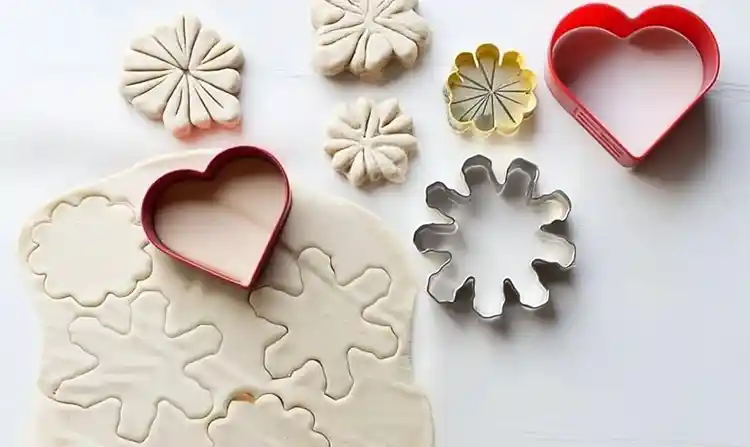
Press cookie cutters firmly into the rolled dough, cutting all shapes before removing any. Leave shapes on the bottom parchment sheet—they’re delicate at this stage. As Thomas Keller emphasizes, gentle handling during early stages prevents warping and ensures clean edges.
Peel away the excess dough between shapes. Ball it up and set aside for re-rolling. You’ll get two or three re-rolls before the dough becomes overworked and tough.
Step 6: Create Hanging Holes
Use a drinking straw or toothpick to punch a hole near the top of each ornament. Make holes at least ¼ inch from the edge to prevent tearing when hung. Remember these holes shrink slightly during baking.
Transfer the entire parchment sheet with ornaments to your baking sheet. No need to move individual pieces and risk distortion. This trick saves time and maintains perfect shapes.
Step 7: The Long, Slow Bake
Slide the baking sheet into your preheated 200°F oven. Set a timer for one hour as your starting checkpoint. Salt dough ornaments require patience—rushing with higher heat causes surface hardening while centers stay soft.
Check ornaments at the one-hour mark. They should feel dry on top but may still have soft spots underneath. Flip them over carefully and continue baking. Total time ranges from 90 minutes to two full hours depending on thickness and humidity.
They’re done when completely hard with no give when pressed. Let me tell you, underbaked ornaments seem fine initially but develop soft spots within weeks. Always err on the side of extra baking time.
Step 8: Cool and Decorate
Remove ornaments from the oven and let cool completely on the baking sheet. This takes about 30 minutes. Warm ornaments are brittle and crack easily when handled.
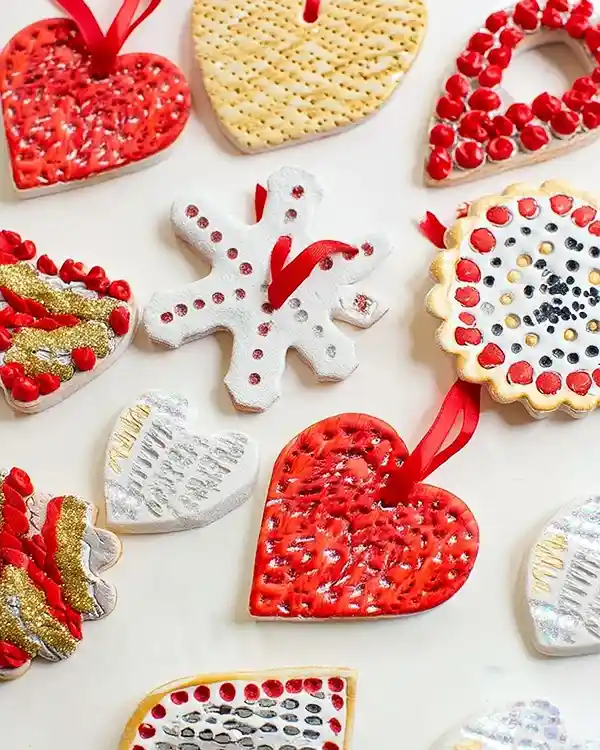
Once cooled, decorate with acrylic paint, glitter, markers, or leave them natural. I love painting traditional holiday designs in classic red and green. Younger kids enjoy covering everything in glitter (embrace the mess).
Step 9: Seal for Longevity
Spray finished ornaments with clear polyurethane in a well-ventilated area. This protective coating prevents moisture absorption and extends life indefinitely. The ornament I made 30 years ago? Sealed properly and still perfect.
Hold the spray can 8-10 inches away and apply one light coat. Heavy application causes drips and cloudy spots. Let dry for two hours before adding a second coat if desired.
Thread ribbon, twine, or ornament hangers through the holes. Hang on your tree, gift to loved ones, or store carefully for next year’s display.
Expert Tips for Picture-Perfect Ornaments
Work in batches if making large quantities. Fresh dough handles better than dough that’s been waiting for an hour. I typically work with half while the other half stays wrapped.
Room temperature affects dough consistency dramatically. On humid days, reduce water by 1-2 tablespoons. Dry winter air may require an extra tablespoon of water for proper binding.
Stamp textures into dough before baking for added visual interest. Lace, burlap, or textured rolling pins create beautiful patterns. Press gently to avoid going through the dough completely.
Troubleshooting Common Issues
Cracking edges: Your dough is too dry. Knead in water one teaspoon at a time until smooth. Already cut your shapes? Lightly mist with water and gently press cracks together.
Bubbling during baking: Oven temperature is too high. Verify accuracy with an oven thermometer—many home ovens run 25°F hotter than displayed. Bubbled ornaments are fragile but still usable if you want rustic charm.
Soft centers after baking: Return to the oven for another 30-60 minutes. Check by pressing the thickest part with your thumbnail. Zero give means they’re properly baked through.
Creative Variations for Every Occasion
Valentine’s Day Hearts: Cut heart shapes and paint in reds and pinks. Add personalized names with paint pens for meaningful gift alternatives to candy.
Thanksgiving Gratitude Tags: Form small rectangles and use alphabet stamps before baking. Write what you’re grateful for and use as place card holders at dinner.
Birthday Gift Toppers: Create small circles or tags with the recipient’s age or initials. These replace disposable gift tags and become keepsakes for special celebration treats you’ve prepared.
Storage and Make-Ahead Magic
Store undecorated, sealed ornaments in airtight containers for up to five years. Layer them with tissue paper to prevent scratching. Decorated ornaments last just as long if sealed properly with polyurethane.
Make dough up to two days ahead and refrigerate in plastic wrap. Let it return to room temperature for 30 minutes before rolling. Cold dough cracks and resists even thickness.
Freeze unbaked, cut shapes on parchment-lined sheets until solid. Transfer frozen shapes to freezer bags for up to three months. Bake directly from frozen, adding 15-20 minutes to baking time.
Storage Duration Guide
| Storage Method | Duration | Best For |
|---|---|---|
| Room temperature (sealed) | 5+ years | Finished ornaments |
| Refrigerated dough | 2 days | Advance prep |
| Frozen shapes (unbaked) | 3 months | Batch preparation |
| Freezer (baked, unsealed) | 1 year | Basic ornaments |
Perfect Pairings and Serving Suggestions
These ornaments shine brightest during family craft nights paired with hot cocoa and classic holiday cookies. Set up a decorating station with multiple paint colors, brushes, and glitter for everyone to explore creativity.
Package finished ornaments in cellophane bags tied with ribbon for teacher gifts or party favors. Include a small card explaining they’re handmade salt dough—recipients treasure this personal touch.
Create an annual ornament-making tradition on Thanksgiving weekend. Each family member makes one ornament yearly, building a collection that documents your family’s growth and changes.
Salt Dough Ornaments FAQs
What is needed for salt dough ornaments?
What is needed for salt dough ornaments includes just three pantry staples. You need all-purpose flour, table salt, and warm water in a 4:1:1.5 ratio by volume. Basic tools include mixing bowl, rolling pin, cookie cutters, and parchment paper for easy handling and baking.
How long will salt dough ornaments last?
How long will salt dough ornaments last depends entirely on sealing and storage. Properly sealed ornaments with polyurethane spray last decades when stored in dry conditions. I still have ornaments from 30 years ago that look nearly new—the key is protecting them from moisture and rough handling.
Is it better to bake or air-dry salt dough ornaments?
Is it better to bake or air-dry salt dough ornaments comes down to timing and climate. Baking at 200°F for 1-2 hours guarantees complete drying regardless of weather. Air-drying takes 2-5 days and works only in dry climates—humid conditions prevent proper hardening and cause eventual mold growth.
How do you make salt dough for beads?
How do you make salt dough for beads uses the same basic recipe with rolling modifications. Create ⅛-inch thick ropes instead of flat shapes, then cut into ½-inch segments. Pierce each bead through the center with a toothpick or skewer before baking, rotating several times during baking to prevent the hole from closing.
Create Your Holiday Legacy
These 3-ingredient salt dough ornaments prove meaningful traditions don’t require complicated recipes or expensive supplies. Every ornament you make becomes a tangible memory, a piece of this December that’ll hang on trees for generations. Isn’t that exactly what the holidays should feel like?
Gather your family this weekend and transform flour, salt, and water into something magical. Your kids won’t remember the perfect store-bought decorations—they’ll remember sticky fingers, glitter explosions, and the afternoon you spent creating together.
What shapes will you cut first? Share your ornament creations in the comments below—I love seeing how everyone makes this recipe their own. Don’t forget to explore our collection of festive dessert recipes for complete holiday celebration planning.