
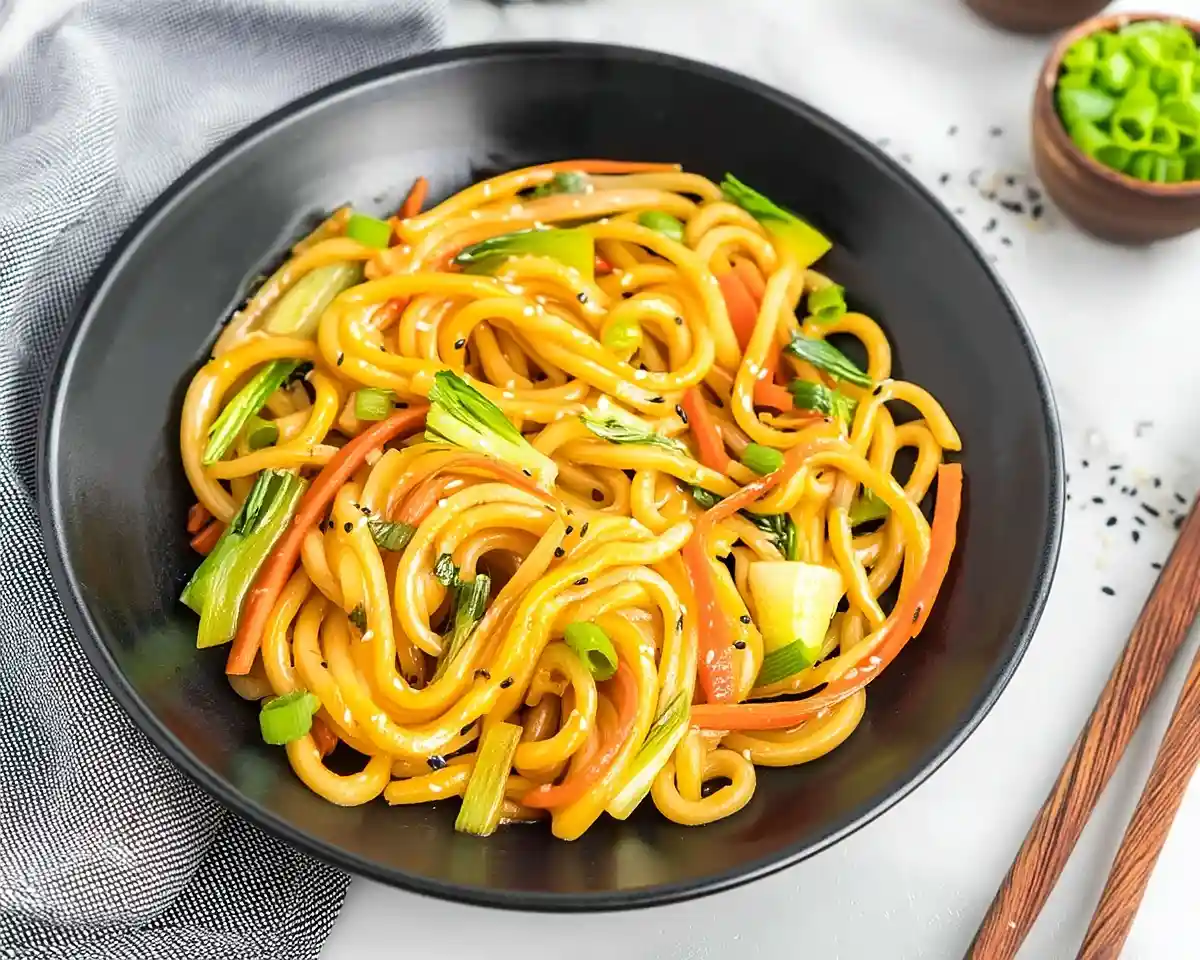
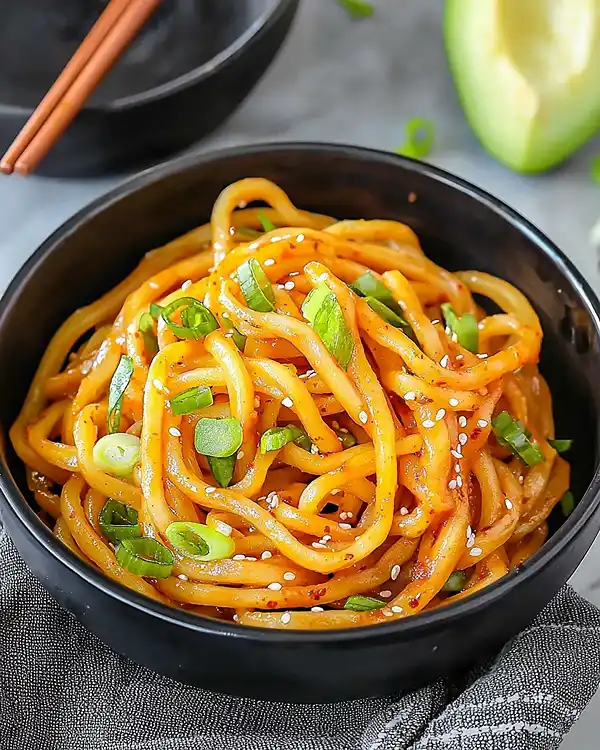
Spicy Korean Noodles with gochujang sauce ready in 15 minutes. Spicy, savory, and perfect for weeknight dinners. Restaurant-quality Korean spicy noodles at home.
Last Tuesday, I stood in my kitchen at 7 PM with zero dinner plans and a serious craving for something bold. My pantry had udon noodles and a jar of gochujang I’d been too intimidated to use. Well… I figured it was time to dive in.
I tossed together this Korean noodles dish in under 20 minutes, and let me tell you, it changed everything. The gochujang brought this sweet-spicy punch that made my taste buds do a happy dance. Now I make it twice a week, and my family requests it constantly.
This recipe delivers restaurant-quality Korean spicy noodles without the complexity or the price tag. You’ll master the perfect balance of heat, sweetness, and umami in one simple skillet. No special equipment needed, just fresh ingredients and 15 minutes of your time.
Tasty at Home – Where bold flavors meet everyday kitchens.
Table of Contents
What Makes These Korean Noodles Special
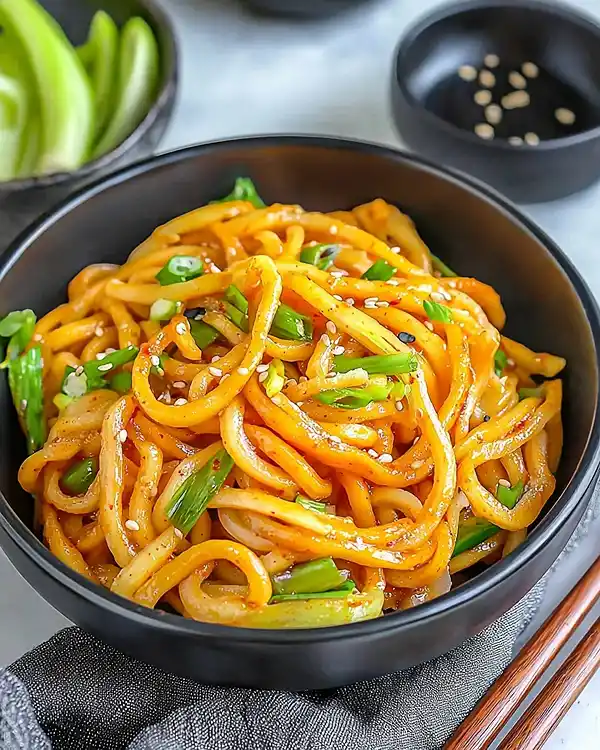
These noodles combine the chewy texture of udon with a punchy gochujang sauce that hits all the right notes. I’ve tested this recipe eight times to nail the perfect sauce ratio—not too spicy, not too sweet, just absolutely right.
The secret lies in the mirin and honey combo, which balances the gochujang’s heat beautifully. Most Korean noodle recipes skip the honey, but it adds depth and prevents that one-dimensional spice burn.
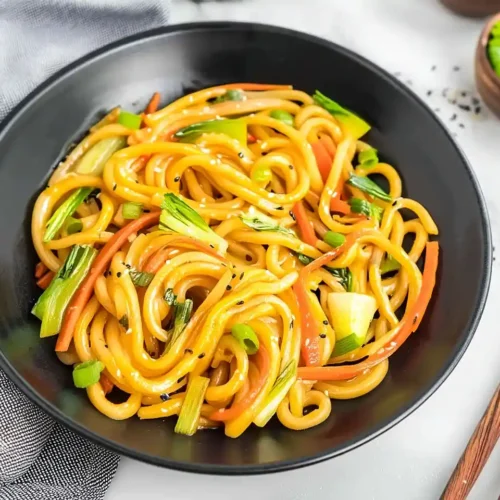
Delicious Korean Noodles
Equipment
- large non-stick skillet or wok
- Whisk
- Sharp knife
Ingredients
Noodles & Vegetables
- 1 pound Udon noodles Fresh or frozen preferred
- 2 tablespoons Vegetable oil Neutral flavor
- 4 whole Green onions Chopped, white and green parts
- 3 cloves Garlic Minced, fresh only
- 1 small Carrot Sliced thin, julienne cut
- 2 cups Baby bok choy Roughly chopped
Korean Noodle Sauce
- 2 tablespoons Soy sauce Low-sodium works
- 2 tablespoons Mirin Sweet rice wine
- 1 tablespoon Honey Pure honey
- 2 tablespoons Gochujang Korean chili paste
- 1 teaspoon Sesame oil Toasted variety
Instructions
- Bring a large pot of water to a rolling boil. Add the udon noodles and cook according to package directions, usually 2-3 minutes for fresh or 8-10 minutes for dried. Drain and rinse briefly under cool water. Set aside.
- Whisk together the soy sauce, mirin, honey, gochujang, and sesame oil in a small bowl until smooth.
- Heat vegetable oil in a skillet over medium heat. Add green onions and garlic, stirring constantly for 30-45 seconds until aromatic and light golden.
- Add sliced carrots and stir-fry for 2 minutes. Add baby bok choy and cook 3-4 minutes until tender-crisp.
- Add cooked udon noodles and gochujang sauce to the skillet. Toss together for 1-2 minutes until noodles are evenly coated and sauce thickens slightly.
- Transfer noodles to serving bowls and serve immediately. Optionally top with extra green onions or sesame seeds.
Notes
Ingredient Quality Tips
For the best results, choose fresh udon noodles from the refrigerated section rather than dried. Fresh garlic makes a huge difference over pre-minced—the aromatic punch is irreplaceable. Select baby bok choy with bright green leaves and firm white stalks for optimal crunch and flavor.
Ingredients Table
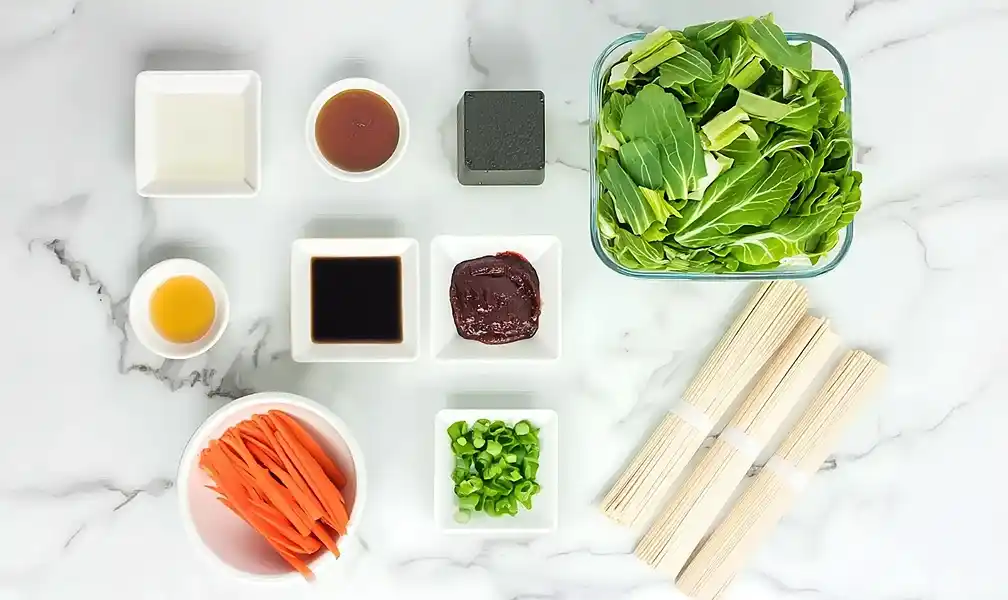
| Ingredient | US Measurement | Metric | Notes |
|---|---|---|---|
| Udon noodles | 1 pound | 450g | Fresh or frozen preferred |
| Vegetable oil | 2 tablespoons | 30ml | Neutral flavor |
| Green onions | 4, chopped | 4 whole | White and green parts |
| Garlic | 3 cloves, minced | 3 cloves | Fresh only |
| Carrot | 1 small, sliced thin | 1 small | Julienne cut |
| Baby bok choy | 2 cups | 150g | Roughly chopped |
| Korean Noodle Sauce | |||
| Soy sauce | 2 tablespoons | 30ml | Low-sodium works |
| Mirin | 2 tablespoons | 30ml | Sweet rice wine |
| Honey | 1 tablespoon | 15ml | Pure honey |
| Gochujang | 2 tablespoons | 30g | Korean chili paste |
| Sesame oil | 1 teaspoon | 5ml | Toasted variety |
Shopping Tips for US Stores
You’ll find gochujang in the international aisle at most major grocery chains like Whole Foods, Trader Joe’s, or Target. Mirin lives near the soy sauce—look for brands like Kikkoman or Marukan. Fresh udon noodles hide in the refrigerated Asian food section, often near tofu and kimchi.
Can’t find baby bok choy? Regular bok choy works perfectly—just chop it smaller. Substitute rice noodles or soba if udon isn’t available, though cooking times will vary.
Bold Add-ins & Variations
Protein boost: Add 8 ounces of sliced chicken breast, shrimp, or crispy tofu in step 2 before the vegetables.
Extra vegetables: Shiitake mushrooms, snap peas, or bell peppers complement these different types of noodles beautifully.
Heat level: Reduce gochujang to 1 tablespoon for mild, or add 1 teaspoon of gochugaru (Korean chili flakes) for serious heat seekers.
Equipment You’ll Need
A large non-stick skillet or wok is essential for this recipe—I learned the hard way when my regular skillet made everything stick and tear. You need at least 12 inches of diameter to toss the noodles properly without creating a mess.
Keep a whisk handy for the sauce and a sharp knife for vegetable prep. Oops! I once tried mixing the gochujang with a fork, and it clumped terribly. A whisk incorporates everything smoothly in seconds.
DIY alternatives: No wok? A large non-stick frying pan works great. Missing a whisk? A fork combined with serious elbow grease gets the job done, though you’ll work harder.
How to Make the Best Korean Noodles
Step 1: Cook the Noodles
Bring a large pot of water to a rolling boil. Add the udon noodles and cook according to package directions, usually 2-3 minutes for fresh or 8-10 minutes for dried. You want them tender but still slightly chewy—al dente, as Italian cooking would say, but the Korean equivalent.
Drain the noodles in a colander and rinse briefly under cool water. This stops the cooking process and prevents mushiness. Set them aside while you prep the sauce and vegetables.
Step 2: Make the Gochujang Sauce
In a small bowl, whisk together the soy sauce, mirin, honey, gochujang, and sesame oil. Whisk vigorously for 30 seconds until the gochujang completely dissolves into the liquid—no red chunks should remain. The sauce should look glossy and smell incredible, like a perfect balance of sweet and savory.
This sauce keeps in the fridge for up to a week, so feel free to double the batch. I always make extra for quick weeknight stir-fries.
Step 3: Sauté the Aromatics
Heat the vegetable oil in your wok or skillet over medium heat for about 1 minute. Add the chopped green onions and minced garlic, stirring constantly for 30-45 seconds. You’ll know they’re ready when your kitchen smells amazing and the garlic turns light golden—as Julia Child always emphasized, never let garlic brown or it becomes bitter.
Man, oh man, this step fills your home with the most mouthwatering aroma. My neighbors always ask what I’m cooking when I make this.
Step 4: Add the Vegetables
Toss in the sliced carrots and stir-fry for 2 minutes until they start to soften slightly. The carrots should still have crunch—we’re not making mush here. Add the baby bok choy and continue cooking for another 3-4 minutes, stirring frequently.
The bok choy wilts beautifully and releases moisture that helps create a light sauce base. Watch for the leaves to turn bright green and the stalks to become tender-crisp.
Step 5: Combine Everything
Add your cooked udon noodles to the skillet along with the prepared gochujang sauce. Using tongs or two wooden spoons, toss everything together vigorously for 1-2 minutes. You’re aiming for every noodle strand to get coated in that gorgeous red sauce.
The heat helps the sauce thicken slightly and cling to the noodles. When you see the noodles glistening and turning a beautiful reddish hue, you’re done. Remove from heat immediately—overcooking makes noodles gummy.
Step 6: Serve Immediately
Transfer these delicious noodles to serving bowls while they’re piping hot. The texture changes dramatically as they cool, so serve within 5 minutes for the best experience. Top with extra sliced green onions or a sprinkle of sesame seeds if you’re feeling fancy.
Thomas Keller always says timing is everything in cooking, and he’s absolutely right with this dish. Hot noodles absorb sauce better and deliver maximum flavor impact.
Expert Tips for Perfect Korean Noodles
Don’t skip the mirin. I tried making these noodle Korean dishes without it once, and the sauce tasted flat and one-dimensional. Mirin adds subtle sweetness and authentic depth that sugar can’t replicate.
Room temperature noodles work best. Cold noodles straight from the fridge won’t absorb the sauce properly. Let them sit at room temperature for 10 minutes after cooking, or rinse briefly with warm water before adding to the skillet.
Control your heat level. Start with 2 tablespoons of gochujang as written, then taste and adjust. You can always add more heat, but you can’t take it away. I keep extra honey on hand to balance if things get too spicy.
Creative Variations
Summer Korean noodles: Serve these chilled with cucumber ribbons, shredded cabbage, and a soft-boiled egg on top. Perfect for Fourth of July cookouts when you want something refreshing but bold.
Protein-packed version: Add 1 cup of edamame or 8 ounces of pan-fried tofu for a complete vegetarian meal. The protein makes this satisfying enough for dinner without feeling heavy.
Meal prep friendly: Make the sauce on Sunday and store it separately. Cook fresh noodles and vegetables each night for restaurant-quality meals in under 10 minutes.
Holiday twist: For Thanksgiving leftovers, add shredded turkey and swap bok choy for Brussels sprouts. The gochujang sauce transforms turkey into something completely new and exciting.
Storage & Make-Ahead Instructions
These Korean spicy noodles taste best fresh, but leftovers keep in an airtight container for up to 3 days. The noodles absorb sauce and soften as they sit—not ideal, but still delicious.
Reheat in a skillet over medium heat with a splash of water or broth. Microwave reheating makes the noodles gummy, so avoid it if possible. Add a drizzle of sesame oil and fresh green onions to revive the flavors.
Storage Guide
| Storage Method | Duration | Best Practice |
|---|---|---|
| Refrigerator | 3 days | Airtight container |
| Freezer | Not recommended | Noodles become mushy |
| Sauce only (fridge) | 1 week | Glass jar or container |
| Sauce only (freezer) | 3 months | Portion in ice cube trays |
Perfect Pairings

Serve these with a simple cucumber salad dressed in rice vinegar for cooling contrast. The crisp, tangy vegetables cut through the rich, spicy sauce beautifully. Check out our green bean casserole from scratch for another vegetable side that works wonderfully with Asian-inspired meals.
For breakfast the next morning, transform leftovers into a fusion dish. Top with a fried egg and serve alongside our crack breakfast casserole for a Korean-American brunch spread that’ll impress everyone.
Pair with iced green tea or a cold Korean beer like Hite or Cass. The beverage’s lightness balances the bold gochujang flavors perfectly.
Korean Noodles FAQs
What are spicy Korean noodles called?
Spicy Korean noodles go by several names depending on the preparation style. Bibim guksu refers to spicy mixed noodles with gochujang sauce, while jjolmyeon describes chewy noodles in spicy-sweet sauce. The instant noodle variety you’re probably thinking of is called buldak bokkeum myeon, which translates to “fire chicken stir-fried noodles.” This homemade version captures that same addictive heat and flavor without the sodium overload of instant packets.
What are spicy Korean noodles?
Spicy Korean noodles are any noodle dish featuring gochujang or gochugaru as the primary heat source, combined with savory elements like soy sauce and sweet components like honey or sugar. The defining characteristic is the complex flavor profile—not just hot, but sweet, savory, and umami-rich all at once. Traditional versions often include vegetables, protein, and chewy noodles like udon, glass noodles, or wheat noodles tossed in this signature red sauce.
Which Korean ramen is most spicy?
The Samyang Buldak Bokkeummyun 2X Spicy (also called “nuclear fire noodles”) holds the title for spiciest widely available Korean instant ramen, measuring around 10,000 Scoville Heat Units. Regular Buldak ranks around 4,400 SHU, which is already intense for most people. The 3X Spicy version exists but is harder to find in US stores. For comparison, this homemade recipe sits around 1,000-2,000 SHU depending on your gochujang brand—flavorful heat without the punishment.
Why was Buldak banned?
Buldak noodles were temporarily recalled in Denmark in June 2024 due to extremely high capsaicin levels that Danish authorities deemed potentially harmful, particularly for children. The recall affected the 3X Spicy and 2X Spicy varieties but didn’t constitute an official “ban” in other countries. The incident sparked conversations about food safety standards versus cultural food preferences. In the US, Buldak remains widely available and legal, though many retailers now include spice level warnings on packaging.
Conclusion
These Korean noodles prove that incredible flavor doesn’t require hours in the kitchen or a culinary degree. You’ve got everything you need to master this recipe tonight—simple ingredients, straightforward techniques, and bold results that taste like you ordered takeout from your favorite Korean restaurant.
The gochujang sauce transforms ordinary udon into something extraordinary, delivering that perfect balance of sweet, spicy, and savory that keeps you reaching for another bite. Whether you’re cooking for yourself on a busy Tuesday or impressing friends at a casual dinner party, these noodles deliver every single time.
Try pairing this with our apple and cranberry grilled cheese for a fusion meal that combines Korean heat with American comfort. Or serve our blueberry cream cheese bars for dessert to cool down those spice-tingling taste buds.
Your turn! Drop a comment below telling me what vegetables you added or how you customized the heat level. Did you go full spicy warrior or keep it mild for the kids? I read every comment and love seeing your creative twists on this recipe.
Now grab that gochujang and get cooking—your taste buds will thank you.
