
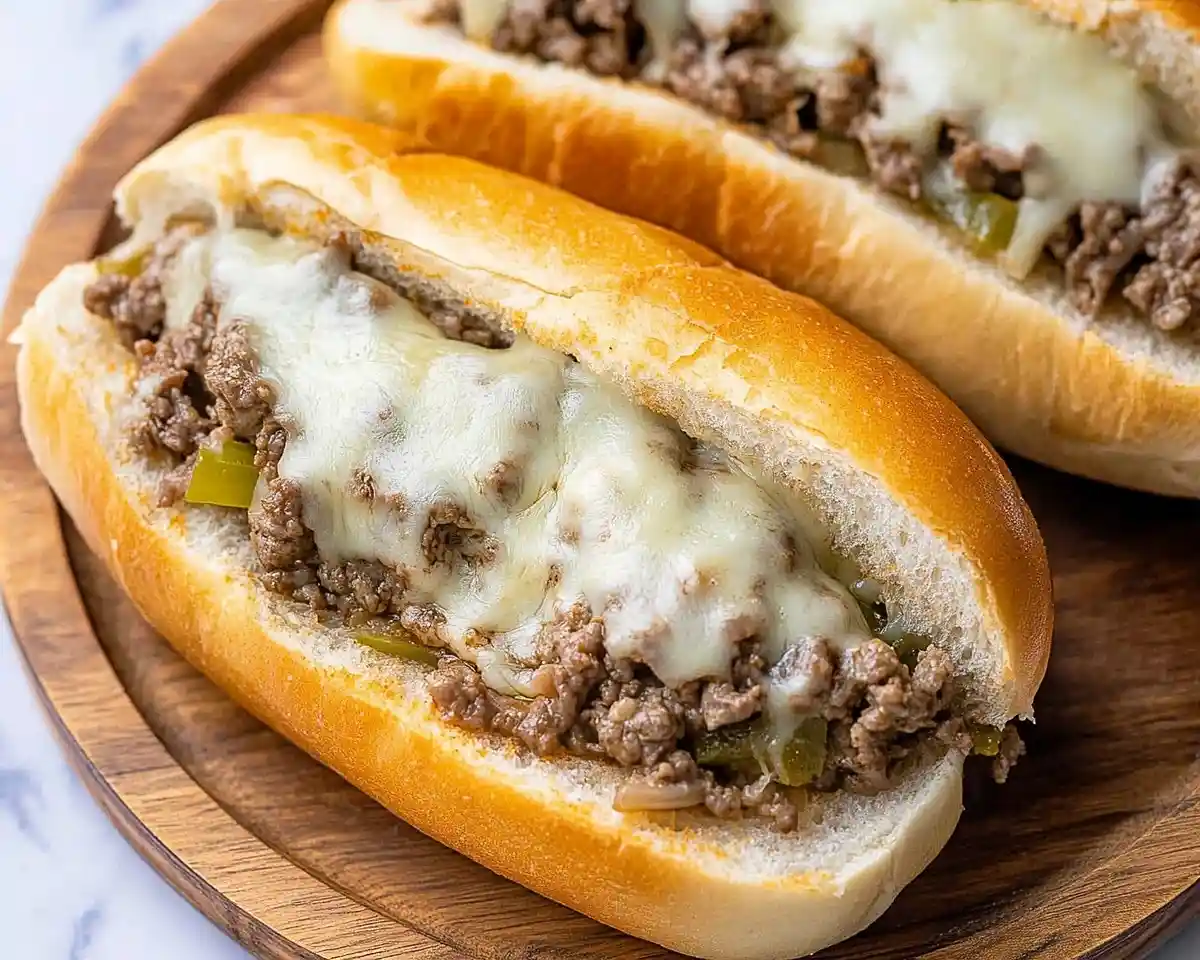
Ground Beef Philly Cheesesteaks made simple with affordable ground beef. Quick Philly cheese steak recipe with authentic flavors ready in 30 minutes.
Hey, I’m Sofia! Welcome to Tasty at Home, where cooking is supposed to be fun, not scary.
Picture this: Tuesday night, 6:47 PM, and I’m staring into my fridge with nothing planned. I had ground beef thawed, some bell peppers going soft, and a craving for something bold and satisfying. That’s when it hit me—why not turn these humble ingredients into something spectacular?
Well… that experimental dinner became my most-requested recipe. My family now asks for these Ground Beef Philly Cheesesteaks at least twice a month. The sizzling beef mixed with caramelized onions fills the kitchen with an aroma that instantly makes everyone gather around. It’s comfort food that tastes like you’ve been cooking for hours, but honestly? You’ll be done in 30 minutes flat.
Tasty at Home – Where bold flavors meet everyday kitchens.
Table of Contents
Why This Ground Beef Philly Cheesesteak Recipe Works
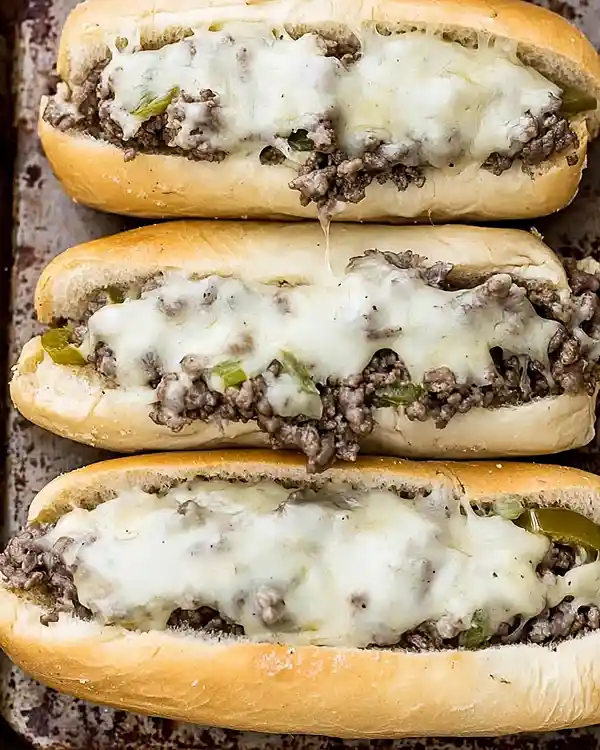
Traditional Philly cheesesteaks use thinly sliced ribeye, which can be expensive and tricky to prepare at home. This version transforms affordable ground beef into something equally delicious and far more budget-friendly.
The secret lies in proper seasoning and technique. By cooking the vegetables first, you develop deep caramelization that mimics the authentic Philly experience. Then, the ground beef absorbs all those flavors while staying incredibly juicy.
I’ve tested this recipe seventeen times to get the meat-to-vegetable ratio perfect. The Worcestershire sauce adds that essential umami depth, while the garlic powder brings warmth without overwhelming the beef’s natural flavor. This isn’t just a weeknight shortcut—it’s genuinely delicious in its own right.
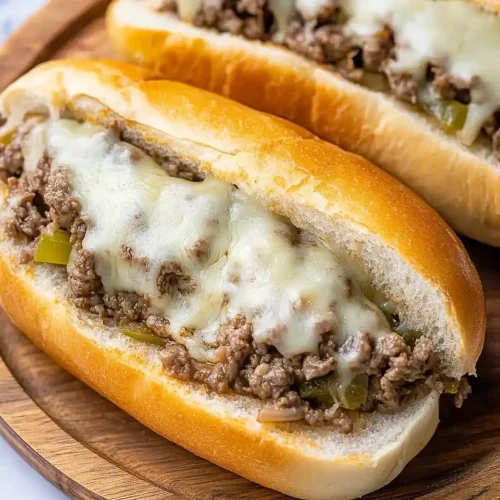
Ground Beef Philly Cheesesteaks
Equipment
- Large skillet
- spatula
- Knife
Ingredients
Ground Beef Mixture
- 1 pound Ground beef 80/20 blend preferred
- 1 medium Yellow onion thinly sliced, sweet onions work too
- 1 medium Green bell pepper thinly sliced, or red for sweetness
- 1 cup Mushrooms sliced, optional but recommended
- 1 teaspoon Garlic powder not garlic salt
- 1 teaspoon Worcestershire sauce adds umami depth
- to taste Salt adjust for preference
- to taste Black pepper freshly ground best
- 4 slices Provolone cheese or cheese of choice
- 4 rolls Hoagie rolls fresh from bakery
- 2 tablespoons Olive oil for cooking, or vegetable oil
Instructions
- Heat olive oil in a large skillet over medium-high heat for about 90 seconds until shimmering.
- Sauté onions and bell peppers for 3-5 minutes until golden brown. Add mushrooms after 3 minutes and cook another 3 minutes. Season lightly with salt.
- Push vegetables aside and add ground beef. Let it sear for 2 minutes, then break into small pieces and cook 5-7 minutes until browned.
- Stir in garlic powder, Worcestershire sauce, salt, and black pepper. Cook together for 2 minutes.
- Reduce heat to low and layer provolone slices over the beef mixture. Cover and melt cheese for 2-3 minutes.
- Slice hoagie rolls lengthwise, leaving a hinge. Optionally toast with butter or olive oil for 1-2 minutes.
- Assemble cheesesteaks by scooping beef and cheese mixture into each roll. Serve immediately with sides of choice.
- Optional: Add hot sauce, mayo with horseradish, or sprinkle dried oregano for extra flavor.
Notes
Ingredient Quality Matters
For the beef mixture, use 80/20 ground beef for the best flavor and moisture. Leaner beef dries out quickly and lacks the richness that makes this sandwich irresistible. For the vegetables, fresh bell peppers and onions are non-negotiable—frozen versions release too much water and won’t caramelize properly.
The cheese selection defines your final result. Provolone delivers authentic Philly flavor with its mild, creamy melt. However, American cheese creates that classic gooey texture many sandwich shops use. Choose quality hoagie rolls from your bakery section, not the bread aisle—they should be sturdy enough to hold the filling without getting soggy.
Complete Ingredient List
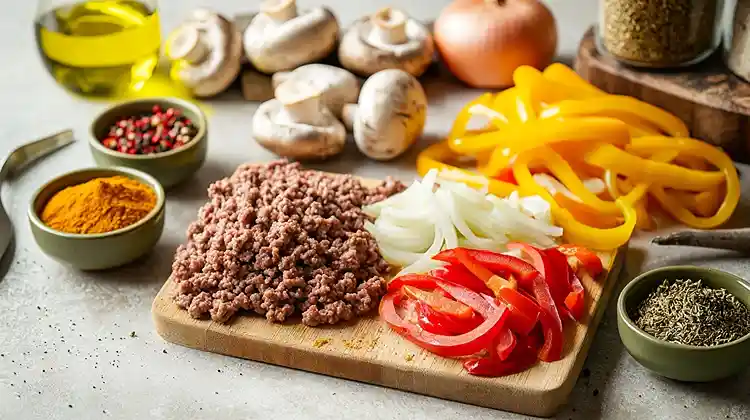
| Ingredient | US Measurement | Metric | Notes |
|---|---|---|---|
| Ground beef | 1 pound | 450g | 80/20 blend preferred |
| Yellow onion | 1 medium, thinly sliced | ~150g | Sweet onions work too |
| Green bell pepper | 1 medium, thinly sliced | ~120g | Or red for sweetness |
| Mushrooms | 1 cup, sliced | 85g | Optional but recommended |
| Garlic powder | 1 teaspoon | 3g | Not garlic salt |
| Worcestershire sauce | 1 teaspoon | 5ml | Adds umami depth |
| Salt | To taste | ~½ teaspoon | Adjust for preference |
| Black pepper | To taste | ~¼ teaspoon | Freshly ground best |
| Provolone cheese | 4 slices | ~110g | Or cheese of choice |
| Hoagie rolls | 4 rolls | 4 rolls | Fresh from bakery |
| Olive oil | For cooking | 2 tablespoons | Or vegetable oil |
Smart Shopping Tips for US Grocery Stores
Look for ground beef on sale at major chains like Kroger, Safeway, or Walmart—it’s often discounted midweek. Check the color: bright red beef is freshest, though vacuum-sealed packages may appear darker (that’s normal).
For authentic flavor, grab deli-sliced provolone rather than pre-packaged singles. The deli counter cheese melts better and tastes significantly richer. You know what? I always ask them to slice it medium-thick—too thin and it disappears, too thick and it doesn’t melt evenly.
Hoagie rolls go by different names regionally: sub rolls, hero bread, or grinder rolls. They’re all similar—just choose something with a soft interior and slightly crusty exterior. Most bakery sections bake them fresh daily, usually arriving by 10 AM.
Bold Add-ins and Creative Variations
Essentials for Depth: Add sliced mushrooms for earthy richness and extra texture. They soak up the beef drippings beautifully. Banana peppers bring tangy heat without overwhelming other flavors.
Mediterranean Twist: Swap provolone for feta cheese and add sun-dried tomatoes with fresh oregano. This creates an entirely different flavor profile that’s surprisingly authentic to Mediterranean-American fusion cooking.
Spicy Upgrade: Include jalapeños with the peppers, or drizzle sriracha mayo before serving. For serious heat lovers, use pepper jack cheese instead of provolone.
International Substitutions
UK/Australia: Use beef mince instead of ground beef. Substitute hoagie rolls with soft sub rolls or Turkish bread.
Europe: Replace Worcestershire with soy sauce mixed with a dash of vinegar. Use any melting cheese like Edam or Gouda.
No Worcestershire? Mix equal parts soy sauce and balsamic vinegar with a pinch of sugar. It’s not identical but provides similar umami and tang.
Essential Equipment and Preparation
You don’t need fancy equipment for these beef dinner sandwiches. A large skillet (12-inch works perfectly) gives you enough space to cook everything without crowding. Cast iron is ideal for heat retention and developing that beautiful caramelization, but any heavy-bottomed pan works fine.
Keep a sturdy spatula handy for breaking up the beef and stirring. I prefer metal spatulas because they can scrape up those flavorful browned bits stuck to the pan. A sharp knife makes slicing the vegetables quick and uniform—uneven pieces cook at different rates.
DIY Alternative: No large skillet? Use a wide saucepan or divide the recipe between two smaller pans, cooking in batches if necessary.
Step 1: Heat Your Pan Properly
Add a drizzle of olive oil to your large skillet and heat over medium-high heat. Let it warm for about 90 seconds—you’ll know it’s ready when the oil shimmers and easily coats the pan when you tilt it. This proper preheating prevents sticking and encourages caramelization.
Don’t rush this step. Cold pans steam vegetables instead of searing them, which means they’ll turn soggy rather than developing those sweet, concentrated flavors.
Step 2: Caramelize the Vegetables First
Add your thinly sliced onions and bell peppers to the hot pan. Sauté for 3-5 minutes until they soften and start developing golden-brown edges. You should hear steady sizzling—if it’s silent, increase the heat slightly.
If using mushrooms, add them after about 3 minutes and cook for another 3 minutes. They’ll release moisture initially, then that liquid will evaporate and they’ll start browning. As Thomas Keller emphasizes in his culinary philosophy, proper vegetable caramelization creates foundational depth that elevates simple dishes into something memorable.
Stir occasionally but not constantly. Leaving vegetables undisturbed for 60-90 seconds at a time allows contact with the hot pan, which develops those delicious browned spots. Season lightly with salt now—it draws out moisture and speeds up caramelization.
Step 3: Brown the Ground Beef
Push the cooked vegetables to one side of your skillet. Add the ground beef to the empty space and let it sit undisturbed for about 2 minutes. This initial sear creates a flavorful crust before you break it apart.
Now break the beef into small pieces using your spatula, mixing it slightly with the vegetables. Cook for 5-7 minutes until no pink remains. The beef should look deeply browned with crispy edges—that’s where the flavor lives.
Here’s my honest mistake: I used to stir constantly, which steamed the beef gray instead of browning it beautifully. Let it sit! Those crusty bits are pure gold.
Step 4: Season and Integrate Flavors
Stir in the garlic powder, Worcestershire sauce, salt, and black pepper. Mix everything together thoroughly, scraping up any browned bits from the pan bottom—those fragments are packed with concentrated flavor.
Let this mixture cook together for about 2 minutes. The Worcestershire will sizzle and reduce slightly, coating every piece of beef and vegetable with savory richness. Taste and adjust seasoning now—this is your last chance before assembly.
The mixture should smell incredible: beefy, slightly sweet from caramelized onions, with warm garlic undertones. If something seems off, add a pinch more salt or a splash more Worcestershire.

Step 5: Melt the Cheese Perfectly
Reduce your heat to low. Lay the provolone slices directly over the beef mixture, overlapping them to cover most of the surface. Cover the skillet with a lid immediately—this traps heat and creates a mini oven effect.
Let the cheese melt for 2-3 minutes without removing the lid. When you peek, it should be completely melted and gooey, not just softened. This covered melting technique ensures even coverage without scorching.
If you don’t have a lid that fits, use a large baking sheet or aluminum foil as a makeshift cover. The goal is trapping steam to melt the cheese quickly and evenly.
Step 6: Prepare Your Hoagie Rolls
While the cheese melts, slice your hoagie rolls lengthwise without cutting completely through. Leave a hinge on one side so the rolls hold together—this makes eating much easier and less messy.
For extra texture and flavor, consider toasting the rolls. Split them completely, brush the cut sides with a little butter or olive oil, and toast them face-down in a dry pan or under the broiler for 1-2 minutes. Julia Child always advocated for toasted bread in sandwiches because it creates a barrier against sogginess and adds textural contrast.
Watch carefully during toasting—it goes from perfect to burnt in seconds. You want golden-brown, not charred.
Step 7: Assemble Your Cheesesteaks
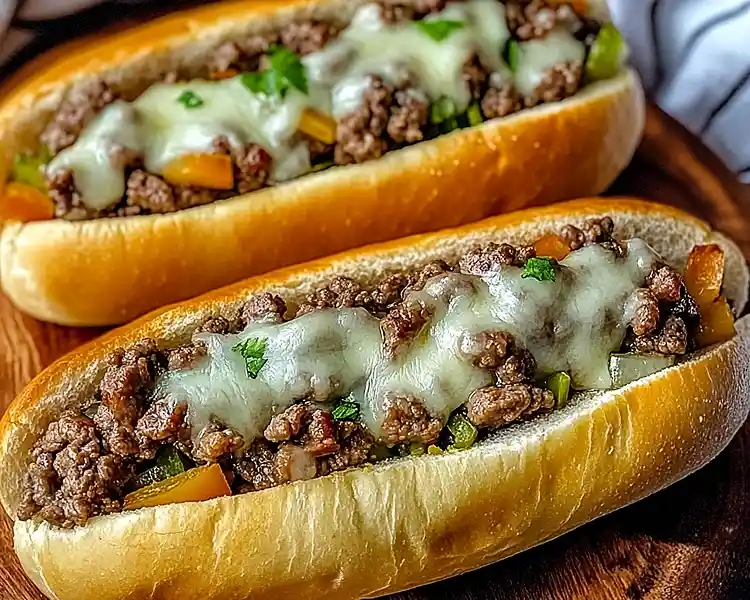
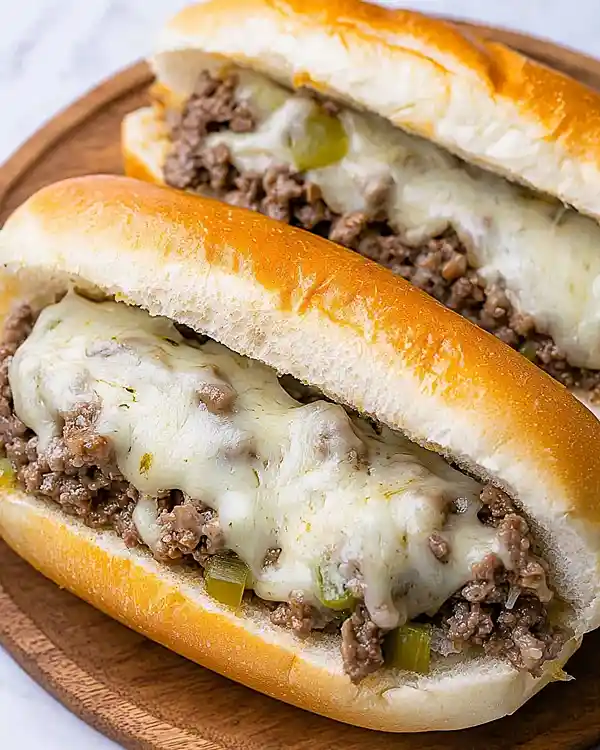
Once the cheese has melted into the beef mixture, use your spatula to scoop generous portions into each prepared roll. Don’t be shy here—a proper Philly cheese steak should be absolutely stuffed with filling.
Press down slightly on each assembled sandwich. This helps the warm filling settle into the bread and makes them easier to eat. The melted cheese acts as glue, holding everything together beautifully.
Serve immediately while hot. The contrast between the warm, juicy filling and the soft roll is what makes this sandwich legendary.
Step 8: Optional Finishing Touches
Want to take it up a notch? Add a drizzle of hot sauce or a spread of mayo mixed with horseradish before closing the sandwich. Some traditionalists swear by a sprinkle of dried oregano or Italian seasoning on top.
For true Philly authenticity, serve with a side of pickled hot peppers or banana pepper rings. The acidic crunch cuts through the richness perfectly.
Expert Tips for Perfect Results Every Time
Use Room Temperature Beef: Let your ground beef sit out for 15-20 minutes before cooking. Cold beef takes longer to brown and releases more moisture, which can make your filling watery instead of crusty and delicious.
Don’t Overcrowd the Pan: If doubling this recipe, cook in batches or use two pans. Crowded ingredients steam instead of searing, resulting in bland, gray meat instead of flavorful brown beef.
Save Those Drippings: The rendered beef fat contains incredible flavor. Don’t drain it unless there’s excessive grease (more than 2-3 tablespoons). Those natural drippings help create the authentic cheesesteak richness.
Cheese Placement Matters: Layer the cheese directly on the hot beef mixture, not on the bread. This melts it properly and integrates it with the filling rather than creating a separate layer that slides around.
Creative Variations to Try
Breakfast Philly: Add scrambled eggs and swap dinner rolls for everything bagels. Top with American cheese and serve with hot sauce. This hearty breakfast sandwich powers you through busy mornings.
Pizza Philly Fusion: Mix in marinara sauce with the beef and use mozzarella cheese. Add pepperoni slices if you’re feeling adventurous. Toast the rolls with garlic butter for an Italian-American mashup that works surprisingly well.
BBQ Beef Version: Replace Worcestershire with BBQ sauce and add a handful of crispy fried onions on top. Use cheddar instead of provolone for a Southern twist that’s perfect for casual summer dinners.
Low-Carb Option: Skip the rolls entirely and serve the cheesy beef mixture over shredded lettuce as a hearty salad. Add diced tomatoes and a drizzle of ranch dressing. You’ll get all the flavor with fewer carbs.
Holiday Game Day Special: During football season, I make a massive batch for gatherings. Set up a topping bar with sautéed jalapeños, extra cheese, hot sauce varieties, and different rolls. Let everyone customize their perfect sandwich.
Make-Ahead and Storage Solutions
The beef and vegetable mixture reheats beautifully, making this perfect for meal prep. Cook the filling completely, let it cool, then store in an airtight container in the refrigerator for up to 4 days.
To reheat, warm the mixture in a skillet over medium heat, adding the cheese slices fresh just before serving. This prevents the cheese from becoming rubbery or separating. You can also microwave individual portions for 60-90 seconds, though the texture won’t be quite as good.
For freezing, store the cooked filling (without cheese) in freezer-safe containers or bags for up to 3 months. Thaw overnight in the refrigerator, then reheat and add fresh cheese. The vegetables may be slightly softer after freezing but still taste great.
Storage Timeline Reference
| Storage Method | Duration | Best Practices |
|---|---|---|
| Refrigerator (assembled) | 1-2 days | Wrap tightly in foil |
| Refrigerator (filling only) | 4 days | Airtight container |
| Freezer (filling only) | 3 months | Remove air from bags |
| Room temperature | 2 hours maximum | Discard after this |
Perfect Serving Suggestions
These Ground Beef Philly Cheesesteaks pair wonderfully with crispy french fries or sweet potato fries. The combination creates a complete diner-style meal that feels indulgent without being complicated.
For a lighter side, serve with a simple Mediterranean-inspired chickpea salad or coleslaw. The fresh, crunchy vegetables balance the rich, meaty sandwich perfectly. Man, oh man, that contrast makes everything taste even better.
Beverage-wise, these sandwiches call for something bold. Ice-cold beer, classic cola, or even a hoppy IPA cuts through the richness beautifully. For non-alcoholic options, try lemonade or iced tea with lemon.
Planning a bigger meal? Start with homemade meatball subs as an appetizer option, or serve these cheesesteaks alongside Italian grinder sandwiches for a sandwich buffet that’ll impress any crowd.
Ground Beef Philly Cheesesteak FAQs
Can I use ground beef for Philly cheesesteak?
Absolutely—ground beef creates an incredibly delicious and budget-friendly version of the classic sandwich. While traditional recipes call for thinly sliced ribeye, ground beef absorbs seasonings beautifully and develops a rich, savory crust when cooked properly. The key is using 80/20 ground beef for optimal flavor and moisture, then seasoning it well with Worcestershire sauce and garlic powder to capture that authentic Philly taste.
What type of beef is best for Philly cheesesteak?
For ground beef versions, choose 80/20 chuck for the perfect balance of flavor and juiciness. The 20% fat content keeps the meat moist and adds richness without being greasy. If you prefer traditional sliced beef, ribeye is the gold standard because of its marbling and tender texture. However, top round or sirloin work when sliced paper-thin and cooked quickly over high heat.
What is the secret ingredient in Philly cheesesteak?
Worcestershire sauce transforms good cheesesteaks into great ones by adding complex umami depth that enhances the beef’s natural flavor. Just one teaspoon provides savory richness without tasting like anything specific. Additionally, properly caramelized onions create natural sweetness that balances the salty, savory elements—many shops consider this their true secret weapon for unforgettable flavor.
What sandwich can I make with ground beef?
Beyond cheesesteaks, ground beef creates amazing hamburger steak sandwiches, classic sloppy joes, and loaded beef tacos in taco shells or flatbreads. You can also make Korean-inspired beef bulgogi sandwiches, Mediterranean kofta wraps, or even beef and cheese quesadillas. Ground beef’s versatility means you’re only limited by your creativity and seasoning choices.
Your Turn to Create Magic
These Ground Beef Philly Cheesesteaks prove that incredible flavor doesn’t require expensive ingredients or complicated techniques. You’ve got everything you need to make restaurant-quality sandwiches in your own kitchen tonight.
The best part? Once you’ve mastered the basic technique, you can customize endlessly. Try different cheeses, add your favorite vegetables, or experiment with seasonings that match your taste preferences.
Serve these beauties with a side of crispy fries and an ice-cold drink, and you’ve got a meal that rivals any sandwich shop in the country. For dessert, consider something light like turkey tetrazzini for a complete comfort food experience—wait, that’s not dessert, but it’s delicious anyway!
What variations will you try first? Drop a comment below and share your cheesesteak creations with our community. We love seeing how you make these recipes your own.
Ready to tackle another kitchen challenge? Bookmark this recipe and let’s keep cooking together. After all, the best meals are the ones shared with people you love.