
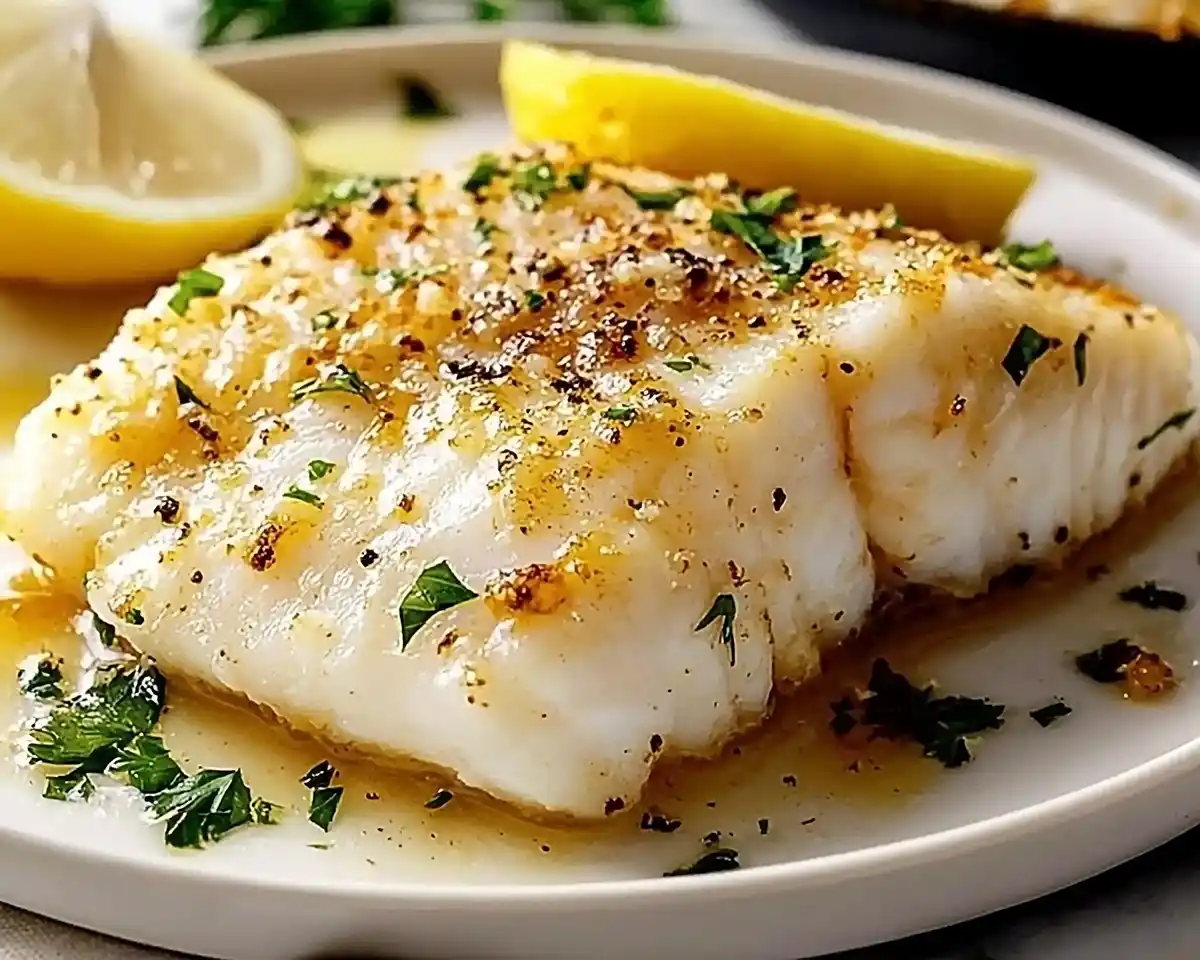
Garlic Butter Baked Cod delivers restaurant-quality seafood in 15 minutes. Tender, flaky cod fish with golden butter sauce—easy enough for weeknights.
My first attempt at baking cod? Let me tell you, it was a rubbery disaster. I’d cranked the oven too high and left those poor fillets in way too long. They bounced on the plate like erasers.
But here’s the thing—I knew cod could be incredible. I’d tasted it at a little seafood shack in Maine, where the butter pooled around perfectly flaky fish that melted on your tongue. That memory stuck with me.
After twelve tries (yes, twelve), I cracked the code. The secret? Low and slow doesn’t work for cod fish recipes baked. You need high heat for a short blast, plus a butter sauce that seals in moisture from the very first second.
This Garlic Butter Baked Cod takes exactly 15 minutes in the oven. The garlic perfumes your kitchen. The lemon brightens every bite. And the fish? Tender enough to fall apart with just your fork.
Tasty at Home – Where bold flavors meet everyday kitchens.
Table of Contents
What Makes This Baked Cod Recipe Different
Most recipes drown cod in breadcrumbs or complicated sauces. Not this one. We’re letting the fish shine with just four flavor powerhouses: butter, garlic, lemon, and parsley.
The technique matters too. Pouring hot garlic butter over raw fillets creates a self-basting effect in the oven. Every crevice gets coated. The result is restaurant-quality seafood without any fancy skills.
I’ve tested this recipe with frozen cod, fresh cod, and even slightly sketchy grocery store fillets. It works every single time. That reliability? That’s what transforms a good recipe into your weeknight savior.
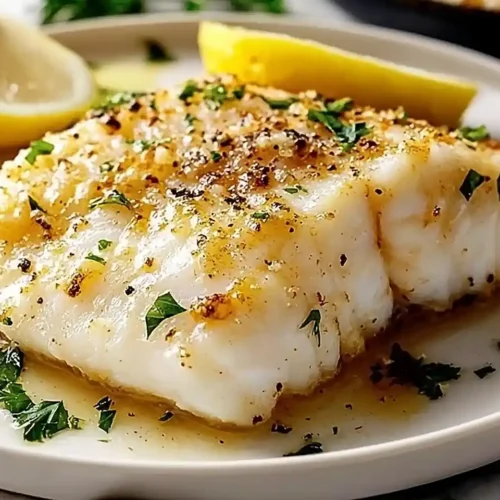
Garlic Butter Baked Cod
Equipment
- 9×13 inch baking dish
- Small saucepan
- Sharp knife
- Cutting board
Ingredients
Cod Fillets
- 4 fillets fresh cod fillets 6 oz each, wild-caught preferred, skin removed
Garlic Butter Sauce
- ½ cup unsalted butter European-style for richer flavor
- 4 cloves fresh garlic minced, no substitutes
- 2 tbsp lemon juice freshly squeezed, about 1/2 lemon
- 2 tbsp fresh parsley chopped, flat-leaf preferred
- to taste salt and pepper sea salt and freshly ground pepper
Instructions
- Preheat oven to 400°F (200°C) and spray a baking dish with nonstick cooking spray.
- Melt butter in a small saucepan over medium heat, then add minced garlic and stir for 60 seconds. Remove from heat and stir in lemon juice.
- Pat cod fillets dry and place in the prepared baking dish. Pour garlic butter evenly over fillets.
- Season with salt and pepper, then bake for 12 minutes or until cod flakes easily and reaches 145°F.
- Remove from oven, sprinkle with parsley, rest for 2 minutes, and serve immediately with pooled garlic butter spooned over fillets.
Notes
Selecting Quality Cod for Maximum Flavor
Fresh cod should smell like the ocean—clean and briny, never fishy. The flesh should be translucent white with a slight sheen, not milky or dull. If you’re buying frozen, look for individually vacuum-sealed portions without ice crystals, which signal freezer burn.
Wild-caught Atlantic or Pacific cod offers the best flavor and texture. Farmed cod works fine but can be slightly softer. Either way, pat your fillets completely dry before cooking—excess moisture creates steam instead of that beautiful golden finish.
Ingredient Breakdown: Building Your Flavor Foundation
The beauty of this seafood dish lives in its simplicity. Six ingredients deliver maximum impact without cluttering your counter or confusing your palate.
We’re working with two categories here: the fish itself and the garlic butter sauce. The cod provides a mild, sweet canvas. The sauce brings boldness, acidity, and richness that transforms every bite.
Fresh garlic matters more than you’d think. Pre-minced garlic from a jar tastes flat and metallic. Spend thirty seconds mincing fresh cloves for that pungent, aromatic punch that defines this dish.
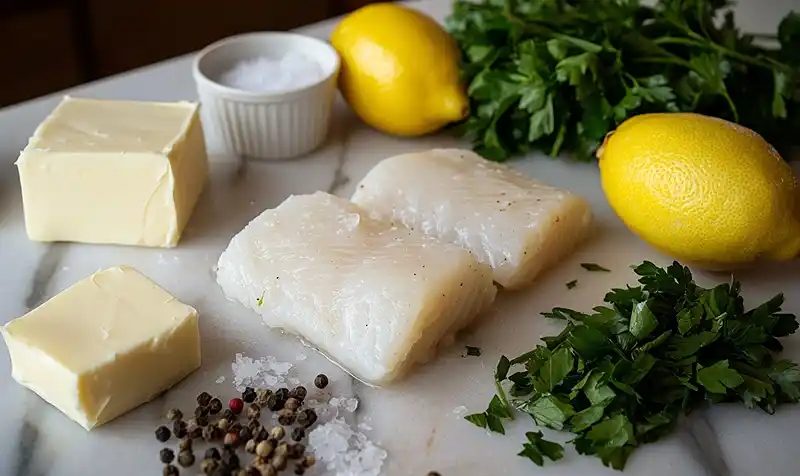
| Ingredient | US Measure | Metric | Notes |
|---|---|---|---|
| Fresh cod fillets | 4 fillets (6 oz each) | 680g total | Wild-caught preferred, skin removed |
| Unsalted butter | 1/2 cup (1 stick) | 113g | European-style for richer flavor |
| Fresh garlic | 4 cloves, minced | ~12g | No substitutes—fresh only |
| Lemon juice | 2 tbsp | 30ml | Freshly squeezed, about 1/2 lemon |
| Fresh parsley | 2 tbsp, chopped | 8g | Flat-leaf has better flavor |
| Salt and pepper | To taste | To taste | Sea salt and freshly ground pepper |
Smart Shopping Tips for Your Local Grocery Store
Hit the seafood counter early in the day when fish is freshest. Ask your fishmonger when their cod arrived—anything within 24 hours is golden. Most chains get deliveries Tuesday through Thursday.
Can’t find fresh cod? Frozen works beautifully if you thaw it properly. Move it from freezer to fridge the night before, never on the counter. Rapid thawing breaks down the delicate texture.
Look for wild-caught labels from Alaska or Iceland for sustainable choices. If you’re near a Whole Foods or Wegmans, their seafood departments often carry superior options with transparent sourcing information.
Substitutions for Different Dietary Needs
Butter alternatives: Use ghee for a nuttier, lactose-free option. Olive oil works but lacks that signature richness—if you go this route, add an extra tablespoon for proper coating.
Different fish: Halibut, haddock, or tilapia all bake beautifully with this method. Adjust timing based on thickness—thicker cuts need 2-3 extra minutes.
Garlic-sensitive? Reduce to 2 cloves or substitute shallots for a milder allium flavor. You’ll lose some punch but gain sweetness.
Essential Equipment and Preparation
You don’t need fancy gear for spectacular cod fish. A basic baking dish and a small saucepan handle everything. This isn’t the time for specialized equipment or complicated setups.
Your Kitchen Arsenal
9×13-inch baking dish: Glass or ceramic works best for even heat distribution. Metal pans cook slightly faster, so watch your timing. No baking dish? A cast-iron skillet transitions beautifully from stovetop to oven.
Small saucepan: For melting butter and blooming garlic. A 1-quart size gives you room to stir without splashing. Don’t have one? A small skillet works—just watch the butter doesn’t separate.
Sharp knife and cutting board: Fresh garlic needs proper mincing. Dull knives crush instead of cut, releasing bitter compounds. A good chef’s knife makes this a five-second task.
Step-by-Step Instructions: Your Path to Perfect Cod
Step 1: Preheat and Prep Your Baking Dish
Set your oven to 400°F (200°C) and let it fully preheat for at least 15 minutes. That initial blast of heat is crucial for creating a lightly caramelized surface on your cod fish recipes baked.
Spray your baking dish generously with nonstick cooking spray. Don’t skip this—even butter-baked fish can stick to bare glass. Cover the bottom and sides completely.
Step 2: Create Your Garlic Butter Magic
Place your saucepan over medium heat and add the butter. Let it melt slowly, swirling occasionally. You want it completely liquid but not bubbling aggressively.
Add your minced garlic to the melted butter. Stir constantly for about 60 seconds—you’ll smell that unmistakable aroma when it’s ready. The garlic should soften and become fragrant without browning (as Julia Child always emphasized, burned garlic turns acrid and ruins everything).
Remove from heat immediately and stir in your lemon juice. The acid will bubble slightly—that’s perfect. This tempering technique keeps your butter sauce silky instead of separated.
Step 3: Arrange Fillets and Add the Sauce
Pat your cod fillets completely dry with paper towels. Any surface moisture creates steam pockets that prevent proper browning. This step takes ten seconds and makes a massive difference.
Place fillets in your prepared baking dish with at least an inch between each piece. Crowding traps steam and makes the fish soggy instead of tender. If your fillets are different sizes, put thicker ones toward the oven’s center for even cooking.
Pour your garlic butter mixture evenly over all four fillets. Use a spoon to ensure every surface gets coated. Some will pool in the bottom of the dish—that’s your built-in basting liquid.
Step 4: Season and Bake to Perfection
Season each fillet with salt and freshly ground pepper. I use about 1/4 teaspoon of sea salt per fillet and several grinds of pepper. Don’t be shy—cod is mild and needs assertive seasoning.
Slide your baking dish onto the center oven rack. Set a timer for 12 minutes. Oops! Here’s my mistake I mentioned earlier: I used to check the fish every three minutes, opening the oven and releasing heat. That extended cooking time and dried out the edges. Trust your timer and leave that oven closed.
The cod is done when it flakes easily with a fork and reaches an internal temperature of 145°F. The flesh should be opaque white throughout. Undercooked cod looks translucent; overcooked cod turns rubbery. You’re looking for that perfect moment when it just barely holds together.

Step 5: Garnish and Serve Immediately
Remove from the oven and immediately sprinkle with freshly chopped parsley. The residual heat releases those green, herbaceous oils. Let the fish rest for exactly two minutes—this allows the juices to redistribute throughout the flesh.
Spoon some of that pooled garlic butter from the bottom of the dish over each fillet before plating. This final baste adds extra richness and ensures no flavor goes to waste.
Expert Tips for Restaurant-Quality Results
Temperature matters more than time. Invest in an instant-read thermometer. The difference between 145°F (perfect) and 155°F (dry) is enormous with delicate seafood dish preparations.
Thicker fillets need adjustments. If your cod is over an inch thick, add 3-4 minutes to the cooking time. Check at the thickest point with your thermometer.
The butter shouldn’t separate. If your sauce looks greasy or broken, you overheated it. Keep that saucepan at medium heat maximum. Lower and slower wins with butter-based sauces (a lesson I learned from Thomas Keller’s cooking philosophy).
Fresh lemon juice is non-negotiable. Bottled lemon juice tastes flat and chemical. One fresh lemon costs sixty cents and transforms this dish.
Creative Variations to Transform Your Weeknight Routine
Mediterranean Cod: Add 1/4 cup white wine to your butter sauce and top finished fillets with cherry tomatoes, kalamata olives, and crumbled feta. The briny, salty elements complement cod’s sweetness beautifully.
Cajun-Spiced Version: Mix 1 tablespoon Cajun seasoning into your melted butter before adding garlic. Finish with a squeeze of lime instead of lemon. Suddenly you’ve got a New Orleans-style seafood dish that pairs perfectly with dirty rice.
Holiday Herb Butter: Around Thanksgiving and Christmas, swap parsley for fresh thyme and rosemary. Add 1/4 teaspoon ground nutmeg to the butter. Serve alongside roasted root vegetables for an elegant holiday meal.
Asian-Inspired Twist: Replace lemon juice with lime juice and add 1 tablespoon low-sodium soy sauce and 1/2 teaspoon sesame oil to your butter. Garnish with sliced scallions and cilantro instead of parsley.
Dairy-Free Adaptation: Use quality olive oil instead of butter (you’ll need about 6 tablespoons). Add 1/2 teaspoon Dijon mustard to replicate butter’s richness. The flavor profile shifts slightly but remains delicious.
Storage, Make-Ahead, and Reheating Guidance
Refrigerator storage: Place cooled cod in an airtight container with any remaining garlic butter sauce. It’ll keep for up to three days. The texture won’t be quite as perfect as fresh, but it’s still excellent for quick lunches.
Freezing: I honestly don’t recommend freezing cooked cod—the delicate texture suffers significantly during thawing. If you must, wrap individual portions tightly in plastic wrap, then foil. Use within one month and expect softer results.
Reheating methods: The oven is your friend here. Place cod in a baking dish, cover with foil, and warm at 275°F for about 10 minutes. The microwave works in a pinch (use 50% power for 60-90 seconds) but can create rubbery spots.
Make-ahead strategy: Prep your garlic butter sauce up to two days ahead. Store it in the fridge and gently rewarm before pouring over fish. This cuts your active cooking time to under five minutes.
| Storage Method | Duration | Best Practice |
|---|---|---|
| Refrigerator | 3 days | Airtight container with sauce |
| Freezer (not recommended) | 1 month | Double-wrapped, expect texture loss |
| Room temperature | 2 hours maximum | Discard after this point |
Perfect Pairings and Serving Suggestions
This garlic butter masterpiece deserves equally simple sides. Steamed green beans with a squeeze of lemon echo the fish’s brightness. Roasted baby potatoes with olive oil and sea salt provide satisfying heartiness without competing for attention.
For a complete seafood feast, try pairing this with our creamy honey-glazed salmon bowl recipe for guests who prefer richer fish. Or serve it alongside rosemary cream sauce cod and potatoes for a double-cod extravaganza that sounds ridiculous but somehow works.
Salad lovers should check out our crispy shrimp balls with sweet chili sauce as an appetizer. The contrasting textures—crispy versus flaky—create an impressive seafood-focused dinner party menu.
A crisp white wine like Sauvignon Blanc or Pinot Grigio cuts through the butter beautifully. If you prefer non-alcoholic options, sparkling water with fresh lemon slices matches the dish’s brightness without overwhelming delicate flavors.
Garlic Butter Baked Cod FAQs
Can I use frozen cod for this garlic butter recipe?
Yes, frozen cod works perfectly for this recipe. Thaw it overnight in your refrigerator, never at room temperature, to maintain the best texture. Pat the thawed fillets completely dry with paper towels before baking—excess moisture prevents proper browning. Frozen cod might release slightly more liquid during cooking, so drain any pooled water halfway through baking.
What’s the best way to tell when baked cod is done?
The cod is perfectly cooked when it flakes easily with a fork and reaches 145°F on an instant-read thermometer. The flesh should be completely opaque white with no translucent sections remaining. Another test: insert a knife into the thickest part—if it slides in with no resistance and comes out warm, your cod fish recipes baked are ready.
How do I prevent my cod from drying out in the oven?
Don’t overcook it—that’s the number one culprit. Set a timer and check at 12 minutes for standard fillets. The garlic butter sauce creates a protective layer that locks in moisture, so make sure every surface gets coated before baking. Never bake above 400°F, as higher temperatures evaporate moisture too quickly for delicate whitefish.
Can I prepare the garlic butter sauce ahead of time?
Absolutely! Make your garlic butter sauce up to 48 hours in advance and store it covered in the refrigerator. When you’re ready to cook, gently rewarm it in a small saucepan over low heat until it’s just melted and pourable. This make-ahead trick turns the recipe into a genuine 10-minute meal for hectic weeknights.
Your New Weeknight Seafood Champion
Well, we’ve come full circle. From my rubber-eraser disaster to this foolproof method, I’ve learned that spectacular seafood dish creations don’t require culinary school or complicated techniques. They just need respect for the ingredient and proper timing.
This Garlic Butter Baked Cod delivers restaurant elegance with weeknight simplicity. You’ll have dinner on the table in under 20 minutes, start to finish. The buttery, garlicky sauce practically begs for crusty bread to soak it up.
Try serving this alongside our salmon coconut curry for guests who want bold spice, or pair it with cheesy pizza tortellini bake to satisfy both seafood lovers and carb enthusiasts at the same table.
Drop a comment below and tell me how yours turned out! Did you try one of the variations? Did your family actually believe you’d made restaurant-quality cod at home? I want to hear everything.
For more foolproof fish recipes, check out our easy baked cod recipe with different flavor profiles. Each one takes less than 30 minutes and proves that weeknight seafood doesn’t have to be intimidating.
