
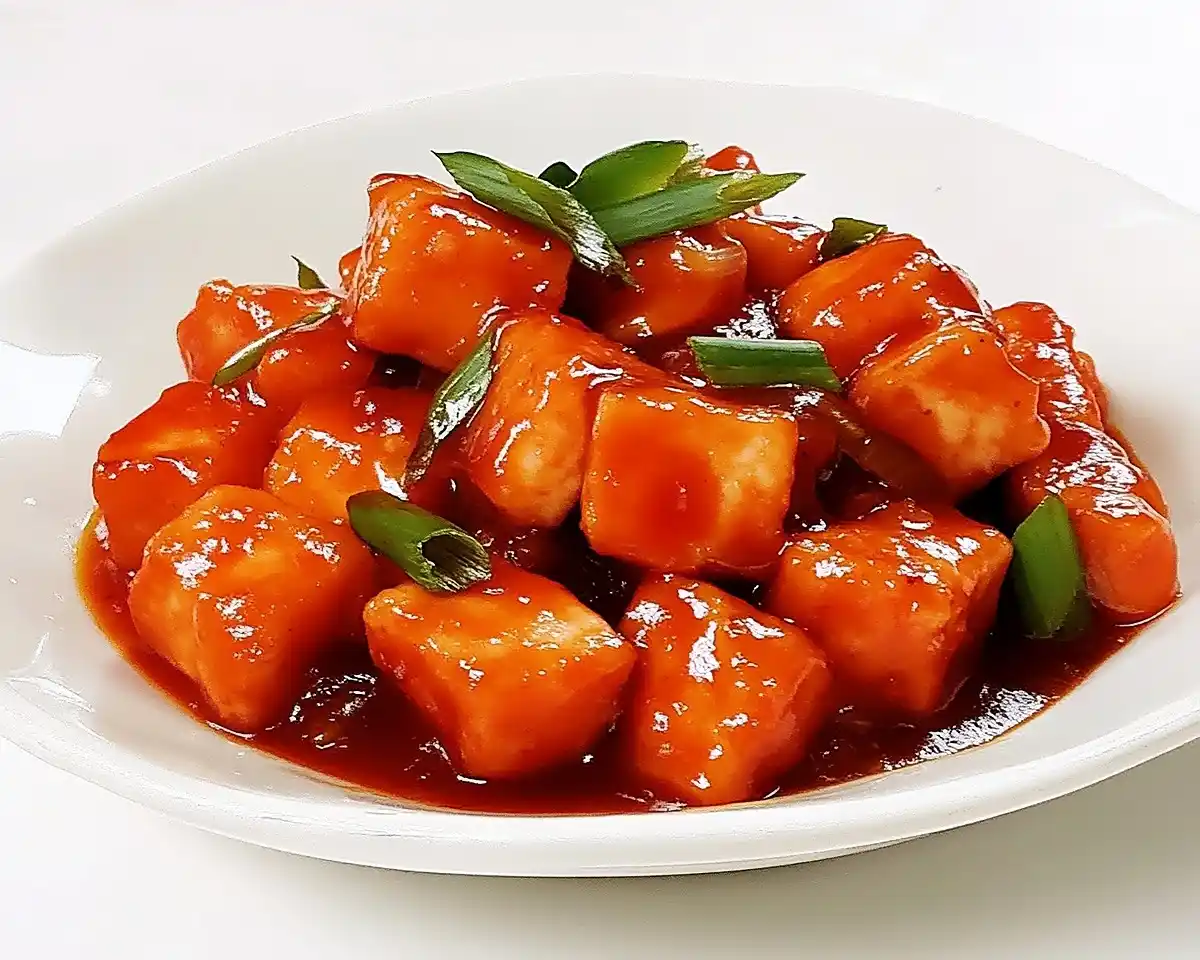
Chilli paneer recipe with crispy paneer cubes in bold sauce. Learn restaurant secrets, easy chilli paneer ingredients, and gluten-free options now.
Let me tell you, the first time I tasted chilli paneer was at a tiny Indo-Chinese joint in Edison, New Jersey. The tangy-spicy sauce, the crispy golden paneer, the charred bell peppers—everything hit differently. I’d never experienced Indian cheese transformed into something so bold and addictive.
That night changed my home cooking forever. I burned three batches figuring out the batter consistency (oops!), over-sauced one version, and under-fried another. But after weeks of testing, I cracked the code to restaurant-quality chilli paneer that works every single time.
Tasty at Home – Where bold flavors meet everyday kitchens.
What Makes This Chilli Paneer Recipe Special
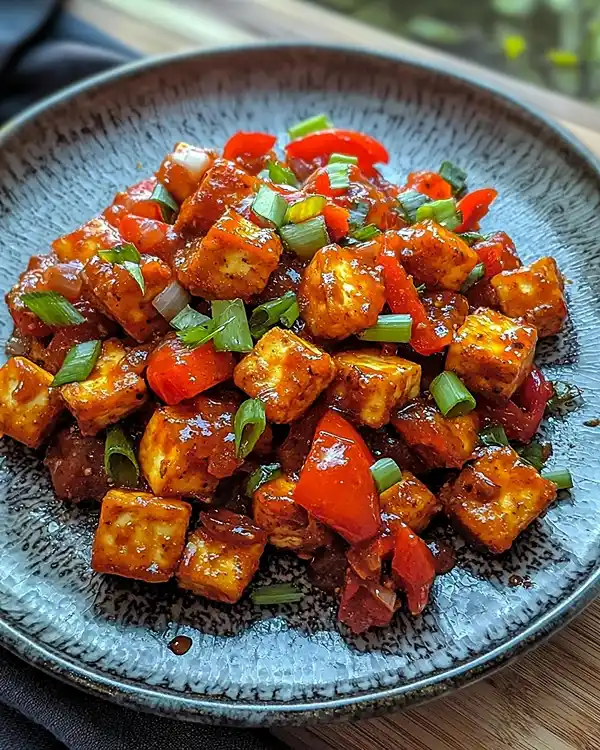
This isn’t your average paneer dish. Unlike traditional Indian paneer preparations that simmer in creamy gravies, chilli paneer explodes with umami-rich sauces, crispy textures, and wok-fired flavors straight from Indo-Chinese cuisine. The key? Getting that perfect golden crust on your paneer while keeping the inside soft and pillowy.
You know what separates restaurant chilli paneer from homemade versions? Temperature control and sauce balance. I’ve tested this recipe with both dry and gravy versions, adjusted spice levels for American palates, and included a gluten-free adaptation that doesn’t compromise texture.
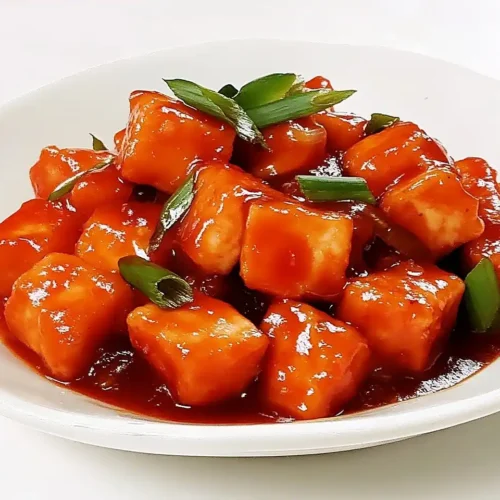
Chilli Paneer
Equipment
- Deep frying pan or wok
- mixing bowls
- Slotted spoon or spider strainer
- Paper towels or steel colander
- Sharp knife and cutting board
- Measuring spoons and cups
Ingredients
Main Protein
- 200 grams Paneer, cubed (¾-inch pieces)
For Batter
- 24 grams Cornstarch
- 24 grams All-purpose flour (optional)
- 1 gram Kashmiri red chili powder
- 0.5 gram Black pepper, crushed
- 0.75 gram Salt
- As needed Water
- 45-60 ml Oil for frying
For Sauce
- 15 ml Soy sauce (naturally brewed)
- 30 ml Red chili sauce
- 30 ml Tomato ketchup
- 2.5 ml Apple cider vinegar
- 2 grams Red chili powder (optional)
- 4 grams Sugar
For Gravy
- 10 grams Garlic, finely chopped
- 15 grams Spring onion whites, chopped
- 15 grams Spring onion greens, chopped
- 75 grams Bell pepper (capsicum), cubed
- 150 grams Onion, cubed
- 1 Green chilies, slit
- 1 gram Black pepper, crushed
- 5-10 grams Cornstarch for slurry
- 120-240 ml Water
Instructions
- Prepare the batter by mixing cornstarch, flour, chili powder, black pepper, and salt with water until smooth.
- Heat 3-4 tablespoons oil in a deep pan over medium flame.
- Coat paneer cubes in the batter and fry until crispy and pale golden. Drain on paper towels.
- Mix sauce ingredients for dry or gravy style, adjusting seasoning as needed.
- In a pan, heat 1 tablespoon oil, add garlic, then spring onion whites, onion, green chili, and bell pepper. Stir-fry until tender-crisp.
- Add the prepared sauce and cornstarch slurry to the vegetables. Cook until thickened to desired consistency.
- Fold in fried paneer cubes, garnish with spring onion greens, and serve immediately.
Notes
Chilli Paneer Ingredients Breakdown: Building Bold Flavors
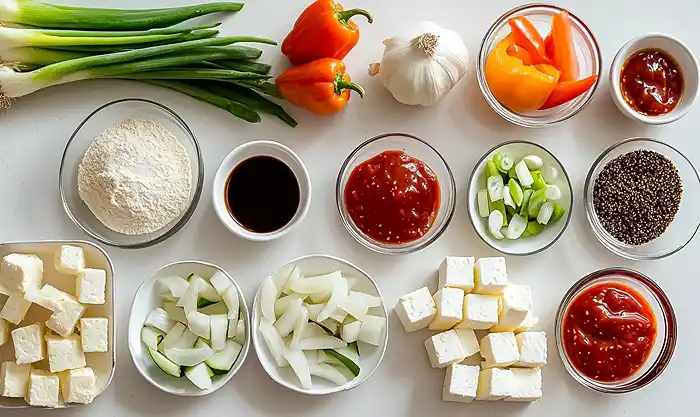
Quality ingredients transform good chilli paneer into something extraordinary. For the paneer, choose fresh blocks with a slight bounce—avoid pre-packaged cubes that crumble during frying. Organic soy sauce brings depth without overwhelming saltiness, while naturally brewed varieties add complexity that generic brands can’t match.
Ingredients Table: Chilli Paneer Components with US and Metric Measurements
| Ingredient Category | Ingredient | Amount (US) | Amount (Metric) |
|---|---|---|---|
| Main Protein | Paneer, cubed (¾-inch pieces) | 7 oz | 200 grams |
| For Batter | |||
| Cornstarch | 3 tablespoons | 24 grams | |
| All-purpose flour (optional) | 3 tablespoons | 24 grams | |
| Kashmiri red chili powder | ¼ teaspoon | 1 gram | |
| Black pepper, crushed | ⅛ teaspoon | 0.5 gram | |
| Salt | ⅛ teaspoon | 0.75 gram | |
| Water | As needed | As needed | |
| Oil for frying | 3-4 tablespoons | 45-60 ml | |
| For Sauce | |||
| Soy sauce (naturally brewed) | 1 tablespoon | 15 ml | |
| Red chili sauce | 2 tablespoons | 30 ml | |
| Tomato ketchup | 2 tablespoons | 30 ml | |
| Apple cider vinegar | ½ teaspoon | 2.5 ml | |
| Red chili powder (optional) | ½ teaspoon | 2 grams | |
| Sugar | 1 teaspoon | 4 grams | |
| For Gravy | |||
| Garlic, finely chopped | 1 tablespoon | 10 grams | |
| Spring onion whites, chopped | 2 tablespoons | 15 grams | |
| Spring onion greens, chopped | 2 tablespoons | 15 grams | |
| Bell pepper (capsicum), cubed | ½ cup | 75 grams | |
| Onion, cubed | 1 medium | 150 grams | |
| Green chilies, slit | 1 | 1 | |
| Black pepper, crushed | ¼ teaspoon | 1 gram | |
| Cornstarch for slurry | 1-2 teaspoons | 5-10 grams | |
| Water | ½-1 cup | 120-240 ml |
Shopping Tips for US Grocery Stores
Find paneer in the refrigerated international foods section at Whole Foods, Trader Joe’s, or Indian grocery stores. Spring onions (scallions) are in the produce section year-round. For authentic flavor, grab Lee Kum Kee soy sauce and Sriracha or sambal oelek as your red chili sauce.
Bell peppers work best when firm and glossy. Skip the wrinkled ones—they’ve lost moisture and won’t provide that satisfying crunch. Asian markets carry fresher spring onions with longer green tops, perfect for garnishing.
Essential Ingredients: These form your flavor foundation—paneer, cornstarch, soy sauce, red chili sauce, and bell peppers create the classic taste profile.
Bold Add-ins: Transform basic chilli paneer into something special with baby corn chunks, mushroom slices, or pineapple cubes for a sweet-tangy twist. For a complete guide to Asian-fusion breakfast options, explore complementary flavor combinations.
Substitutions for Different Dietary Needs
Making chilli paneer gluten-free? Simply skip the all-purpose flour in the batter and double the cornstarch to 6 tablespoons. The coating stays crispy and golden without any wheat flour. Use tamari instead of regular soy sauce to keep everything completely gluten-free.
For vegan adaptations, substitute extra-firm tofu for paneer. Press it for 30 minutes, then proceed with the same batter and frying technique. The texture won’t be identical, but you’ll achieve that satisfying crispy exterior with tender insides.
Equipment You’ll Need
Essential Tools:
- Deep frying pan or wok (10-12 inches)
- Mixing bowls (2 medium)
- Slotted spoon or spider strainer
- Paper towels or steel colander for draining
- Sharp knife and cutting board
- Measuring spoons and cups
DIY Alternatives: No wok? A large cast-iron skillet works beautifully for achieving high heat and even frying. Don’t have a spider strainer? Regular tongs let you control each paneer piece during frying, though it takes slightly longer.
Step-by-Step Instructions: Restaurant-Quality Chilli Paneer
Prepare the Crispy Batter
Add cornstarch, all-purpose flour, Kashmiri red chili powder, crushed black pepper, and salt to your mixing bowl. Pour in approximately 6 tablespoons of water and whisk until smooth—the consistency should resemble pancake batter, thick enough to coat paneer but thin enough to drip slowly off a spoon.
Check for lumps by running your whisk through the bottom corners where flour tends to hide. Add 1-2 extra tablespoons of water if the batter seems too thick. Well, here’s the thing: batter thickness determines coating thickness, so adjust based on whether you prefer a light or hearty crust.
Heat Oil to Perfect Temperature
Heat 3-4 tablespoons of oil in your deep pan over medium flame. This isn’t deep-frying—you’re shallow-frying, which uses less oil and creates less mess. Test temperature by dropping a small blob of batter into the oil.
The batter should sizzle immediately and float to the surface within 2-3 seconds without browning. If it sinks, the oil’s too cool. If it darkens instantly, reduce heat and wait 30 seconds before trying again. Thomas Keller emphasizes precise oil temperature for achieving golden exteriors without greasy absorption.
Coat and Fry the Paneer
Gently add your cubed paneer to the batter bowl and turn each piece until completely coated. Lift one cube with a spoon, letting excess batter drip back into the bowl for 2 seconds.
Slide each batter-coated cube into the hot oil, spacing them apart so they don’t stick together. Resist the urge to move them for the first minute—premature stirring tears the delicate coating before it sets. Once the bottom firms up, use your slotted spoon to turn each piece, frying all sides until crispy and pale golden.
Drain fried paneer on paper towels or a steel colander. Man, oh man, the aroma at this stage is intoxicating—nutty, toasted, with hints of black pepper cutting through.
Pro Tip: Fry in two batches rather than crowding the pan. Overcrowding drops oil temperature, resulting in soggy, oil-logged paneer instead of crispy golden cubes.
Mix Your Signature Sauce
For Dry Chilli Paneer: Combine 1 teaspoon cornstarch with ½ cup water in a small bowl, stirring until dissolved. In another cup, mix 2 tablespoons red chili sauce, 1 tablespoon soy sauce, 2 tablespoons ketchup, 1 teaspoon sugar, ½ teaspoon vinegar, and optional ½ teaspoon red chili powder for extra heat.
For Chilli Paneer Gravy: Whisk 2 teaspoons cornstarch into 1 cup water until lump-free. This creates your thickening slurry. In a separate bowl, stir together 2 tablespoons soy sauce, 4 tablespoons red chili sauce, 1 teaspoon vinegar, 3 tablespoons ketchup, plus extra salt, sugar, and ¾ teaspoon red chili powder for deeper color.
Taste your sauce mix now—it should be slightly too salty and intense because the vegetables and paneer will balance it. Adjust sugar to cut acidity or add more chili sauce for heat lovers.
Build the Aromatic Base
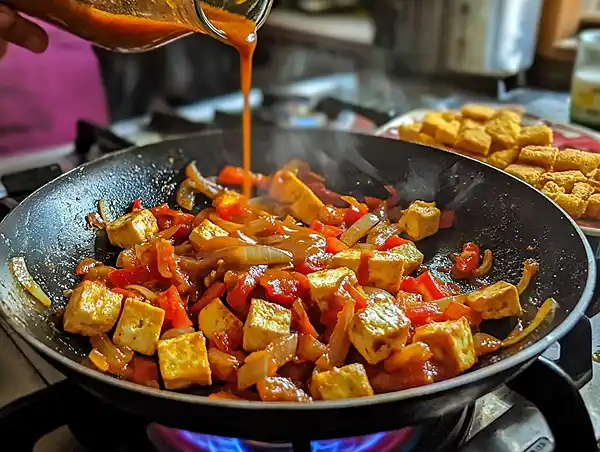
Remove excess oil from your frying pan, leaving just 1 tablespoon behind. Crank the heat to high and add your finely chopped garlic. Stir constantly for 15-20 seconds until fragrant but not browned—burnt garlic tastes bitter and ruins the entire dish.
Immediately toss in spring onion whites and cubed onion with layers separated. The high heat creates char marks and caramelization, mimicking wok cooking. Add your slit green chili and diced bell pepper, stirring vigorously for exactly 2 minutes. You want vegetables tender-crisp, not mushy.
Combine Sauce and Create Magic
Give your prepared sauce bowl a final stir and pour everything into the pan. The liquid should bubble immediately from the high heat. Next, stir your cornstarch slurry again (it settles fast) and pour it into the pan while stirring constantly.
Cook on medium heat, stirring frequently, until the sauce thickens to your desired consistency—about 2-3 minutes for dry style, 4-5 minutes for gravy. The cornstarch transforms thin sauce into a glossy coating that clings to every ingredient. Taste and adjust seasoning now, before adding paneer.
Add ¼ cup hot water if your sauce becomes too thick. Turn off the heat and let it cool for 30 seconds—this prevents the paneer from getting soggy from residual cooking.
Common Mistake I Made: I once added paneer while the sauce was still boiling vigorously. The coating broke down and the paneer turned mushy within minutes. Always let the sauce cool slightly before folding in your crispy cubes.
Final Assembly
Sprinkle crushed black pepper over the sauce, then gently fold in your fried paneer cubes. Toss carefully to coat each piece without breaking them apart. Add spring onion greens as a final flourish—they provide fresh, sharp contrast to the rich sauce.
Serve immediately while the paneer retains maximum crispiness. The longer it sits in sauce, the softer it becomes. For expert-approved Asian fusion techniques, timing matters as much as ingredients.
Expert Tips for Perfect Chilli Paneer Every Time
Temperature Control: Keep your stove at medium-high throughout cooking. Low heat steams vegetables instead of charring them, while excessive heat burns garlic before vegetables cook through.
Batter Consistency: Your batter should coat the back of a spoon without immediately dripping off. Too thin creates spotty coverage; too thick makes paneer heavy and doughy.
Oil Temperature Hack: If you don’t have a thermometer, the batter-drop test never fails. Properly heated oil (around 350°F) makes batter float and sizzle without darkening.
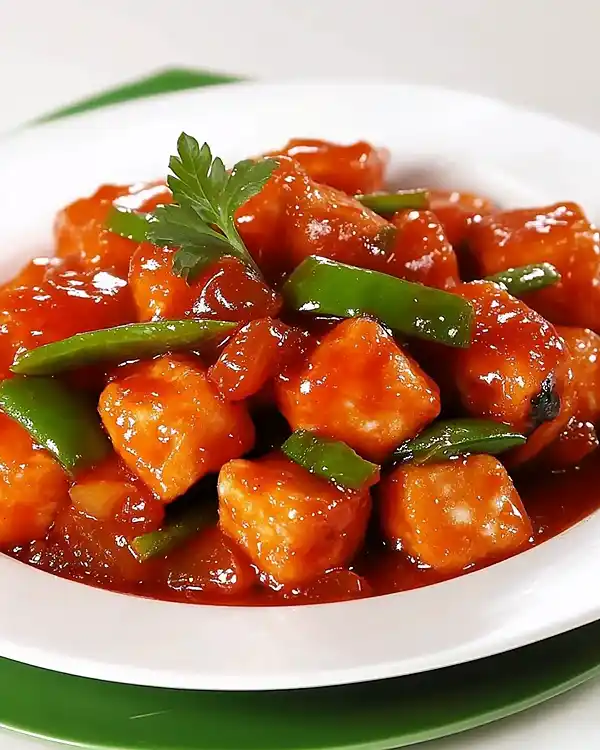
Sauce Balance: The secret to restaurant-style chilli paneer lies in balancing five flavors—salty (soy sauce), sweet (sugar and ketchup), sour (vinegar), spicy (chili sauce), and umami (soy sauce and garlic). Adjust each element to match your taste preferences.
Creative Variations to Try
Regional American Twists
Southwest Chilli Paneer: Replace spring onions with cilantro and add cumin powder plus lime juice. Serve with tortilla chips for a fusion appetizer that works beautifully at Cinco de Mayo gatherings.
Southern BBQ Style: Swap chili sauce for your favorite BBQ sauce and add smoked paprika. The sweet-smoky profile pairs perfectly with cornbread, creating an interesting breakfast sausage casserole alternative.
Dietary Adaptations
Keto Chilli Paneer: Use almond flour instead of all-purpose flour and eliminate sugar entirely. Replace ketchup with tomato paste diluted with water for a low-carb sauce that maintains authentic flavor.
Extra Veggie-Loaded: Add baby corn, mushrooms, zucchini, and snow peas for a nutrient-dense version. Increase your sauce proportions by 50% to coat the additional vegetables properly.
Holiday Variations
Thanksgiving Fusion: Incorporate roasted butternut squash cubes and cranberry sauce instead of ketchup. The fall flavors create an unexpected appetizer that complements turkey dinner beautifully.
Game Day Snack: Make bite-sized paneer pieces (½-inch cubes) and serve on toothpicks. Prepare a double batch of sauce for dipping and watch them disappear faster than buffalo wings.
Storage and Make-Ahead Strategies
Storage Guidelines Table
| Storage Method | Container Type | Duration | Reheating Instructions |
|---|---|---|---|
| Refrigerator (assembled) | Airtight container | 2-3 days | Stovetop: 3-4 minutes medium heat |
| Refrigerator (components separate) | Two containers | 4-5 days | Combine and heat 5 minutes |
| Freezer (fried paneer only) | Freezer bag | 1 month | Thaw, then pan-fry 2 minutes |
| Freezer (complete dish) | Not recommended | N/A | Texture degrades significantly |
Make-Ahead Strategy: Fry paneer cubes up to 2 days ahead and store them in an airtight container in the fridge. Prepare your sauce components and keep them separate. When ready to serve, heat oil, stir-fry vegetables, add sauce and paneer, then serve immediately.
Reheating for Best Results: Never microwave chilli paneer—it turns the coating soggy and rubbery. Instead, heat a pan with 1 tablespoon oil over medium-high heat and toss everything for 3-4 minutes until piping hot. The brief high-heat exposure refreshes the textures beautifully.
Perfect Pairings and Serving Ideas
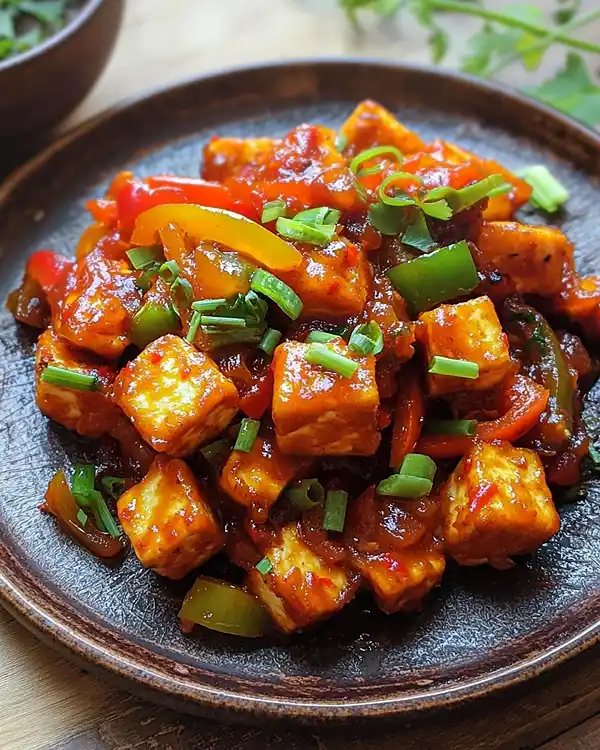
Serve chilli paneer as a standalone appetizer with toothpicks for parties, or pair it with hakka noodles for a complete Indo-Chinese feast. Fried rice works equally well, especially when you want something more substantial.
For fusion meals, try it alongside green bean casserole from scratch during Thanksgiving for an unexpected cultural mashup. The crispy textures complement each other surprisingly well.
Keep portions at 4-5 paneer cubes per person for appetizers, or 8-10 cubes for main courses. Garnish plates with extra spring onion greens and serve lime wedges on the side for guests who enjoy extra acidity. For beverage pairings, try an apple and cranberry grilled cheese with sweet-tart flavors that cut through the richness.
Chilli Paneer FAQs
What is chilli paneer made of?
Chilli paneer is made of cubed Indian cottage cheese (paneer) coated in a seasoned cornstarch batter, fried until crispy, then tossed with bell peppers, onions, and a tangy-spicy Indo-Chinese sauce containing soy sauce, chili sauce, ketchup, and vinegar. The dish combines Indian ingredients with Chinese cooking techniques for a unique fusion flavor.
Which country invented chilli paneer?
Chilli paneer was invented in India, specifically within the Indo-Chinese cuisine tradition that emerged in Kolkata’s Chinese community during the 1900s. While the cooking technique draws from Chinese stir-fry methods, the dish itself is an Indian creation designed to adapt Chinese flavors for Indian vegetarian preferences using paneer instead of meat.
What to eat with chilli paneer?
Eat chilli paneer with hakka noodles, vegetable fried rice, or steamed jasmine rice for a complete meal. It also works beautifully as an appetizer served with toothpicks, or paired with naan bread for scooping up the flavorful sauce. For fusion meals, serve it alongside Asian-inspired crack breakfast casserole for brunch gatherings.
What is the flavor of chilli paneer?
The flavor of chilli paneer is a bold combination of savory, sweet, tangy, and spicy notes. Soy sauce provides umami depth, chili sauce adds heat, ketchup brings sweetness, and vinegar contributes tanginess. The charred vegetables add smokiness while crispy paneer offers mild, creamy contrast to the intense sauce—creating a complex, addictive taste profile.
Bring Restaurant Magic to Your Kitchen
There’s something magical about recreating restaurant favorites at home. That first bite of crispy-coated paneer swimming in tangy-spicy sauce transports you straight to your favorite Indo-Chinese spot, except now you’re in control of every flavor element.
This chilli paneer recipe delivers restaurant-quality results without special equipment or hard-to-find ingredients. Start with quality paneer, nail your oil temperature, and balance those five essential flavors.
Try making this for your next gathering and watch it disappear faster than anything else on the table. Share your version in the comments below—did you go dry style or gravy? What creative variations did you try?
Tasty at Home – Where bold flavors meet everyday kitchens.
