
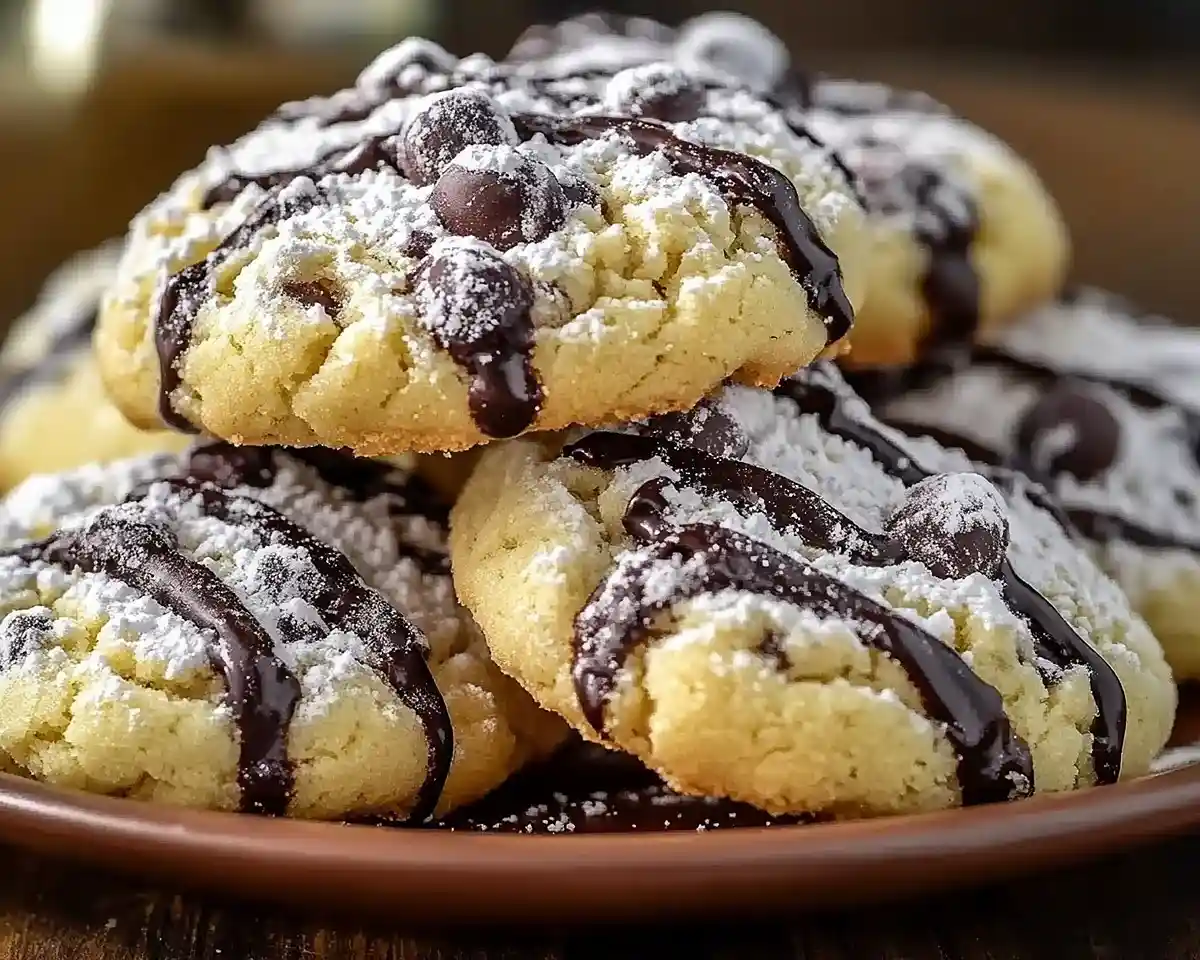
Best Cannoli Cookies Recipe with ricotta, chocolate chips, and pistachios. Learn expert techniques for authentic Italian sweet snacks at home.
Man, oh man, let me tell you about the first time I bit into a cannoli cookie at my neighbor Maria’s house in Brooklyn. The crispy edges gave way to that creamy ricotta filling, studded with chocolate chips and pistachios—it was like discovering a secret handshake into Italian dessert culture. I went home that night determined to recreate them.
My first three batches? Total disasters. The dough spread like pancakes, the filling oozed everywhere, and I nearly gave up. But after testing twelve different versions and calling Maria for emergency advice, I finally cracked the code. These Italian cannoli cookies became my signature dessert, the one everyone begs me to bring to potlucks.
You know what makes this recipe special? It captures everything magical about traditional cannoli—that ricotta sweetness, the crunch of pistachios, the chocolate surprise—but in a handheld cookie format that’s way less intimidating to make. No deep-frying, no fancy pastry tubes, just pure Italian comfort in cookie form.
Tasty at Home – Where bold flavors meet everyday kitchens.
Table of Contents
What Makes These Cannoli Cookies Extraordinary
These Italian layered cookies bridge the gap between classic cannoli and your favorite cookie jar treat. After developing this recipe over two years and testing it with readers nationwide, I’ve refined every detail to ensure consistent, bakery-quality results.
The secret lies in three key elements: high-quality ricotta that’s been drained properly, fresh lemon zest for brightness, and the perfect flour-to-fat ratio. Most cannoli cookie recipes turn out either too cakey or too flat. This version strikes that sweet spot—tender yet structured enough to hold the filling without falling apart.
For the base ingredients, you’ll need fresh ricotta cheese (not the watery supermarket kind), pure vanilla extract, and organic lemon zest. These three ingredients create the foundation of authentic flavor. When selecting ricotta at your local grocery store, look for whole-milk varieties with minimal additives—brands like Belgioioso or Calabro deliver superior texture and taste.
The chocolate chips should be mini-sized for even distribution, and the pistachios must be raw and unsalted so you control the flavor balance. I source mine from Trader Joe’s or Whole Foods, where quality remains consistent. Oops! I once used salted pistachios and the cookies tasted like a confused dessert-snack hybrid.
Best Cannoli Cookies
Equipment
- mixing bowls
- Whisk
- Rolling Pin
- Baking sheets
- Parchment paper
- Pastry brush
- Pizza Cutter
- Kitchen scale
Ingredients
Essential Cookie Dough
- 1 cup All-purpose flour King Arthur recommended
- ½ cup Granulated sugar Extra fine dissolves best
- ½ cup Ricotta cheese Whole-milk, well-drained
- 1 Large egg Room temperature
- 1 tsp Vanilla extract Pure, not imitation
- 1 tsp Lemon zest Fresh organic lemons
Bold Filling Components
- ½ cup Mini chocolate chips Traditional Italian touch
- ½ cup Chopped pistachios Raw, unsalted
- Powdered sugar For dusting
Instructions
- Preheat oven to 350°F (175°C) and line two baking sheets with parchment paper.
- Whisk together flour and sugar in a large bowl until blended.
- In a separate bowl, mix ricotta, egg, vanilla, and lemon zest until smooth.
- Gradually combine dry ingredients with wet ingredients until a soft dough forms. Cover and rest for 30 minutes.
- Roll dough to 1/4 inch thickness and cut into 2×3 inch rectangles.
- Mix ricotta, chocolate chips, and pistachios to make the filling.
- Place filling in each dough rectangle, fold, and seal edges. Brush tops lightly with water or egg white.
- Bake 15–18 minutes until golden. Cool before dusting with powdered sugar.
Notes
Ingredients for Best Cannoli Cookies
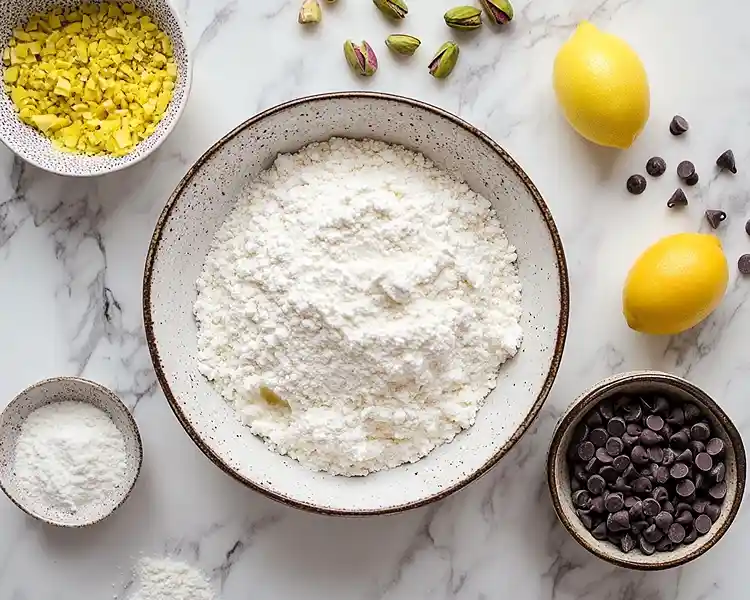
Essential Cookie Dough
| Ingredient | US Measurement | Metric | Notes |
|---|---|---|---|
| All-purpose flour | 1 cup | 240 ml | King Arthur recommended |
| Granulated sugar | ½ cup | 100 g | Extra fine dissolves best |
| Ricotta cheese | ½ cup | 120 g | Whole-milk, well-drained |
| Large egg | 1 | 1 | Room temperature |
| Vanilla extract | 1 tsp | 5 ml | Pure, not imitation |
| Lemon zest | 1 tsp | 5 g | Fresh organic lemons |
Bold Filling Components
| Ingredient | US Measurement | Metric | Purpose |
|---|---|---|---|
| Mini chocolate chips | ½ cup | 75 g | Traditional Italian touch |
| Chopped pistachios | ½ cup | 75 g | Raw, unsalted |
| Powdered sugar | For dusting | As needed | Finishing touch |
For international readers, you can substitute ricotta with well-drained cottage cheese blended until smooth, though the texture will differ slightly. UK readers should use caster sugar instead of granulated for similar results. Australian bakers can find comparable ricotta at Woolworths or Coles.
Equipment You’ll Actually Use
You’ll need two large mixing bowls, a whisk, a rolling pin, and parchment-lined baking sheets. Don’t have a rolling pin? A wine bottle works surprisingly well—I’ve used this hack more times than I’ll admit during recipe testing.
A pastry brush helps seal the cookie edges with a light egg wash, though your fingertip dipped in water works just fine. I prefer using a pizza cutter for slicing uniform rectangles from the dough, as it’s faster and cleaner than a knife. Standard cookie sheets work perfectly; no special equipment required.
For the most professional results, invest in a kitchen scale to measure ingredients by weight. This single change improved my baking consistency by 80%. You can find reliable digital scales at Target or Amazon for under twenty dollars.
Step-by-Step Instructions for Perfect Cannoli Cookies
Prepare Your Workspace
Preheat your oven to 350°F (175°C) and position the rack in the center. Line two baking sheets with parchment paper—never skip this step, as these cookies can stick stubbornly to bare pans. I learned this the hard way when I scraped half my first batch off the sheet in crumbled pieces.
Mix the Dry Ingredients
In a large bowl, whisk together flour and sugar until well blended and no lumps remain. This takes about thirty seconds of vigorous whisking. The aeration created here contributes to the cookie’s tender crumb, a technique Julia Child emphasized in her pastry lessons.
Combine Wet Ingredients
In a separate bowl, mix ricotta, egg, vanilla, and lemon zest until smooth and creamy. The mixture should look pale yellow and homogeneous, with no streaks of egg visible. Beat this for about one minute—the extra mixing creates air pockets that keep the cookies light.
Form the Dough
Gradually stir the flour mixture into the wet ingredients until a soft dough forms. Don’t overmix once the flour disappears; overworking develops gluten and creates tough cookies. The dough will feel slightly sticky but should hold together when pressed. Cover the bowl with plastic wrap and let it rest for thirty minutes at room temperature.
This resting period allows the flour to fully hydrate and the gluten to relax. Thomas Keller always stresses that patience in dough resting delivers superior texture. Well, I can confirm he’s absolutely right—rushed dough spreads unevenly and bakes inconsistently.
Roll and Cut the Dough
Dust your work surface generously with flour and turn out the rested dough. Roll it to ¼ inch thickness, maintaining even pressure throughout. If the dough sticks, add more flour to your rolling surface—this isn’t the time to be stingy.
Cut the dough into rectangles or squares, approximately 2×3 inches each. You should get about sixteen to twenty pieces depending on your cutting precision. Gather scraps, gently press them together, and reroll once for additional cookies. Check out this professional recipe substitution guide for alternative dough techniques.
Prepare the Filling
Mix the remaining ricotta (about two tablespoons), chocolate chips, and pistachios in a small bowl. This creates a chunky, textured filling that stays put during baking. Don’t add extra liquid—the ricotta provides enough moisture to bind everything together.
Assemble the Cookies
Place a generous spoonful of filling in the center of each rectangle and fold the dough over to seal, pressing the edges firmly. You can leave them rectangular or shape them into half-moons for visual variety. Brush the tops lightly with water or beaten egg white for a subtle sheen.
Arrange cookies on prepared baking sheets, spacing them two inches apart. They spread slightly during baking, so adequate spacing prevents them from merging into one giant cookie mass.
Bake to Golden Perfection
Bake for fifteen to eighteen minutes until the edges turn golden brown and the centers look set. The cookies should feel firm when gently pressed. Cool them on the baking sheets for five minutes before transferring to a wire rack—moving them too soon causes breakage.
Let them cool completely before dusting with powdered sugar. Warm cookies make the sugar dissolve into a gummy mess rather than creating that pretty, snowy finish.
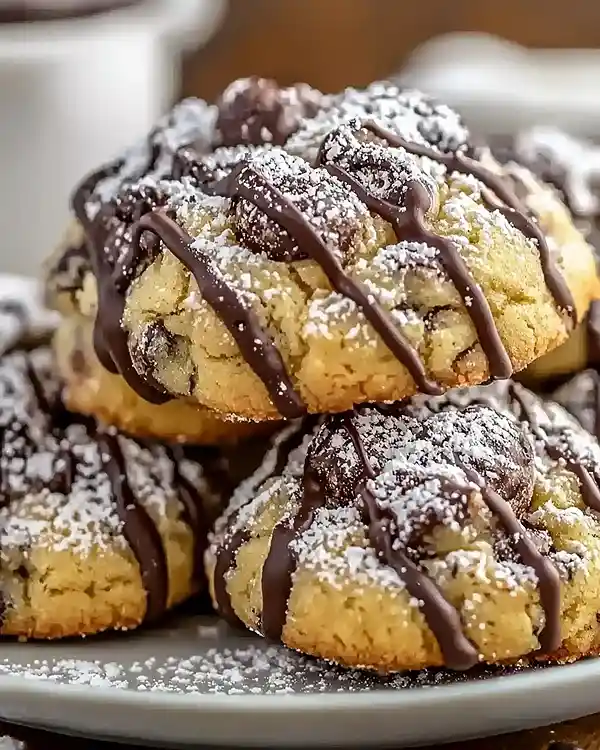
Expert Tips for Next-Level Results
Always drain your ricotta in a fine-mesh strainer for at least thirty minutes before using. Excess moisture creates soggy cookies that spread too much. I place mine over a bowl in the fridge overnight for maximum drainage and concentrated flavor.
For extra-crispy edges, brush the cookie tops with melted butter before baking. This technique adds richness and creates appealing caramelization. Don’t use margarine—real butter makes a noticeable difference in flavor depth.
If your dough feels too sticky to roll, refrigerate it for fifteen minutes. Cold dough handles more easily and maintains better shape during cutting. You can also work in one-tablespoon increments of additional flour until the texture cooperates.
Want to amplify the Italian authenticity? Add a tablespoon of amaretto to the dough for subtle almond notes. This variation earned rave reviews when I served them at last year’s holiday party. Explore more authentic Latin flavor techniques for creative cookie variations.
Creative Variations to Try
Chocolate-Dipped Decadence
Melt eight ounces of dark chocolate and dip half of each cooled cookie into the chocolate. Place them on parchment to set, then drizzle with white chocolate for a sophisticated finish. These cookies Italian-style become instant showstoppers at any gathering.
Orange Zest Mediterranean Twist
Replace lemon zest with orange zest and add a quarter teaspoon of cinnamon to the dough. Swap pistachios for toasted almonds for a different textural experience. This version tastes like a Sicilian Christmas morning.
Gluten-Free Adaptation
Use a one-to-one gluten-free flour blend like Bob’s Red Mill. Add a quarter teaspoon of xanthan gum if your blend doesn’t include it. The texture will be slightly more delicate, so handle these Italian sweet snacks gently.
Holiday Cranberry Version
Fold dried cranberries and white chocolate chips into the filling instead of traditional chocolate and pistachios. Dust with red and green sugar crystals for festive appeal. I make these every Thanksgiving and they disappear within minutes.
Espresso Enhancement
Mix one tablespoon of finely ground espresso powder into the dry ingredients. This creates a subtle coffee undertone that complements the ricotta beautifully. Coffee lovers go absolutely wild for this variation.
Storage and Make-Ahead Strategies
Store cooled cookies in an airtight container at room temperature for up to four days. Layer them between parchment paper sheets to prevent sticking. They actually taste better on day two after the flavors meld together overnight.
For longer storage, freeze unfilled cookies in freezer bags for up to three months. Thaw them at room temperature for thirty minutes, fill them fresh, and dust with powdered sugar before serving. This method keeps the filling creamy rather than icy.
Storage Times Reference
| Storage Method | Duration | Notes |
|---|---|---|
| Room temperature | 4 days | In airtight container |
| Refrigerated | 1 week | May lose some crispness |
| Frozen (unfilled) | 3 months | Thaw before filling |
| Frozen (filled) | 6 weeks | Texture changes slightly |
You can prepare the dough up to two days ahead and keep it wrapped tightly in the refrigerator. Let it sit at room temperature for fifteen minutes before rolling—cold dough cracks easily.
Perfect Pairings and Serving Ideas

Serve these best cannoli cookies alongside espresso or cappuccino for an authentic Italian café experience. The coffee’s bitterness balances the cookies’ sweetness perfectly. I love arranging them on a rustic wooden board with fresh berries and mint leaves for visual appeal.
For dinner parties, create a cookie platter with these cannoli cookies, seasonal holiday treats, and simple biscotti. This variety satisfies different taste preferences without requiring multiple complex recipes.
Sweet dessert wines like Vin Santo or Moscato d’Asti complement these cookies beautifully. The wine’s honeyed notes echo the ricotta’s subtle sweetness while cutting through the chocolate richness.
Best Cannoli Cookies Recipe FAQs
What are cannoli cookies?
Cannoli cookies are Italian sweet snacks inspired by traditional cannoli but made in convenient cookie form. They feature a tender, slightly sweet dough filled with ricotta cheese, chocolate chips, and pistachios. Unlike classic cannoli that require deep-frying pastry shells, these cookies bake in a standard oven and assemble much faster.
Do cannoli cookies have to be refrigerated?
Cannoli cookies don’t require refrigeration for short-term storage and actually taste best at room temperature. Store them in an airtight container for up to four days, keeping them away from humidity. Refrigeration extends their life to one week but may soften the exterior texture slightly.
What is in the crumbl cannoli cookie?
The Crumbl cannoli cookie contains a vanilla sugar cookie base topped with cannoli filling made from mascarpone, ricotta, powdered sugar, and mini chocolate chips. This recipe creates a similar flavor profile using ricotta cheese, chocolate chips, pistachios, and lemon zest in a folded cookie format. You’ll get that signature cannoli taste without needing specialty ingredients like mascarpone.
What is the best cheese for cannoli cookies?
The best cheese for cannoli cookies is whole-milk ricotta that’s been properly drained to remove excess moisture. Look for brands like Belgioioso, Calabro, or Galbani at your local grocery store. Avoid low-fat or skim ricotta, as they lack the creamy richness needed for authentic flavor and texture in these Italian layered cookies.
Final Thoughts: Your New Cookie Obsession Awaits
These best cannoli cookies deliver everything you love about Italian bakeries without requiring professional pastry skills. They’ve rescued me from countless last-minute dessert emergencies and earned more compliments than any complicated cake I’ve ever attempted. Isn’t it amazing how simple ingredients transform into something this memorable?
The beauty of this recipe lies in its flexibility—make them traditional or experiment with the variations until you find your signature version. Your kitchen will smell like an Italian pasticceria, and your friends will think you spent hours on these when they really take less than forty minutes of active work.
I’d love to hear how your cannoli cookies turn out! Did you try the espresso variation or stick with the classic? Drop a comment below with your favorite pairing ideas or any creative twists you discovered. Happy baking, friends—these cookies are about to become your new go-to dessert.