
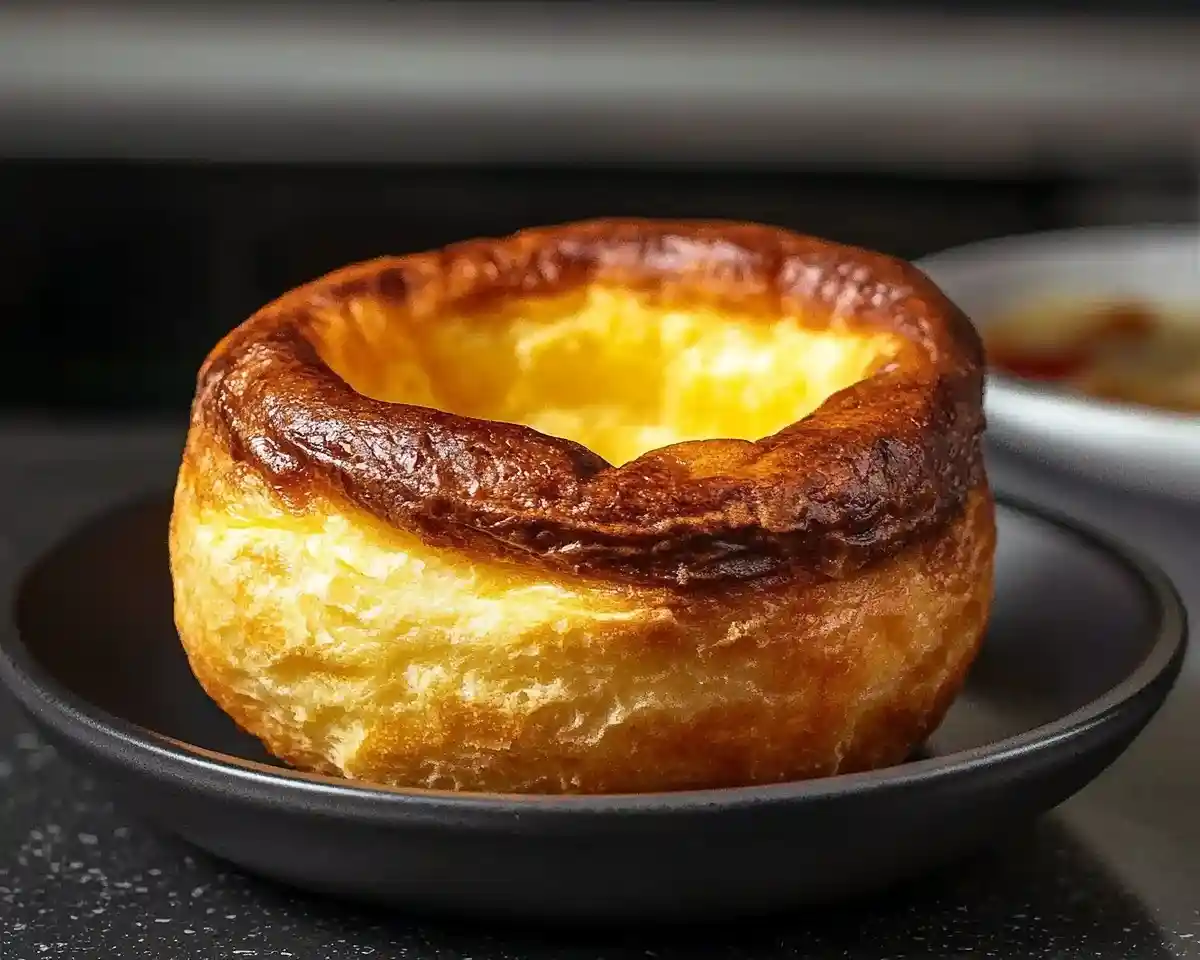
Yorkshire pudding recipe with foolproof tips for crispy, golden results every time. Master this classic British side dish with our tested method using simple ingredients.
Hey, I’m Linda! Welcome to Tasty at Home, where bold flavors meet everyday kitchens.
Let me tell you, my first Yorkshire pudding was a disaster. Flat, chewy, and honestly? Kind of sad-looking. I’d seen those gorgeous, puffy golden beauties at Sunday roasts and thought, “How hard could it be?”
Well… turns out, pretty hard if you don’t know the secrets. After dozens of batches (my family got really tired of Yorkshire pudding that month), I finally cracked the code. Now they rise like magic—crispy on the outside, soft inside, and absolutely showstopping.
The game-changer? Resting the batter overnight and getting that fat smoking hot. Once I figured that out, everything clicked. These Yorkshire puddings have become my signature side dish, and people actually request them for holidays now.
Tasty at Home – Where bold flavors meet everyday kitchens.
Table of Contents
What Makes This Yorkshire Pudding Recipe Special

This isn’t just another Yorkshire pudding recipe. It’s the result of extensive testing and traditional British techniques adapted for American kitchens.
The secret lies in three critical factors: batter consistency, proper resting time, and blazing-hot fat. Most recipes skip the overnight rest, but that’s where the magic happens. The gluten relaxes, and the batter develops deeper flavor.
I’ve tested this recipe with beef drippings, vegetable oil, and even shortening. Each fat creates slightly different results, but all produce that signature rise and golden crust. You’ll get restaurant-quality results right in your home oven.
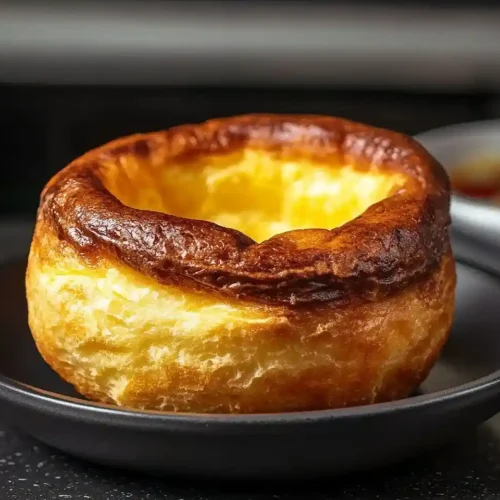
Ultimate Yorkshire Pudding
Equipment
- Mixing bowl
- Whisk
- Muffin tin or cast iron skillet
- Oven
Ingredients
Yorkshire Pudding Batter
- 4 Large eggs room temperature
- 1 cup All-purpose flour spooned and leveled
- ¾ cup Whole milk
- ½ tsp Kosher salt
- 1 tbsp Water
- ½ cup Beef drippings or oil for baking
Instructions
- Whisk eggs, flour, milk, water, and salt until completely smooth. Rest the batter for at least 30 minutes or refrigerate overnight for best results.
- Preheat oven to 450°F (230°C). Divide fat into baking vessels and heat in the oven until smoking hot.
- Carefully pour batter into the hot fat, filling wells halfway. Return immediately to the oven.
- Bake until dramatically risen and deep golden brown, about 20–25 minutes depending on size. Do not open the oven door early.
- Serve immediately while crisp and hot.
Notes
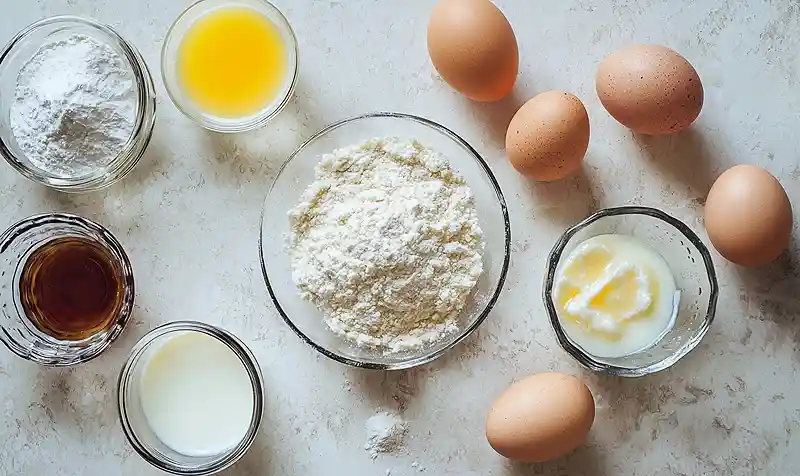
Ingredients for Perfect Yorkshire Pudding
Before we dive into measurements, let’s talk ingredient quality. Fresh eggs create better structure and richer color. Use all-purpose flour with around 10-12% protein content for the ideal texture. Whole milk adds richness, though you can adapt for skim milk using the notes below.
| Ingredient | US Measurement | Metric | Notes |
|---|---|---|---|
| Large eggs | 4 | 200 g (7 oz) | Room temperature works best |
| All-purpose flour | 1 cup + 2 tsp | 150 g (5.25 oz) | Spoon and level for accuracy |
| Whole milk | 3/4 cup | 175 g (6 oz) | See substitution notes |
| Kosher salt | 1/2 tsp | 2 g | Diamond Crystal brand |
| Water | 1 tbsp + 2 tsp | 25 g (0.85 oz) | Omit if using skim milk |
| Beef drippings or oil | 1/2 cup | 100 ml | See fat options below |
Shopping Tips for American Grocery Stores
Finding beef drippings can be tricky at standard US supermarkets. Ask your butcher counter—they often have them available or can save some for you. Alternatively, save drippings from your next roast beef dinner.
For the best rise, choose large eggs labeled “Grade A.” The flour should be fresh—check the date and avoid bags that have been sitting on shelves too long. Store-brand all-purpose flour works perfectly fine for this recipe.
Whole milk creates the richest flavor and best texture. However, 2% milk works in a pinch with slight adjustments to the water ratio.
Essential Ingredients Grouped by Purpose
Structure Builders: Eggs and flour create the foundation. The protein in both ingredients forms the structure that puffs dramatically in high heat.
Liquid Components: Milk and water thin the batter to the perfect consistency. This ratio is crucial—too thick and your puddings won’t rise; too thin and they’ll collapse.
Fat Options: Beef drippings give authentic British flavor. Vegetable oil creates lighter puddings. Lard produces incredibly crispy exteriors. Shortening works well for a neutral taste.
Ingredient Substitutions
For dairy-free: Use unsweetened almond milk or oat milk with the same measurements as whole milk. Add one extra tablespoon of oil to compensate for missing milk fat.
For low-fat version: Replace whole milk with skim milk. Increase skim milk to 1 cup minus 2 tablespoons and omit the water completely.
Fat alternatives: If beef drippings aren’t available, use an equal amount of vegetable oil, melted lard, or even bacon fat for a smoky twist. Each creates excellent results with slightly different flavor profiles.
Equipment You’ll Need
The right tools make all the difference with Yorkshire pudding. You’ll need mixing bowls, a whisk, and most importantly—the right baking vessel.
Baking Vessel Options:
- Two 8-inch cast iron skillets (makes 2 large puddings)
- Two 6-well popover tins (makes 8-12 popovers)
- One 12-well standard muffin tin (makes 12 medium puddings)
- One 24-well mini muffin tin (makes 24 small puddings)
Cast iron is my personal favorite. It holds heat beautifully and creates incredibly crispy edges. If you don’t have cast iron, a heavy oven-safe nonstick skillet works great too.
You’ll also need a heat-proof surface near your oven. I use an aluminum baking sheet on my stovetop. This lets you safely pour batter into the smoking-hot pans without burning yourself.
A medium mixing bowl and standard whisk are perfect for the batter. Skip the electric mixer—you want a smooth batter, not an over-mixed one.
Step-by-Step Instructions for Yorkshire Pudding Perfection
Step 1: Create the Batter
Combine eggs, flour, milk, water, and salt in a medium bowl. Whisk vigorously until completely smooth with no lumps remaining. The consistency should resemble heavy cream—thin enough to pour easily but with some body.
Let the batter rest at room temperature for at least 30 minutes. This short rest allows the flour to hydrate fully and gluten strands to relax slightly.
For absolutely guaranteed results, transfer the batter to an airtight container and refrigerate overnight or up to 3 days. This extended rest is what professional British cooks swear by (as chef Thomas Keller notes about resting batters for optimal texture). Remove from the refrigerator while preheating your oven.
My Mistake Alert: I used to skip the resting time completely. The puddings still rose, but they were dense and chewy instead of light and crispy. That overnight rest transformed everything.
Step 2: Preheat Fat Until Smoking
Adjust your oven rack to the center position. Preheat the oven to 450°F (230°C)—this high temperature is non-negotiable for proper rise.
Divide your chosen fat evenly between your baking vessels. For two 8-inch skillets, use about 1/4 cup per skillet. For muffin tins, add about 1-2 teaspoons per well depending on size.
Place the pans in the preheating oven. Let the fat heat until it’s visibly smoking, approximately 10 minutes. The fat must be extremely hot—this creates instant steam when the batter hits it, causing that dramatic rise.
You’ll know it’s ready when you can see wisps of smoke rising from the fat. Don’t skip this step or rush it.
Step 3: Add Batter to Hot Fat
Here’s where things get exciting. Transfer the hot pans to your heat-proof surface near the oven. Work quickly but carefully—that fat is dangerously hot.
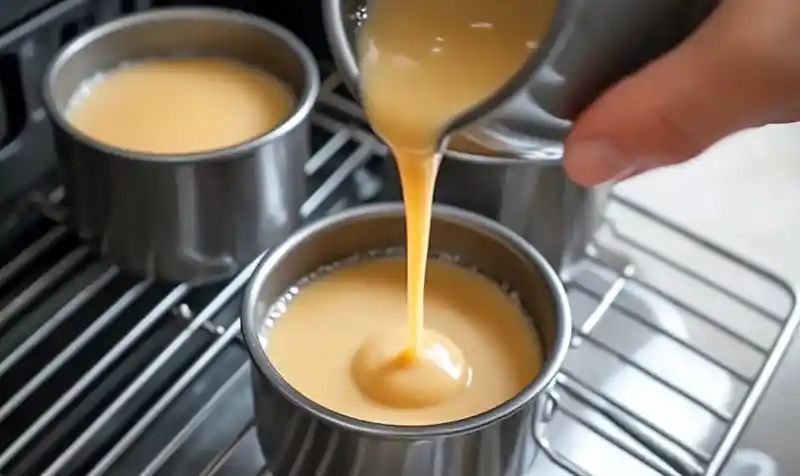
Pour or ladle the batter evenly into each well or pan. Fill wells between 1/2 and 3/4 full for individual puddings. For large skillets, fill only about 1/4 of the way up the sides.
The batter should sizzle immediately when it hits the hot fat. That sizzle is your friend—it means everything is working correctly. Immediately return the pans to the oven and close the door quickly to maintain temperature.
Pro Tip: Don’t open the oven door for at least the first 15 minutes. Sudden temperature drops cause Yorkshire puddings to deflate, just like soufflés.
Step 4: Bake Until Golden and Crispy
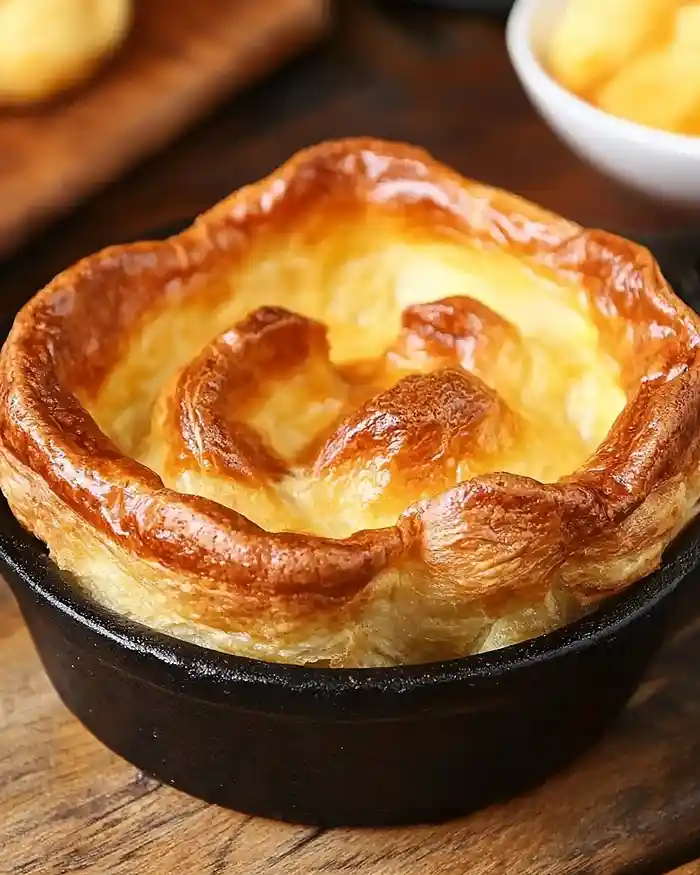
Bake until the Yorkshire puddings have nearly quadrupled in volume. They should be deep golden brown all over with darker, crispy edges. The tops should feel crisp when gently tapped, and they should sound hollow.
Mini muffin-sized puddings take approximately 15 minutes. Standard muffin size needs 20-22 minutes. Popover-sized or large skillet puddings require around 25 minutes.
The puddings will puff dramatically—we’re talking seriously impressive height. They’ll rise far above the rim of your muffin tin. Don’t worry; this is exactly what should happen.
Watch through the oven window during the last 5 minutes. You’ll see them transform from pale and puffy to golden and gorgeous (Julia Child always emphasized visual cues for perfect doneness in her classic techniques).
Step 5: Serve Immediately
Remove the Yorkshire puddings from the oven when they’re deeply golden and crispy. Serve them immediately while still hot for the best texture and flavor.
They’ll deflate slightly as they cool, which is completely normal. The exteriors should remain crispy while the interiors stay slightly soft and tender.
Alternatively, let them cool completely if you’re making them ahead. Transfer cooled puddings to a zipper-lock freezer bag and freeze for up to 3 months. This makes them perfect for holiday meal prep.
To reheat frozen Yorkshire puddings, place them in a hot toaster oven at 400°F for 5-7 minutes. They’ll crisp back up beautifully.
Expert Tips for Yorkshire Pudding Success
Temperature is everything. Your oven must be fully preheated to 450°F, and that fat must be smoking hot. Cold batter hitting hot fat creates the steam that makes puddings rise. Never compromise on temperature.
Resting the batter overnight gives superior results. The gluten relaxes, creating lighter puddings with better rise. If you’re short on time, even 30 minutes helps, but overnight is worth planning for.
Don’t open the oven door early. Resist the temptation to peek for at least 15 minutes. Sudden temperature changes cause puddings to collapse before they’ve set their structure.
Use the right fat for your flavor preference. Beef drippings create authentic, savory Yorkshire pudding with incredible depth. Vegetable oil makes lighter puddings. Lard produces the crispiest exteriors possible.
Fill wells correctly. Too much batter and they’ll overflow; too little and they won’t rise properly. Aim for that 1/2 to 3/4 full sweet spot for individual puddings.
Creative Variations to Try
Herb-Infused Yorkshire Pudding: Add 2 tablespoons of finely chopped fresh rosemary, thyme, or sage to the batter. This creates a beautifully aromatic side dish perfect for Thanksgiving turkey or Christmas roasts.
Cheddar and Chive Version: Stir 1/2 cup shredded sharp cheddar and 2 tablespoons minced chives into the batter. These make excellent standalone snacks or brunch items.
Sweet Yorkshire Pudding: Reduce salt to 1/4 teaspoon and add 2 tablespoons sugar plus 1 teaspoon vanilla extract. Serve with jam, fresh berries, or maple syrup for a unique dessert.
Giant Toad-in-the-Hole Style: Place cooked sausages in a large cast iron skillet with the hot fat, then pour batter around them. Bake as directed for a complete one-pan meal.
Gluten-Free Adaptation: Replace all-purpose flour with a 1-to-1 gluten-free flour blend containing xanthan gum. The texture differs slightly but still produces impressive rise and golden color.
Storage and Make-Ahead Instructions
Yorkshire puddings are best served fresh from the oven. However, they freeze remarkably well for convenient meal prep.
Room Temperature Storage: Store cooled Yorkshire puddings in an airtight container at room temperature for up to 2 days. Reheat in a 400°F oven for 5 minutes to restore crispness.
Freezing Instructions: Cool completely after baking. Transfer to a zipper-lock freezer bag, removing as much air as possible. Freeze for up to 3 months without quality loss.
Reheating from Frozen: Place frozen Yorkshire puddings directly in a preheated 400°F toaster oven or regular oven. Heat for 5-7 minutes until warmed through and crispy. Don’t microwave—they’ll turn soggy.

| Storage Method | Duration | Best Reheating Method |
|---|---|---|
| Room temperature | 2 days | 400°F oven, 5 minutes |
| Refrigerator | 4 days | 400°F oven, 5-7 minutes |
| Freezer | 3 months | 400°F oven, 7-10 minutes |
Perfect Pairings
Yorkshire puddings traditionally accompany roast beef with gravy. The puddings soak up the rich, savory juices beautifully. Serve them alongside crispy air fryer breaded chicken breast for a modern twist on Sunday dinner.
They also pair wonderfully with air fryer crispy onions scattered on top for added crunch. For a complete British-inspired meal, serve with roasted vegetables and crispy gnocchi in the air fryer as an unconventional but delicious side combination.
Consider Yorkshire pudding as a base for creative appetizers too. Fill them with creamed mushrooms, beef stew, or even pulled pork for impressive party food.
Yorkshire Pudding FAQs
Can Yorkshire pudding batter be made ahead of time?
Yorkshire pudding batter can be made ahead of time and actually improves with resting. Refrigerate the prepared batter for up to 3 days before using. Remove it from the refrigerator while preheating your oven for best results. The overnight rest creates lighter, crispier puddings with better rise.
What causes chewy Yorkshire pudding instead of crispy?
Chewy Yorkshire pudding results from several issues: batter that’s too thick, fat that wasn’t hot enough, or insufficient baking time. The batter should be thin like heavy cream, and the fat must be smoking hot before adding batter. Bake until deeply golden and completely crisp to avoid chewiness.
Why did my Yorkshire pudding not rise properly?
Yorkshire pudding won’t rise if the oven temperature is too low, the fat isn’t hot enough, or you opened the oven door too early. Always preheat to 450°F, heat fat until smoking, and avoid opening the door for at least 15 minutes. Cold batter meeting extremely hot fat creates the steam necessary for dramatic rise.
What’s the best fat for making Yorkshire pudding?
Beef drippings are traditional and create the most authentic Yorkshire flavor with excellent rise. However, vegetable oil, lard, or shortening all work beautifully. Each fat produces slightly different results—lard creates the crispiest texture, while oil makes lighter puddings. Use whichever fits your preference and dietary needs.
Final Thoughts on Perfect Yorkshire Pudding
Man, oh man, there’s nothing quite like pulling a pan of perfectly risen Yorkshire puddings from your oven. That golden color, the crispy edges, the dramatic height—it’s seriously satisfying.
These puddings have transformed my Sunday dinners and holiday meals. They’re surprisingly simple once you understand the key principles: hot fat, proper batter consistency, and patience while baking.
Serve your Yorkshire puddings with classic roast beef and gravy, or get creative with modern fillings and flavor variations. Either way, you’re in for a treat. The crispy exterior gives way to a tender, slightly custardy interior that’s absolute perfection.
Try this Yorkshire pudding recipe this weekend and let me know how it turns out! Drop a comment below with your favorite serving suggestions or any creative variations you discover.
Ready to master more classic comfort foods? Explore our complete guide to traditional British cooking techniques and American adaptations for unforgettable meals.
