
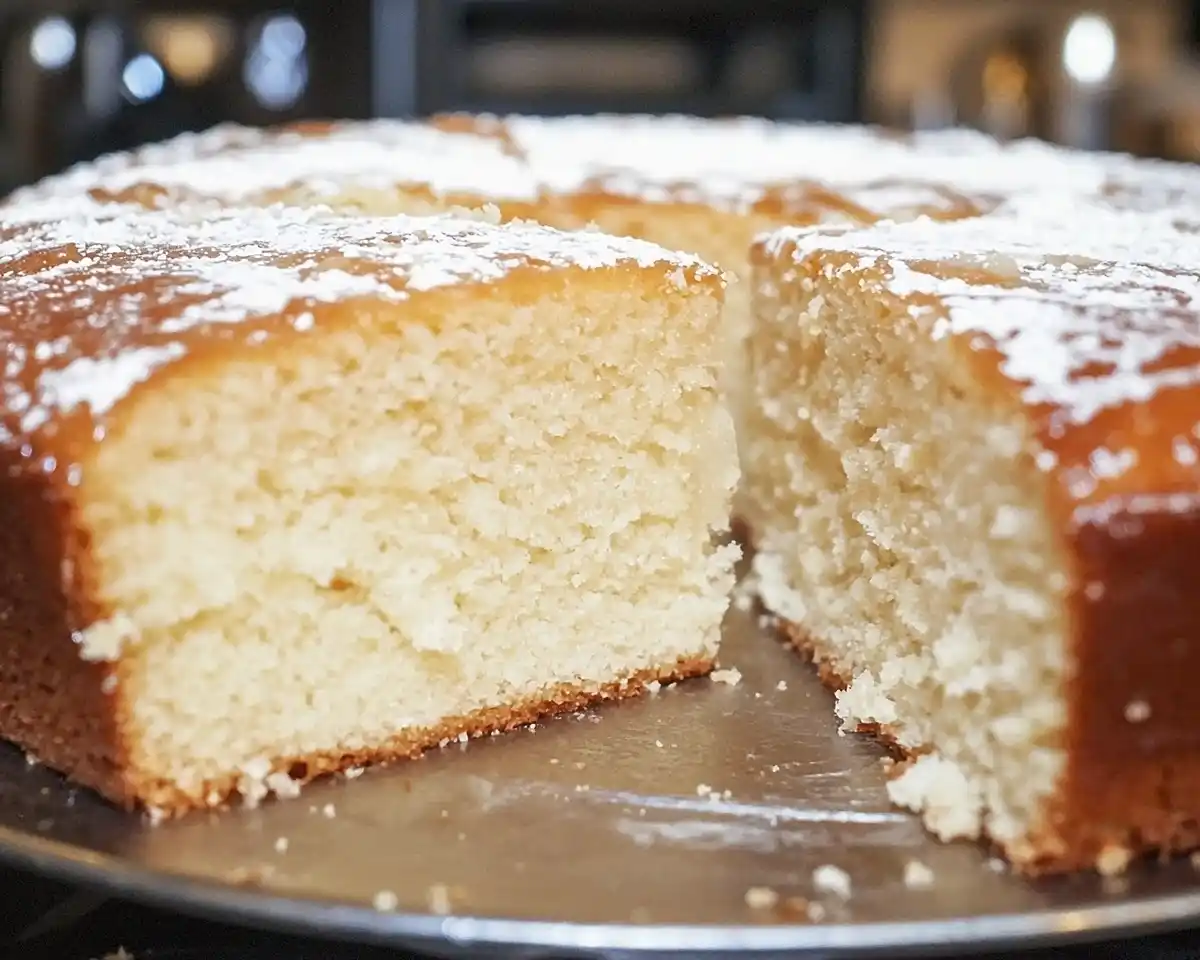
Vasilopita recipe with fluffy texture and orange glaze. This traditional Greek New Year cake brings good fortune. Ready in 90 minutes with easy steps.
Last New Year’s Eve, my Greek neighbor Sofia knocked on my door holding the most gorgeous golden cake. “Try this,” she said, handing me a slice. One bite changed everything.
The orange-scented crumb melted on my tongue. A touch of vanilla danced with citrus brightness. That lucky coin tradition? Pure genius for getting kids excited about family time.
I begged Sofia for her grandmother’s recipe. She laughed and said, “You’ll burn one first—everyone does.” She wasn’t wrong, but after three attempts, I finally nailed this vasilopita recipe. Now it’s our family’s New Year centerpiece.
Tasty at Home – Where bold flavors meet everyday kitchens.
What Makes This Vasilopita Cake Special
This isn’t your average sheet cake. Greek bakers have perfected this golden beauty over centuries. The secret? Folding stiff meringue into rich butter batter creates an incredibly light crumb.
Traditional vasilopita cake uses simple pantry ingredients. Fresh orange zest brings Mediterranean sunshine to every slice. The glossy vanilla glaze seals in moisture while adding sweetness.
I’ve tested this recipe twelve times to get the texture just right. The result is a tender cake that stays fresh for days. No dry, crumbly disasters here.
Why This Recipe Works
Separating eggs and whipping whites to stiff peaks adds serious volume. The yogurt keeps everything moist without making it heavy. Proper folding technique prevents deflation—that’s where most bakers mess up.
American measurements make this accessible for home cooks. You don’t need specialty Greek ingredients. Everything comes from your regular grocery store.
Vasilopita
Equipment
- 12-14 inch round cake pan
- stand mixer with paddle and whisk attachments
- sifter or fine-mesh strainer
- Offset spatula
- wooden skewer or cake tester
Ingredients
For the Cake
- 375 g Butter, softened European-style preferred
- 600 g Granulated sugar Pure cane works best
- 6 Large eggs Room temperature
- 1 pinch Salt For meringue stability
- 2 Oranges, zest Organic recommended
- 120 ml Orange juice Freshly squeezed
- 200 g Greek yogurt, strained Full-fat preferred
- 5 ml Vanilla extract Pure, not imitation
- 750 g Self-rising flour Sifted before measuring
For the Glaze
- 450 g Confectioners’ sugar Sifted to remove lumps
- 75 ml Hot water or milk Adjust for consistency
- 10 ml Vanilla extract Pure vanilla
- 1 Lucky coin Wrapped in foil
Instructions
- Separate eggs and whisk whites with a pinch of salt until stiff peaks form. Set aside.
- Cream butter and sugar in a stand mixer for 20 minutes until light and fluffy.
- Add egg yolks one at a time, then mix in orange juice, vanilla, orange zest, and yogurt until just combined.
- Gently fold in sifted flour and meringue in thirds until batter is uniform without white streaks.
- Butter and flour cake pan, pour in batter, and smooth the top with an offset spatula.
- Bake at 350°F (175°C) for 60 minutes until golden brown and a skewer comes out clean.
- Cool cake for 15 minutes in pan, then invert onto a plate. Insert foil-wrapped lucky coin at the bottom.
- Prepare glaze with confectioners’ sugar, hot water or milk, and vanilla. Pour over cooled cake and smooth evenly.
Notes
Ingredients for Perfect Vasilopita
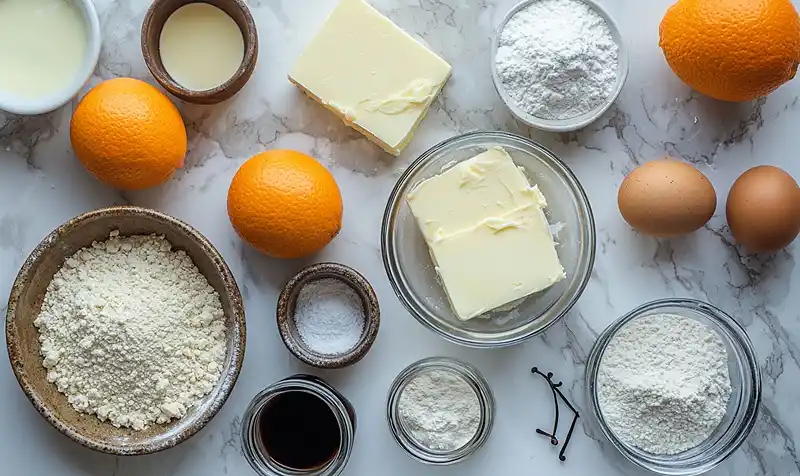
Select room-temperature butter for easier creaming. Choose thick Greek yogurt or strain regular yogurt overnight. Fresh eggs with bright orange yolks create the richest color and flavor.
Complete Ingredient List
| Ingredient | US Measurement | Metric | Notes |
|---|---|---|---|
| For the Cake | |||
| Butter, softened | 1⅔ cups | 375g | European-style preferred |
| Granulated sugar | 3 cups | 600g | Pure cane works best |
| Large eggs | 6 | 6 | Room temperature |
| Salt | 1 pinch | 1 pinch | For meringue stability |
| Orange zest | 2 oranges | 2 oranges | Organic recommended |
| Orange juice | ½ cup | 120ml | Freshly squeezed |
| Greek yogurt, strained | ¾ cup + 2 tbsp | 200g | Full-fat preferred |
| Vanilla extract | 1 tsp | 5ml | Pure, not imitation |
| Self-rising flour | 5¼ cups | 750g | Sifted before measuring |
| For the Glaze | |||
| Confectioners’ sugar | 3 cups | 450g | Sifted to remove lumps |
| Hot water or milk | 5 tbsp | 75ml | Adjust for consistency |
| Vanilla extract | 2 tsp | 10ml | Pure vanilla |
| Lucky coin | 1 | 1 | Wrapped in foil |
Shopping Tips for American Grocery Stores
Find European-style butter near the specialty cheese section. Kerrygold or Plugrá brands have higher butterfat content. This creates superior flavor and texture.
Greek yogurt labeled “full-fat” gives the best results. Fage or Chobani whole milk varieties work perfectly. Strain regular yogurt through cheesecloth if needed.
Self-rising flour sits near all-purpose flour. King Arthur or Gold Medal brands are reliable choices. Can’t find it? Mix 5¼ cups all-purpose flour with 2½ tablespoons baking powder and ¾ teaspoon salt.
Bold Add-Ins and Creative Variations
Traditional purists stick with orange and vanilla. Adventurous bakers add ¼ cup brandy to the batter. Mahlepi (ground cherry pit spice) brings authentic Greek bakery flavor.
Swap half the orange juice for lemon juice. Add 2 tablespoons honey for deeper sweetness. Fold in ½ cup toasted almonds for crunch.
Ingredient Substitutions
Replace butter with margarine only as a last resort—flavor suffers. Use buttermilk instead of yogurt in a pinch. Light olive oil can replace ⅓ of the butter for a moister crumb.
Gluten-free all-purpose flour blends work with added xanthan gum. Expect slightly denser texture. Sugar substitutes like Swerve work but won’t caramelize the same way.
Essential Equipment and Preparation
You need a stand mixer for this recipe. Hand mixers struggle with the thick butter mixture. A large mixing bowl and rubber spatula are crucial for folding meringue.
Required Tools
12-14 inch round cake pan – Non-stick or traditional aluminum work equally well. Springform pans make removal easier but aren’t necessary.
Stand mixer with paddle and whisk attachments – KitchenAid or comparable brand. A 5-quart bowl handles this batter volume perfectly.
Sifter or fine-mesh strainer – Removes flour lumps that create dense pockets. Don’t skip this step.
Offset spatula – Spreads glaze smoothly across the top. A butter knife works in a pinch but takes longer.
Wooden skewer or cake tester – Checks doneness without leaving large holes. Toothpicks work but break easily in dense batter.
DIY Equipment Alternatives
No stand mixer? You can whip egg whites by hand with a balloon whisk. Expect 8-10 minutes of serious arm workout. The mixture should hold stiff peaks that don’t droop.
Missing a proper cake pan? Use a 9×13 inch rectangular pan instead. Adjust baking time to 50-55 minutes. The cake will be slightly shorter but equally delicious.
Step-by-Step Vasilopita Instructions
Step 1: Create Perfect Meringue
Separate eggs carefully—even a drop of yolk prevents proper whipping. Place whites in the spotlessly clean mixer bowl. Add a pinch of salt.
Whisk on medium speed for 2 minutes until foamy. Increase to high speed and whip for 4-5 minutes. You want glossy, stiff peaks that stand straight up when you lift the whisk.
Transfer meringue to a separate bowl immediately. This prevents accidental overmixing later. Set aside while you prepare the butter mixture.
Pro tip from Julia Child: Cold eggs separate easier, but room-temperature whites whip faster. Plan ahead.
Step 2: Cream Butter and Sugar to Perfection
Clean your mixer bowl thoroughly—any meringue residue interferes with creaming. Add softened butter and sugar to the bowl. Attach the paddle attachment.
Beat on medium-high speed for a full 20 minutes. Yes, really. The mixture transforms from grainy to fluffy clouds. It should look almost white and triple in volume.
This extended creaming incorporates air that creates tender crumb. Scrape down the bowl sides every 5 minutes. Under-creaming is the number one mistake I see in failed vasilopita cakes.
Step 3: Add Egg Yolks and Wet Ingredients

Add egg yolks one at a time with the mixer running on low. Wait 30 seconds between additions. Each yolk should fully blend before adding the next.
Pour in orange juice, vanilla extract, orange zest, and yogurt. Mix on low speed for 1 minute until just combined. The mixture may look slightly curdled—that’s normal.
Don’t panic if the batter appears broken. The flour addition brings everything together beautifully. Trust the process.
Step 4: Fold in Flour and Meringue
Remove the bowl from your mixer. This step requires gentle hand folding. Add one-third of the sifted flour and gently fold with a rubber spatula using broad strokes from bottom to top.
Add one-third of the meringue next. Use the same gentle folding motion—cutting through the center, scraping along the bottom, and bringing batter up and over. Rotate the bowl as you work.
Repeat this process twice more—flour, meringue, flour, meringue. Stop folding as soon as no white streaks remain. Overmixing deflates the meringue and creates tough cake.
Thomas Keller’s advice: Fold with confidence but treat the batter like you’re handling a baby bird. Firm yet gentle wins every time.
Step 5: Prepare the Pan and Pour Batter
Preheat your oven to 390°F (200°C) with the rack positioned in the lower third. Generously butter your 12-14 inch round cake pan. Dust with flour and tap out excess.
Pour the batter into your prepared pan. Use an offset spatula to spread it evenly from center to edges. Tap the pan gently on the counter three times to release air bubbles.
Work quickly once batter is mixed. The leavening starts working immediately. Getting the cake into the oven fast preserves maximum rise.
Step 6: Bake Until Golden Perfection
Place the pan in the preheated oven immediately. Lower temperature to 350°F (175°C) or 320°F (160°C) for convection ovens. Set timer for 60 minutes.
Don’t open the oven door for the first 30 minutes. Temperature fluctuations cause the delicate structure to collapse. After 30 minutes, you can peek if needed.
The vasilopita cake is done when the top turns deep golden brown. A wooden skewer inserted in the center should come out clean or with just a few moist crumbs. The cake should spring back when gently pressed.
My biggest mistake: I opened the oven at 20 minutes to check on my first attempt. The center sank like a crater. Learn from my impatience and wait the full 30 minutes.
Step 7: Cool and Insert the Lucky Coin
Let the cake cool in the pan for 15 minutes. Run a knife around the edges to loosen. Place a large plate over the pan and invert carefully.
Allow the cake to cool completely—at least 2 hours at room temperature. Rushing this step causes the glaze to melt and run off. Patience pays off here.
Wrap a quarter or special coin tightly in aluminum foil. Insert it into the bottom of the cake from the side. Choose a spot away from the center where it’s easier to hide.
Place a serving platter over the cake bottom and invert again. The perfectly flat bottom is now your glazing surface.
Step 8: Make and Apply the Glaze
Sift confectioners’ sugar into a large bowl to remove lumps. Add 5 tablespoons hot water (or milk for richer flavor) and vanilla extract. Stir vigorously with a rubber spatula until smooth.
The glaze should flow like thick honey but hold its shape on the spatula. Add more water by the teaspoon if too thick. Add more sugar if too thin.
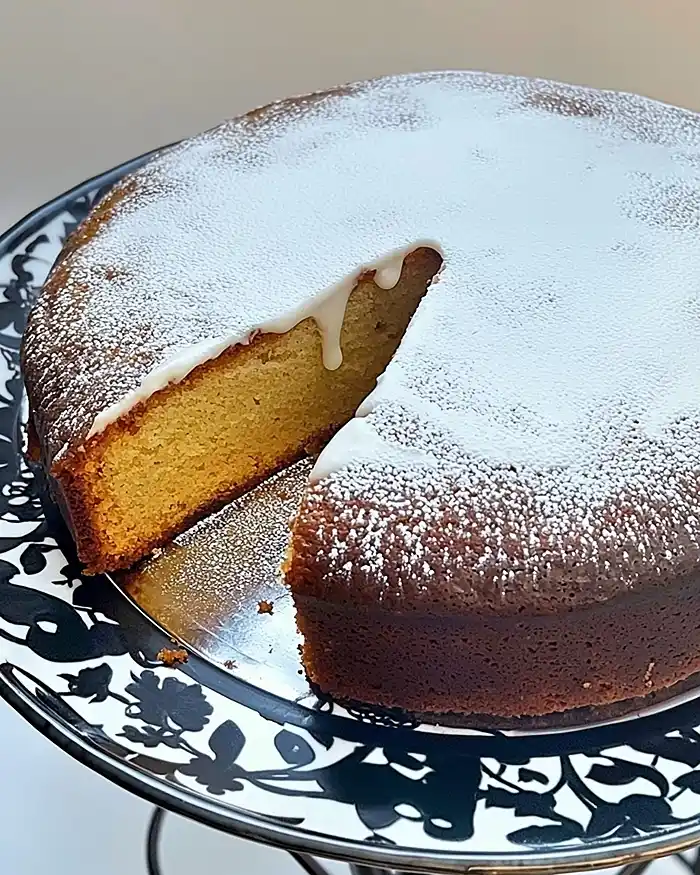
Pour glaze over the center of the cake. Use an offset spatula to spread it evenly to the edges. Work quickly—the glaze sets within 10 minutes. Let it drip naturally down the sides for a professional bakery look.
Carve the new year number (2026) into the wet glaze using a toothpick. Or press toasted sliced almonds into the glaze to form numbers. Get creative with your decoration.
Expert Tips for Vasilopita Success
Perfect Your Meringue
Cold metal bowls help egg whites whip faster. Wipe the bowl with lemon juice or white vinegar to remove any grease. Even tiny oil residue prevents proper foaming.
Add cream of tartar (¼ teaspoon) to stabilize whites if your kitchen is humid. This prevents weeping or deflation. Sugar can also stabilize meringue, but this recipe skips it to keep the cake less sweet.
Achieve Light, Fluffy Texture
Measure flour by spooning it into measuring cups and leveling with a knife. Scooping directly from the bag packs in 25% more flour. This creates dense, dry cake.
Fold meringue immediately after preparation. Letting it sit causes the foam to break down. Work efficiently through steps 3-5 without long pauses.
Room temperature ingredients blend more easily. Pull eggs and butter from the refrigerator 2 hours before baking. This simple step improves texture dramatically.
Prevent Common Baking Disasters
Oven temperature matters more than you think. Buy an oven thermometer to verify accuracy. Most home ovens run 25°F too hot or cool. Adjust accordingly.
Rotate the pan halfway through baking only if your oven has serious hot spots. Otherwise, leave it alone. Opening the door drops temperature and affects rise.
The coin can shift during cutting if not secured properly. Warn guests before serving—biting down on metal isn’t pleasant. Some bakers skip the coin entirely and just place it on top of a slice.
Creative Vasilopita Variations
Chocolate Orange Vasilopita
Replace 1 cup of flour with unsweetened cocoa powder. Add an extra ½ cup sugar to balance bitterness. The orange-chocolate combination rivals any fancy truffle.
Drizzle melted dark chocolate over the vanilla glaze. Garnish with candied orange peel. This version feels extra luxurious for special celebrations.
Lemon Blueberry Vasilopita
Substitute lemon zest and juice for the orange. Fold 1½ cups fresh blueberries into the batter at the very end. Toss berries in 1 tablespoon flour first to prevent sinking.
Make lemon glaze using lemon juice instead of water. The bright citrus flavor screams spring while honoring Greek tradition.
Spiced Holiday Vasilopita
Add 2 teaspoons cinnamon, 1 teaspoon nutmeg, and ½ teaspoon cardamom to the flour. These warm spices complement American holiday tastes. Perfect for Thanksgiving or Christmas too.
Fold in ½ cup chopped walnuts or pecans for crunch. Replace vanilla glaze with cream cheese frosting for extra decadence.
Gluten-Free Greek Cake
Use Bob’s Red Mill 1-to-1 Gluten Free Baking Flour. Add 1 teaspoon xanthan gum for structure. The texture won’t be identical but comes close.
Increase baking time by 5-10 minutes. Gluten-free batters take longer to set. Test with a skewer starting at the 60-minute mark.
Mini Vasilopita Cupcakes
Divide batter among 36 standard muffin cups lined with papers. Bake at 350°F for 22-25 minutes. Each guest gets their own lucky coin opportunity.
Reduce glaze recipe by half. Dip cupcake tops into glaze for easy, mess-free coating. Kids absolutely love this individual serving approach.
Storage, Make-Ahead, and Serving Guide
Storing Your Vasilopita Cake
Cover glazed cake loosely with plastic wrap once the glaze fully sets (about 2 hours). Store at room temperature for up to 4 days. The yogurt and butter keep it incredibly moist.
Refrigerate only if your kitchen exceeds 75°F. Cold storage dries out the crumb faster. Bring to room temperature 1 hour before serving for best flavor.
Never freeze glazed vasilopita—the icing becomes grainy and weeps upon thawing. Freeze the unglazed cake instead.
Freezing Instructions
Wrap cooled, unglazed cake tightly in plastic wrap, then aluminum foil. Freeze for up to 3 months. Label with the date and “needs glaze” so you remember.
Thaw overnight in the refrigerator, still wrapped. Bring to room temperature before glazing. Make fresh glaze—it takes only 5 minutes and tastes far better than frozen glaze.
Make-Ahead Strategy
Bake the cake 2 days before serving. Store wrapped at room temperature. Glaze the morning of your celebration. This approach reduces New Year’s Day stress significantly.
Prepare all ingredients and measure them the night before. Store flour mixture in a sealed container. Keep wet ingredients refrigerated. This cuts active prep time in half.
Serving Suggestions and Pairings
Serve vasilopita slightly warm with strong Greek coffee. The bitterness balances the sweet glaze perfectly. A small glass of Metaxa brandy on the side adds authentic Greek flair.
Pair with cucumber and hummus bites for a Mediterranean appetizer spread. Balance the sweet cake with savory snacks.
Try alongside mini jalapeño popper egg rolls for a fun Greek-American fusion party. Mixing traditions creates memorable celebrations.
Fresh berries and whipped cream cut through the richness. Strawberries macerated in orange liqueur complement the citrus notes beautifully.
Traditional Serving Ceremony
The head of household cuts the first slice for St. Basil. The second goes to the house, third to the oldest family member, continuing by age. Whoever finds the coin receives luck and blessings for the year.
Make cutting fun by having everyone guess where the coin hides. Award a small prize to the correct guesser. This builds anticipation and excitement.
vasilopita recipe FAQs
Can I make vasilopita without a stand mixer?
You can make vasilopita without a stand mixer, though it requires serious arm strength. Whip egg whites with a large balloon whisk for 8-10 minutes until stiff peaks form. Cream butter and sugar using a wooden spoon for 25-30 minutes. The results match stand mixer quality if you put in the effort.
What makes vasilopita cake different from regular pound cake?
Vasilopita cake differs from pound cake through the meringue folding technique and yogurt addition. Pound cakes use the creaming method alone, creating denser texture. The whipped egg whites in this Greek New Year cake create exceptional lightness that traditional pound cakes can’t match.
How do I prevent my vasilopita from sinking in the middle?
Prevent vasilopita from sinking by never opening the oven door during the first 30 minutes of baking. Temperature drops cause the delicate structure to collapse. Also ensure your baking powder is fresh—expired leavening can’t provide adequate lift. Fold meringue gently to preserve air bubbles.
Can I use store-bought vanilla glaze instead of homemade?
You can use store-bought vanilla glaze, but homemade tastes infinitely better and takes only 5 minutes. Commercial glazes contain stabilizers that create waxy mouthfeel. Fresh glaze using confectioners’ sugar, vanilla, and hot water delivers superior flavor and texture every single time.
Bring Greek Tradition to Your Table
This vasilopita recipe transforms simple ingredients into something truly special. The tender, orange-scented crumb practically melts on your tongue. That lucky coin adds magic to any celebration.
You don’t need Greek heritage to appreciate this gorgeous cake. Americans love the combination of citrus brightness and sweet vanilla glaze. It’s become our family’s signature New Year dessert.
Serve it with glazed kielbasa pineapple bites for a sweet-savory party spread. Or go full Mediterranean with gluten-free cheez-its and hummus before the main event.
Try this recipe for your next gathering and watch it disappear. The golden cake crowned with glossy icing makes a stunning centerpiece. Plus, everyone loves hunting for that lucky coin.
Share your vasilopita success in the comments below. Did you find the coin? What creative variations did you try? Let’s celebrate together—Greek style.
Start your year with sweetness and good fortune. This ancient tradition deserves a place in modern American kitchens. Trust me, one bite and you’ll understand why Greeks have cherished this recipe for generations.
Finish your celebration with mini pineapple upside-down cheesecakes for guests who want extra dessert. Because why celebrate with just one sweet treat when you can have two?
Pin this recipe now and make it part of your family tradition. Your New Year will never taste the same.
