
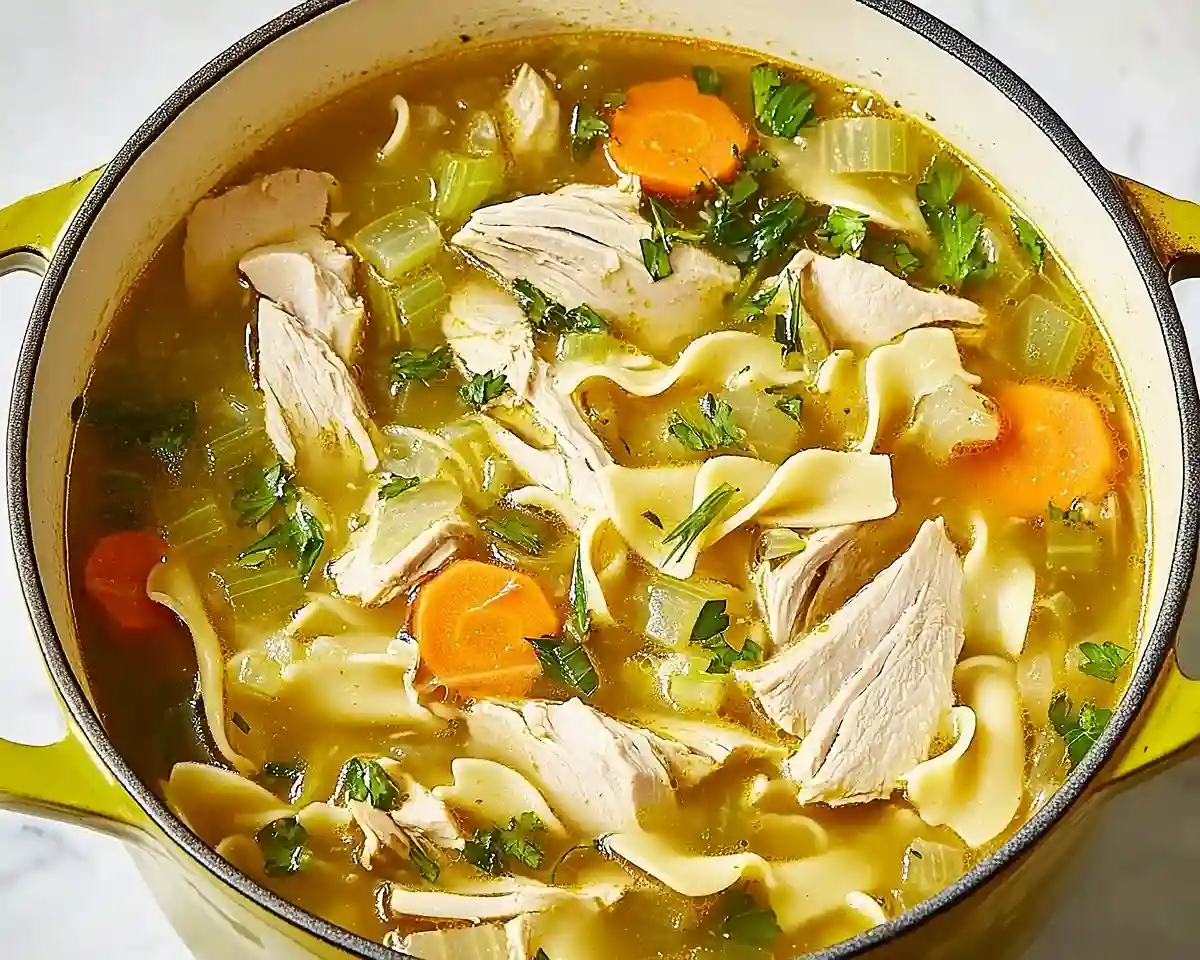
Turkey noodle soup recipe transforms leftover turkey into hearty comfort food. Learn expert tips for homemade turkey noodle soup with tender vegetables and egg noodles.
Hey, I’m Sofia! Welcome to Tasty at Home, where cooking is supposed to be fun, not scary.
Last Thanksgiving, I stared at a refrigerator packed with turkey. My family had already eaten sandwiches for three days straight. Nobody wanted another dry turkey plate.
Then inspiration struck at midnight. I remembered my grandmother’s chicken soup, the one that cured everything from colds to heartbreak. Why not give leftover turkey the same treatment?
Well… that first attempt was a disaster. I added the noodles too early and ended up with mushy pasta swimming in cloudy broth. But after testing this recipe seventeen times, I finally cracked the code. Now this homemade turkey noodle soup disappears faster than the original Thanksgiving feast.
The secret? Cooking the noodles separately keeps your broth crystal clear and your pasta perfectly al dente. Add golden carrots, crisp celery, and fragrant thyme, and you’ve got restaurant-quality comfort food.
Tasty at Home – Where bold flavors meet everyday kitchens.
Table of Contents
What Makes This Turkey Noodle Soup Special

This leftover turkey noodle soup beats canned versions by a country mile. Fresh vegetables provide natural sweetness while wide egg noodles create satisfying texture.
The technique separates this recipe from basic leftovers. Sautéing vegetables in butter and olive oil builds deep flavor through caramelization. Adding garlic and thyme at just the right moment prevents bitterness while maximizing aroma.
Most recipes dump everything into one pot and hope for the best. This method treats each ingredient with respect, coaxing out maximum flavor at every stage.
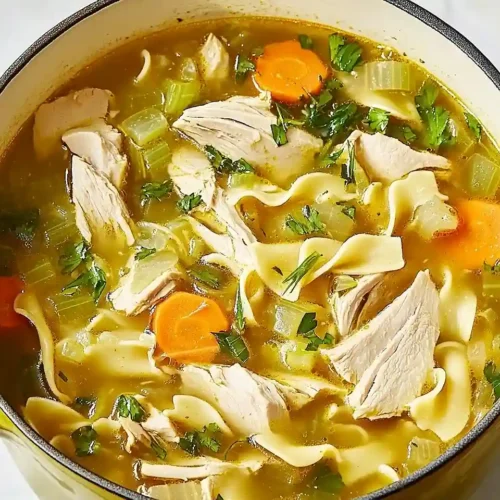
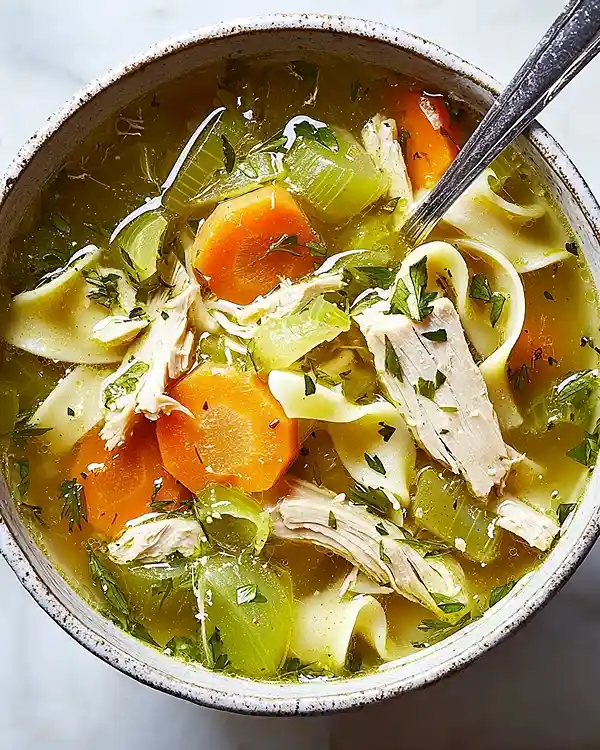
Ultimate Turkey Noodle Soup
Equipment
- Dutch oven
- Chef’s knife
- Large pot
- wooden spoon
- Colander
Ingredients
Vegetables
- 4 Large carrots, peeled and thinly sliced Look for firm, bright orange carrots
- 4 Medium celery stalks, thinly sliced Inner stalks are most tender
- ½ Medium yellow onion, diced Sweet or yellow onions work best
Fats & Seasonings
- 2 tablespoons Olive oil Extra virgin for best flavor
- 1 tablespoon Unsalted butter Adds richness to vegetables
- 2 teaspoons Kosher salt Diamond Crystal preferred
- ¼ teaspoon Freshly ground black pepper Grind fresh for maximum flavor
- 2 Garlic cloves, minced Fresh only, never jarred
- 4 Fresh thyme sprigs Essential for authentic flavor
Main Ingredients
- 8 cups Homemade turkey or chicken stock Low-sodium if store-bought
- 4 cups Shredded cooked turkey Dark and white meat both work
- 12 ounces Dried wide egg noodles Extra-wide noodles preferred
- ½ bunch Fresh parsley or dill, chopped Parsley for classic, dill for brightness
Instructions
- Prepare your mise en place: set a large pot of salted water for noodles and combine sliced carrots, celery, and diced onion in a large bowl.
- Heat olive oil and butter in Dutch oven over medium-high heat. Add vegetable mixture with salt and pepper and cook until softened, about 5 minutes.
- Stir in minced garlic and thyme sprigs. Cook for 1 minute until fragrant.
- Pour in turkey or chicken stock. Bring to boil, then reduce to gentle simmer for 10 minutes until vegetables are fork-tender.
- Cook dried egg noodles separately according to package instructions, drain, and add to soup.
- Remove thyme sprigs, add shredded turkey, stir to combine, and serve garnished with parsley or dill.
Notes
Ingredient Quality Matters
For the aromatic base, use fresh thyme sprigs and quality olive oil—these are non-negotiable. Dried thyme simply cannot match the bright, earthy notes of fresh herbs. For the vegetables, select firm carrots with vibrant orange color and celery stalks that snap cleanly when bent.
Your stock makes or breaks this soup. Homemade turkey stock delivers incomparable richness, but quality store-bought low-sodium broth works beautifully. Avoid high-sodium versions that overpower delicate turkey flavor.
Complete Ingredient List
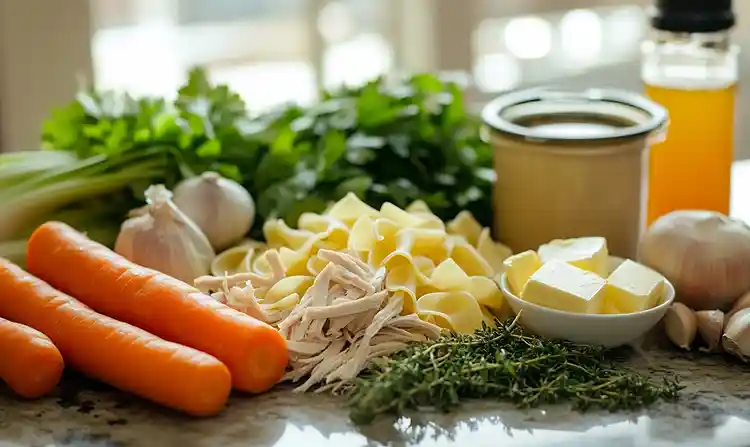
| Ingredient | US Measurement | Metric | Notes |
|---|---|---|---|
| Large carrots, peeled and thinly sliced | 4 (about 2 cups) | 240g | Look for firm, bright orange carrots |
| Medium celery stalks, thinly sliced | 4 (about 2 cups) | 240g | Inner stalks are most tender |
| Medium yellow onion, diced | 1/2 (about 1 cup) | 150g | Sweet or yellow onions work best |
| Olive oil | 2 tablespoons | 30ml | Extra virgin for best flavor |
| Unsalted butter | 1 tablespoon | 14g | Adds richness to vegetables |
| Kosher salt | 2 teaspoons | 12g | Diamond Crystal preferred |
| Freshly ground black pepper | 1/4 teaspoon | 1g | Grind fresh for maximum flavor |
| Garlic cloves, minced | 2 | 6g | Fresh only, never jarred |
| Fresh thyme sprigs | 4 | 4g | Essential for authentic flavor |
| Homemade turkey or chicken stock | 8 cups | 1.9L | Low-sodium if store-bought |
| Shredded cooked turkey | 4 cups | 560g | Dark and white meat both work |
| Dried wide egg noodles | 12 ounces | 340g | Extra-wide noodles preferred |
| Fresh parsley or dill, chopped | 1/2 bunch | 15g | Parsley for classic, dill for brightness |
Shopping Tips for US Grocery Stores
Find wide egg noodles in the pasta aisle near the specialty noodles. Brands like Reames or No Yolks work perfectly. If your store only carries medium noodles, they’ll work but won’t provide the same hearty texture.
For turkey stock, check the soup aisle or ask the butcher counter. Many grocery stores now carry specialty stocks during fall and winter months. Alternatively, make your own using the leftover turkey carcass after roasting.
Fresh thyme sits with other fresh herbs near the produce section. Buy thyme on the stem rather than pre-chopped for maximum flavor retention. One package typically contains enough for multiple recipes.
Creative Substitutions & Variations
Essential Ingredients:
- Turkey: Substitute rotisserie chicken, leftover roasted chicken, or even store-bought turkey breast
- Egg noodles: Try campanelle, fusilli, or even rice for gluten-free versions
- Fresh thyme: Use 1 teaspoon dried thyme as a last resort
Bold Add-ins:
- Mushrooms: Sliced cremini or shiitake add earthy depth
- Leafy greens: Spinach or kale boost nutrition
- Lemon zest: Brightens the entire bowl
- Hot sauce: A few dashes wake up every spoonful
International Adaptations: For Asian-inspired turkey noodle soup, swap egg noodles for rice noodles, add fresh ginger with the garlic, and finish with green onions and sesame oil. For Italian turkey noodle soup, use ditalini pasta, add white beans, and finish with parmesan and fresh basil.
Essential Equipment & Tools
You’ll need a large Dutch oven or heavy-bottomed pot (at least 6 quarts). The thick bottom prevents scorching while the high sides accommodate vegetables and broth without spillover. A quality chef’s knife makes quick work of vegetable prep.
A separate large pot for boiling noodles is crucial. This keeps your broth clear and prevents starch from making everything cloudy. If you only have one large pot, cook noodles first, drain completely, and rinse before starting the soup.
A wooden spoon protects your pot’s finish while providing the sturdiness needed for stirring. Metal spoons can scratch non-stick surfaces and won’t scrape the bottom as effectively.
DIY Equipment Alternatives
No Dutch oven? Use any large, heavy pot with a lid. Cast iron works beautifully but requires careful temperature management. A large stockpot also succeeds, though lighter construction means you’ll need to stir more frequently to prevent sticking.
Missing a proper colander? A large fine-mesh strainer works perfectly for draining noodles. In a pinch, carefully pour noodles into a bowl while holding back water with the pot lid.
Turkey Noodle Soup Step-by-Step Cooking
Step 1: Prepare Your Mise en Place
Set a large pot of generously salted water over high heat for the noodles. The water should taste like the ocean—this seasons the pasta from within. While water heats, combine sliced carrots, celery, and diced onion in a large bowl.
Prepping vegetables ahead streamlines cooking. Uniform slices ensure even cooking and professional presentation. Keep vegetables refrigerated if preparing more than 30 minutes in advance.
Step 2: Build the Flavor Foundation
Heat olive oil and butter in your Dutch oven over medium-high heat until butter melts and foam subsides. The combination creates ideal cooking fat—olive oil prevents burning while butter adds rich flavor. Add your carrot-celery-onion mixture along with salt and pepper.
Cook, stirring occasionally, until vegetables start softening, about 5 minutes. You’ll notice edges turning translucent and vegetables shrinking slightly. Don’t rush this step—proper softening develops natural sweetness through caramelization.
Here’s where I messed up initially: I cranked the heat too high and burned the garlic in the next step. Medium-high heat is your friend here. As Thomas Keller emphasizes in his teachings, patience during the sauté stage builds layers of flavor that cannot be replicated by simply boiling everything together.
Step 3: Add Aromatics at the Perfect Moment
Stir in minced garlic and fresh thyme sprigs. Cook, stirring constantly, until fragrant, about 1 minute. Your kitchen should smell absolutely incredible right now—that’s the Maillard reaction creating complex flavors.
Watch the garlic carefully. It turns from pale yellow to golden quickly, then burns within seconds. Burned garlic tastes bitter and ruins the entire batch. If you see dark brown bits, start over.
The thyme releases essential oils when heated. These oils contain the herb’s signature piney, slightly minty flavor that makes turkey noodle soup taste homemade rather than canned.
Step 4: Simmer the Soup Base
Pour in turkey or chicken stock and bring to a boil over high heat. Once boiling, reduce heat to maintain a gentle simmer—small bubbles should break the surface regularly but not violently. Cook until vegetables turn fork-tender, about 10 minutes.
Test doneness by piercing a carrot slice with a fork. It should slide through easily without mushiness. Overcooked vegetables lose texture and taste bland. Undercooked vegetables remain crunchy and taste raw.
While vegetables simmer, your noodle water should be boiling. Perfect timing means everything finishes simultaneously.
Step 5: Cook Noodles Separately
Add dried wide egg noodles to your pot of boiling water. Cook according to package directions until al dente, typically 5 to 8 minutes. Al dente means “to the tooth” in Italian—noodles should have slight resistance when bitten but no raw flour taste in the center.
Stir noodles occasionally to prevent clumping. Test one noodle starting at 5 minutes to avoid overcooking. Remember, noodles continue cooking slightly when added to hot soup.
Drain noodles in a colander and add them directly to the soup pot. Don’t rinse unless you’re making cold noodle salad—the starch helps sauce cling to pasta.
Step 6: Finish and Serve
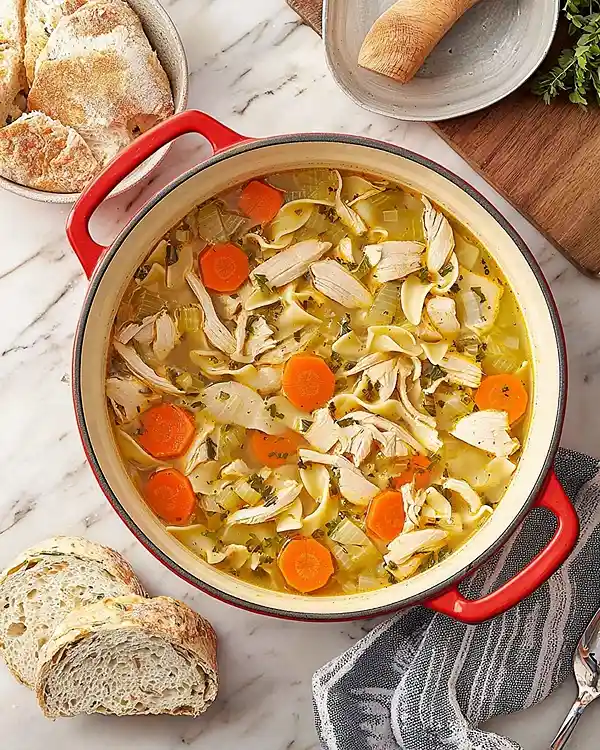
Fish out thyme sprigs using a fork or slotted spoon and discard them. The stems have released all their flavor and turn woody when eaten. Add shredded turkey meat and stir to combine everything evenly.
Turn off heat immediately after adding turkey. Leftover turkey is already cooked—you’re simply reheating it. Overcooking makes turkey dry and stringy. Let residual heat warm the meat for 2-3 minutes.
Ladle soup into bowls and garnish generously with chopped fresh parsley or dill. The bright herbs cut through richness and add color contrast. Serve immediately while steam still rises from each bowl.
Expert Tips for Perfect Noodle Soup Results
Timing is Everything Cook noodles separately right before serving. Adding them too early creates mushy pasta that absorbs all your broth. This technique keeps noodles firm and broth abundant.
Stock Quality Matters Homemade stock transforms good soup into extraordinary soup. Save turkey bones, wing tips, and necks in the freezer after holiday meals. When you’ve collected enough, simmer them with vegetables and herbs for liquid gold.
Vegetable Cuts Affect Texture Slice carrots and celery uniformly for even cooking. Thick chunks stay crunchy while thin slices turn mushy. Aim for 1/4-inch slices—thick enough to maintain structure, thin enough to cook through.
Season in Layers Salt the vegetables during sautéing, not just at the end. This seasons from within rather than on the surface. Taste broth before adding turkey and adjust seasoning—it should taste slightly too salty because noodles and turkey dilute it.
Fresh Herbs Make All the Difference Man, oh man, fresh thyme beats dried by a landslide. If you must use dried, add it earlier in cooking and use one-third the amount. Fresh parsley or dill at the end adds brightness that dried herbs simply cannot match.
Five Creative Variations to Try
Classic Comfort Version: Swap regular noodles for extra-wide egg noodles and add 1 cup heavy cream in the final step for luxurious richness. Top with buttery crackers for nostalgic comfort food.
Mediterranean Turkey Noodle Soup: Replace thyme with oregano and add 1 can diced tomatoes, 1 cup chickpeas, and 2 cups chopped spinach. Finish with lemon juice and feta cheese for bright, tangy flavors inspired by Italian and Greek cuisines.
Spicy Southwest Style: Add 1 diced jalapeño with the vegetables, 1 teaspoon cumin, and 1 teaspoon smoked paprika. Substitute cilantro for parsley and serve with lime wedges and tortilla strips.
Asian-Inspired Turkey Noodle Soup: Replace egg noodles with rice noodles, add 2 tablespoons fresh ginger with the garlic, and finish with soy sauce, rice vinegar, and green onions. Top with bean sprouts and sriracha.
Harvest Vegetable Turkey Soup: Add 1 cup diced butternut squash and 1 cup green beans with the carrots and celery. Use sage instead of thyme for autumn flavor. Perfect for cold winter nights when you want extra vegetables.
Storage and Make-Ahead Instructions
Store leftover turkey noodle soup in airtight containers in the refrigerator for up to 4 days. The noodles will absorb liquid over time, so add extra broth when reheating. Heat on the stovetop over medium heat until steaming hot throughout.
For best results, store noodles separately from soup. Cook fresh noodles when ready to serve reheated soup. This prevents mushy pasta and maintains restaurant-quality texture.
Freeze soup base without noodles for up to 3 months in freezer-safe containers. Leave 1 inch headspace for expansion. Thaw overnight in the refrigerator, reheat until boiling, then add freshly cooked noodles.
| Storage Method | Duration | Best Practice |
|---|---|---|
| Refrigerator (with noodles) | 3-4 days | Store in airtight container |
| Refrigerator (separate components) | 5 days | Store broth and noodles separately |
| Freezer (soup base only) | 3 months | Leave 1-inch headspace |
| Freezer (with noodles) | Not recommended | Noodles turn mushy |
Perfect Pairings and Serving Suggestions
Serve this homemade turkey noodle soup with crusty sourdough bread for dipping. The tangy bread complements rich broth beautifully. Butter the bread and toast it under the broiler for extra indulgence.
A simple arugula salad with lemon vinaigrette cuts through soup’s richness. The peppery greens and bright citrus create perfect balance. Add shaved parmesan and toasted pine nuts for restaurant-worthy presentation.
For a complete meal, pair with hearty sandwiches or grilled cheese made with sharp cheddar. The combination satisfies even the hungriest appetites. Finish with apple pie or chocolate chip cookies for classic American comfort.
This leftover turkey recipe works beautifully for casual weeknight dinners or planned Sunday meal prep. Make a double batch and freeze half for busy weeks ahead. You’ll thank yourself later.
Turkey Noodle Soup FAQs
Can you freeze turkey noodle soup with noodles already in it?
You can freeze turkey noodle soup with noodles, but the pasta will turn mushy and absorb most of the broth when thawed. For best results, freeze the soup base without noodles and cook fresh pasta when reheating. This maintains proper texture and prevents disappointment.
What’s the best way to thicken turkey noodle soup if it’s too watery?
The best way to thicken turkey noodle soup is adding more noodles or creating a slurry with 2 tablespoons cornstarch mixed with 2 tablespoons cold water. Stir the slurry into simmering soup and cook for 2 minutes until thickened. Alternatively, mash some of the cooked vegetables against the pot side to release natural starches.
How do you keep noodles from getting soggy in leftover turkey noodle soup?
You keep noodles from getting soggy by storing them separately from the broth in airtight containers. When ready to eat leftovers, reheat the broth and add the cold noodles just before serving. This simple technique maintains perfect texture even after several days in the refrigerator.
Can I use turkey breast instead of leftover turkey?
You can absolutely use turkey breast instead of leftover turkey from holiday meals. Poach raw turkey breast in the soup during the final 15 minutes of simmering, then shred it with two forks. This method works perfectly when you’re craving turkey noodle soup but don’t have leftovers available.
Final Thoughts: Your New Go-To Comfort Recipe
This turkey noodle soup recipe proves that leftovers can taste better than the original meal. The combination of tender vegetables, hearty noodles, and perfectly seasoned broth creates soul-satisfying comfort food.
You know what’s amazing? This recipe turns potential food waste into a meal your family requests by name. One batch feeds a crowd or provides several days of easy lunches. Pair it with <a href=”https://www.tastyathome.com/creamy-smoked-sausage-pasta/”>other comfort food favorites</a> throughout the week.
The next time you roast a turkey, remember this recipe. Those leftovers represent opportunity, not obligation. What variations will you try first—classic comfort or bold Southwest spice?
Grab your biggest pot and transform that leftover turkey into something extraordinary. Trust me, this one’s about to become your go-to for cold weather cooking and post-holiday meals.
Tasty at Home – Where bold flavors meet everyday kitchens.