
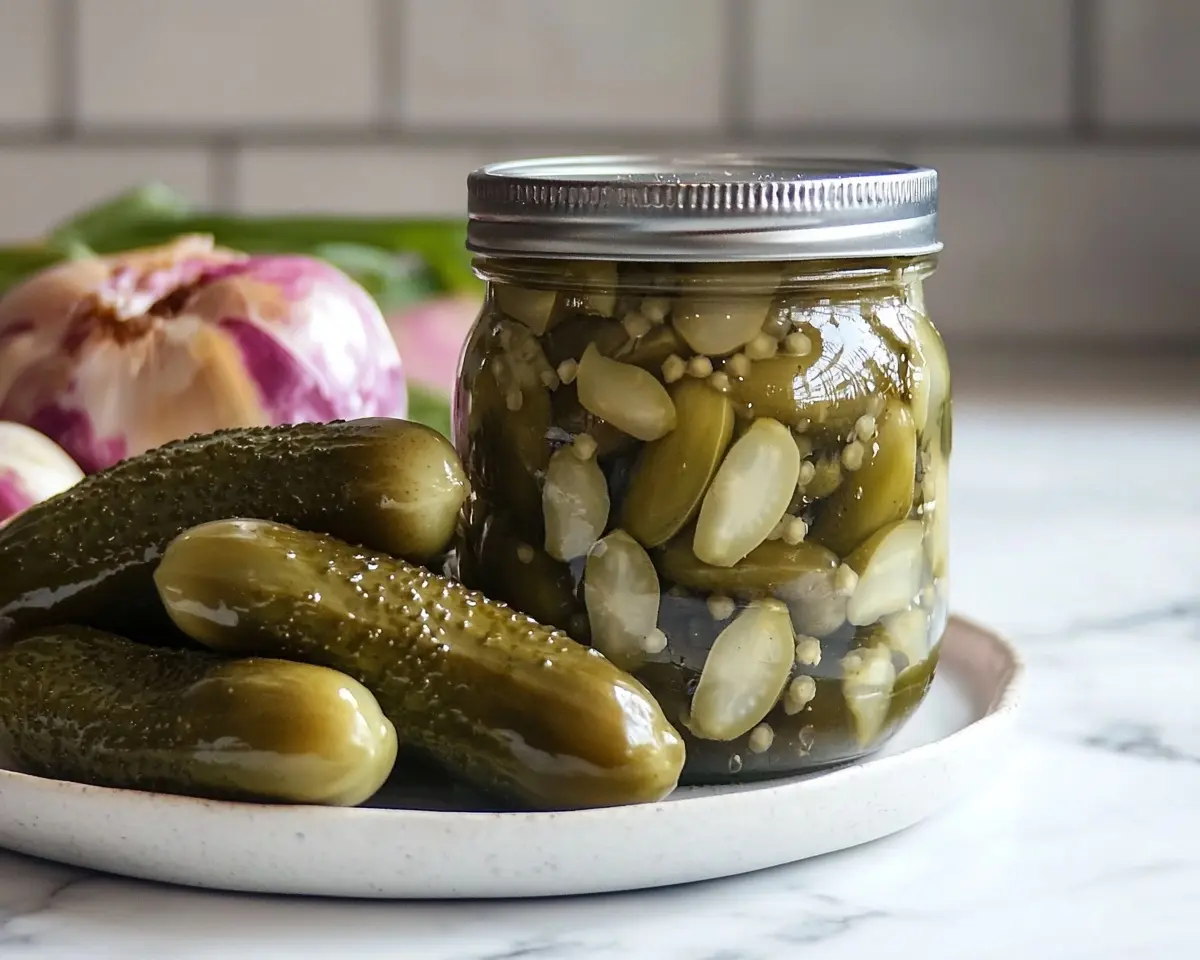
Traditional French Cornichons recipe (French-Style Cornichons Recipe) with authentic techniques. Learn to make classic French cornichon pickles at home with professional tips and variations.
Hi, I’m Linda, and welcome to Tasty at Home—where bold flavors meet everyday kitchens. Last summer, I stumbled into a tiny Parisian bistro where the waiter brought out a charcuterie board crowned with these tiny, perfectly tart pickles. One bite transported me straight to pickle heaven.
Well, let me tell you, I spent the next three months perfecting this traditional French cornichons recipe in my own kitchen. After countless jars and a few epic failures (including one batch that turned mushy—oops!), I finally cracked the secret to achieving that signature crunch and tangy bite that makes these sour gherkins absolutely irresistible.
Whether you’re planning a French-themed dinner party or simply want to elevate your cheese boards, these classic French cornichon pickles will transform your culinary game. Moreover, they’re surprisingly simple to make once you understand the technique. Therefore, let’s dive into this authentic recipe that brings a taste of France right to your American kitchen.
Table of Contents
About Traditional French Cornichons
French cornichons represent the pinnacle of pickle perfection. Unlike regular dill pickles, these tiny cucumbers pack an intensely sour punch that cuts through rich foods beautifully. Furthermore, authentic cornichons require specific techniques that I’ve refined through extensive testing.
What Makes This Sour Gherkins (Cornichons) Recipe Unique
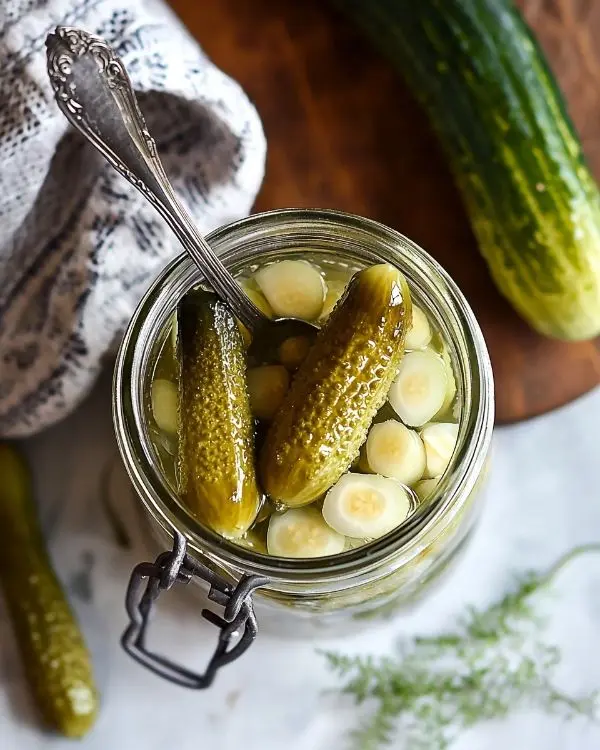
This recipe delivers restaurant-quality results using ingredients readily available in American grocery stores. Additionally, I’ve included both refrigerator and canning methods to suit different preservation preferences. The key lies in the salt-curing process, which draws out moisture and creates that distinctive crisp texture.
Essential Ingredients
| Ingredient | US Measurement | Metric | Purpose |
|---|---|---|---|
| Small cucumbers/gherkins | 2 lbs | 900g | Main pickle base |
| Small cocktail onions | 10-12 pieces | 10-12 pieces | Aromatic layer |
| Kosher salt | ¼ cup | 60ml | Curing agent |
| Fresh tarragon stem | 5 inches | 12.5cm | Classic French herb |
| Bay leaves | 2 small | 2 small | Flavor depth |
| Black peppercorns | ½ tsp | 2.5ml | Spice element |
| Yellow mustard seeds | 2 tsp | 10ml | Traditional tang |
| White wine vinegar | 4 cups | 950ml | Acidic base |
Shopping Tips for US Grocery Stores
Finding the right cucumbers proves crucial for authentic results. Therefore, visit your local farmers market or specialty grocery store for the smallest gherkins possible. Most American supermarkets carry cocktail onions in the condiment aisle. Additionally, white wine vinegar creates a cleaner flavor profile than regular white vinegar.
Quality Indicators:
- Choose gherkins between 1-2 inches in length
- Look for firm, unblemished skin
- Fresh tarragon should smell intensely aromatic
- White wine vinegar should be at least 5% acidity
Bold Add-ins and Variations
Creative Variations:
- Spicy Cornichons: Add 2-3 small dried chilies per jar
- Herbed Version: Include fresh thyme and rosemary sprigs
- Garden Style: Mix in small pearl onions and baby carrots
Substitutions for International Readers
| Original Ingredient | Substitution | Notes |
|---|---|---|
| Gherkins | Small pickling cucumbers | Cut larger ones to size |
| Cocktail onions | Pearl onions | Similar size and flavor |
| Tarragon | Fresh dill | Changes flavor profile slightly |
| White wine vinegar | Rice vinegar + white wine | Mix 3:1 ratio |
Equipment and Preparation
Necessary Equipment
Essential Tools:
- Large mixing bowl for salt-curing
- Fine-mesh colander for draining
- Clean kitchen towels for drying
- Sterilized pint jars (4-6 jars typically needed)
- Water bath canner (if processing for shelf storage)
DIY Alternatives:
- Use a large pot with rack for water bath processing
- Substitute clean dish towels if you lack kitchen towels
- Any large bowl works for the salt-curing process
Step-by-Step Instructions
Prepare Your Workspace
Start by sterilizing all jars, lids, and rings if you plan to can these pickles. However, refrigerator pickles require only clean equipment. Subsequently, gather all ingredients within arm’s reach—this process moves quickly once you start.
Salt-Cure the Gherkins
Wash your cucumbers thoroughly under cold running water. Next, trim off a 1/16-inch slice from the blossom end while leaving ¼-inch of stem attached. This step prevents the pickles from becoming soft during processing.
Place the prepared gherkins in your large mixing bowl. Then, add the kosher salt and stir vigorously to coat each cucumber completely. The salt draws out excess moisture, which is absolutely essential for achieving that signature crunch that makes French-style cornichons so special.
Transfer the salted gherkins to a colander and let them drain for exactly two hours. During this time, you’ll notice significant moisture being extracted. This technique, borrowed from Julia Child’s approach to vegetable preparation, ensures optimal texture in the final product.
Rinse and Dry
After two hours, rinse the gherkins thoroughly under cold water. Pat them completely dry with clean kitchen towels, removing all excess salt from the surface. They’ve absorbed the perfect amount of salt internally, so external salt would create an overly salty final product.
Pack the Jars
Begin layering your sterilized jars with gherkins, cocktail onions, tarragon stems, bay leaves, peppercorns, and mustard seeds. Pack them snugly but avoid crushing the delicate gherkins. This layering technique ensures even flavor distribution throughout each jar.
Prepare the Brine
Bring the white wine vinegar to a rolling boil in a heavy-bottomed saucepan. Once boiling, immediately pour the hot vinegar over the packed vegetables, leaving ½-inch headspace at the top of each jar. The hot vinegar jump-starts the pickling process and helps maintain crispness.
Final Processing
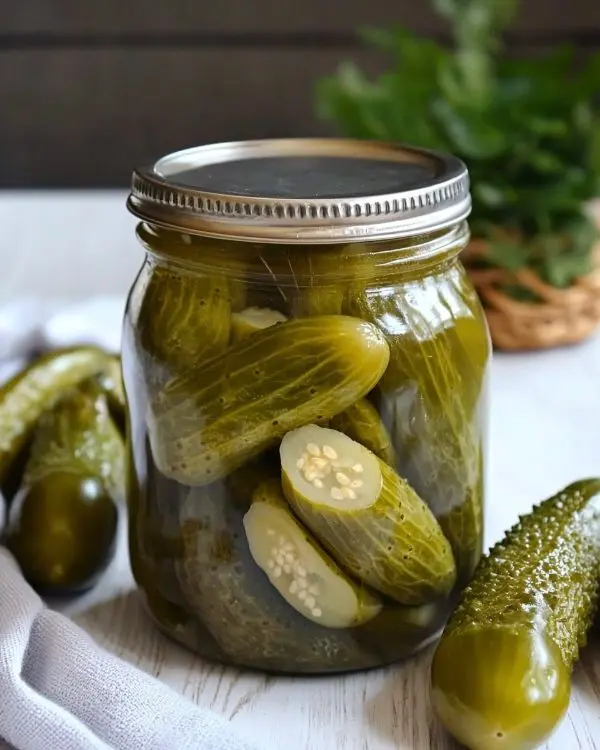
For Refrigerator Pickles: Allow jars to cool to room temperature before refrigerating. These pickles will be ready to eat in 24 hours and improve over the next week.
For Shelf-Stable Canning: Apply lids and rings, then process in a boiling water bath for 10 minutes. Adjust processing time for altitude according to USDA guidelines. After processing, let jars remain in the canner for five additional minutes to prevent thermal shock.
Remove jars and cool on a clean towel for 24 hours. Check seals, label with date, and store in a cool, dark pantry.
Pro Tips for Perfect Results
Temperature Matters: Hot vinegar creates better texture than cold brine methods. Additionally, the thermal shock helps set the pickle’s final texture.
My Biggest Mistake: During my early attempts, I skipped the salt-curing step to save time. Man, oh man, those pickles turned out mushy and disappointing! The salt-curing process cannot be rushed or eliminated—it’s the foundation of proper texture.
Timing Precision: Thomas Keller emphasizes precise timing in his pickling techniques, and cornichons are no exception. Follow the two-hour salt cure exactly for optimal results.
Tips, Variations, and Serving Suggestions
Expert Tips for Best Results
Crispness Secrets:
- Always use the freshest, smallest cucumbers available
- Never skip the blossom-end trimming step
- Maintain proper headspace for expansion during processing
- Store processed jars in a consistently cool environment
Flavor Enhancement:
- Allow flavors to meld for at least one week before serving
- Taste after three days and adjust seasoning in future batches accordingly
- Consider adding a garlic clove for deeper complexity
Creative Variations
Regional Adaptations:
- New Orleans Style: Add a pinch of cayenne and extra bay leaves
- California Fresh: Include fresh fennel fronds and lemon zest
- Texas Heat: Incorporate jalapeño slices and extra peppercorns
- Holiday Special: Add cranberries and fresh rosemary for Thanksgiving spreads
Dietary Modifications:
- Lower Sodium: Reduce salt-curing time to 90 minutes for less sodium absorption
- Sugar-Free: These naturally contain no added sugars
- Gluten-Free: All ingredients are naturally gluten-free
Storage and Make-Ahead Advice
| Storage Method | Duration | Notes |
|---|---|---|
| Refrigerator (unopened) | 3 months | Flavor improves over time |
| Refrigerator (opened) | 6 weeks | Use clean utensils only |
| Pantry (canned) | 12 months | Check seals before consuming |
| Freezer | Not recommended | Texture becomes mushy |
Make-Ahead Strategy: Prepare cornichons during cucumber season (late summer) for year-round enjoyment. Furthermore, they make excellent holiday gifts when packaged in decorative jars with custom labels.
Serving Suggestions and Pairings
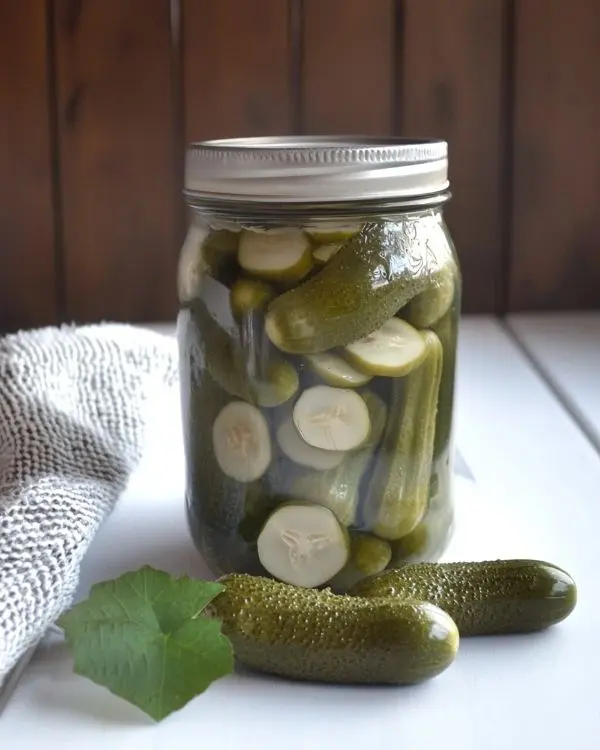
Traditional French cornichons shine alongside rich, fatty foods. Therefore, serve them with:
- Charcuterie boards featuring aged cheeses and cured meats
- Pâtés and terrines for authentic French bistro experience
- Grilled sausages during summer barbecues
- Roasted chicken as an acidic counterpoint
Pair these pickles with my chocolate mousse recipe for an elegant French-inspired dinner finale. Additionally, they complement chicken ramen recipe beautifully when you want to add acidic brightness to rich broth.
Classic French Cornichon Pickles FAQs
What can I make with cornichons?
Cornichons excel in tartare sauces, potato salads, and as garnishes for cocktails like dirty martinis. They also enhance sandwich spreads and provide acidic balance in rich stews. Many chefs incorporate them into vinaigrettes for added texture and tang.
What is the difference between a pickle and a cornichon?
Cornichons are specific small French pickles made from tiny gherkin cucumbers, while pickles encompass any preserved vegetable. Cornichons feature a more intense sour flavor and crunchier texture compared to standard dill pickles. Additionally, they’re traditionally seasoned with tarragon and mustard seeds rather than dill.
What are cornichons made of?
Traditional cornichons contain small gherkin cucumbers, white wine vinegar, salt, tarragon, bay leaves, peppercorns, and mustard seeds. Some recipes include small onions for additional flavor complexity. The salt-curing process distinguishes authentic cornichons from simple pickled cucumbers.
What is a substitute for cornichons?
Small dill pickles or capers can substitute for cornichons in recipes, though flavor profiles differ significantly. Alternatively, finely dice regular pickles to approximate the size and acidic function. However, nothing truly replicates cornichons’ unique tarragon-forward flavor and crispy texture.
Conclusion
These traditional French cornichons bring authentic bistro flavors straight to your American kitchen. You know what makes them special? It’s that perfect balance of intense sourness and herbaceous complexity that elevates every bite. Whether you’re hosting a sophisticated dinner party or simply want to upgrade your everyday meals, these classic French cornichon pickles deliver restaurant-quality results.
The salt-curing technique might seem intimidating initially, but trust the process—it’s the secret to achieving that signature crunch that makes cornichons absolutely irresistible. Furthermore, once you taste homemade versions, store-bought pickles pale in comparison.
Serve these alongside my pumpkin cinnamon roll muffins for a delightful French-American brunch experience. Or pair them with Greek yogurt pumpkin muffins when you want to balance sweet and sour flavors perfectly.
Have you tried making sour gherkins at home before? Share your cornichon adventures in the comments below, or tag us on social media with your beautiful pickle creations. I’d love to see how you’ve adapted this recipe to suit your family’s tastes!
Remember, every jar tells a story of patience, tradition, and the simple pleasure of preserving summer’s bounty for year-round enjoyment.
Tasty at Home – Where bold flavors meet everyday kitchens.
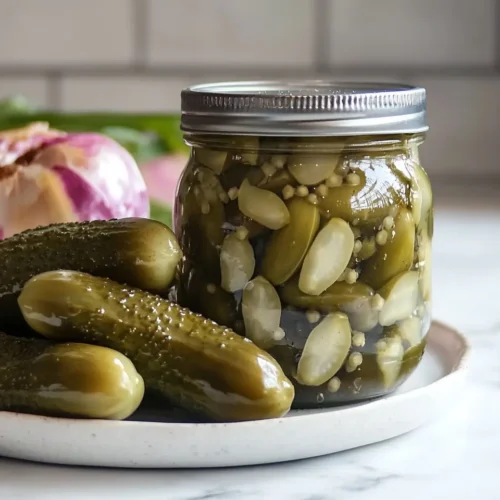
Traditional French Cornichons
Equipment
- Large mixing bowl
- Fine-mesh colander
- Clean kitchen towels
- Sterilized pint jars
- Heavy-bottomed saucepan
- Water bath canner or large pot
Ingredients
Main Ingredients
- 2 lbs Small cucumbers/gherkins about 900g
- 10-12 pieces Small cocktail onions
- ¼ cup Kosher salt 60ml
- 1 stem Fresh tarragon about 5 inches (12.5cm)
- 2 small Bay leaves
- ½ tsp Black peppercorns 2.5ml
- 2 tsp Yellow mustard seeds 10ml
- 4 cups White wine vinegar 950ml
Instructions
- Sterilize jars, lids, and rings if canning. For refrigerator pickles, ensure equipment is clean.
- Wash cucumbers, trim blossom ends, and salt-cure in a large bowl with kosher salt for 2 hours.
- Drain cucumbers in a colander, rinse thoroughly, and pat dry with clean kitchen towels.
- Pack jars with gherkins, cocktail onions, tarragon, bay leaves, peppercorns, and mustard seeds.
- Bring white wine vinegar to a boil and pour hot vinegar into jars, leaving 1/2-inch headspace.
- For refrigerator pickles: cool, refrigerate, and enjoy after 24 hours. For canning: process in boiling water bath for 10 minutes, adjust for altitude, cool, and check seals.
