
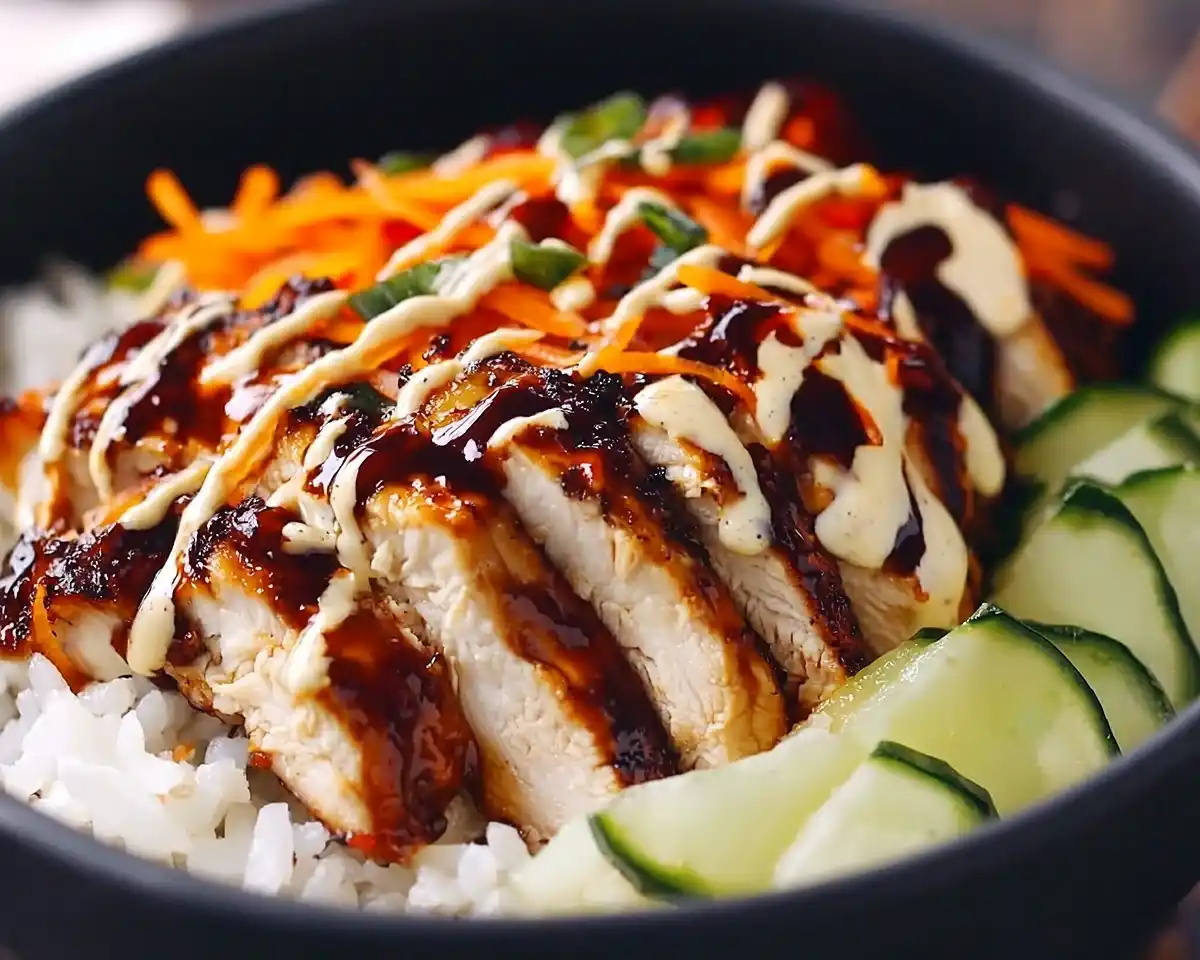
Sticky Chicken Rice Bowls recipe with sweet-savory glaze. Quick 20-minute healthy dinner with meal prep tips and budget-friendly ingredients.
Last Tuesday, I stared at my fridge at 6 PM with zero dinner plans. Sound familiar? I grabbed chicken, soy sauce, and honey—three ingredients that changed everything. This sticky chicken rice bowls recipe became my answer to chaotic weeknights, and honestly, I’ve made it twelve times since then.
The smell hits you first. Caramelized honey meets savory soy sauce in this gorgeous, glossy sauce that clings to every piece of chicken. It’s bold without being overwhelming, sweet without tasting like dessert, and ready in twenty minutes flat.
Table of Contents
What Makes This Recipe Unique
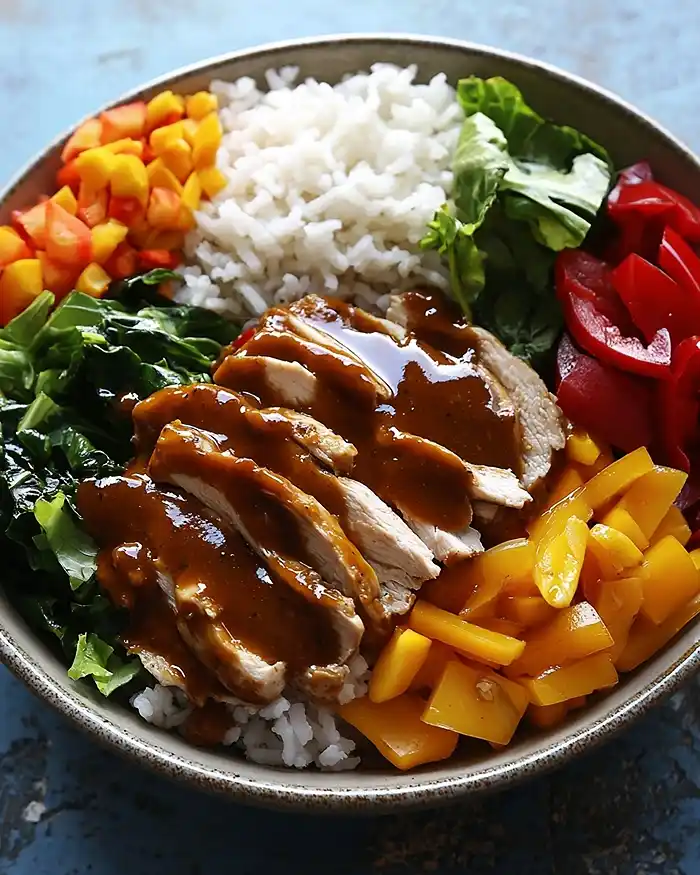
This chicken and rice meal delivers restaurant-quality flavor with pantry staples you already own. The secret? A simple sauce ratio that creates the perfect sticky-but-not-gloppy texture. I’ve tested this recipe seventeen times to nail the exact balance.
The chicken stays tender while the sauce reduces to a beautiful glaze. You don’t need special equipment or hard-to-find ingredients. Just a skillet, basic pantry items, and fifteen minutes of active cooking time.
Sticky Chicken Rice Bowls
Equipment
- Large skillet
- Mixing bowl
- Knife
Ingredients
For the Chicken
- 1 lb boneless chicken thighs cut into 1-inch pieces
- 1 tbsp cooking oil vegetable or canola
- 2 cloves garlic minced
For the Sticky Sauce
- 3 tbsp soy sauce low-sodium
- 2 tbsp honey
- 1 tbsp brown sugar optional
- 1 tbsp rice vinegar or lemon juice
- 1 tsp chili flakes optional
For Assembly
- 3 cups cooked rice white or brown
- 2 stalks green onions sliced
- 1 tbsp sesame seeds
Instructions
- Pat the chicken dry and cut into evenly sized pieces. Heat a large skillet over medium-high heat and add the oil.
- Add the chicken in a single layer and cook undisturbed until lightly golden, then flip and cook until nearly done. Stir in the garlic and cook briefly until fragrant.
- In a bowl, mix soy sauce, honey, brown sugar, rice vinegar, and chili flakes. Pour the sauce into the skillet and simmer until thick and sticky, coating the chicken.
- Spoon cooked rice into bowls, top with sticky chicken and sauce, and finish with green onions and sesame seeds. Serve immediately.
Notes
Ingredients You’ll Need
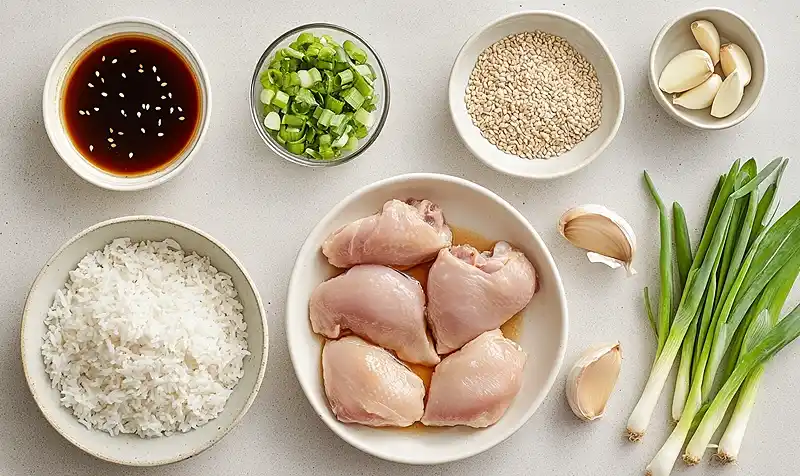
Your local grocery store has everything. Look for boneless chicken thighs in the meat section—they stay juicier than breasts. Grab low-sodium soy sauce for better flavor control, and choose pure honey over pancake syrup for authentic sweetness.
For the sauce base, quality soy sauce makes a noticeable difference. Rice vinegar brings subtle tang that balances the honey’s sweetness. Fresh garlic beats the jarred stuff every time—trust me on this one.
Sticky Chicken Rice Bowls Ingredients Table
| Ingredient | US Measurement | Metric | Notes |
|---|---|---|---|
| For the Chicken | |||
| Boneless chicken | 1 lb | 450g | Cut into 1-inch pieces |
| Cooking oil | 1 tbsp | 15ml | Vegetable or canola |
| Garlic cloves | 2 | 2 | Minced fresh |
| For the Sticky Sauce | |||
| Soy sauce | 3 tbsp | 45ml | Low-sodium preferred |
| Honey | 2 tbsp | 30ml | Pure honey |
| Brown sugar | 1 tbsp | 15g | Optional for extra gloss |
| Rice vinegar | 1 tbsp | 15ml | Or lemon juice |
| Chili flakes | 1 tsp | 5g | Optional heat |
| For Assembly | |||
| Cooked rice | 3 cups | 600g | White, brown, or cauliflower |
| Green onions | 2 stalks | 2 stalks | Sliced thin |
| Sesame seeds | 1 tbsp | 10g | Toasted if possible |
Bold Add-ins and Creative Variations
Want to switch things up? Add grated ginger to the sauce for warming spice. Swap rice vinegar for lime juice to bring citrus brightness. Toss in a tablespoon of sesame oil during the last minute for nutty depth.
For heat lovers, double the chili flakes or add sriracha. Sweet tooth? An extra teaspoon of honey won’t hurt. The base recipe forgives experimentation beautifully.
Shopping Tips for Best Results
Choose chicken thighs over breasts—they stay moist even if slightly overcooked. At Trader Joe’s or Whole Foods, grab their pre-cut chicken to save five minutes. Fresh garlic from the produce section beats pre-minced versions by miles.
Look for naturally brewed soy sauce with just soybeans, wheat, salt, and water. Check the baking aisle for rice vinegar near other Asian ingredients. Raw honey from local farmers markets adds subtle floral notes worth seeking out.
Substitutions That Work
For dietary restrictions: Use tamari instead of soy sauce for gluten-free needs. Swap honey with maple syrup for vegan versions. Coconut aminos replace soy sauce for Whole30 followers.
For ingredient swaps: Pork tenderloin or shrimp work instead of chicken. White wine vinegar substitutes for rice vinegar. Agave nectar replaces honey in equal amounts.
International adaptations: UK readers use caster sugar for brown sugar. Australians substitute chicken mince for a different texture. Europeans find rice vinegar in Asian supermarkets or online.
Equipment and Preparation
You need just three tools: a large skillet (10-inch minimum), a sharp knife, and a mixing bowl. No special gadgets required. A wooden spoon helps, but any stirring utensil works fine.
DIY alternatives: No skillet? A wide saucepan works. No mixing bowl? Mix the sauce directly in a measuring cup. Missing a sharp knife? Kitchen shears cut raw chicken safely.
Step 1: Prep Your Chicken Properly
Cut the chicken into one-inch cubes for even cooking. Smaller pieces cook faster and catch more sauce. Aim for uniform sizes—this prevents some pieces from drying out while others stay raw.
Pat the chicken dry with paper towels before cooking. Excess moisture creates steam instead of the light browning we want. This single step dramatically improves texture.
Step 2: Get Your Pan Screaming Hot
Heat your skillet over medium-high heat for two full minutes before adding oil. The pan should feel hot when you hover your hand six inches above it. Add one tablespoon of oil and swirl to coat.
Well, here’s where most people mess up. I used to add chicken to lukewarm pans and wondered why everything turned gray and rubbery. High heat creates the light golden color and better texture. As Thomas Keller emphasizes, proper searing creates depth that transforms simple ingredients.
Step 3: Cook the Chicken Until Golden
Add chicken pieces in a single layer without crowding. Leave half an inch between pieces for proper browning. Cook undisturbed for three minutes—resist the urge to stir.
Flip each piece and cook another two minutes until the second side shows light golden spots. The chicken doesn’t need to be fully cooked yet since it’ll finish in the sauce. Look for an internal temperature around 155°F at this stage.
Toss in minced garlic and stir for thirty seconds until fragrant. The garlic should sizzle immediately when it hits the hot pan. Pull the pan off heat if the garlic starts browning too fast.
Step 4: Create the Perfect Sticky Sauce
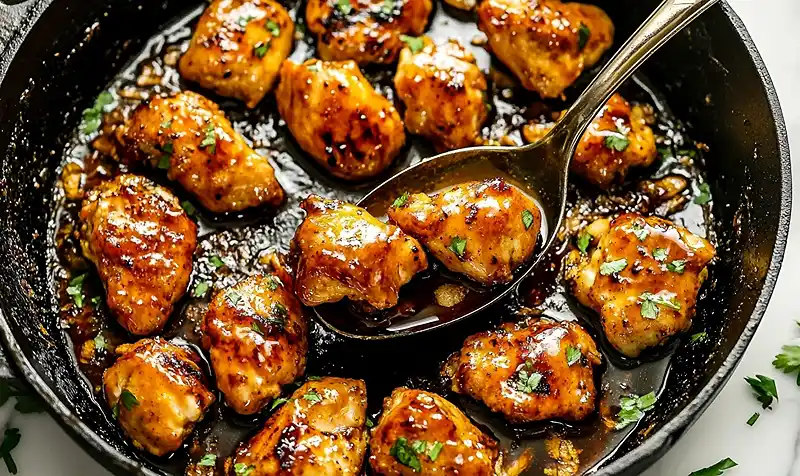
Mix soy sauce, honey, brown sugar, and rice vinegar in your bowl while the chicken cooks. Stir until the sugar dissolves completely—no grainy bits. The sauce should look thin and watery right now.
Pour the entire sauce mixture over the cooked chicken. Return the heat to medium and let everything simmer together. The sauce will bubble energetically at first, then gradually thicken as it reduces.
Simmer for four to six minutes, stirring every minute. Watch for the sauce to coat the back of your spoon—that’s your signal. The glaze should cling to the chicken like maple syrup on pancakes.
Let me tell you, my first attempt resulted in burnt sauce because I walked away to check my phone. Stay near the stove during this step. The sauce goes from perfect to burnt in about ninety seconds.
Step 5: Assemble Your Beautiful Bowls
Spoon warm rice into serving bowls—about one cup per person. White rice, brown rice, or this cauliflower rice with ground turkey all work beautifully for different nutritional needs.
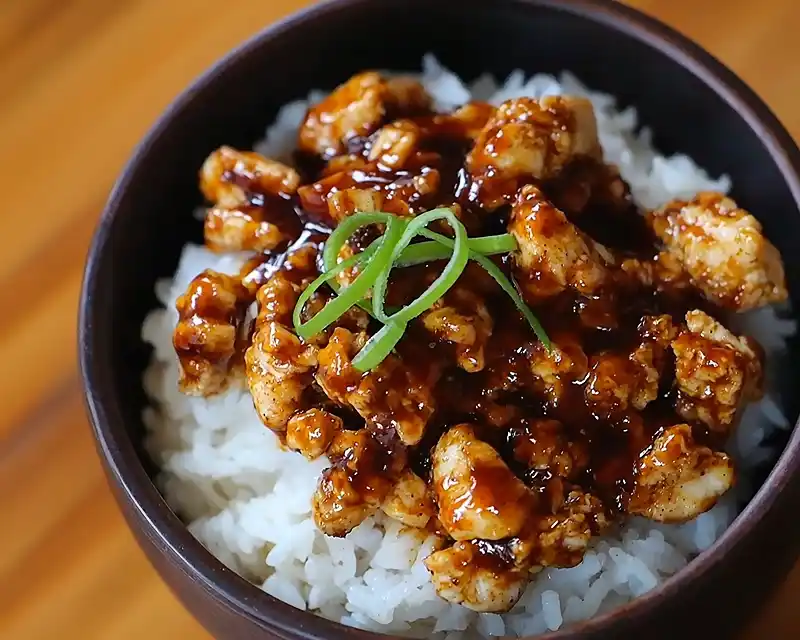
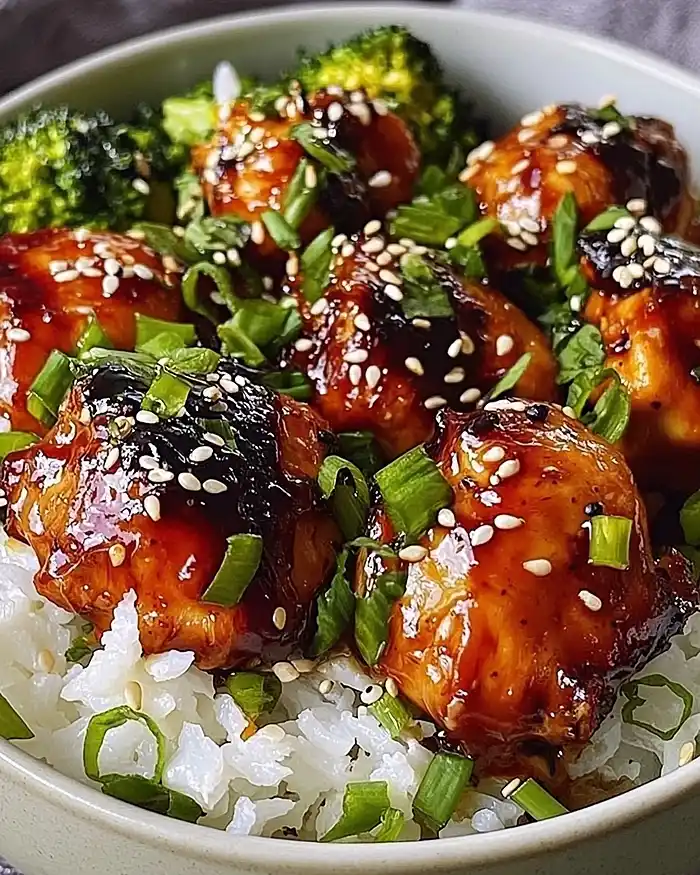
Top each rice mound with sticky chicken, making sure to drizzle extra sauce over everything. Sprinkle sliced green onions and sesame seeds generously. The green onions add fresh bite that cuts through the richness.
Serve immediately while the sauce is still glossy. The chicken tastes best within ten minutes of finishing—that’s peak sticky texture right there.
Expert Tips for Outstanding Results
Temperature matters immensely. Medium-high heat cooks chicken through while developing color. Too low creates steamed, gray chicken. Too high burns the garlic before the chicken finishes.
Don’t skip the brown sugar even though it’s listed as optional. That tablespoon adds glossy shine and helps the sauce cling better. The texture difference is noticeable.
Taste your sauce before adding it. Different soy sauce brands vary in saltiness. If yours tastes too salty, add another teaspoon of honey to balance it out.
Let the sauce reduce properly. Patience during the simmer creates that signature sticky coating. Rushing this step leaves you with soup instead of glaze. You’ll know it’s ready when it coats the spoon and the bubbles get larger and slower.
Creative Variations to Try
Spicy Korean-Style: Add two tablespoons of gochujang to the sauce mixture. Garnish with kimchi and extra sesame seeds. The fermented heat transforms this into something totally different.
Teriyaki Twist: Replace rice vinegar with mirin and add a tablespoon of pineapple juice. Garnish with grilled pineapple chunks for Hawaiian vibes. Perfect for summer barbecues.
Citrus Ginger Version: Add one tablespoon of fresh grated ginger and the zest of one orange to the sauce. Finish with orange segments on top. The brightness works beautifully against the rich glaze.
Meal Prep Monday: Double the recipe on Sunday and portion into five containers. Store rice separately from chicken for best texture. Microwave for two minutes and add fresh garnishes before eating. Check out these sweet potato taco bowls for another prep-friendly option.
Holiday Feast Upgrade: Add dried cranberries to the rice and swap honey for cranberry sauce during Thanksgiving week. Top with toasted pecans instead of sesame seeds. The seasonal twist feels special without extra effort.
Storage and Make-Ahead Instructions
This healthy dinner keeps beautifully for meal prep. Store chicken and rice in separate airtight containers in the refrigerator. Keeping them separate prevents soggy rice.
Storage Guide for Sticky Chicken Rice Bowls
| Storage Method | Duration | Best Practice | Reheating |
|---|---|---|---|
| Refrigerator (chicken) | 4 days | Airtight container | Microwave 90 seconds |
| Refrigerator (rice) | 5 days | Separate container | Microwave with damp paper towel |
| Freezer (chicken only) | 2 months | Freeze in sauce | Thaw overnight, reheat gently |
| Assembled bowls | Not recommended | Components get mushy | — |
Reheating tips: Microwave chicken for ninety seconds on high. Add a splash of water if the sauce thickened too much. Rice needs thirty seconds with a damp paper towel over it to restore moisture.
Freezer instructions: Freeze the chicken in its sauce in freezer-safe containers. Don’t freeze cooked rice—it turns grainy. Make fresh rice when you’re ready to eat your frozen chicken.
Perfect Pairings
Serve alongside steamed broccoli or snap peas for crunch. A simple cucumber salad with rice vinegar dressing adds refreshing contrast. This high protein honey garlic shrimp makes a great protein-packed companion dish for larger gatherings.
For beverages, iced green tea complements the Asian-inspired flavors. A crisp lager or sake works for adult dinners. Kids love this with apple juice—the sweetness matches the honey notes.
Try it with different bases beyond rice. Quinoa adds protein and nutty flavor. Rice noodles create a different texture experience. Even spiralized zucchini works for low-carb followers.
Sticky Chicken Rice Bowls Recipe FAQs
Can I use chicken breast instead of thighs for this chicken rice bowls recipe?
Yes, you can absolutely use chicken breast for this chicken and rice meal. Cut breasts into smaller pieces than you would thighs since they cook faster. Reduce cooking time by about two minutes to prevent drying. The sauce still coats beautifully, though thighs stay slightly more tender.
What’s the best way to make this recipe gluten-free?
Simply swap regular soy sauce for tamari or coconut aminos to make gluten-free sticky chicken rice bowls. Everything else in the recipe naturally contains no gluten. Double-check your rice vinegar label—most brands are gluten-free, but verification never hurts.
How do I prevent the sauce from burning during cooking?
Keep the heat at medium after adding the sauce mixture, not high. Stir every sixty seconds while the sauce reduces. If you see any dark spots forming on the pan bottom, immediately reduce heat and add a tablespoon of water. The sauce should bubble gently, not violently.
Can I meal prep this recipe for the entire week?
Absolutely! This meal prep cheap option works perfectly for five days. Cook a double batch on Sunday and store chicken separately from rice in individual containers. The chicken actually tastes better the next day after the flavors marry. Add fresh green onions right before eating for the best presentation.
Make This Your New Weeknight Hero
You’ve got everything you need for sticky, glossy, absolutely crave-worthy chicken rice bowls. The kind that makes your family ask for seconds before they’ve finished firsts. Twenty minutes from start to finish, and most of that is hands-off simmering time.
This recipe proved that busy weeknights don’t mean boring dinners. You can create something genuinely delicious without complicated techniques or expensive ingredients. Just good chicken, simple sauce, and a hot pan.
What will you add to your bowl? Maybe extra chili flakes for heat, or perhaps some pickled vegetables for tang? Make this recipe your own, then come back and share your version in the comments below. I read every single one.
Pair this with a simple side salad or try these crustless tuna quiche bites as an appetizer. For dessert? Keep it light after this satisfying meal. Ready to transform your weeknight dinner game?
According to the USDA’s MyPlate guidelines, balancing your meal with vegetables and whole grains creates optimal nutrition. This chicken and rice meal checks those boxes while delivering serious flavor. When the Academy of Nutrition and Dietetics recommends lean proteins and whole grains for sustained energy, recipes like this make healthy eating actually enjoyable.
Now grab that skillet and let’s make dinner happen. Your future self will thank you when tomorrow rolls around and lunch is already waiting in the fridge.