
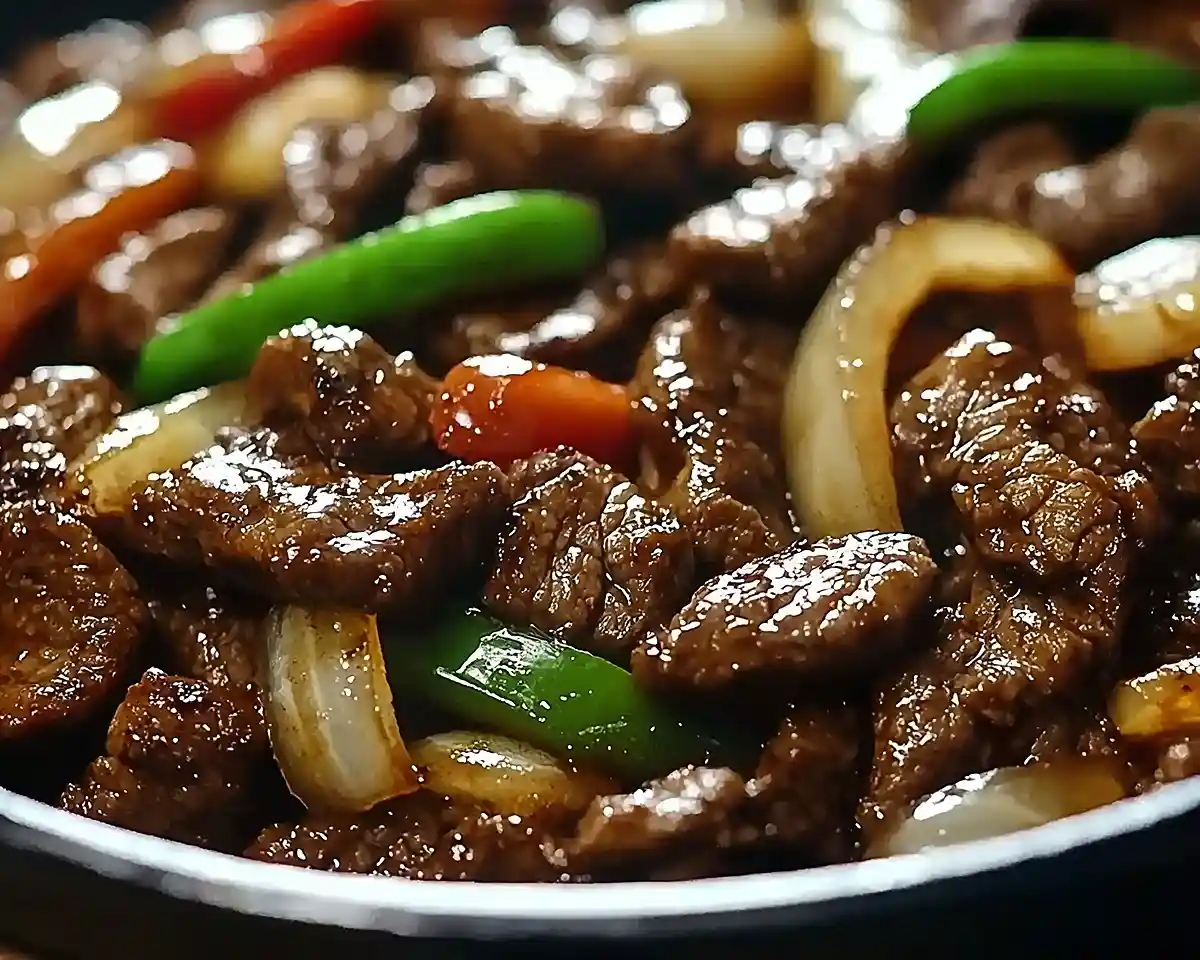
Sizzling Chinese pepper steak with onions delivers restaurant-quality flavor at home. This authentic steak and bell peppers recipe takes just 20 minutes with bold sauce.
Last winter, I burned my first attempt at pepper steak so badly that smoke filled my entire apartment. My fire alarm screamed, my cat bolted under the couch, and I stood there with a charred mess wondering what went wrong. Well… that disaster taught me everything about high-heat cooking.
Fast forward three months and dozens of tests later, this sizzling Chinese pepper steak with onions became my weeknight obsession. The aroma of ginger and garlic hitting hot oil transports me straight to the bustling kitchens of Manhattan’s Chinatown, where I first tasted authentic pepper steak that changed everything. That signature sizzle when beef hits the wok? Pure magic.
Now I’m sharing every secret I learned the hard way so you can nail this recipe on your first try. Bold flavors, tender beef, and that irresistible caramelized sweetness from perfectly cooked onions come together in just 20 minutes.
Tasty at Home – Where bold flavors meet everyday kitchens.
Table of Contents
What Makes This Recipe Absolutely Irresistible
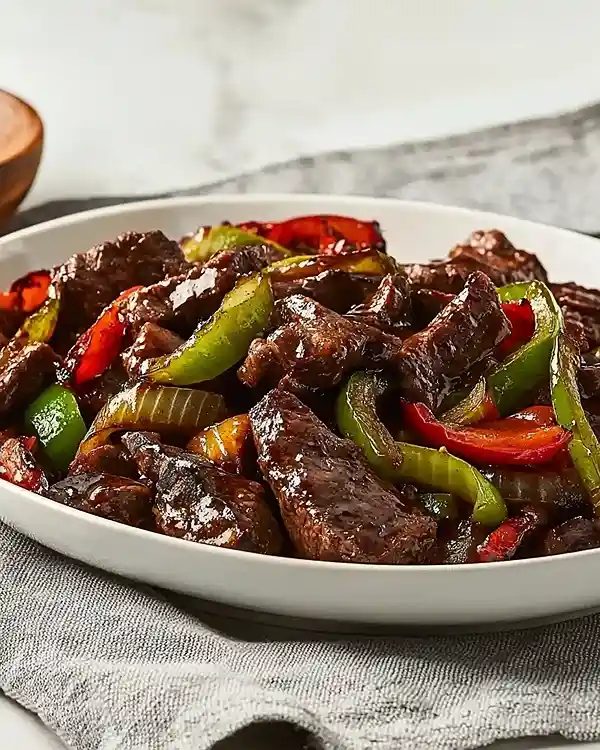
This isn’t your average takeout knockoff. My sizzling Chinese pepper steak combines restaurant techniques with home kitchen reality.
The secret lies in the double marinade method and scorching-hot sear that locks in juices while creating that characteristic char. I’ve tested this recipe with seven different cuts of beef, adjusted sauce ratios twelve times, and finally cracked the code for tender, flavorful steak and bell peppers that rival any Chinese restaurant.
What sets this apart? The sauce balance. Too many recipes drown the beef in sticky-sweet glaze, but mine keeps things savory with just enough sweetness to complement the caramelized onions.
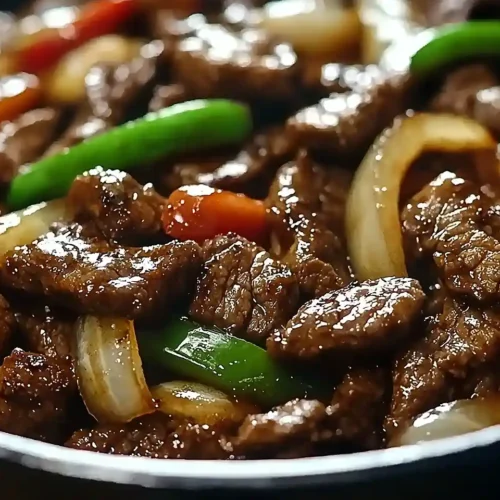
Sizzling Chinese Pepper Steak with Onions
Equipment
- Wok or large skillet
- Chef’s knife
- Mixing bowl
- Whisk or fork
- measuring spoons
Ingredients
For the Steak
- 1 lb Beef strips (sirloin/ribeye) Cut against grain
- 2 tbsp Vegetable oil For marinating
- 2 Garlic cloves, minced Fresh only
- 1 tbsp Fresh ginger, grated Never dried
- 1 tbsp Soy sauce Low-sodium works
- 1 tbsp Oyster sauce Optional but recommended
- 1 tsp Sesame oil Adds nutty depth
- To taste Salt & black pepper Season generously
For the Sauce
- 2 tbsp Soy sauce Base flavor
- 2 tbsp Oyster sauce Umami boost
- 2 tbsp Hoisin sauce Sweet element
- 2 tbsp Rice vinegar Balances richness
- 1 tbsp Cornstarch Thickening agent
- 2 tbsp Vegetable oil High smoke point
For the Onions
- 1 Large onion, sliced Yellow or white
- 1 tbsp Vegetable oil For sautéing
- To taste Salt & pepper Enhance sweetness
Instructions
- Whisk together soy sauce, oyster sauce, grated ginger, minced garlic, and sesame oil. Add beef strips and toss to coat. Let marinate for 10-15 minutes at room temperature.
- Heat 1 tbsp vegetable oil in a skillet over medium heat. Add sliced onions and cook undisturbed 2-3 minutes per side until golden and caramelized. Season with salt and pepper. Remove and set aside.
- Increase heat to high, add 2 tbsp vegetable oil, and sear beef strips in a single layer for 45-60 seconds per side until browned but still pink inside.
- Whisk together soy sauce, hoisin sauce, rice vinegar, and cornstarch until smooth. Pour over seared beef and simmer 1-2 minutes until sauce thickens.
- Return caramelized onions to the pan, stir to coat with sauce, and cook 30-60 seconds until heated through. Adjust seasoning with salt and pepper as needed.
Notes
Ingredient Selection Guide
Quality ingredients transform this dish from good to restaurant-worthy. For the beef, choose well-marbled sirloin or ribeye with visible fat striping—this ensures tenderness and flavor. Look for bright red meat without gray patches at your local butcher or grocery store meat counter.
Fresh ginger root should feel firm and smooth, not wrinkled or soft. The aromatic oils make all the difference in authentic Chinese cooking. For onions, select large yellow or white varieties that feel heavy for their size with tight, papery skins.
Complete Ingredient Breakdown
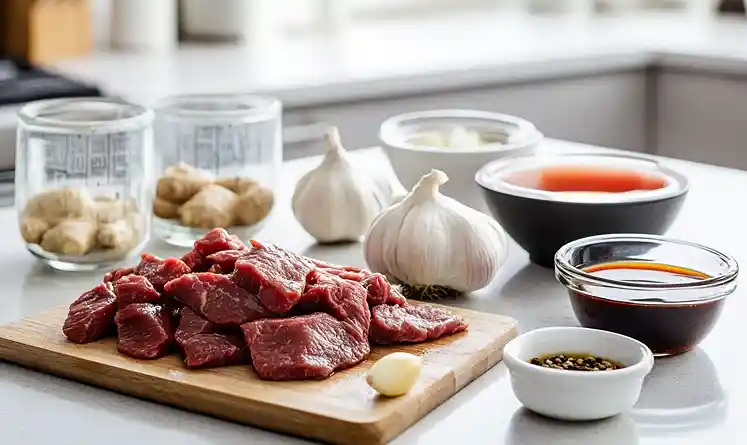
Table: Core Ingredients with Precise Measurements
| Ingredient | US Measurement | Metric | Notes |
|---|---|---|---|
| For the Steak | |||
| Beef strips (sirloin/ribeye) | 1 lb | 450g | Cut against grain |
| Vegetable oil | 2 tbsp | 30ml | For marinating |
| Garlic cloves, minced | 2 | 2 | Fresh only |
| Fresh ginger, grated | 1 tbsp | 15g | Never dried |
| Soy sauce | 1 tbsp | 15ml | Low-sodium works |
| Oyster sauce | 1 tbsp | 15ml | Optional but recommended |
| Sesame oil | 1 tsp | 5ml | Adds nutty depth |
| Salt & black pepper | To taste | To taste | Season generously |
| For the Sauce | |||
| Soy sauce | 2 tbsp | 30ml | Base flavor |
| Oyster sauce | 2 tbsp | 30ml | Umami boost |
| Hoisin sauce | 2 tbsp | 30ml | Sweet element |
| Rice vinegar | 2 tbsp | 30ml | Balances richness |
| Cornstarch | 1 tbsp | 15g | Thickening agent |
| Vegetable oil | 2 tbsp | 30ml | High smoke point |
| For the Onions | |||
| Large onion, sliced | 1 | 1 | Yellow or white |
| Vegetable oil | 1 tbsp | 15ml | For sautéing |
| Salt & pepper | To taste | To taste | Enhance sweetness |
Essential Ingredients: The Non-Negotiables
You need high-quality soy sauce and fresh aromatics—these create the foundation of authentic Chinese flavor. Low-sodium soy sauce gives you better control over saltiness, while fresh ginger and garlic deliver aromatic punch that dried versions simply cannot match.
Bold Add-Ins: Creative Variations
Transform this onion pepper steak into something uniquely yours with colorful bell peppers (red, yellow, or orange add sweetness and visual appeal), sliced mushrooms for earthy depth, or snap peas for crisp texture. Crushed red pepper flakes amp up heat for spice lovers, while a splash of Shaoxing wine adds restaurant-level authenticity.
Smart Substitutions for Every Kitchen
No oyster sauce? Use an extra tablespoon of soy sauce mixed with half a teaspoon of sugar. Can’t find hoisin? Combine equal parts barbecue sauce and soy sauce for a surprisingly close match.
For the beef, flank steak or even skirt steak works beautifully when sliced thin against the grain. Vegetarians can swap in extra-firm tofu or portobello mushrooms cut into strips for a satisfying ground beef stir-fry alternative.
Shopping Tips for US Grocery Stores
Find sirloin or ribeye in the fresh meat section, often on sale midweek at stores like Safeway or Kroger. Asian ingredients live in the international aisle—look for Kikkoman soy sauce and Lee Kum Kee oyster sauce, both reliable mainstream brands.
Fresh ginger sits near garlic in the produce section. Choose roots without soft spots or mold, and store wrapped in paper towels in your crisper drawer for up to three weeks.
Essential Equipment and Setup
You don’t need a professional kitchen to create restaurant-quality pepper steak. Here’s what actually matters.
A large skillet or wok (12-inch minimum) gives beef room to sear rather than steam. Cast iron holds heat beautifully, but nonstick works if that’s what you have. A sharp chef’s knife makes slicing beef effortless—dull knives tear meat fibers and create tough, chewy pieces.
Measuring spoons and a small whisk help you prep the sauce ahead. A medium mixing bowl for marinating keeps things organized. Got a meat thermometer? Not necessary here, but useful for checking doneness if you’re nervous.
DIY Equipment Alternatives
No wok? A wide, heavy-bottomed skillet works perfectly—I use my 12-inch Lodge cast iron for this recipe every single time. Missing a garlic press? Mince garlic finely with your chef’s knife or grate it on a microplane.
Can’t find a proper whisk? A fork gets sauce ingredients mixed just fine. The key is having something that can handle high heat without warping.
Sizzling Chinese Pepper Steak with Onions Cooking Instructions
Step 1: Prepare the Beef Marinade
Grab a medium bowl and whisk together soy sauce, oyster sauce, grated ginger, minced garlic, and sesame oil until completely combined. The mixture should smell pungent and savory—that’s how you know the aromatics are releasing their oils.
Add your beef strips and toss with your hands or tongs until every piece glistens with marinade. Let this sit for 10-15 minutes at room temperature while you prep everything else. Man, this waiting period builds flavor that cannot be rushed.
Pro Tip: As Julia Child always emphasized, bringing meat to room temperature before cooking ensures even searing and prevents that dreaded gray band of overcooked meat around the edges.
Step 2: Caramelize the Onions
Heat 1 tablespoon vegetable oil in your large skillet over medium heat until it shimmers—you should see ripples across the surface. Add sliced onions and spread them into an even layer, resisting the urge to stir constantly.
Let them cook undisturbed for 2-3 minutes until the bottom layer turns golden. Then stir and repeat, allowing natural sugars to caramelize and develop that sweet, complex flavor. Season with salt and pepper, then transfer to a plate and set aside.
Common Mistake Alert: I used to cook onions over high heat, thinking faster was better. Wrong! Medium heat gives onions time to caramelize properly without burning, creating that sweet, mellow flavor that balances the savory beef.
Step 3: Sear the Beef to Perfection
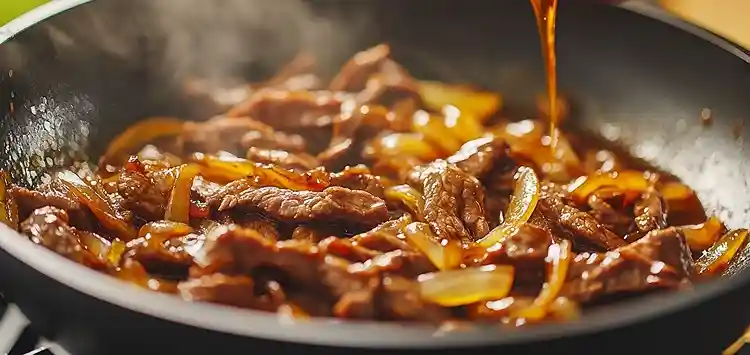
Crank your heat to high and add 2 tablespoons of vegetable oil to the same pan. Wait until the oil starts smoking slightly—yes, smoking is what you want here for that authentic stir-fry flavor.
Working in a single layer (don’t crowd the pan), add marinated beef strips and let them sit untouched for 45-60 seconds. This creates the gorgeous brown crust that defines great pepper steak. Flip and cook another 45-60 seconds until just cooked through with some pink remaining in the center.
Thomas Keller’s technique of letting protein develop a proper sear before moving it applies perfectly here—patience creates depth of flavor that rushed cooking never achieves.
Step 4: Create the Signature Sauce
While beef sizzles, whisk together soy sauce, hoisin sauce, rice vinegar, and cornstarch in a small bowl until the cornstarch dissolves completely with no lumps. The cornstarch acts as your thickening agent, transforming thin liquid into that glossy, clingy sauce.
Pour this mixture directly over the seared beef and watch it transform. Let me tell you, the way sauce bubbles and thickens around those beef strips is incredibly satisfying. Let it simmer for 1-2 minutes, stirring gently, until the sauce coats the back of a spoon.
Step 5: Bring It All Together
Reduce heat to medium and add your caramelized onions back into the pan with the sauced beef. Stir everything together for 30-60 seconds, just until onions warm through and every element gets coated in that gorgeous, glossy sauce.
Taste and adjust seasoning if needed—sometimes I add a pinch more black pepper for extra kick. The smell alone will have everyone rushing to the kitchen asking when dinner’s ready.
Expert Tips for Restaurant-Quality Results
Always slice beef against the grain for maximum tenderness. Those muscle fibers running through meat create chewiness when left intact, but cutting perpendicular to them creates short fibers that practically melt in your mouth. Look closely at your beef and you’ll see the direction of the grain—slice opposite to that.
Use the highest heat your stove can produce for the beef searing step. This quick, intense heat creates caramelization and that signature “wok hei” (breath of the wok) flavor that defines excellent Chinese cooking. Don’t be afraid of smoke—open windows, turn on your exhaust fan, and embrace it.
Prep everything before you start cooking. Stir-frying moves fast, and stopping to chop garlic mid-recipe guarantees overcooked, dry beef. Professional cooks call this “mise en place,” and it’s the difference between stress and success.
Creative Variations to Try
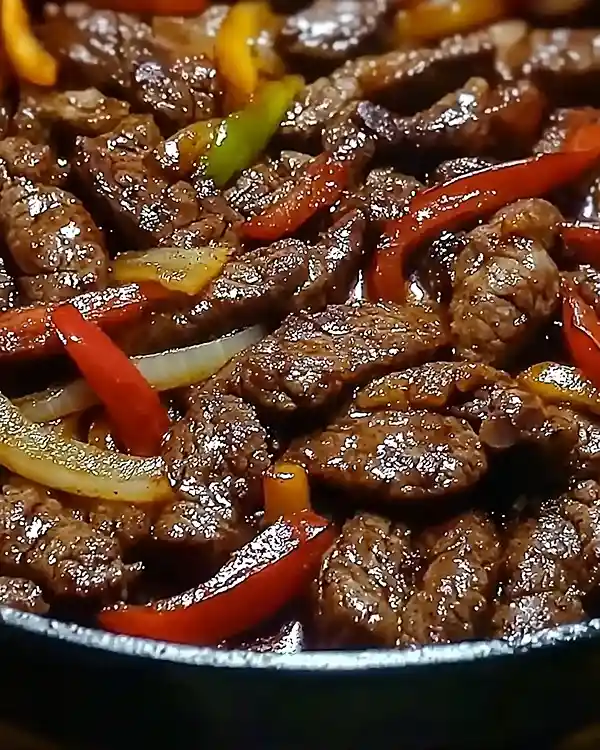
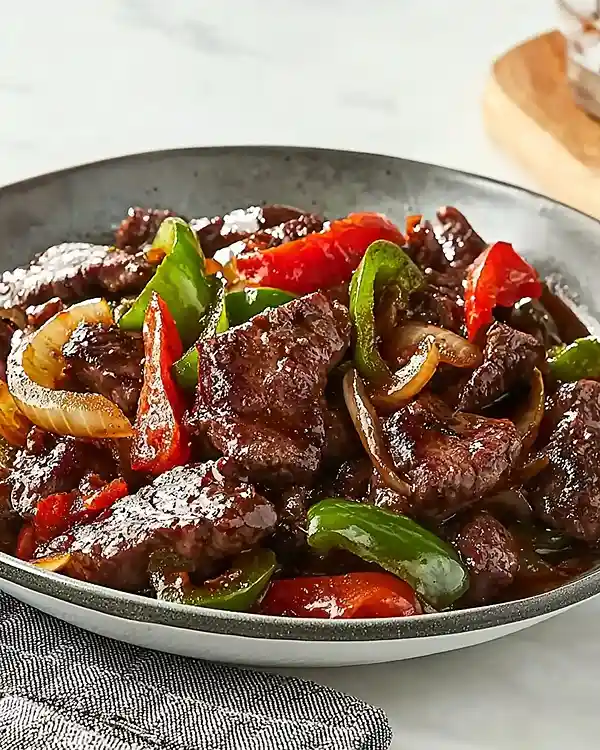
Colorful Vegetable Version: Add 1 cup each of sliced red and yellow bell peppers during the onion cooking stage for a vibrant steak and bell peppers presentation. The sweet peppers complement beef beautifully while adding eye-catching color and extra nutrients.
Spicy Szechuan Style: Stir in 1-2 teaspoons of chili garlic sauce with your regular sauce mixture, or toss in dried Szechuan peppercorns during the beef searing for that distinctive tingling heat. This transforms mild pepper steak into something bold and memorable.
Ground Beef Budget Option: Swap sliced steak for 1 pound of ground beef for an economical ground beef stir-fry with onions. Brown the beef first, drain excess fat, then follow the same sauce steps. You lose the luxurious texture but gain weeknight affordability.
Holiday Asian Fusion: Around Thanksgiving, I add 1/2 cup of dried cranberries to the sauce for a sweet-tart twist that bridges American and Chinese flavors. Guests always ask for this unexpected variation that feels both festive and familiar.
Low-Carb Cauliflower Rice Bowl: Serve over riced cauliflower instead of traditional white rice for a lighter option that still satisfies. The cauliflower soaks up that delicious sauce while cutting carbs by roughly 75%.
Storage, Make-Ahead, and Reheating Guide
Table: Storage Times and Methods
| Storage Method | Duration | Best Practice | Quality Notes |
|---|---|---|---|
| Refrigerator | 3-4 days | Airtight container | Beef stays tender |
| Freezer | 2-3 months | Freeze-safe container | Separate from rice |
| Room Temp | 2 hours max | Not recommended | Food safety risk |
| Reheating | Until steaming | Medium heat, covered | Add splash of water |
Let pepper steak cool completely before refrigerating to prevent condensation that makes everything soggy. Store in shallow containers for faster, more even cooling that keeps beef at its best texture.
Reheat gently in a covered skillet over medium heat with 2 tablespoons of water or broth. This prevents drying out and revives that glossy sauce consistency. Avoid microwaving if possible—it toughens beef and creates uneven hot spots.
Make-Ahead Strategy for Busy Weeknights
Marinate beef up to 24 hours ahead for even deeper flavor penetration. Slice onions and mix your sauce the night before, storing everything in separate containers. When dinner time hits, you’ll have actual cooking down to 10 minutes flat.
You know what’s great? Prepping multiple batches of sauce and freezing them in ice cube trays. Pop out 4-5 cubes whenever you need a quick stir-fry base.
Perfect Pairings and Serving Suggestions
Serve this sizzling Chinese pepper steak over fluffy steamed jasmine rice that soaks up every drop of sauce. For a complete Chinese-American feast, pair with my authentic chicken fried rice recipe or crispy General Tso’s chicken for contrasting textures.
Lo mein or rice noodles make excellent alternatives to rice, especially when tossed with a bit of sesame oil. The noodles catch sauce in their curves and create satisfying slurps with every bite.
For sides, try steamed broccoli or bok choy drizzled with oyster sauce. Fresh cucumber salad with rice vinegar dressing cuts through the richness beautifully. A light egg drop soup or hot and sour soup rounds out the meal like your favorite Chinese restaurant.
Cold beer or iced green tea pairs perfectly with this dish’s bold, savory flavors. The beverage cleanses your palate between bites and complements rather than competes with the complex sauce.
Sizzling Chinese Pepper Steak with Onions FAQs
Can I use frozen beef for this pepper steak recipe?
Yes, you can use frozen beef for this pepper steak recipe, though fresh produces slightly better texture. Thaw beef completely in the refrigerator overnight, then pat very dry with paper towels before slicing and marinating. Excess moisture from frozen beef can prevent proper searing and create steam instead of that crucial caramelized crust.
What’s the best way to slice beef for stir-fry?
The best way to slice beef for stir-fry involves partially freezing it for 30-45 minutes until firm but not solid, which makes thin, even slicing much easier. Always cut against the grain (perpendicular to muscle fibers) in strips about 1/4-inch thick. This technique breaks down tough fibers and guarantees tender bites in your finished onion pepper steak.
How do I prevent my steak and bell peppers from getting tough?
Prevent tough steak and bell peppers by avoiding overcooking and maintaining high heat throughout. Cook beef just until it loses its raw pink color—roughly 2-3 minutes total—since residual heat continues cooking even after you remove the pan from heat. Add vegetables at the right time so they stay crisp-tender rather than mushy, preserving both texture and nutritional value.
Can I make this ground beef stir-fry with onions instead?
Absolutely, you can make this ground beef stir-fry with onions by substituting 1 pound of ground beef for sliced steak. Brown the ground beef over high heat, breaking it into crumbles, then drain excess fat before adding sauce. The result costs less and cooks even faster while delivering similar bold flavors that satisfy takeout cravings.
Your Turn to Create Magic
So here’s the thing—you’re about to experience what took me months of kitchen disasters to perfect. This sizzling Chinese pepper steak with onions delivers everything you crave: tender beef, caramelized sweetness, and that addictive restaurant-style sauce that makes you want seconds (and thirds).
Pair it with my Chinese chicken fried rice for an impressive weeknight spread that beats takeout every time. Your kitchen will smell incredible, your family will think you’re a culinary genius, and you’ll have leftovers that might taste even better tomorrow.
Ready to ditch delivery and become your household’s stir-fry hero? Grab your skillet and let’s make something spectacular together.
Drop a comment below telling me how your pepper steak turned out—I read every single one and love seeing your creative twists on this recipe. What will you serve alongside yours?