
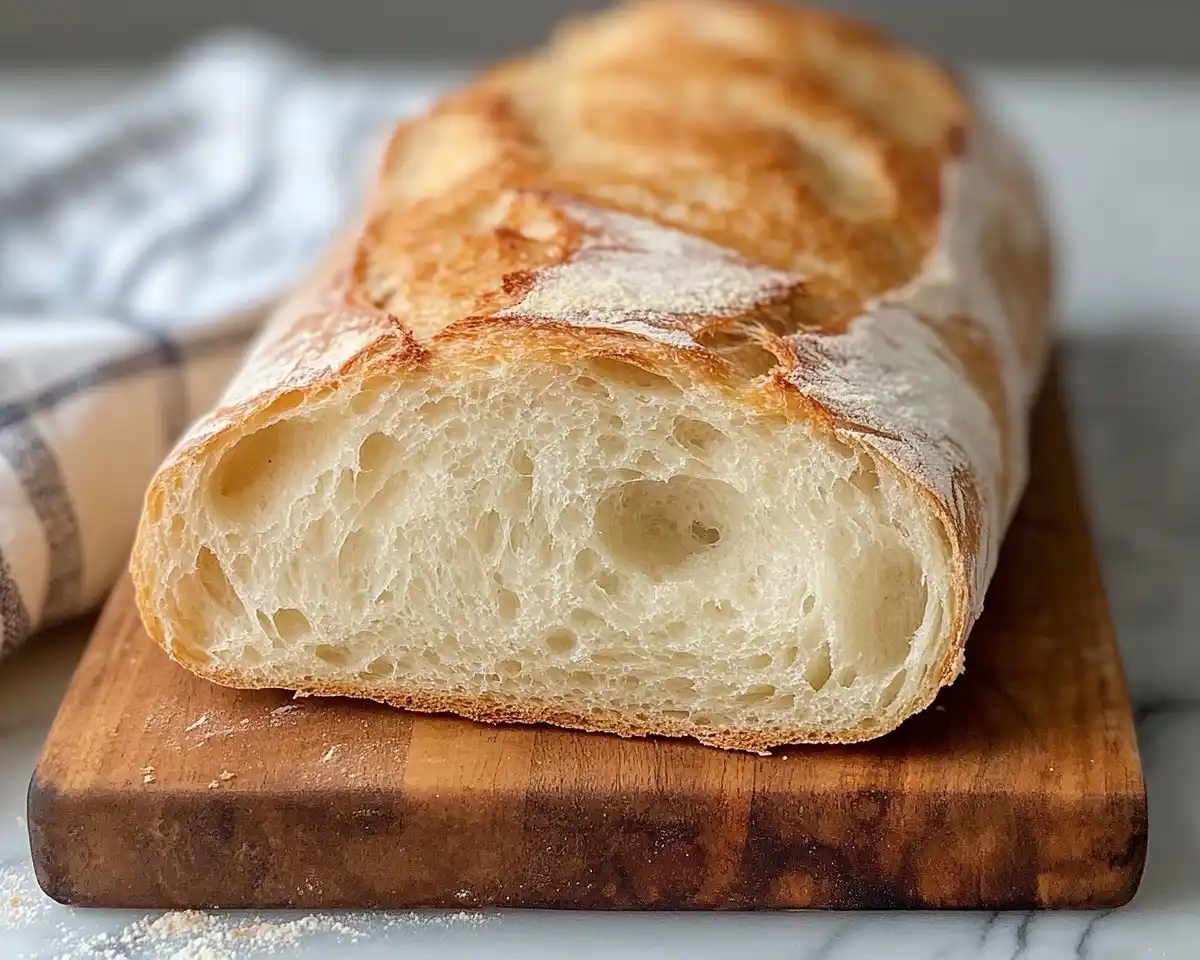
Quick Sourdough Discard French Bread transforms leftover starter into bakery-quality loaves. Easy sourdough bread recipe ready in just 3 hours with simple steps.
Hey, I’m Linda! Welcome to Tasty at Home, where bold flavors meet everyday kitchens.
Last winter, I stared at my jar of sourdough discard and thought, “There’s gotta be something better than pancakes.” That’s when I cracked the code on this Quick Sourdough Discard French Bread. Man, oh man—it changed everything.
This recipe combines the tangy depth of sourdough with the speed of yeast bread. You’ll have two golden, crusty loaves on your table in about three hours. No overnight waits, no fussy schedules—just honest-to-goodness homemade sourdough bread that actually fits into real life.
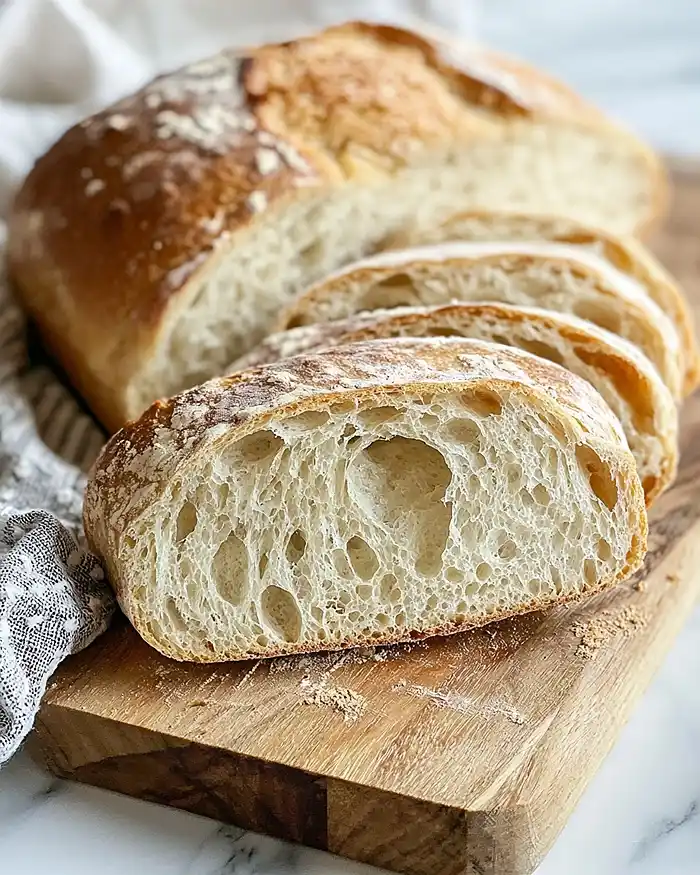
Golden crust, soft inside, and made from your leftover starter—this quick sourdough French bread is irresistible! Discover more easy sourdough discard bread recipes to never waste a bite.
Table of Contents
What Makes This Recipe Unique
This isn’t your typical sourdough bread starter recipe. Well… it’s a hybrid that gives you the best of both worlds.
The secret lies in combining active sourdough discard with instant yeast. You get that signature tangy flavor without the 12-hour commitment. I’ve tested this recipe seventeen times (yes, really) to nail the perfect texture—crispy crust, tender crumb, and just enough chew.
Most easy sourdough bread recipes either taste bland or take forever. This one delivers bakery-quality results in a fraction of the time. The coconut oil keeps the crumb soft for days, while the honey feeds the yeast and adds a subtle sweetness that balances the sour notes.
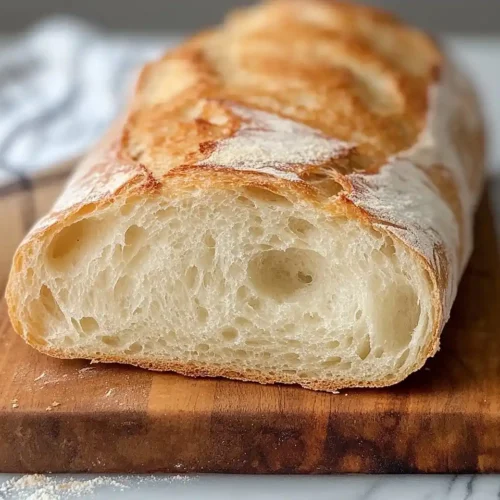
Quick Sourdough Discard French Bread
Equipment
- Stand mixer with dough hook
- Large Mixing Bowl or Dough Container
- Baking sheet
- Bread Lame or Sharp Knife
- Kitchen towel
- Digital kitchen scale
Ingredients
Sourdough Mixture
- ¾ cup Sourdough discard (100% hydration) Room temp or cold
- 1 ¾ cups Warm water 95-105°F
- 1 tablespoon Instant yeast Not active dry
- 2 tablespoons Honey Sue Bee preferred
Dough
- ⅓ cup Coconut oil (melted, cooled) Or neutral oil
- 6 cups Bread flour King Arthur preferred
- 1 tablespoon Salt Fine sea salt
Brushing (Optional)
- 2 tablespoons Melted butter Salted or unsalted
Instructions
- Combine sourdough discard and warm water in a bowl. Mix until fully dissolved. Add instant yeast and honey, stir gently, and let sit 5-10 minutes until foamy.
- Add melted coconut oil, salt, and bread flour. Knead with dough hook on medium speed for 8 minutes or hand knead 10-12 minutes until smooth and tacky.
- Transfer dough to oiled container, cover, and let rise for about 1 hour until doubled.
- Turn dough onto work surface, divide into two portions, shape into rectangles, roll tightly, and place seam-side down on parchment-lined baking sheet.
- Cover loaves, let rise 1-2 hours until doubled. Preheat oven to 375°F about 20 minutes before baking.
- Score loaves with bread lame or knife. Bake 30-35 minutes until deep golden brown. Brush with melted butter immediately after baking and cool on wire rack for at least 20 minutes before slicing.
Notes
Ingredients: What You’ll Need
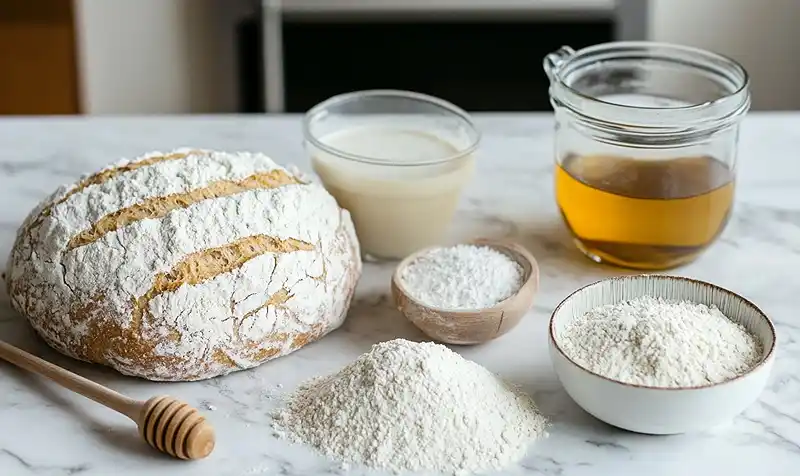
For best results, use freshly-milled bread flour for structure and 100% hydration sourdough discard for consistency. Quality ingredients make all the difference in homemade sourdough bread.
Ingredient Table
| Ingredient | US Measurement | Metric | Notes |
|---|---|---|---|
| For the Sourdough Mixture | |||
| Sourdough discard (100% hydration) | 3/4 cup | 200g | Room temp or cold |
| Warm water | 1 3/4 cups | 430g | 95-105°F |
| Instant yeast | 1 tablespoon | 10g | Not active dry |
| Honey | 2 tablespoons | 40g | Sue Bee preferred |
| For the Dough | |||
| Coconut oil (melted, cooled) | 1/3 cup | 70g | Or neutral oil |
| Bread flour | 6 cups | 860g | King Arthur preferred |
| Salt | 1 tablespoon | 20g | Fine sea salt |
| For Brushing (Optional) | |||
| Melted butter | 2 tablespoons | 28g | Salted or unsalted |
Shopping Tips for US Grocery Stores
Find instant yeast in the baking aisle near flour—look for brands like Red Star or Fleischmann’s. King Arthur bread flour is widely available at Target, Whole Foods, and most supermarkets. For coconut oil, choose refined versions to avoid coconut flavor, or substitute with vegetable or canola oil.
Your sourdough discard should be fed within the last week for best results. If it’s been longer, feed it once and let it sit at room temperature for a few hours before using.
Ingredient Groups & Substitutions
Essentials: The sourdough discard, bread flour, and instant yeast form the foundation. Don’t skip the salt—it controls fermentation and builds flavor.
Bold Add-ins: Try substituting 1/4 cup of the bread flour with whole wheat for nuttiness. Add 2 tablespoons of everything bagel seasoning on top before baking. Mix in 1/2 cup of dried cranberries and chopped pecans for a breakfast twist.
International Substitutions: Replace honey with maple syrup or agave. Swap coconut oil for olive oil (adds Mediterranean flair). Use all-purpose flour if bread flour isn’t available, though the texture will be slightly less chewy.
Quality Indicators
Look for bread flour with at least 12% protein content—check the nutrition label. Fresh instant yeast should smell pleasantly sweet and yeasty. If your sourdough discard has a pink or orange tint, discard it and start fresh (that’s mold, not flavor).
Equipment You’ll Need
Stand Mixer with Dough Hook: Makes kneading effortless. A KitchenAid 5-quart model works perfectly. Don’t have one? Knead by hand for 10-12 minutes on a lightly floured surface.
Large Mixing Bowl or Dough Container: You need room for the dough to triple in size. A 4-quart container with a lid is ideal for tracking rise progress.
Baking Sheet: Use a standard 18×13-inch half-sheet pan. Line it with parchment paper to prevent sticking and ensure even browning.
Bread Lame or Sharp Knife: Scoring allows steam to escape and creates that professional bakery look. A razor blade works in a pinch.
Kitchen Towel: Cover the dough during rises to prevent a dry skin from forming. A clean dish towel or lightweight fabric works best.
Digital Kitchen Scale (Optional but Recommended): Baking by weight ensures consistent results every time. You know what? Once you start weighing ingredients, you’ll never go back to cups.
Step-by-Step Instructions
Step 1: Prepare the Sourdough Mixture
Combine your sourdough discard and warm water in the bowl of a stand mixer. If your discard came straight from the fridge, use water around 105-110°F to compensate for the cold temperature.
Mix together with a spoon or your hands until the discard fully dissolves into the water. This distributes the temperature evenly and prevents hot spots that could kill the yeast.
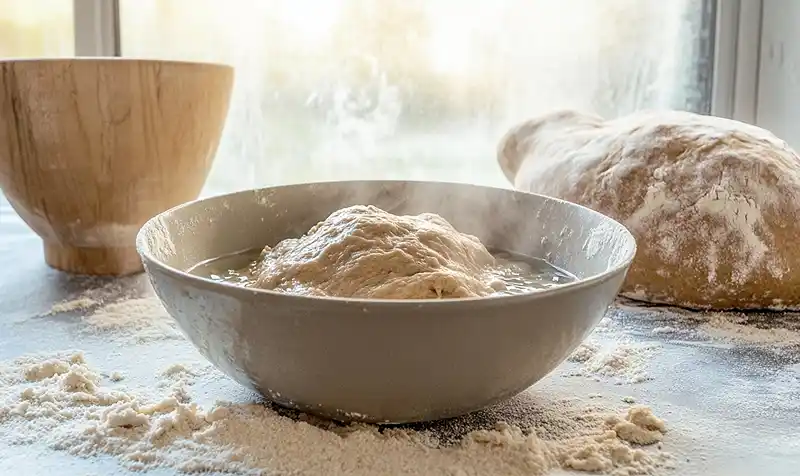
Add the instant yeast and honey, then stir gently to combine. Let this mixture sit for 5-10 minutes until it becomes foamy and smells distinctly yeasty—this proves your yeast is alive and ready to work.
Step 2: Form the Dough
Add the melted coconut oil, salt, and bread flour to the bowl. Attach the dough hook to your stand mixer.
Knead on medium speed (setting 2 on a KitchenAid) for about 8 minutes. The dough should pull away from the sides of the bowl and feel tacky but not sticky—like a Post-it note, as Thomas Keller describes ideal bread dough texture.
If the dough clings to your fingers, add flour one tablespoon at a time while kneading. Oops! I once added too much flour and ended up with dense bricks instead of bread. Add conservatively and give the dough time to absorb each addition.
Hand Kneading Alternative: Turn the dough onto a lightly floured surface and knead for 10-12 minutes. Push the dough away with the heel of your hand, fold it back, turn it 90 degrees, and repeat. You’ll know it’s ready when it becomes smooth and springs back when poked.
Step 3: Let the Dough Rise
Transfer the kneaded dough to a lightly oiled container or bowl. Cover with a damp towel or plastic wrap.
Allow the dough to rise for approximately one hour at room temperature (68-72°F). It should double or even triple in size. The warmer your kitchen, the faster this happens.
To speed things up, place the container in a turned-off oven with just the light on.
Check the dough by gently pressing your finger into it. If the indentation slowly springs back halfway, it’s ready. If it springs back completely, give it more time.
Step 4: Shape the Dough
Turn the risen dough out onto a clean work surface. No flour needed—this dough isn’t sticky enough to require it.
Divide the dough into two equal portions using a bench scraper or knife. Each piece should weigh around 825 grams if you’re measuring.
Press each portion into a rectangle roughly 8 inches wide and 10 inches long. Use your fingers to work out any large air bubbles.
Starting from the short end, roll each rectangle up tightly like a jelly roll. Pinch the seam closed as you go, sealing it completely. Pinch the ends shut and tuck them under slightly.
Place each loaf seam-side down on one half of a parchment-lined baking sheet. Space them at least 4 inches apart—they’ll expand significantly during the second rise.
Step 5: Second Rise and Preheat the Oven
Cover the shaped loaves loosely with a kitchen towel. Let them rise for 1-2 hours until they double in size and look puffy and pillowy.
The dough should feel light and airy when gently pressed. In a warm kitchen (75-78°F), this takes about 60-75 minutes. In a cooler space, plan for the full 2 hours.
About 20 minutes before the loaves finish rising, preheat your oven to 375°F. This timing ensures your oven reaches proper temperature exactly when your bread is ready to bake.
Step 6: Score and Bake
Using a bread lame or very sharp knife, make 4-5 diagonal slashes across the top of each loaf. Cut about 1/4 inch deep at a 45-degree angle. Let me tell you—proper scoring makes the difference between homemade and bakery-quality appearance.
Alternatively, make one long slash down the center of each loaf. Julia Child always recommended bold, confident cuts for the best oven spring.
Bake for 30-35 minutes until the loaves turn deep golden brown. The internal temperature should reach 190-200°F if you’re using a thermometer.
Remove from the oven and immediately brush the warm loaves with melted butter. This creates a soft, flavorful crust and adds gorgeous sheen.
Let the bread cool on the pan for 10 minutes, then transfer to a wire rack. Wait at least 20 minutes before slicing—I know it’s torture, but cutting too early releases all the steam and results in a gummy interior.
Expert Tips for Best Results
Temperature Matters: Keep your kitchen between 70-75°F for optimal rise times. Too cold, and the dough takes forever. Too hot, and it overproofs quickly.
Don’t Over-Knead: Stop mixing once the dough pulls away from the bowl sides. Over-kneading develops too much gluten, resulting in tough bread.
Adjust for Your Discard: If your sourdough discard is thicker or thinner than 100% hydration, adjust the water slightly. The dough should feel tacky, not sticky or dry.
Steam Creates Crust: Place a metal pan on the bottom oven rack and add 1 cup of hot water just before baking. This steam helps create a crispy crust, like proper French bread should have.
Creative Variations
Whole Wheat Version: Replace 2 cups of bread flour with whole wheat flour. Add an extra 2 tablespoons of water to compensate for the whole grains’ absorption. This creates a heartier, nuttier loaf perfect for homemade sandwich bread applications.
Herb & Cheese Loaf: Fold 1 cup shredded sharp cheddar and 2 tablespoons dried Italian herbs into the dough after the first rise. Shape and bake as directed.
Cinnamon Raisin Swirl: Before rolling the dough, brush the rectangle with melted butter, sprinkle with cinnamon sugar, and scatter raisins on top. Roll tightly and bake. Brush with honey butter instead of plain butter.
Holiday Cranberry Walnut: Add 3/4 cup dried cranberries and 1/2 cup chopped walnuts during the final minute of kneading. Perfect for Thanksgiving dinner alongside your signature chocolate desserts.
Garlic Parmesan: Mix 3 cloves minced garlic into the dough. After brushing with butter, sprinkle generously with grated Parmesan cheese and dried parsley.
Storage & Make-Ahead Tips
Room Temperature: Store completely cooled bread in a paper bag or bread box for up to 3 days. Avoid plastic bags—they make the crust soggy.
Refrigerator: Not recommended. Refrigeration accelerates staling and creates a dry, crumbly texture.
Freezer: Wrap cooled loaves tightly in plastic wrap, then aluminum foil. Freeze for up to 3 months. Thaw at room temperature for 2-3 hours.
Make-Ahead Options: Prepare the dough through the first rise, then refrigerate overnight. The next day, shape, rise again, and bake. The cold fermentation adds even more flavor depth.
Storage Time Reference Table
| Storage Method | Duration | Best For |
|---|---|---|
| Room temperature (paper bag) | 3 days | Daily eating |
| Frozen (wrapped) | 3 months | Long-term storage |
| Refrigerated (shaped, unbaked) | 12 hours | Next-day baking |
| Counter (sliced) | 24 hours | Immediate use |
Reheating: Wrap the loaf in foil and warm at 350°F for 10-15 minutes. For individual slices, toast lightly or warm in a 300°F oven for 5 minutes.
Serving Suggestions & Pairings
Serve this Quick Sourdough Discard French Bread warm with cultured butter and flaky sea salt. The contrast between crunchy crust and soft interior is absolutely divine.
Pair with sourdough discard focaccia for an impressive bread basket at dinner parties. Create French toast by slicing thick pieces, dipping in egg mixture, and frying until golden.
This bread makes outstanding sandwiches. Try it with roasted turkey, cranberry sauce, and brie for a Thanksgiving leftover special. Or go classic with tomato, fresh mozzarella, and basil drizzled with balsamic glaze.
Toast slices and rub with fresh garlic for authentic bruschetta. Top with diced tomatoes, basil, and olive oil. Alternatively, spread with ricotta and honey for a quick breakfast that rivals any bakery offering.
Use day-old bread for sourdough bread croutons or bread pudding. The tangy flavor adds complexity to both applications.
Quick Sourdough Discard French Bread FAQs
Can I use active dry yeast instead of instant yeast?
Yes, but dissolve it in the warm water first and let it proof for 5-10 minutes before adding the sourdough discard. You may need slightly more (about 12g instead of 10g) since active dry yeast is less concentrated than instant.
What’s the best way to know when my bread is fully baked?
The loaves should be deep golden brown and sound hollow when tapped on the bottom. An instant-read thermometer inserted in the center should register 190-200°F. Under-baked bread feels dense and doughy in the center.
How do I prevent my bread from being too dense?
Ensure your yeast is fresh and active (check the foaming in Step 1). Don’t add too much flour during kneading—the dough should be tacky, not dry. Allow adequate rising time until the dough truly doubles in size.
Can I make this recipe without a stand mixer?
Absolutely! Knead the dough by hand for 10-12 minutes until smooth and elastic. The technique requires more effort but produces identical results
Conclusion
This Quick Sourdough Discard French Bread proves you don’t need hours of waiting to enjoy authentic homemade sourdough bread. The combination of discard and instant yeast delivers complex flavor without the typical commitment.
Remember that first winter when I stared at my sourdough jar? Now it’s the first thing I reach for on bread-baking days. Each loaf represents the perfect balance between traditional technique and modern convenience.
Serve these golden loaves at your next Sunday dinner alongside roasted chicken and a crisp green salad. Or slice thick pieces for morning toast slathered with jam. Either way, you’ve just discovered your new signature recipe.
Try this recipe this weekend and share your results in the comments below! Did you add any creative variations? I’d love to hear how your loaves turned out.
Pair this bread with a glass of California Chardonnay or a cold craft beer for the ultimate comfort experience. Your kitchen will smell like a French bakery, and your family will think you’ve been hiding professional baking skills all along.
Tasty at Home – Where bold flavors meet everyday kitchens.
