

This lemon blueberry sourdough discard recipe transforms your leftover starter into a moist, flavorful quick bread that’s perfect for breakfast or an afternoon treat. With bright citrus notes and juicy blueberries in every bite, it’s an easy way to reduce waste while creating something absolutely delicious.
You know that jar of sourdough discard sitting in your fridge, giving you the guilt-trip every time you open the door? Yeah, I see you. We’ve all been there—feeding our starter like it’s a needy pet, then tossing perfectly good discard down the drain. Well, not anymore!
This lemon blueberry sourdough discard recipe is about to become your new best friend. It’s the kind of recipe that makes you feel like a baking genius without actually requiring any fancy skills. You’re basically taking something you’d normally throw away and turning it into this gorgeous, bakery-worthy loaf that’ll have everyone asking for the recipe.
I stumbled onto this gem one Sunday morning when I had way too much discard and a pint of blueberries that needed using up ASAP. The combination of tart lemon and sweet berries with that subtle sourdough tang? Chef’s kiss. It’s become my go-to whenever I need to bring something to brunch or just want to make my kitchen smell absolutely amazing.
Bright, tangy, and bursting with berries—your sourdough discard can become a zesty lemon blueberry treat! Check out more sourdough discard breakfast and dessert ideas to use every bit of your starter.
Table of Contents
What Makes This Recipe So Special
Here’s the thing—this isn’t your typical sourdough bread that requires hours of kneading and shaping. Nope! This is a quick bread situation, which means you can literally mix everything in two bowls and call it a day. Or, if you’re feeling fancy and want that extra sourdough flavor and better digestibility, there’s a long-fermented version that’s totally worth the wait.
The beauty of this recipe using sourdough starter is that it’s incredibly forgiving. Your discard can be fresh or it can be that stuff that’s been hanging out in the back of your fridge for a week. Either way works! Plus, you get all those gut-friendly benefits that come with fermented foods, especially if you go the overnight route.
What really sets this apart from regular blueberry quick bread is that signature sourdough tanginess that plays perfectly with the bright lemon flavor. It’s sweet but not too sweet, moist but not dense, and those bursts of blueberry throughout? Absolutely heavenly.

Foolproof Lemon Blueberry Sourdough Discard
Equipment
- 9×5 loaf pan
- mixing bowls
- Whisk
- spatula
- Oven
- wire rack
Ingredients
Dry Ingredients
- 2 cups all-purpose flour 240g
- 1 tsp baking powder
- 1 tsp baking soda
- ½ tsp salt
- 1 tbsp lemon zest fresh is best
Wet Ingredients
- 1 cup sourdough starter discard fresh or week-old
- ¾ cup brown sugar 150g, light or dark
- ½ cup melted butter or coconut oil
- 2 large eggs room temp
- 2 tbsp fresh lemon juice about half a lemon
- ¼ cup milk any kind
Add-Ins
- 1 cup blueberries fresh or frozen
Lemon Glaze
- ¼ cup powdered sugar
- 1 tbsp lemon juice for glaze
Instructions
- Preheat oven to 350°F (175°C) and grease a 9×5 loaf pan with butter or line with parchment.
- Whisk together flour, baking powder, baking soda, salt, and lemon zest in a large bowl.
- In a separate bowl, combine sourdough starter discard, brown sugar, melted butter, eggs, milk, and lemon juice until smooth.
- Pour wet ingredients into dry ingredients and stir until just combined. Fold in blueberries gently.
- Pour batter into prepared loaf pan and bake 55–65 minutes, until a toothpick comes out clean.
- Cool in pan for 10 minutes, transfer to wire rack, and let cool completely. Mix powdered sugar and lemon juice for glaze and drizzle on top.
Notes
Ingredients
Let me walk you through what you’ll need for this beauty. Don’t worry—nothing weird or hard to find here!
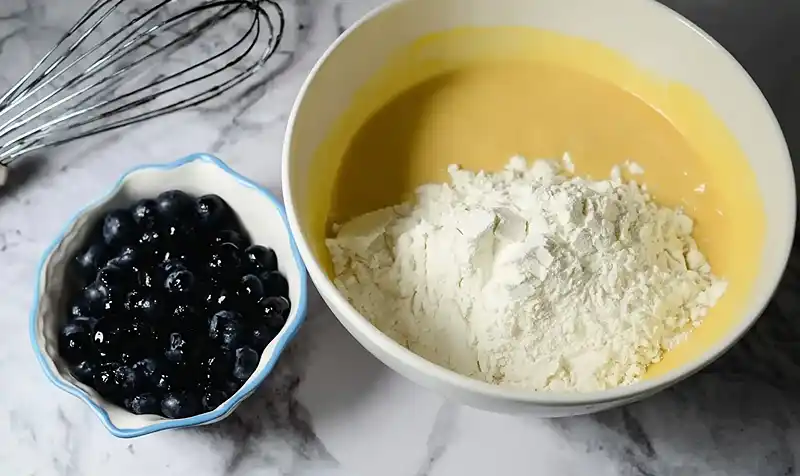
| Ingredient Category | What You’ll Need | Quick Notes |
|---|---|---|
| Dry Ingredients | 2 cups (240g) all-purpose flour | The foundation of our loaf |
| 1 teaspoon baking powder | Gives us that nice rise | |
| 1 teaspoon baking soda | Works with the sourdough tang | |
| ½ teaspoon salt | Balances all the sweetness | |
| 1 tablespoon lemon zest | Fresh is best—so fragrant! | |
| Wet Ingredients | 1 cup (227g) sourdough starter discard | Fresh or week-old both work |
| ¾ cup (150g) brown sugar | Light or dark—your call | |
| ½ cup melted butter or coconut oil | Melted butter = extra richness | |
| 2 large eggs | Room temp works best | |
| 2 tablespoons fresh lemon juice | About half a lemon | |
| ¼ cup milk | Any kind you’ve got | |
| Add-Ins | 1 cup fresh or frozen blueberries | Don’t thaw if frozen! |
| Lemon Glaze | ¼ cup powdered sugar | Makes it look bakery-fancy |
| 1 tablespoon lemon juice | Extra lemony goodness |
A few ingredient notes: If you use olive oil instead of butter, your bread will have a slightly different flavor—still delicious, just a bit more savory. I’ve done it in a pinch and honestly loved it! And for the blueberries, frozen ones actually work great because they won’t bleed as much into the batter.
Step-by-Step Instructions
Alright, let’s get baking! I’m giving you two options here—the quick version for when you need bread ASAP, and the long-fermented version for when you want maximum flavor and digestibility.
Quick Bread Version (Same-Day Baking)
Getting Started
First things first—crank that oven to 350°F (175°C) and get your 9×5 loaf pan ready. I like to grease mine with butter because it adds a tiny bit of extra flavor to the crust, but parchment paper works great too if you’re feeling lazy about cleanup. Trust me, there’s no judgment here.
Mixing the Dry Stuff
Grab your large bowl and whisk together the flour, baking powder, baking soda, salt, and that gorgeous lemon zest. Take a second to smell this mixture—isn’t it amazing? That’s the smell of potential right there. Make sure everything’s evenly distributed because we want consistent rise throughout the loaf.
Combining the Wet Ingredients
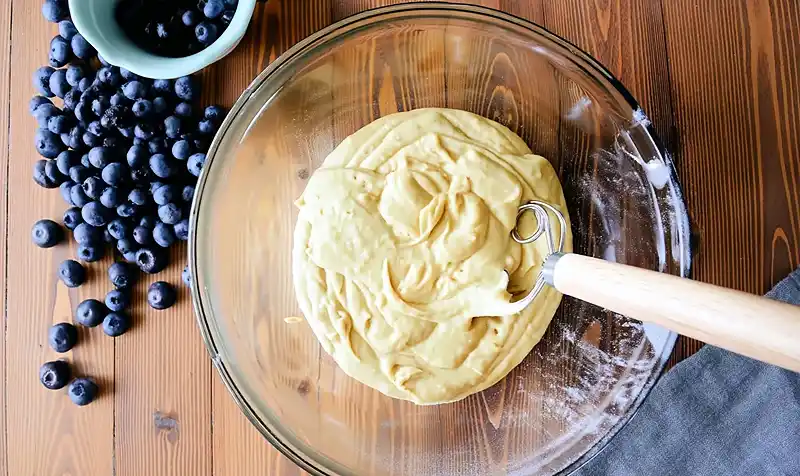
In your second bowl, dump in that sourdough starter discard you’ve been hoarding. Add the brown sugar, melted butter (make sure it’s not too hot or you’ll scramble those eggs!), eggs, milk, and lemon juice. Whisk this all together until it’s nice and smooth. It should look creamy and slightly bubbly from the starter.
Bringing It All Together
Here’s where beginners sometimes mess up—pour your wet ingredients into your dry ingredients and stir until just combined. See those little flour streaks? That’s totally fine! Overmixing is the enemy of tender quick bread, so resist the urge to keep stirring until it’s perfectly smooth. A few lumps won’t hurt anyone.
Now gently fold in those blueberries. Be gentle here—you don’t want to smush them and turn your batter purple. Well, unless that’s your thing. No judgment!
Baking Time
Pour that beautiful batter into your prepared pan and pop it in the oven. Set your timer for 55 minutes, but keep an eye on it after that. Every oven’s different, and you might need up to 65 minutes. You’ll know it’s done when a toothpick inserted in the center comes out clean or with just a few moist crumbs.
Pro tip: If the top’s getting too dark around the 45-minute mark, tent some aluminum foil over it. This happens to me literally every time because my oven runs hot.
Cooling and Glazing
Let your loaf cool in the pan for about 10 minutes. I know waiting is hard when it smells this good, but cutting into hot bread will give you a gummy texture. Transfer it to a wire rack and let it cool completely before glazing.
Mix up that simple glaze—just powdered sugar and lemon juice—and drizzle it over the top. It’ll look all professional and bakery-like. Slice, serve, and prepare for compliments!
Long Fermented Version (Overnight Method)
Planning Ahead
This version requires a bit of forethought—you’ll need to start about 16-18 hours before you want to eat. But here’s why it’s worth it: the long fermentation breaks down the phytic acid in the flour, making all those nutrients more available to your body. Plus, the flavor deepens in this really lovely way.
Initial Mixing
Follow the same mixing steps as the quick version—whisk your dry ingredients, combine your wet ingredients, then gently bring them together with the blueberries. The difference? Don’t pour it into the pan yet!
The Fermentation Process
Cover your bowl with a damp kitchen towel or plastic wrap. Let it sit at room temperature for 4-6 hours. You’ll notice it puff up a bit and develop more of that classic sourdough aroma. After this initial rise, pop the whole bowl into the fridge and let it do its thing for another 12 hours overnight.
Baking Day
The next morning, your batter will look a bit different—maybe more bubbly, definitely more alive. Preheat your oven to 350°F and give that batter a good stir with a Danish dough whisk or wooden spoon. It’ll be pretty sticky, which is exactly what you want.
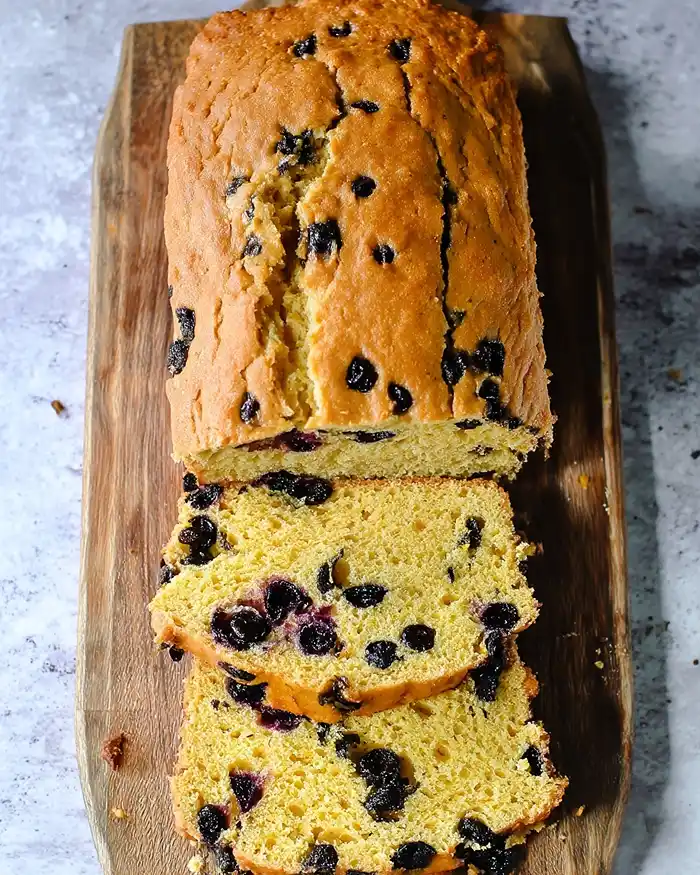
Grease your loaf pan now (I forgot this step once and… let’s just say we don’t talk about that loaf). Pour in the batter and bake for 55-65 minutes, same as the quick version. Cool, glaze, and enjoy!
Expert Tips & Tricks
Blueberry Hacks
If you’re using frozen blueberries, toss them in a tablespoon of flour before folding them in. This helps prevent them from sinking to the bottom. Also, don’t thaw them first—frozen berries stay intact better during baking.
Starter Flexibility
Your discard doesn’t have to be unfed. If you’ve got active, bubbly starter, that works too! The flavor might be slightly different, but it’ll still be delicious. I’ve even used starter that’s been in the fridge for two weeks (don’t @ me), and it turned out great.
Testing for Doneness
Besides the toothpick test, look for these signs: the top should spring back when lightly pressed, the edges should pull away slightly from the pan, and it should smell absolutely incredible. If your toothpick comes out with wet batter, give it another 5 minutes and check again.
Flavor Variations to Try
Want to switch things up? Swap the blueberries for raspberries or blackberries. Add a teaspoon of vanilla extract to the wet ingredients. Throw in some poppy seeds with the lemon zest for a lemon poppy seed version. You could even add a streusel topping before baking—just combine 2 tablespoons each of flour, butter, and brown sugar.
This recipe is honestly pretty flexible, so feel free to experiment! Just made a batch of sourdough discard pancakes and want to use the rest of your discard? This is perfect for that.
Troubleshooting Common Issues
Dense or Gummy Texture
This usually means overmixing. Remember, we want to mix until just combined. Those little flour streaks are your friends! Also make sure your baking powder and baking soda are fresh—they lose potency over time.
Loaf Sinking in the Middle
If your bread rises beautifully then collapses, your oven temperature might be too low. Invest in an oven thermometer—mine was off by 25 degrees and I had no idea! Also, make sure you’re not opening the oven door too early. I know it’s tempting, but resist for at least 45 minutes.
Too Dry or Crumbly
Overbaking is usually the culprit here. Start checking at 55 minutes and remember that bread continues cooking a bit after you remove it from the oven. Also, measure your flour correctly—spoon it into the measuring cup and level it off rather than scooping directly from the bag.
Storage & Reheating
Let’s talk about keeping this beauty fresh, because this homemade sourdough bread is definitely worth savoring!
| Storage Method | How Long | Best Practices |
|---|---|---|
| Room Temperature | 3-4 days | Wrap tightly in plastic wrap or store in an airtight container |
| Refrigerator | 5-7 days | Wrap in plastic wrap, then aluminum foil to prevent drying |
| Freezer | Up to 3 months | Slice first, then wrap individual slices in plastic wrap and store in freezer bag |
Reheating Tips: A slice warmed in the toaster for 30 seconds is absolutely magical. The edges get slightly crispy while the inside stays moist. You can also wrap the whole loaf in foil and warm it in a 300°F oven for about 10 minutes.
No-Waste Kitchen Ideas: Got some slices that are getting a bit stale? Make French toast! Or cube them up and make a bread pudding. Honestly, even day-old slices are perfect for spreading with cream cheese and jam.
If you love finding creative ways to use every bit of your ingredients, you might also enjoy recipes like caldo de res where every ingredient has a purpose.
Nutritional Information
Here’s the breakdown per slice (assuming 12 slices per loaf):
| Nutrient | Amount |
|---|---|
| Calories | 215 |
| Total Fat | 8g |
| Saturated Fat | 4.5g |
| Cholesterol | 45mg |
| Sodium | 220mg |
| Total Carbohydrates | 33g |
| Dietary Fiber | 1g |
| Sugars | 16g |
| Protein | 4g |
Note: These are estimates and can vary based on specific ingredients used.
Lemon Blueberry Sourdough Discard Recipe FAQs
Can I make this without sourdough starter?
Technically yes, but then it wouldn’t be a sourdough discard recipe! If you don’t have starter, you could substitute with ¾ cup buttermilk plus ¼ cup all-purpose flour, but you’ll lose that characteristic tangy flavor. If you’re curious about sourdough baking
Why do my blueberries always sink to the bottom?
Frozen blueberries are your best bet for staying suspended. If using fresh, toss them in a tablespoon of flour first. Also, make sure your batter isn’t too thin—it should be thick enough to support the berries. Overmixing can also thin out the batter and cause sinking.
Can I make muffins instead of a loaf?
Absolutely! This recipe makes about 12 regular muffins. Fill muffin cups about ⅔ full and bake at 350°F for 20-25 minutes. The long-fermented version works great for muffins too—just remember to give the batter a good stir before portioning it out.
Is there a difference between using fed starter versus discard?
Not really in terms of the final product! This recipe uses the chemical leaveners (baking powder and baking soda) to make the bread rise, so the activity level of your starter doesn’t matter much. The main contribution from the starter is flavor and that lovely tang.
Can I double this recipe?
Sure can! Just use two loaf pans and keep an eye on baking time—it should be about the same. I’ve done this when bringing bread to potlucks or when I want one loaf for now and one for the freezer. Works like a charm!
Let’s Wrap This Up!
So there you have it—your complete guide to making the most delicious lemon blueberry sourdough discard recipe that’ll make you actually excited about having leftover starter. Whether you go for the quick version or commit to the overnight fermentation, you’re in for a real treat.
This recipe has honestly changed my whole relationship with sourdough maintenance. Instead of feeling guilty about feeding my starter, I get excited knowing I’ll have discard to make this gorgeous bread. It’s perfect for breakfast, afternoon snacks, or bringing to brunch with friends.
Give it a try this weekend! And seriously, once you nail this, you’ll want to explore more sourdough discard recipes like quick sourdough discard French bread or those incredible 30-minute sourdough discard cinnamon rolls. Your starter discard will never go to waste again!
I’d absolutely love to hear how yours turns out! Drop a comment below, share a pic on Pinterest, and let me know if you tried any fun variations. Happy baking, friends!
