
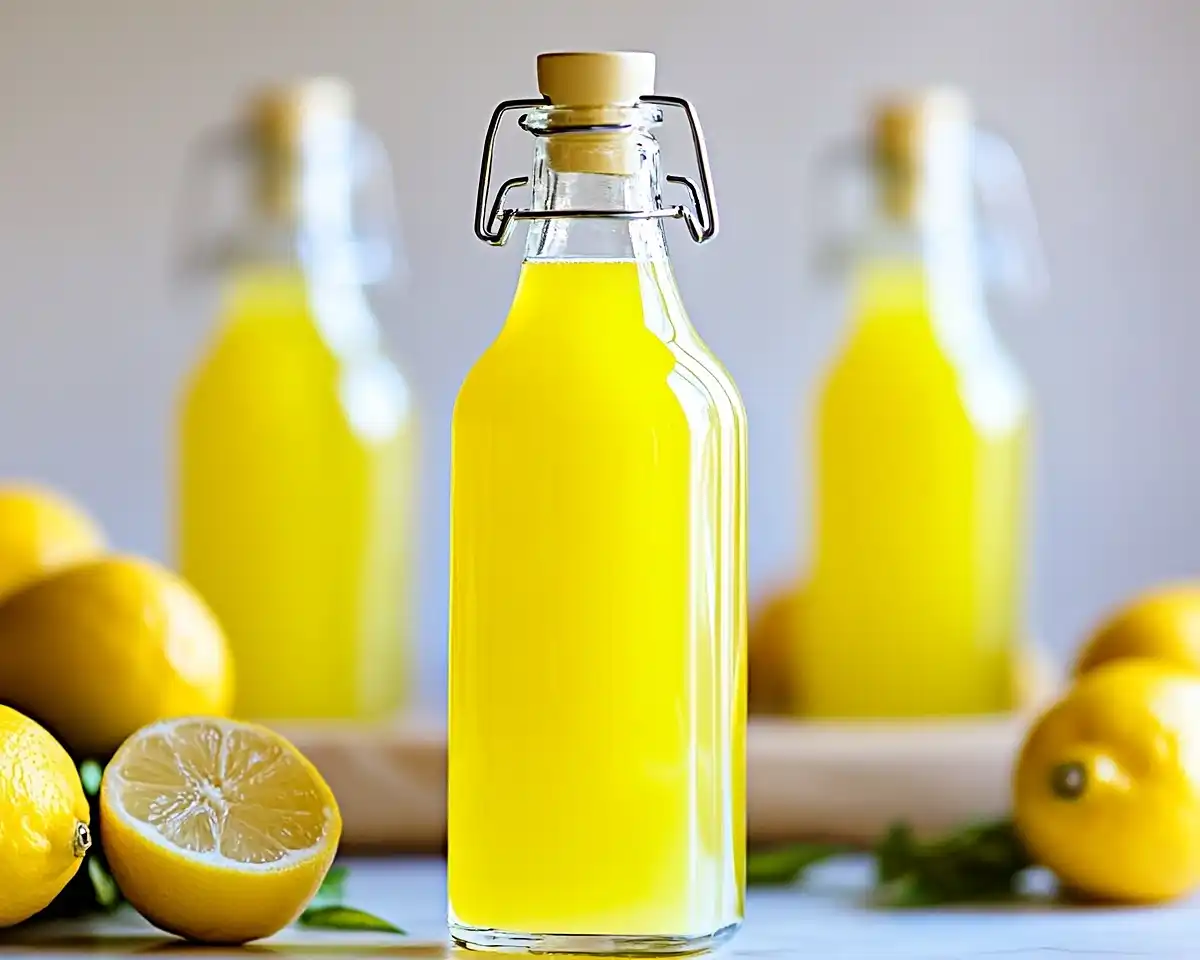
Learn how to make limoncello at home with this authentic Italian recipe. Transform fresh lemons into silky, citrus-perfused liqueur in just weeks.
Hey, I’m Linda! Welcome to Tasty at Home, where bold flavors meet everyday kitchens. My first sip of real limoncello happened on a friend’s terrace in Brooklyn, served ice-cold in tiny frosted glasses. One taste, and I was hooked—that bright, punchy lemon flavor with just the right sweetness stopped me mid-conversation.
I promised myself I’d crack the code and make it at home. Spoiler alert: I did, and it’s ridiculously simple. You don’t need fancy equipment or a culinary degree. Just patience, good lemons, and a little counter space.
This limoncello recipe delivers that same silky, citrus-perfused magic you’d find in a sun-drenched Italian coastal town. Let me tell you, once you’ve made your own batch, store-bought versions will taste like disappointment in a bottle. Let’s dive in and transform some lemons into liquid sunshine.
Tasty at Home – Where bold flavors meet everyday kitchens.
Table of Contents
What Makes This Limoncello Recipe Absolutely Authentic
This isn’t just lemon vodka with sugar. Real limoncello uses high-proof grain alcohol to extract the essential oils from lemon zest, creating that characteristic smooth, almost creamy texture. The alcohol percentage matters—190-proof works best because it pulls maximum flavor without bitterness.
I’ve tested this recipe with different lemon varieties, alcohol types, and steeping times. Organic lemons are non-negotiable here since you’re using the peel. Conventional lemons often carry wax coatings that’ll ruin your batch.
The secret lies in patience. While you can technically drink limoncello after seven days, letting it steep for three weeks creates deeper, more complex citrus notes. Think of it as the difference between rushed lemonade and something truly spectacular.
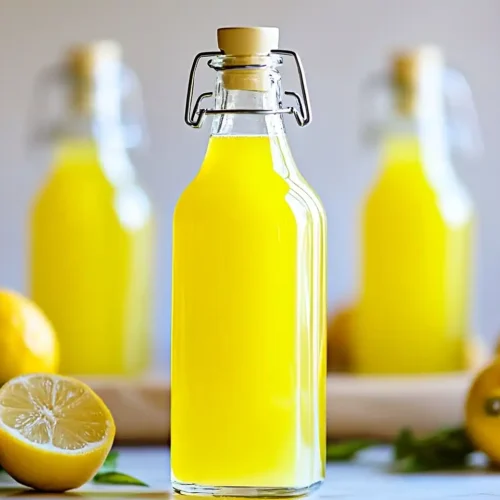
Authentic Italian Limoncello
Equipment
- large glass jar with lid
- Vegetable peeler
- Paring knife
- Medium saucepan
- Large mixing bowl
- funnel
- glass bottles
Ingredients
Main Ingredients
- 8 whole organic lemons large, thick-skinned
- 3 ⅔ cups pure grain alcohol (190-proof) Everclear or similar
- 2 ½ cups white sugar for syrup
- 4 ½ cups water filtered preferred, for syrup
Optional Milder Version
- ⅓ cup white sugar extra for milder version
- 1 cup water extra for milder version
Instructions
- Peel the lemons using a vegetable peeler, removing only the yellow zest and avoiding the white pith.
- Place all lemon peels into a large glass jar and pour in the grain alcohol. Seal tightly and let steep in a cool, dark place for 3 weeks, swirling occasionally.
- Make sugar syrup by dissolving sugar in water over medium heat. Let it cool completely before use.
- Combine the lemon-infused alcohol with the cooled sugar syrup gradually, tasting as you go until desired sweetness is reached.
- Pour the limoncello into glass bottles using a funnel. Chill in the freezer for at least 4 hours before serving.
Notes
Ingredient Breakdown: Quality Matters
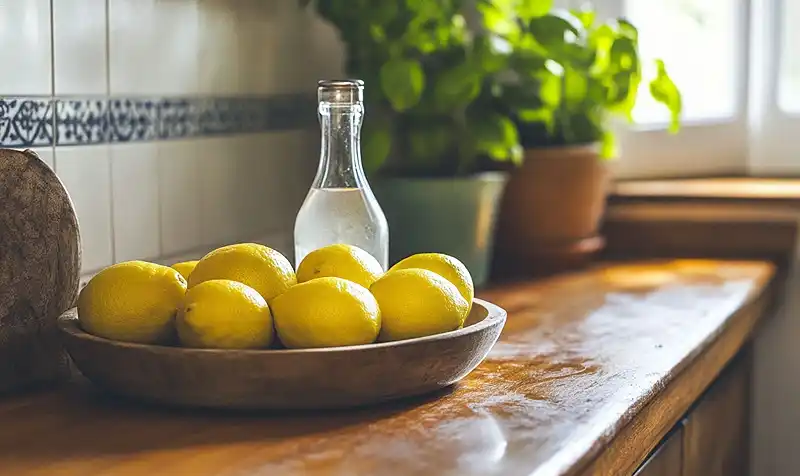
For the best results, use thick-skinned organic lemons with bright yellow peels and zero blemishes. Thin-skinned lemons won’t give you enough oil. Fresh is essential—old lemons lose their aromatic punch.
High-proof grain alcohol like Everclear (where legal) works perfectly. In states where 190-proof isn’t available, use the highest proof you can find. Vodka works in a pinch, but you’ll get a milder flavor.
White granulated sugar creates the classic clean sweetness. I’ve tried honey and agave, but they muddy the bright lemon flavor. Stick with the traditional approach.
| Ingredient | US Measurement | Metric | Notes |
|---|---|---|---|
| Organic lemons (large) | 8 whole | 8 whole | Or 9 small lemons |
| Pure grain alcohol (190-proof) | 3 cups + 2 tbsp | 750 ml | Everclear or similar |
| White sugar (syrup) | 2½ cups | 550 g | For main batch |
| Water (syrup) | 4½ cups | 1080 ml | Filtered preferred |
| White sugar (extra) | ⅓ cup | 75 g | For milder version |
| Water (extra) | 1 cup | 240 ml | For milder version |
Shopping & Substitution Guide
Find organic lemons in the produce section of any major US grocery store. Look for Meyer lemons if you want a sweeter, less tart version. They’re smaller, so grab 10-11 instead of 8.
Can’t find 190-proof alcohol? Use 151-proof or even 100-proof vodka, but extend the steeping time to four weeks. The lower the proof, the longer you’ll need to extract those oils.
For international readers using the metric system, I’ve included gram measurements. European grain alcohol typically comes in 1-liter bottles, so you’ll need to adjust the sugar syrup proportionally.
Essential Equipment & Step-By-Step Instructions
You’ll need a large glass jar with a tight-fitting lid (mason jars work great), a vegetable peeler or sharp paring knife, a medium saucepan, a large mixing bowl, a funnel, and glass bottles for storing your finished limoncello. No fancy gadgets required.
Can’t find a big enough jar? Use two smaller ones and split the ingredients evenly. Just make sure everything’s glass—plastic can absorb flavors and leach chemicals into your alcohol.
Step 1: Peel Those Lemons Like A Pro
Using a vegetable peeler, remove only the bright yellow zest from your lemons. Press gently and work in long strips. You want zero white pith—it’s bitter and will wreck your limoncello.
If you accidentally grab some white stuff, trim it off with a sharp knife. This step takes patience, but it’s crucial. I rushed my first batch and ended up with bitter, medicinal-tasting limoncello that went straight down the drain.
Hold each lemon firmly and rotate as you peel. Aim for paper-thin strips. The oils are in that yellow layer, not deep in the peel.
Step 2: Start The Maceration Magic
Drop all your lemon peels into the jar with the grain alcohol. Seal it tight and give it a gentle shake. Those peels should be completely submerged.
Place the jar somewhere cool and dark—a pantry shelf or cabinet works perfectly. Avoid direct sunlight, which can break down the delicate citrus oils and create off flavors.
Now comes the hard part: waiting. Check your jar every few days and give it a swirl. After about a week, the alcohol will turn pale yellow. By week three, it’ll be deep golden and smell incredible.
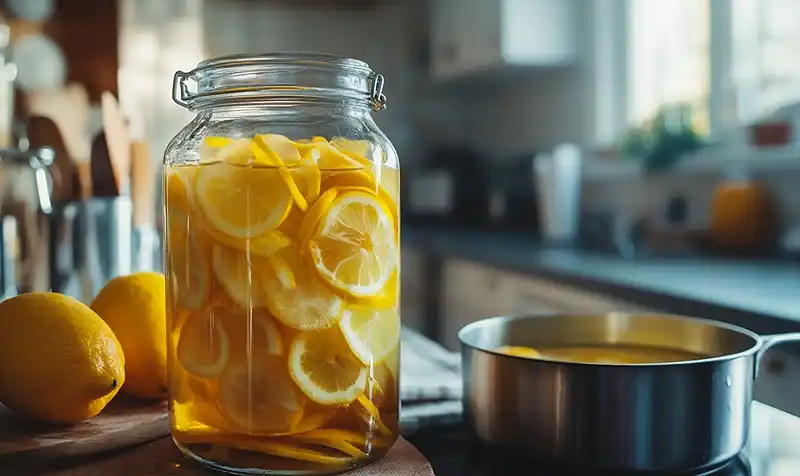
Step 3: Create The Perfect Sugar Syrup
Combine your sugar and water in a medium saucepan. Heat over medium, stirring constantly until every grain dissolves. Don’t rush this—undissolved sugar creates grainy limoncello.
Let the mixture come to a gentle simmer, then immediately remove it from heat. You’re not making candy here, just dissolving sugar. Overheating can caramelize it slightly and affect the color.
Cool the syrup completely before the next step. I usually make this the night before I plan to bottle. Room temperature is fine—just don’t add hot syrup to alcohol unless you want a volcanic kitchen situation.
Step 4: Blend And Taste Your Creation
Pour your lemon-infused alcohol into a large mixing bowl or container. Start adding the cooled sugar syrup slowly while stirring continuously. This is where you become a limoncello artist.
Add about five cups of syrup first, then taste. It’ll be strong—really strong. That’s normal. Add more syrup in half-cup increments, tasting between additions.
You’re looking for balance. Too little syrup and it’s rocket fuel. Too much and it’s lemon-flavored simple syrup. Man, oh man, getting this right feels like winning the lottery.
I prefer mine on the stronger side, using about 5½ cups total. My husband likes it milder, around 6 cups. Make it your way.
Step 5: Bottle And Chill To Perfection
Using a funnel, pour your finished limoncello into clean glass bottles. Those swing-top bottles look gorgeous, but any glass bottle with a tight seal works fine. Avoid plastic—always.
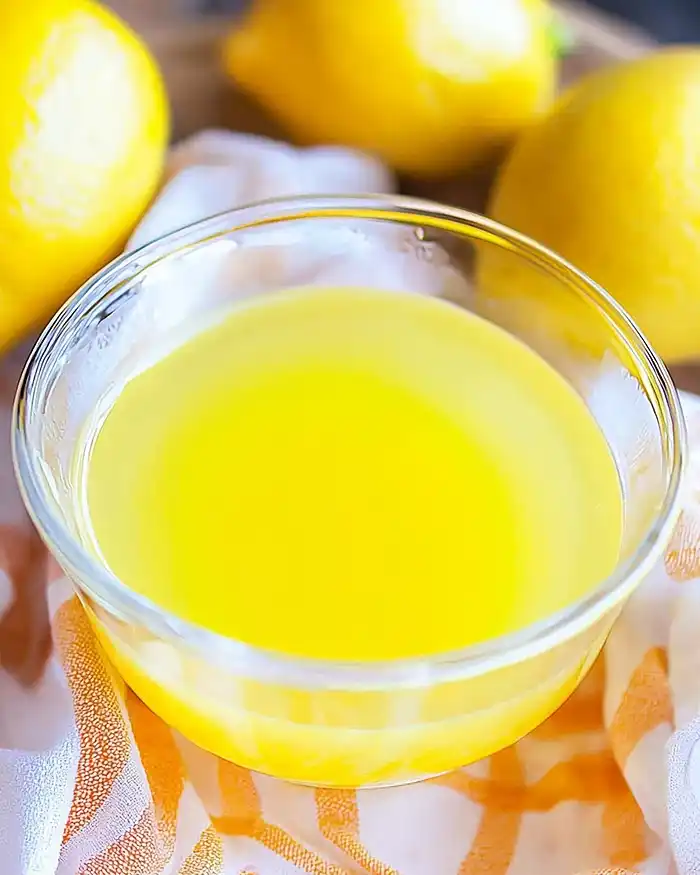
Stash your bottles in the freezer for at least four hours before serving. Limoncello should be served ice-cold, almost syrupy from the chill (as Thomas Keller suggests for optimal flavor perception).
The alcohol content prevents it from freezing solid. It’ll get pleasantly thick and frosty. Pour it into chilled shot glasses or small aperitif glasses.
Expert Tips For Limoncello Perfection
Use organic lemons exclusively. Conventional lemons carry pesticide residues and wax coatings that’ll concentrate in your alcohol. Not worth the risk or the ruined flavor.
The longer you steep, the better. I’ve let batches go for six weeks and achieved mind-blowing depth. After three months, though, the flavor starts tasting slightly woody.
Don’t toss those naked lemons! Juice them immediately and freeze the juice in ice cube trays. You’ll have fresh lemon juice for months of zesty tortilla soup and cocktails.
Creative Variations Worth Trying
Orangecello: Swap lemons for navel oranges. Use 10-12 since orange peels are thinner. The result tastes like liquid creamsicles.
Limecello: Use Persian limes for a tart, tropical twist. Perfect for summer evenings. You’ll need about 15 limes since they’re smaller.
Haitian-style lemonade limoncello: Add a split vanilla bean and three whole cloves to the maceration jar. This creates a spiced version that nods to Caribbean flavor profiles while keeping Italian roots.
Lemon-basil limoncello: Add 10 fresh basil leaves during the last week of steeping. Strain them out before bottling. Herbaceous and sophisticated.
Holiday cranberry-lemon: Add ½ cup dried cranberries during maceration for a festive pink-tinged version. Gorgeous for Christmas gifts.
Storage And Make-Ahead Strategy
Limoncello keeps indefinitely in the freezer thanks to its high alcohol content. I’ve had bottles last two years with zero quality loss. The flavor actually mellows and improves over the first six months.
Room temperature storage works for up to a year, but the bright lemon flavor fades faster. Freezer storage preserves that just-made vibrancy.
Make double or triple batches during lemon season (winter months in the US). It makes incredible holiday gifts, and you’ll always have some on hand.
| Storage Method | Duration | Notes |
|---|---|---|
| Freezer | 2+ years | Best for preserving bright flavor |
| Refrigerator | 1 year | Acceptable, but flavor fades faster |
| Room temperature (sealed) | 6-8 months | Keep away from light and heat |
| Opened bottle (freezer) | 1 year | No quality loss if sealed properly |
Perfect Pairings And Serving Ideas
Serve limoncello as a digestif after heavy Italian meals. The citrus helps cut through rich foods like creamy tiramisu or lasagna.
Drizzle it over vanilla gelato for instant sophistication. Add a splash to sparkling water for a refreshing spritz. Mix it with prosecco for an easy cocktail.
Pour it over fresh berries and let them macerate for 30 minutes. The boozy fruit becomes an elegant dessert topping. Try it on pound cake or angel food.
It also works brilliantly in lemon-flavored baked goods, adding depth to glazes and frostings. Use it anywhere you’d use lemon extract, but cut the sugar slightly.
Limoncello FAQs
What’s the best way to know when limoncello is ready?
The best way to know when limoncello is ready is by color and aroma—after seven days minimum, the alcohol should be deep golden yellow and smell intensely of lemon. For optimal flavor, wait three weeks to allow the essential oils to fully infuse. Taste it before adding syrup; if it smells bright and citrusy without harsh alcohol notes, you’re good to go.
How do you fix bitter limoncello?
You fix bitter limoncello by adding more sugar syrup to mask the bitterness, though prevention is better than cure. Bitterness comes from white pith, so always peel carefully. If your batch is already bitter, dilute it with extra syrup (start with one cup) and let it rest for a week. The flavor will mellow, though it won’t be perfect.
Can limoncello go bad or expire?
Limoncello rarely goes bad or expires due to its high alcohol content, which acts as a natural preservative. Properly stored in the freezer, it lasts indefinitely with stable flavor for at least two years. At room temperature, the bright lemon flavor may fade after 6-8 months, but it remains safe to drink. Avoid sunlight and heat, which degrade quality faster.
Your New Favorite Italian Tradition Starts Now
Well, there you have it—authentic limoncello that’ll transport you straight to the Amalfi Coast, no passport required. This recipe transforms humble lemons into something truly special, perfect for celebrations or quiet evenings when you need a little sunshine in a glass.
Make a batch this weekend and stash it in the freezer. By next month, you’ll have smooth, perfectly balanced limoncello that puts commercial versions to shame. Serve it with comfort food classics or save it for special occasions.
I’d love to hear how your limoncello turns out! Drop a comment below and tell me your favorite way to serve it. Did you try any creative variations? Share your results—this community thrives on shared kitchen adventures.
Now go forth and make some liquid sunshine. Your freezer (and your dinner guests) will thank you.
