
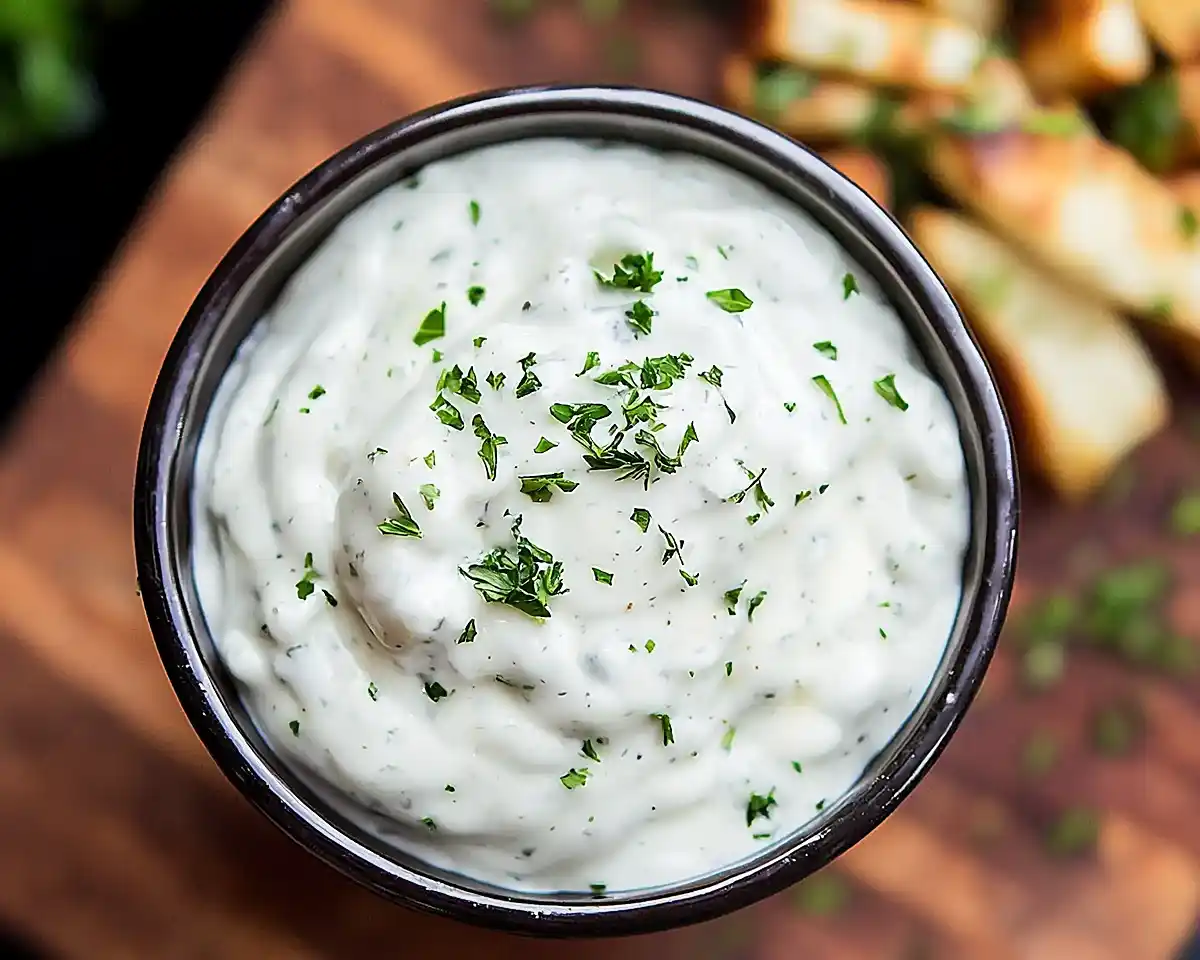
Homemade horseradish sauce ready in 5 minutes! This creamy recipe pairs perfectly with prime rib and steak. Simple ingredients, bold flavor, restaurant-quality results.
Let me tell you, the first time I served store-bought horseradish sauce with my Christmas prime rib, my uncle actually winced. Not exactly the reaction you want at your holiday table, right? That watery, harsh bite wasn’t doing my beautiful roast any favors.
Fast forward three years and countless recipe tests later, and I’ve cracked the code. This homemade horseradish sauce balances creamy richness with just the right amount of heat—no more tears, just pure flavor that makes every bite of beef sing.
Well… I’ll admit I once added too much prepared horseradish (lesson learned the hard way). But now? This recipe hits that sweet spot every single time.
Tasty at Home – Where bold flavors meet everyday kitchens.
Table of Contents
What Makes This Horseradish Sauce Special
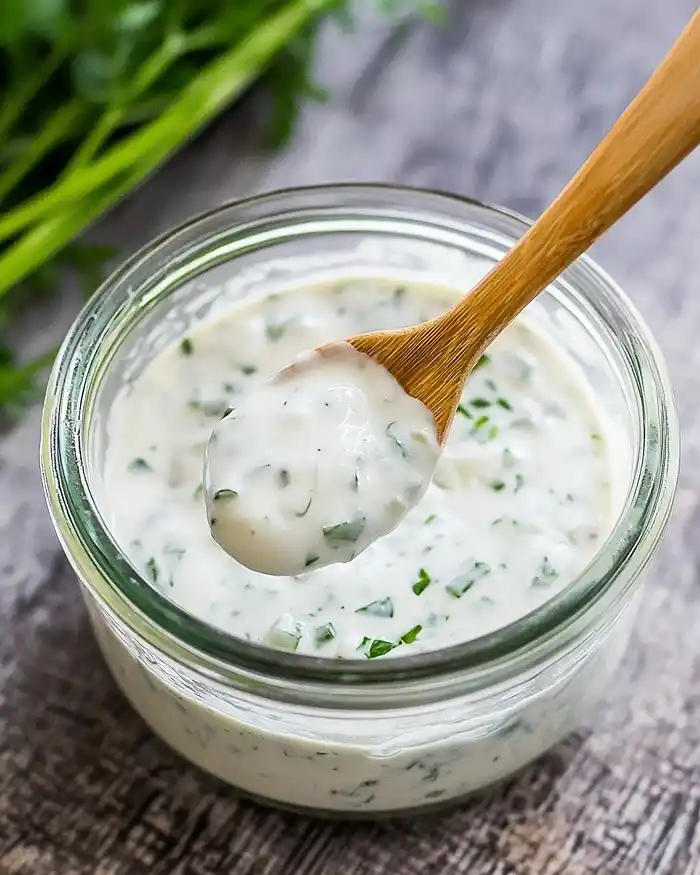
This isn’t your grandmother’s nuclear-strength condiment. My creamy horseradish sauce brings together the tang of sour cream, the subtle sweetness of mayonnaise, and the unmistakable kick of prepared horseradish in perfect harmony.
Here’s what sets this recipe apart: the apple cider vinegar. Most recipes skip this ingredient, but it brightens the entire sauce and cuts through the richness of your paired beef tenderloin or prime rib beautifully. Plus, fresh chives add a delicate onion note that store-bought versions simply can’t match.
I’ve tested this recipe more than twenty times with different horseradish brands and ratios. The result? A sauce that enhances rather than overpowers your carefully prepared meat.
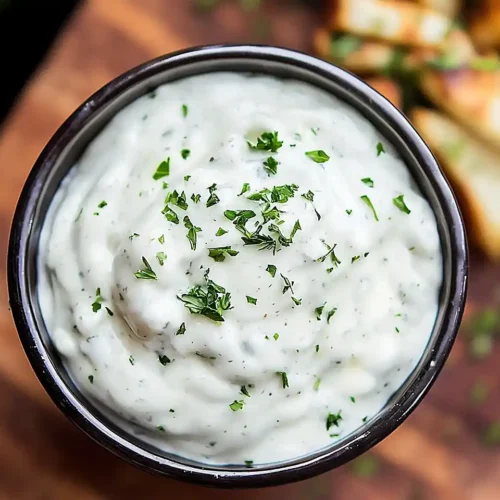
Homemade Horseradish Sauce
Equipment
- Mixing bowl
- measuring spoons
- Whisk or fork
Ingredients
Horseradish Sauce
- ½ cup sour cream full-fat preferred
- 2 tbsp prepared horseradish well-drained
- 2 tbsp mayonnaise
- 1 tsp apple cider vinegar
- ¼ tsp salt
- ⅛ tsp black pepper
- 1 tbsp chives finely chopped
Instructions
- Drain the prepared horseradish thoroughly using a fine-mesh strainer, pressing gently to remove excess liquid.
- In a small bowl, whisk together the sour cream and mayonnaise until completely smooth.
- Add the drained horseradish, apple cider vinegar, salt, and black pepper, and mix until evenly combined.
- Gently fold in the chopped chives until evenly distributed.
- Cover and refrigerate for at least 30 minutes to allow the flavors to meld before serving.
Notes
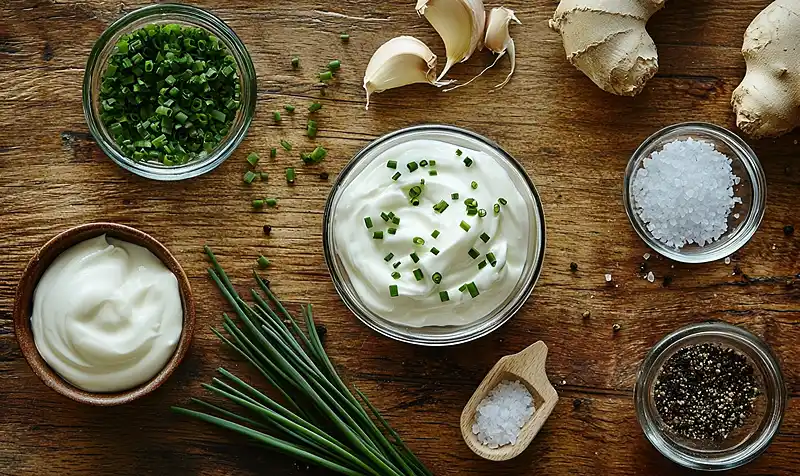
Ingredients for Homemade Horseradish Sauce
Choose full-fat sour cream for the richest texture and creamiest mouthfeel. Your prepared horseradish should be well-drained—excess liquid dilutes the flavor and creates a runny sauce. Fresh chives make a noticeable difference, though freeze-dried work in a pinch.
| Ingredient | Amount (US) | Amount (Metric) |
|---|---|---|
| Sour cream | 1/2 cup | 120g |
| Prepared horseradish, drained | 2 Tbsp | 30g |
| Mayonnaise | 2 Tbsp | 30g |
| Apple cider vinegar | 1 tsp | 5ml |
| Salt | 1/4 tsp | 1.5g |
| Black pepper | 1/8 tsp | 0.5g |
| Chives, finely chopped | 1 Tbsp | 3g |
Yields: 3/4 cup (serves 12)
Shopping Tips for US Grocery Stores
Head to the refrigerated condiment section for prepared horseradish—you’ll find it near the pickles and olives. Gold’s is my go-to brand for consistent heat and texture. Avoid the creamy horseradish spreads; you want the pure, grated root variety.
For sour cream, Daisy or Breakstone’s provide the best consistency without stabilizers that can thin your sauce. Regular mayonnaise works better than light versions here—trust me, the fat content matters for that silky texture.
Fresh chives live in the produce section’s herb area. If they’re unavailable, green onion tops (the delicate green parts only) make an excellent substitute.
Essential Ingredients
The Base: Sour cream and mayonnaise create that luxurious, restaurant-quality texture. The combination gives you richness without being too heavy.
The Heat: Prepared horseradish brings the signature bite. Make sure to drain it thoroughly—those extra juices will water down your sauce faster than you can say “medium-rare.”
The Brighteners: Apple cider vinegar and fresh chives lift the entire profile. They’re small additions that make a huge impact.
Bold Add-Ins & Creative Variations
Want to customize your horseradish sauce? Add 1 teaspoon of Dijon mustard for extra tang, or fold in 1 tablespoon of prepared wasabi for an Asian-fusion twist. A pinch of cayenne pepper amps up the heat without changing the flavor profile.
For a sweeter version that pairs beautifully with ham, stir in 1 teaspoon of honey. Some readers love adding a splash of Worcestershire sauce for deeper umami notes.
Substitutions for International Readers
No sour cream? Full-fat Greek yogurt works wonderfully, though it will be slightly tangier. Crème fraîche creates an even more luxurious texture if you can find it.
Mayonnaise alternatives: Use additional sour cream or Greek yogurt, keeping the total dairy at 1/2 cup plus 2 tablespoons.
Fresh horseradish: If you’re lucky enough to have fresh horseradish root, peel and finely grate 3 tablespoons for this recipe. It’s hotter and more pungent, so adjust to taste.
Equipment & Preparation
What You’ll Need
You need exactly three tools for this recipe: a small mixing bowl, a measuring spoon set, and a whisk or fork. That’s it. No food processor, no special gadgets, no complicated equipment.
If you’re doubling or tripling the recipe for a holiday gathering (I see you, Thanksgiving hosts), use a medium bowl instead. A rubber spatula helps scrape every last bit of sauce from the bowl when transferring to your serving dish.
Don’t have a whisk? Man, oh man, a simple fork works just as well for this quantity. The key is thorough mixing, not fancy equipment.
Step 1: Prepare Your Ingredients
Drain your prepared horseradish thoroughly before measuring. Place it in a fine-mesh strainer and press gently with the back of a spoon to remove excess liquid. This takes about 30 seconds and prevents a watery sauce.
Chop your chives as finely as possible—they should almost disappear into the sauce. Use sharp kitchen scissors for the easiest, most uniform cut.
Measure everything before you start mixing. This recipe comes together so quickly that you want all ingredients at your fingertips.
Step 2: Combine the Base Ingredients
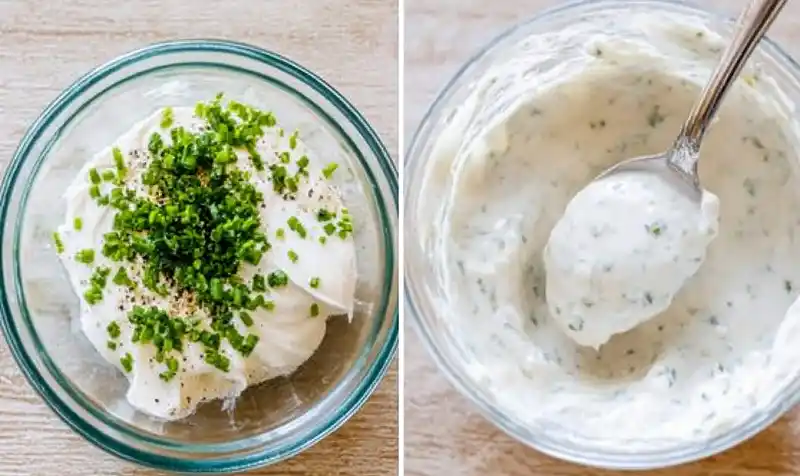
Add sour cream and mayonnaise to your mixing bowl first. Whisk them together until completely smooth with no streaks remaining. This creates your creamy foundation, much like Thomas Keller emphasizes the importance of properly emulsified sauces.
The texture should be silky and uniform before you add anything else. Take your time here—about 20 seconds of steady whisking does the trick.
Room temperature ingredients blend more easily than cold ones. If your sour cream comes straight from the fridge, let it sit on the counter for 10 minutes first.
Step 3: Add Horseradish and Seasonings
Stir in the drained horseradish, apple cider vinegar, salt, and black pepper. Mix thoroughly, breaking up any clumps of horseradish with your whisk. The sauce will turn a pale cream color with visible horseradish flecks throughout.
Taste at this point (seriously, do it). The heat develops differently depending on horseradish brands. You can always add more, but you can’t take it away.
The vinegar should brighten the mixture without making it taste acidic. If it seems too sharp, add a pinch more salt to balance the flavors.
Step 4: Fold in Fresh Chives
Gently fold the chopped chives into your sauce with a spoon or spatula. You want them evenly distributed without overmixing, which can bruise the delicate herbs and turn them dark.
The chives should speckle throughout like tiny green confetti. They add visual appeal and a subtle onion flavor that complements the horseradish beautifully.
Oops! I once stirred too vigorously and ended up with crushed, mushy chives. Keep your folding motion gentle and deliberate.
Step 5: Rest and Serve
Your horseradish sauce can be served immediately, but here’s my insider secret: let it rest in the refrigerator for at least 30 minutes. The flavors meld together, and the sauce thickens slightly as the sour cream sets.
Cover tightly with plastic wrap pressed directly against the surface to prevent a skin from forming. This also stops the sauce from absorbing other refrigerator odors.
Bring to room temperature about 15 minutes before serving for the best flavor. Cold sauce straight from the fridge tastes muted and flat.
Expert Tips for Perfect Results
Balance Heat to Your Preference
Start with the recipe as written, then adjust on your second batch. For milder sauce, reduce horseradish to 1 tablespoon. Heat seekers can push it to 3 tablespoons, but be warned—that’s serious firepower.
The prepared horseradish varies wildly by brand. Silver Spring tends to be milder, while Beaver Brand packs more punch.
Make It Ahead for Better Flavor
This sauce actually improves after 24 hours in the refrigerator. The flavors marry together, and that initial sharp bite mellows into something more sophisticated and well-rounded.
I always make mine the day before serving prime rib or beef tenderloin. It’s one less thing to worry about on cooking day.
Prevent Watery Separation
Always drain your horseradish completely. I cannot stress this enough. Excess liquid is the number one reason homemade horseradish sauce turns thin and separated.
If your sauce does separate after storage, simply stir it thoroughly before serving. The emulsion usually comes back together with a good whisk.
Double or Triple Successfully
This recipe scales beautifully for holiday gatherings. Just maintain the same ratios, and mix in batches if making more than four times the recipe. Large quantities are harder to blend uniformly.
Store extra sauce in clean glass jars with tight-fitting lids. It makes thoughtful homemade gifts for dinner party hosts, too.
Creative Variations to Try
Wasabi Horseradish Fusion
Swap 1 tablespoon of the prepared horseradish for 1 tablespoon of prepared wasabi paste. This creates an incredible Asian-inspired condiment for seared tuna or teriyaki beef. The wasabi adds a different kind of heat—more nasal than throat-burning.
Add a splash of rice vinegar instead of apple cider vinegar for authentic Japanese notes. Fresh cilantro can replace the chives for an interesting twist.
Southern-Style Honey Horseradish
Stir in 2 teaspoons of honey and a dash of cayenne pepper for a sweet-heat version that pairs wonderfully with baked ham or crispy glazed salmon. This version is particularly popular at Easter and Christmas dinners.
The honey softens the horseradish’s bite while adding complexity. Use raw honey if possible—it has more flavor depth than processed varieties.
Herb-Loaded Garden Sauce
Add 1 tablespoon each of chopped fresh dill and parsley along with the chives. This creates a more herbaceous sauce that’s fantastic with roasted vegetables or as a dip for crudités.
The herbs should be fresh, not dried. Dried herbs turn gummy in cream-based sauces and taste more medicinal than aromatic.
Dijon Mustard Variation
Whisk in 2 teaspoons of whole-grain Dijon mustard for added texture and tang. This version works beautifully with roast beef sandwiches or as a spread for holiday dinner rolls.
The mustard seeds provide little pops of flavor and visual interest throughout the creamy sauce.
Lighter Greek Yogurt Version
Replace half the sour cream with full-fat Greek yogurt for a protein-packed variation with fewer calories. The sauce will be tangier and slightly thinner, so you might need to drain the yogurt in cheesecloth for an hour first.
This version is perfect for health-conscious guests who still want bold flavor with their grilled steak.
Storage and Make-Ahead Instructions
Refrigerator Storage
Transfer your horseradish sauce to an airtight container or jar with a tight-fitting lid. Press a piece of plastic wrap directly onto the sauce surface before sealing to prevent oxidation and discoloration.
Store in the coldest part of your refrigerator (usually the back of the bottom shelf) for up to 2 weeks. The sauce may thicken slightly over time—simply stir in a teaspoon of milk to restore the original consistency.
Always use clean utensils when scooping out sauce. Introducing bacteria from dirty spoons or double-dipping will shorten its shelf life dramatically.
Freezing Instructions
You know what? I don’t recommend freezing this sauce. The sour cream and mayonnaise base separates when frozen and thawed, creating a grainy, unappetizing texture that no amount of stirring can fix.
If you absolutely must freeze it, use within one month and expect significant texture changes. Whip it vigorously in a blender after thawing to re-emulsify as best as possible.
Storage Time Reference
| Storage Method | Duration | Quality Notes |
|---|---|---|
| Refrigerator (sealed) | Up to 2 weeks | Best flavor after 24 hours |
| Refrigerator (opened) | 7-10 days | Use clean utensils only |
| Room temperature | 2 hours maximum | Discard after this time |
| Freezer | Not recommended | Texture degrades significantly |
Perfect Pairings and Serving Suggestions
Classic Beef Dishes
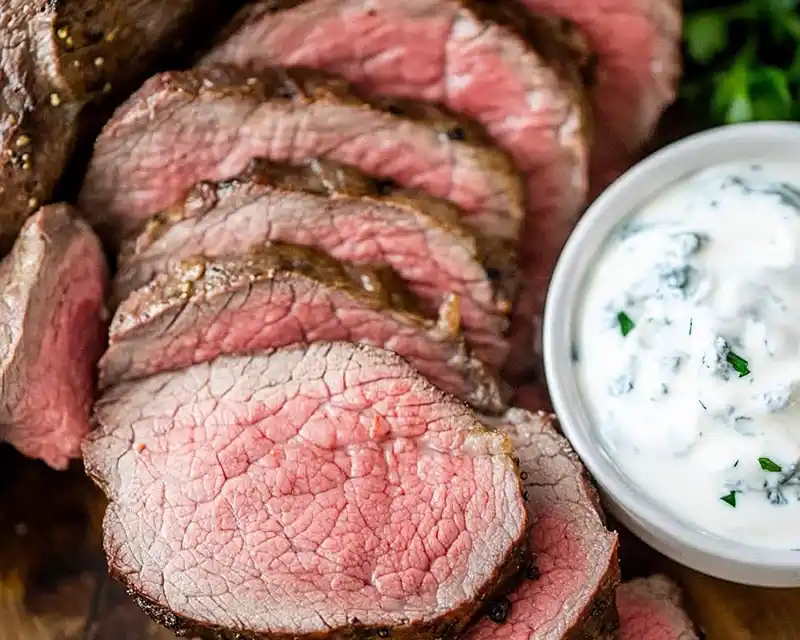
This creamy horseradish sauce was born to accompany prime rib, standing rib roast, and beef tenderloin. The cool, creamy heat cuts through the rich fattiness of perfectly marbled beef like nothing else can.
Serve it alongside your holiday roast with a silver spoon in a small bowl. Room temperature sauce spreads more easily and tastes more vibrant than cold.
For weeknight dinners, dollop this sauce on grilled ribeye steaks or stir it into your favorite beef casserole for added depth.
Beyond Beef
Don’t limit yourself to red meat. This sauce shines with smoked salmon, roasted turkey, and even grilled chicken. I’ve used it as a sandwich spread for roast beef sandwiches and as a dip for steamed shrimp.
Try it as a baked potato topping or stirred into scrambled eggs for a weekend breakfast with serious personality. The possibilities extend far beyond traditional applications.
Holiday Table Essential
Every Thanksgiving and Christmas, this sauce sits proudly next to my carved meats. It’s become as essential as cranberry sauce or dinner rolls in my house.
Make a double batch for holiday buffets. Guests love having both mild and spicy versions available, so consider preparing one as written and one with extra horseradish for the brave souls.
Homemade Horseradish Sauce FAQs
How do I make fresh horseradish sauce?
Combine 1/2 cup sour cream, 2 tablespoons drained prepared horseradish, 2 tablespoons mayonnaise, 1 teaspoon apple cider vinegar, 1/4 teaspoon salt, 1/8 teaspoon black pepper, and 1 tablespoon chopped chives in a bowl. Stir until smooth and refrigerate for at least 30 minutes before serving.
What is horseradish sauce made of?
Traditional horseradish sauce contains sour cream or mayonnaise as the creamy base, prepared horseradish for heat, vinegar for brightness, and salt and pepper for seasoning. Fresh herbs like chives add color and flavor, while some recipes include Dijon mustard or lemon juice for extra tang.
What is real horseradish made of?
Real prepared horseradish consists of grated fresh horseradish root (a member of the Brassicaceae family), white vinegar to stop enzyme activity and preserve color, and salt. The root itself contains compounds called isothiocyanates, which create that signature sinus-clearing heat when the root cells are broken during grating.
What to use if you don’t have horseradish sauce?
Mix equal parts Dijon mustard and sour cream with a splash of lemon juice for a milder substitute, or combine wasabi paste with mayonnaise for similar heat. Alternatively, prepared horseradish straight from the jar works when paired steak or prime rib needs a quick condiment, though it lacks the creamy texture of traditional sauce.
Make This Sauce Your Secret Weapon
There’s something deeply satisfying about making your own condiments from scratch. This homemade horseradish sauce takes just five minutes but elevates your entire meal from good to absolutely memorable.
The next time you’re serving a special roast or hosting a holiday dinner, skip the jarred stuff. Mix up a batch of this creamy, perfectly balanced sauce and watch your guests reach for seconds (and thirds).
Ready to transform your next beef dinner? Whip up this quick horseradish sauce and let me know how it pairs with your favorite cut. Drop a comment below with your results, and don’t forget to share which variation you tried first!
