
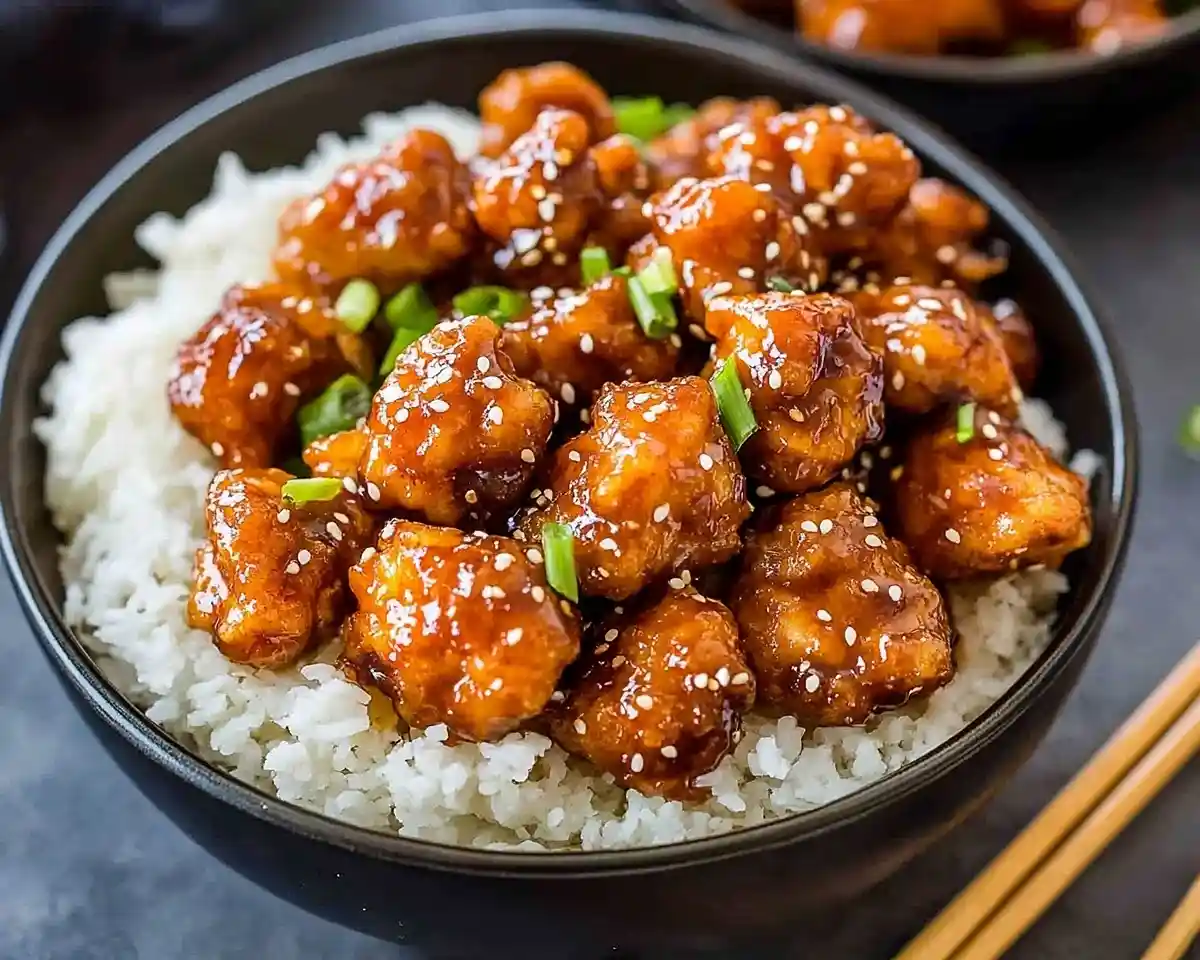
General Tso’s Chicken made at home! Crispy golden chicken in sweet-spicy sauce. Easy recipe with authentic flavor—better than takeout in 30 minutes.
Last winter, I stood in my kitchen staring at yet another greasy takeout container. You know that moment when you realize you’ve spent more on delivery fees than groceries? Well, that was my wake-up call.
I decided to crack the code on General Tso’s Chicken myself. After burning three batches (oops!), I finally nailed it. Now, this crispy, sticky-sweet masterpiece is cheaper, healthier, and honestly? Way tastier than any restaurant version I’ve tried.
The secret turned out to be simpler than I expected. A quick cornstarch dredge, a hot pan, and a sauce that balances sweet, tangy, and spicy in perfect harmony. Let me tell you, the first bite made those kitchen failures totally worth it.
Tasty at Home – Where bold flavors meet everyday kitchens.
Table of Contents
About This Easy General Tso’s Chicken Recipe
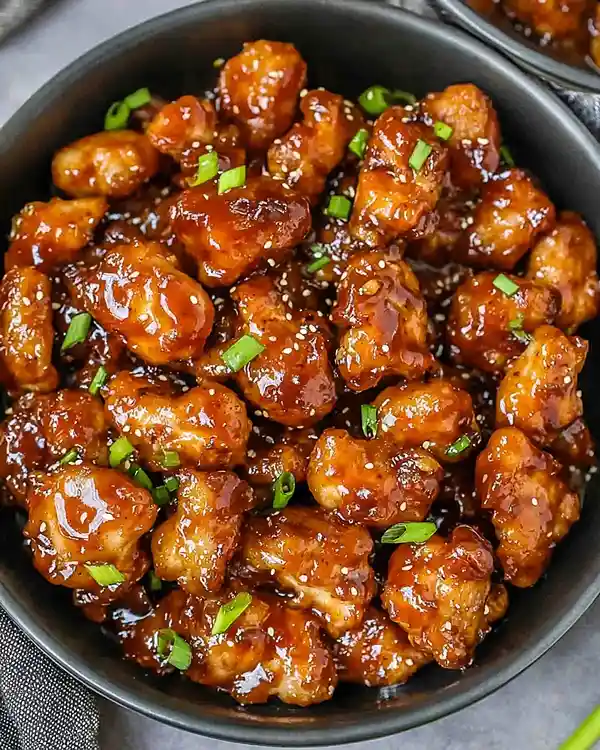
This homemade General Tso’s chicken delivers restaurant-quality results without deep-frying. The chicken stays incredibly crispy while the glossy sauce clings to every piece. It’s a foolproof method I’ve tested dozens of times with consistent, delicious results.
The cornstarch coating creates that signature crunch without needing a gallon of oil. Meanwhile, the sauce balances sweetness from sugar with tang from rice vinegar and heat from red pepper flakes. It’s everything you love about Chinese takeout, made fresh in your own kitchen.
For the best outcome, select chicken thighs with minimal excess fat and use fresh ginger root rather than pre-minced versions. Quality soy sauce makes a noticeable difference—look for naturally brewed varieties without artificial coloring. These small choices elevate the final dish from good to absolutely irresistible.
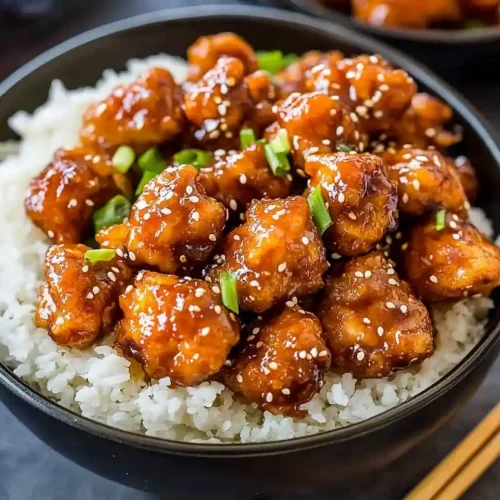
General Tso’s Chicken
Equipment
- 12-inch non-stick skillet
- Whisk
- Shallow dish
- meat thermometer
Ingredients
Chicken
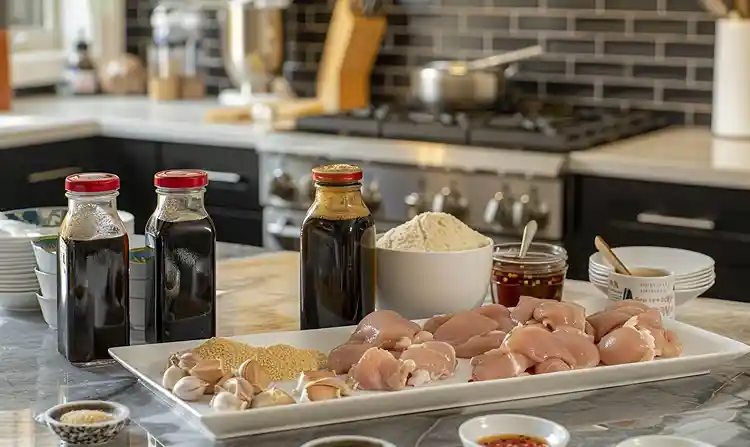
- 2 lb Chicken thighs trimmed and cubed, 1-inch pieces
- ½ cup Corn starch for coating, plus extra for dusting
- ¼ cup Extra light olive oil for pan-frying
- 2 tbsp Fresh ginger minced from 2-inch piece
- 3 cloves Garlic minced or finely grated
- ½ tsp Red pepper flakes adjust to heat preference
- 1 tsp Sesame seeds optional garnish
General Tso’s Sauce
- ½ cup Cold water base liquid
- 5 tbsp Low sodium soy sauce umami depth
- 3 tbsp Rice vinegar tangy brightness
- 1 ½ tbsp Hoisin sauce sweet complexity
- 4 tbsp Granulated sugar balanced sweetness
- 1 ½ tbsp Corn starch sauce thickener
Instructions
- Cut chicken thighs into uniform 1-inch cubes. Pat dry. Toss in cornstarch to coat and let rest for 5 minutes.
- Combine cold water, soy sauce, rice vinegar, hoisin sauce, sugar, and cornstarch in a bowl. Whisk until smooth.
- Heat oil in skillet over medium-high heat. Cook chicken in batches 3-4 minutes per side until golden and cooked through. Transfer to a bowl.
- Sauté ginger, garlic, and red pepper flakes in remaining oil for 30 seconds until fragrant.
- Pour sauce into skillet, bring to simmer, and cook for 1 minute until thickened.
- Return chicken to skillet. Toss to coat with sauce. Garnish with sesame seeds and serve hot.
Notes
Ingredients Table
| Ingredient | Amount | Metric | Notes |
|---|---|---|---|
| Chicken thighs, trimmed and cubed | 2 lb | 900g | 1-inch pieces |
| Corn starch (for coating) | 1/2 cup | 65g | Plus extra for dusting |
| Extra light olive oil | 1/4 cup | 60ml | For pan-frying |
| Fresh ginger, minced | 2 tbsp | 20g | From 2-inch piece |
| Garlic cloves, minced | 3 cloves | 1 tbsp | Or finely grated |
| Red pepper flakes | 1/2 tsp | 2g | Adjust to heat preference |
| Sesame seeds | 1 tsp | 3g | Optional garnish |
General Tso’s Sauce Ingredients
| Ingredient | Amount | Metric | Purpose |
|---|---|---|---|
| Cold water | 1/2 cup | 120ml | Base liquid |
| Low sodium soy sauce | 5 tbsp | 75ml | Umami depth |
| Rice vinegar | 3 tbsp | 45ml | Tangy brightness |
| Hoisin sauce | 1 1/2 tbsp | 22ml | Sweet complexity |
| Granulated sugar | 4 tbsp | 50g | Balanced sweetness |
| Corn starch | 1 1/2 tbsp | 12g | Sauce thickener |
Shopping Tips for US Grocery Stores
You’ll find everything you need at standard American supermarkets. Head to the international aisle for rice vinegar, hoisin sauce, and sesame oil. Major chains like Kroger, Safeway, and Walmart stock authentic Asian ingredients these days.
For chicken thighs, I prefer bone-in, skin-on varieties that you debone yourself—they’re juicier and more flavorful. However, boneless, skinless thighs work perfectly fine and save prep time. Look for pieces with even thickness for consistent cooking.
Fresh ginger makes an enormous difference compared to powdered versions. Choose firm roots with smooth, tight skin. Store unused ginger wrapped in paper towels in the refrigerator for up to three weeks.
Bold Add-Ins & Creative Variations
Vegetable Boost: Add broccoli florets, snap peas, or bell pepper strips during the final toss. They soak up that gorgeous sauce beautifully.
Extra Heat: Double the red pepper flakes or add a tablespoon of sambal oelek for serious kick. Spice lovers in my family demand the extra fire every single time.
Citrus Twist: Stir in orange zest and a tablespoon of fresh orange juice for a General Tso’s-meets-orange chicken hybrid. It’s surprisingly delicious and adds bright, aromatic notes.
Substitutions for Dietary Needs
Gluten-Free: Replace soy sauce with tamari and ensure your hoisin sauce is certified gluten-free. Use potato starch instead of corn starch if you have sensitivities.
Lower Sodium: Use reduced-sodium soy sauce and cut the amount by one tablespoon. You can add more rice vinegar to compensate for flavor depth without the salt.
Vegetarian Version: Substitute extra-firm tofu or cauliflower florets for chicken. Press tofu thoroughly and cut into 1-inch cubes. Follow the same coating and cooking method for exceptional results.
Equipment & How To Make General Tso’s Chicken
Essential Equipment
You’ll need a large non-stick skillet (12-inch works best), a whisk for sauce mixing, and a shallow dish for dredging. A meat thermometer helps ensure perfectly cooked chicken every time—aim for 165°F internal temperature.
If you don’t have a non-stick pan, a well-seasoned cast iron skillet works beautifully. Just use slightly more oil to prevent sticking. Avoid stainless steel pans unless you’re comfortable with more aggressive heat management.
Step 1: Prepare the Chicken
Cut chicken thighs into uniform 1-inch cubes for even cooking. Pat them completely dry with paper towels—this crucial step ensures maximum crispiness. Moisture is the enemy of that golden, crunchy exterior.
Place cornstarch in a shallow bowl. Toss chicken pieces in batches, coating thoroughly and tapping off excess starch. Arrange coated pieces on a platter without overlapping. Let them rest for 5 minutes while the coating sets—this prevents the coating from falling off during cooking.
Man, oh man, I learned this the hard way. The first time I rushed this step, half my coating stayed in the pan instead of on the chicken. Patience pays off here.
Step 2: Mix the General Tso’s Sauce
Combine cold water, soy sauce, rice vinegar, hoisin sauce, sugar, and cornstarch in a medium bowl. Whisk vigorously until completely smooth with no cornstarch lumps visible. The cornstarch must be fully dissolved before cooking or you’ll get clumpy sauce.
Set this mixture near your stove for quick access. Once you start cooking, everything moves fast. Having your sauce ready prevents frantic scrambling while chicken burns in the pan.
Thomas Keller emphasizes mise en place—having everything prepped before cooking begins—for good reason. It transforms chaotic cooking into smooth, stress-free execution.
Step 3: Pan-Fry the Chicken in Batches
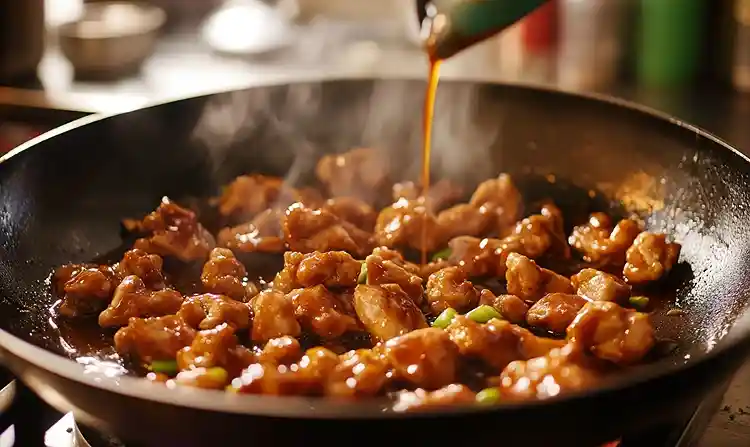
Heat 1/4 cup oil in your non-stick skillet over medium-high heat until shimmering. Test readiness by dropping a tiny piece of coated chicken into the oil—it should sizzle immediately and vigorously.
Add chicken in a single layer without crowding. Cook for 3-4 minutes per side until deeply golden and cooked through. Internal temperature should reach 165°F on an instant-read thermometer.
Transfer cooked chicken to a clean bowl and repeat with remaining pieces. Add more oil between batches if the pan looks dry. Leave about 1 tablespoon oil in the pan after your final batch—you’ll need it for aromatics.
Step 4: Sauté the Aromatics
Reduce heat to medium. Add minced ginger, garlic, and red pepper flakes to the oil remaining in your skillet. Sauté for 30 seconds, stirring constantly, until incredibly fragrant. The kitchen should smell amazing—that’s your cue.
Watch carefully here. Garlic burns quickly and turns bitter, as Julia Child always warned. Keep the heat moderate and keep everything moving. If it starts to brown too fast, pull the pan off the heat immediately.
Step 5: Create the Signature Sauce
Give your sauce mixture one final whisk. Pour it directly into the skillet with your aromatics. Bring to a simmer while stirring continuously with a wooden spoon or heat-safe spatula.
Let the sauce bubble gently for 1 minute. You’ll notice it thickening beautifully and turning glossy. This quick simmer also mellows the sharpness of the raw vinegar—essential for balanced flavor.
Taste the sauce now. Need more tang? Add another splash of rice vinegar. Want it saltier? A bit more soy sauce does the trick. This is your chance to customize before the chicken goes in.
Step 6: Combine & Serve
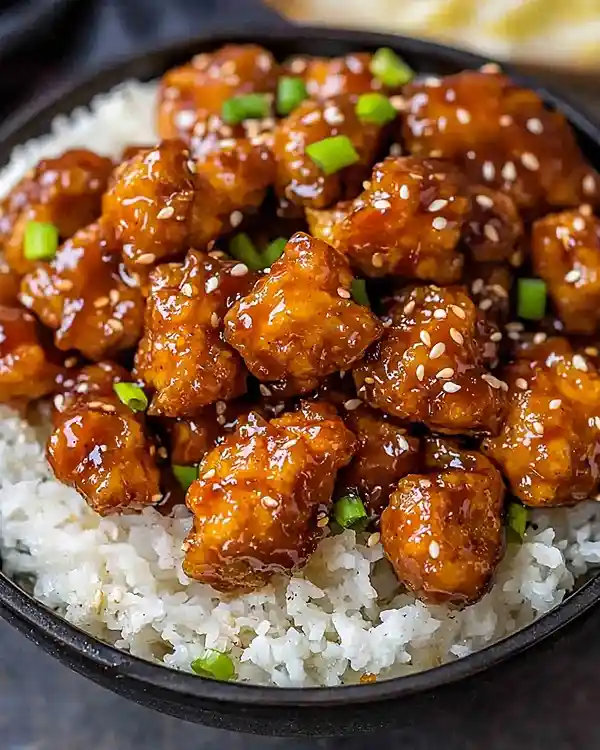
Return all the cooked chicken to the skillet. Toss thoroughly to coat every piece in that gorgeous, sticky sauce. The sauce should cling beautifully to the crispy exterior without making it soggy.
Transfer immediately to a serving platter. Garnish with sesame seeds if desired—they add a subtle nutty flavor and attractive visual appeal. Serve piping hot over steamed white rice or alongside delicious chicken fried rice for a complete Chinese feast.
This recipe yields enough for eight servings, though in my house, it somehow only feeds six. Weird how that works, right?
Expert Tips for Perfect Results
Achieve Maximum Crispiness
The secret to restaurant-quality crunch lies in proper moisture removal and oil temperature. Always pat your chicken completely dry before coating. Even a little surface moisture prevents proper browning and creates steam instead of crisp.
Don’t overcrowd the pan during frying. Pieces should have at least half an inch of space between them. Crowding drops the pan temperature dramatically, resulting in greasy, soggy chicken instead of golden perfection.
Make It Ahead for Busy Weeknights
You can cut and coat the chicken up to 4 hours ahead. Store coated pieces on a parchment-lined plate in the refrigerator. Let them come to room temperature for 15 minutes before cooking for even results.
The sauce keeps beautifully in the refrigerator for up to 3 days. Mix it in advance and give it a good shake before using. This transforms this homemade General Tso’s chicken into a legitimate 20-minute meal on hectic evenings.
Control the Heat Level
Start conservative with red pepper flakes, especially if feeding kids. You can always add more heat, but you can’t take it away. I typically use 1/4 teaspoon for mild, 1/2 teaspoon for medium, and a full teaspoon for those who like it hot.
For maximum heat, leave some ginger and garlic pieces larger. They deliver concentrated flavor bursts. For milder results, mince everything superfine so the aromatics distribute evenly throughout the sauce.
Variations to Try
Honey General Tso’s Chicken: Replace 2 tablespoons of sugar with honey for deeper, more complex sweetness. The honey also helps the sauce caramelize beautifully on the chicken.
General Tso’s Chicken Wings: Use chicken wings instead of thighs for a perfect game-day appetizer. Increase cooking time to 6-7 minutes per side until crispy and cooked through.
Sheet Pan Version: For a less hands-on approach, coat chicken and bake at 425°F on a parchment-lined sheet for 20-25 minutes, flipping halfway. Toss with sauce immediately after baking. Check out similar techniques in our Korean ground beef bowl guide.
Holiday Twist: During Thanksgiving, I’ve added dried cranberries and a pinch of five-spice powder for a festive fusion that surprises everyone. The sweet-tart cranberries complement the savory sauce remarkably well.
Storage & Reheating Instructions
Refrigerator Storage: Store leftover General Tso’s chicken in an airtight container for up to 3 days. Keep sauce and chicken together—they’re already combined at this point anyway.
Freezing: This dish freezes surprisingly well for up to 2 months. Cool completely before transferring to freezer-safe containers. Thaw overnight in the refrigerator before reheating.
Best Reheating Method: Reheat in a skillet over medium heat with a tablespoon of water. This revives the sauce and maintains some crispiness. Avoid microwaving if possible—it makes the coating rubbery and unpleasant.
Oven Reheating: Spread chicken on a baking sheet and reheat at 375°F for 10-12 minutes. The dry heat helps restore some of that original crunch better than any other method.
| Storage Method | Duration | Best Practice |
|---|---|---|
| Refrigerator | 3 days | Airtight container |
| Freezer | 2 months | Freezer-safe container |
| Room Temperature | 2 hours max | Not recommended |
Serving Suggestions & Pairings
Serve your easy General Tso’s chicken over fluffy jasmine rice or crispy chow mein noodles. The rice soaks up extra sauce like a dream. Add steamed broccoli or snap peas on the side for color and nutrition.
This pairs wonderfully with egg drop soup as a starter. For dessert, try something light and sweet like our no-bake Biscoff pie to balance the savory meal. The contrast makes both courses taste even better.
For beverages, iced green tea or a crisp lager beer cuts through the richness perfectly. If you’re hosting, our lava flow drink adds a tropical, festive touch to the meal.
General Tso’s Chicken FAQs
What is the secret ingredient in General Tso’s chicken?
The secret ingredient in General Tso’s chicken is hoisin sauce, which adds deep umami sweetness and complexity that sets this dish apart from simpler stir-fries. The combination of hoisin with rice vinegar creates the signature tangy-sweet balance. Some recipes skip hoisin entirely, but that’s what gives authentic depth to the sauce.
What are the ingredients in General Tso’s chicken?
The ingredients in General Tso’s chicken include chicken thighs, cornstarch for coating, ginger, garlic, and red pepper flakes for aromatics. The sauce combines soy sauce, rice vinegar, hoisin sauce, sugar, water, and cornstarch for thickening. This how to make General Tso’s chicken successfully relies on balancing these sweet, savory, and tangy components perfectly.
What is General Tso’s sauce made of?
General Tso’s sauce is made of soy sauce, rice vinegar, hoisin sauce, sugar, water, and cornstarch mixed together before cooking. The cornstarch thickens the sauce to that glossy, clingy consistency that coats the chicken beautifully. Some variations add orange juice or sesame oil, but the classic version relies on these six core ingredients for authentic flavor.
What’s the secret to a crispy General Tso’s chicken?
The secret to crispy General Tso’s chicken is thoroughly drying the chicken before coating it with cornstarch and avoiding overcrowding the pan during cooking. Pat chicken pieces completely dry with paper towels, then let coated pieces rest for 5 minutes before frying so the coating adheres properly. Cook in batches over medium-high heat to maintain oil temperature for maximum crunch.
Conclusion
This homemade General Tso’s chicken recipe proves you don’t need a restaurant kitchen or complicated techniques to create spectacular Chinese food. Just crispy chicken, a balanced sauce, and about 30 minutes of your time deliver results that’ll make you skip takeout forever.
Next time you’re craving Chinese food, give this easy General Tso’s chicken a try alongside some crispy Biscoff blondies for dessert. The combination of savory and sweet makes for an unforgettable meal.
Remember that first burned batch I mentioned? Every mistake taught me something valuable about heat control and timing. Now it’s your turn to master this incredible dish in your own kitchen.
Ready to make your own takeout at home? Drop a comment below and tell me how your General Tso’s chicken turned out!
