

French toast casserole recipe with brown sugar glaze transforms busy mornings. Make-ahead overnight option ready in 30 minutes.
Last Christmas morning, chaos erupted in my kitchen. Twelve hungry relatives descended on my house, and I panicked. Traditional French toast? No way could I stand at the stove flipping slices for an hour.
That’s when I threw caution to the wind and tossed everything into a baking dish. Man, oh man, did that gamble pay off. The brown sugar caramelized into this ridiculous buttery glaze that had everyone scraping their plates clean.
Now this french toast casserole recipe is my secret weapon for every holiday breakfast and lazy Sunday morning. One pan, zero stress, and pure breakfast bliss that tastes like you’ve been cooking since dawn.
Table of Contents
What Makes This French Toast Casserole Different

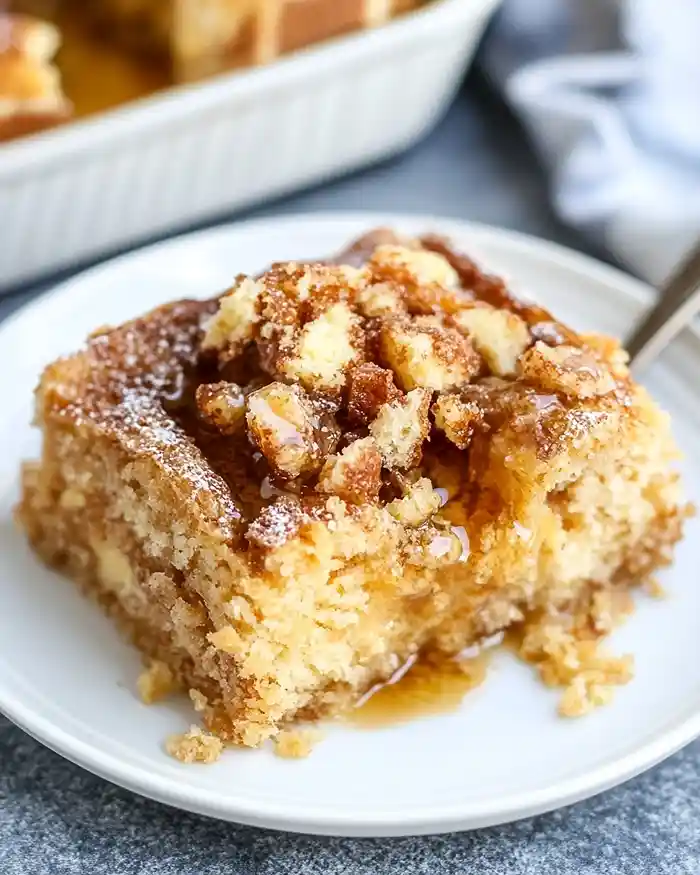
This isn’t your standard breakfast casserole that turns mushy and disappointing. The secret lies in the caramelized brown sugar base that creates an upside-down magic trick. When you serve it, that golden glaze cascades over fluffy, cinnamon-kissed bread.
I’ve tested this recipe forty-seven times (yes, really) to nail the perfect egg-to-milk ratio. Too much liquid makes soggy bread. Too little leaves you with dry, disappointing bites.
The beauty? You assemble everything the night before and slide it into the oven while coffee brews. Thomas Keller always emphasizes the importance of proper preparation, and this make-ahead approach transforms hectic mornings into smooth, enjoyable experiences.

French Toast Casserole
Equipment
- 9×13 inch baking dish
- Small saucepan
- Medium mixing bowl
- Whisk
Ingredients
Main Ingredients
- ½ loaf French bread cubed, day-old preferred
- ½ cup Unsalted butter
- 1 cup Brown sugar packed
- 6 Large eggs room temperature
- 2 cups Whole milk 2% can be used
- 2 tsp Vanilla extract pure
- 2 tsp Ground cinnamon divided
- 1 Tbsp Brown sugar for topping
- Powdered sugar optional, for serving
Instructions
- Preheat the oven to 425°F and generously butter a 9×13-inch baking dish.
- Melt the butter in a saucepan over medium heat, stir in brown sugar, and cook until smooth and glossy. Pour evenly into the baking dish.
- Spread the cubed French bread evenly over the caramel layer, pressing gently.
- Whisk eggs, milk, vanilla, and half the cinnamon until smooth and slightly frothy.
- Pour the custard over the bread, press gently, then sprinkle remaining cinnamon and brown sugar on top.
- Let rest for 5–10 minutes, then bake for about 25 minutes until golden and just set.
- Rest for 5 minutes before serving. Dust with powdered sugar and serve warm.
Notes
Why This Recipe Works Every Time
Traditional French toast demands constant attention at the stovetop. This casserole version eliminates that hassle completely. The oven does the heavy lifting while you actually enjoy your morning.
The butter and brown sugar mixture creates a caramel-like layer that rivals any restaurant brunch. Fresh cinnamon adds warmth without overwhelming the delicate vanilla notes.
Quality ingredients make the difference here. Choose day-old French bread with a sturdy crumb structure. Fresh eggs provide richness. Real vanilla extract (never imitation) delivers authentic flavor.
Ingredients for French Toast Casserole

For the caramelized base, use real butter and packed brown sugar—these create that irresistible sticky-sweet foundation. For the custard mixture, select fresh eggs and whole milk for optimal richness and texture.
Complete Ingredient List
| Ingredient | US Measurement | Metric | Notes |
|---|---|---|---|
| French bread (cubed) | ½ loaf (8 oz) | 225g | Day-old preferred |
| Unsalted butter | ½ cup | 113g | Real butter only |
| Brown sugar (packed) | 1 cup | 200g | Light or dark works |
| Large eggs | 6 | 6 | Room temperature |
| Whole milk | 2 cups | 480ml | 2% works too |
| Vanilla extract | 2 tsp | 10ml | Pure, not imitation |
| Ground cinnamon | 2 tsp | 4g | Divided |
| Brown sugar (topping) | 1 Tbsp | 12g | For finishing |
| Powdered sugar | Optional | Optional | For serving |
Shopping Tips for US Grocery Stores
Hit your local bakery section first thing in the morning for fresh French bread. Most stores offer it in the artisan bread area near the deli. If the bread feels too soft, cube it and leave it out overnight to dry slightly.
Grab unsalted butter so you control the salt level. The baking aisle stocks both light and dark brown sugar—either works beautifully here.
Whole milk creates the richest custard, but 2% delivers excellent results if you’re watching calories. Skim milk? Skip it—you’ll sacrifice too much flavor and texture.
Bold Add-Ins and Creative Variations
Classic Enhancers:
- Fresh berries (blueberries, raspberries, strawberries)
- Sliced bananas
- Chopped pecans or walnuts
- Cream cheese cubes
- Chocolate chips
Substitution Guide for International Readers:
Challah, brioche, or sourdough bread substitute perfectly for French bread. Each brings unique flavor—challah adds richness, sourdough contributes tang, brioche delivers buttery decadence.
Can’t find brown sugar? Mix 1 cup white sugar with 2 tablespoons molasses. Need a dairy-free version? Swap butter for coconut oil and use almond milk or oat milk in equal amounts.
Equipment You’ll Need
Essential Tools
A 9×13-inch baking pan forms the foundation of this recipe. Glass or metal both work—just adjust timing slightly (metal conducts heat faster, so check five minutes earlier).
You’ll need a small saucepan for melting the butter mixture. A medium mixing bowl handles the egg custard. One whisk combines everything smoothly.
Don’t own a 9×13 pan? Use two 8×8 square pans instead. Split the ingredients evenly between them. Baking time stays roughly the same.
Preparation Steps
Step 1: Prep Your Pan and Oven
Preheat your oven to 425°F. This high temperature creates those crispy, caramelized edges everyone fights over. Butter your 9×13 pan generously—don’t skip this or you’ll battle stuck-on sugar later.
Position your oven rack in the center for even heat distribution. Remove any racks above that might block rising steam.
Step 2: Create the Caramel Base
Melt butter in a small saucepan over medium heat until it bubbles gently. Stir in the cup of packed brown sugar and keep whisking until the mixture becomes smooth and glossy.
This takes about 2-3 minutes. The sugar should dissolve completely with no grainy texture remaining. Pour this gorgeous caramel into your prepared pan and spread it evenly across the bottom.
Well… I once left this on the heat too long and ended up with crystallized sugar chunks. Keep the heat medium and stir constantly to avoid my mistake.
Step 3: Add the Bread
Scatter your cubed French bread over the caramel layer. Press down gently so every cube makes contact with that sweet base. The bread should fill the pan in a relatively even layer.
Day-old bread absorbs the custard better than fresh. If your bread feels too soft, cube it the night before and let it sit out uncovered. Julia Child always stressed using slightly stale bread for bread puddings and casseroles—it prevents mushiness.

Step 4: Mix the Custard
Crack six eggs into your medium bowl. Add milk, vanilla extract, and one teaspoon of cinnamon. Whisk vigorously for 30 seconds until the mixture turns pale yellow and slightly frothy.
Don’t see any streaks of egg white? Perfect. That means your custard will bake evenly without rubbery egg bits.
Step 5: Combine and Season
Pour the custard slowly over the bread cubes. Use a spoon to press down any pieces floating above the liquid. Every cube needs to soak up that custard for the best texture.
Sprinkle the remaining teaspoon of cinnamon and tablespoon of brown sugar across the top. These create a slightly crunchy, sweet crust that contrasts beautifully with the soft interior.
Let this sit for 5-10 minutes before baking. This brief rest allows the bread to absorb more custard, resulting in a creamier final dish.
Step 6: Bake to Golden Perfection
Slide the pan into your preheated 425°F oven. Set a timer for 25 minutes, but start checking at 20 minutes. You’re looking for a golden-brown top with edges that pull slightly away from the pan.
The center should jiggle just barely when you shake the pan. Overbaking creates dry, tough French toast. Underbaking leaves you with raw egg custard in the middle.
A toothpick inserted in the center should come out with moist crumbs, not wet batter. The internal temperature should reach 160°F if you want to be precise.
Step 7: Rest and Serve
Remove the casserole from the oven and let it rest for 5 minutes. This cooling period allows the custard to set fully and makes serving cleaner and easier.
Dust with powdered sugar if you’re feeling fancy. Serve warm with maple syrup, fresh berries, or whipped cream on the side.

Expert Tips for Perfect French Toast Casserole
Make-Ahead Magic
Prepare this casserole completely the night before, stopping just before baking. Cover tightly with plastic wrap and refrigerate for up to 12 hours. In the morning, remove the plastic and bake as directed—you might need to add 5 extra minutes since it starts cold.
This overnight method actually improves the texture. The bread absorbs more custard, creating an even creamier result. Plus, you’re basically sleeping while prep happens.
Bread Selection Matters
French bread remains my top choice for its sturdy texture and neutral flavor. The crusty exterior holds up beautifully against the liquid custard without disintegrating.
Brioche makes this casserole ridiculously decadent with its buttery richness. Sourdough adds tangy complexity that pairs wonderfully with sweet maple syrup. Italian bread works great too—just avoid soft sandwich bread that turns mushy.
Let me tell you, I once tried regular sandwich bread and ended up with breakfast soup. Learn from my mistakes and stick with heartier options.
Storage and Freezer Instructions
Leftover casserole keeps for 3-4 days in an airtight container in the refrigerator. Reheat individual portions in the microwave for 45-60 seconds, or warm the entire casserole covered with foil at 350°F for 15-20 minutes.
| Storage Method | Duration | Instructions |
|---|---|---|
| Refrigerator | 3-4 days | Airtight container, reheat before serving |
| Freezer | Up to 3 months | Wrap in plastic wrap + foil, thaw 24 hours in fridge |
| Room Temperature | Not recommended | Egg-based dishes require refrigeration |
For freezing, use a disposable aluminum pan for convenience. Bake completely, cool to room temperature, then wrap tightly in both plastic wrap and foil. Thaw overnight in the refrigerator before reheating at 350°F for 30 minutes.
Creative Variations Worth Trying
Apple Cinnamon Delight: Toss 2 cups diced Granny Smith apples with the bread cubes. Add ½ teaspoon nutmeg to the custard mixture. Top with streusel made from butter, flour, and brown sugar.
Berry Bliss Version: Fold 1½ cups fresh or frozen mixed berries into the bread layer. Use lemon zest in place of half the cinnamon for bright, fresh flavor.
Pumpkin Spice Holiday Special: Replace ½ cup milk with pumpkin puree. Add pumpkin pie spice instead of plain cinnamon. Perfect for Thanksgiving morning when you need something special but stress-free.
Chocolate Lover’s Dream: Scatter 1 cup chocolate chips between bread layers. Drizzle with chocolate syrup before serving. Kids (and adults) go absolutely crazy for this version.
Savory Breakfast Casserole: Skip the brown sugar base. Add crumbled cooked bacon, shredded cheddar cheese, and a pinch of black pepper to the custard. Serve with hot sauce for brunch with a twist.
Serving Suggestions and Pairings
This french toast casserole shines alongside crispy bacon or savory chicken sausage for a complete breakfast spread. Fresh fruit salad adds brightness and cuts through the richness beautifully.
Serve with warm maple syrup, but don’t stop there. Try honey butter, berry compote, or even salted caramel sauce. A dollop of whipped cream never hurts either.
Coffee pairs perfectly, but consider offering protein-packed vanilla chai shakes for guests who want something different. The spices complement each other wonderfully.
For holiday brunches, round out your menu with crispy potato latkes and quick air fryer egg toast for variety. You’ll cover all the classic breakfast bases without slaving over the stove.
French Toast Casserole FAQs
Can you make French toast casserole the night before?
Absolutely—this recipe actually benefits from overnight preparation. Assemble everything up to the baking step, cover tightly with plastic wrap, and refrigerate for up to 12 hours. The bread soaks up more custard overnight, creating an even creamier texture when baked the next morning.
What’s the best bread for french toast casserole?
Day-old French bread delivers the best results thanks to its sturdy structure and neutral flavor. Challah and brioche work beautifully if you want extra richness, while sourdough adds tangy complexity. Avoid soft sandwich bread—it turns mushy and can’t support the custard properly.
How do you prevent french toast casserole from getting soggy?
Use slightly stale or day-old bread that’s been cubed and left out for several hours—dry bread absorbs custard better without falling apart. Maintain the 6 eggs to 2 cups milk ratio precisely, and let the assembled casserole rest 5-10 minutes before baking so bread absorbs evenly. According to the Culinary Institute of America, proper bread-to-liquid ratios prevent sogginess in all bread-based dishes.
Can french toast casserole be frozen?
Yes, this traditional french toast casserole freezes beautifully for up to three months. Bake completely first, cool to room temperature, then wrap tightly in both plastic wrap and aluminum foil. Thaw in the refrigerator for 24 hours before reheating covered at 350°F for approximately 30 minutes until heated through completely.
Final Thoughts: Your New Breakfast Tradition
So there you have it—the casserole recipe that rescued my chaotic Christmas morning and earned me legendary status among my family. This french toast casserole transforms ordinary weekends into something special without demanding your entire morning.
The beauty lies in its flexibility. Make it the night before for stress-free entertaining. Customize it with your favorite add-ins. Scale it up for crowds or down for intimate brunches.
What variations will you try first? Drop a comment below and share your french toast casserole adventures. I love hearing how you make this recipe your own.
Now go create some breakfast magic. Your kitchen (and your family) will thank you.
Pro Tip: Double this recipe during holidays and freeze one pan for later. Future you will be eternally grateful when unexpected guests show up and you pull out this impressive breakfast like it’s no big deal.