
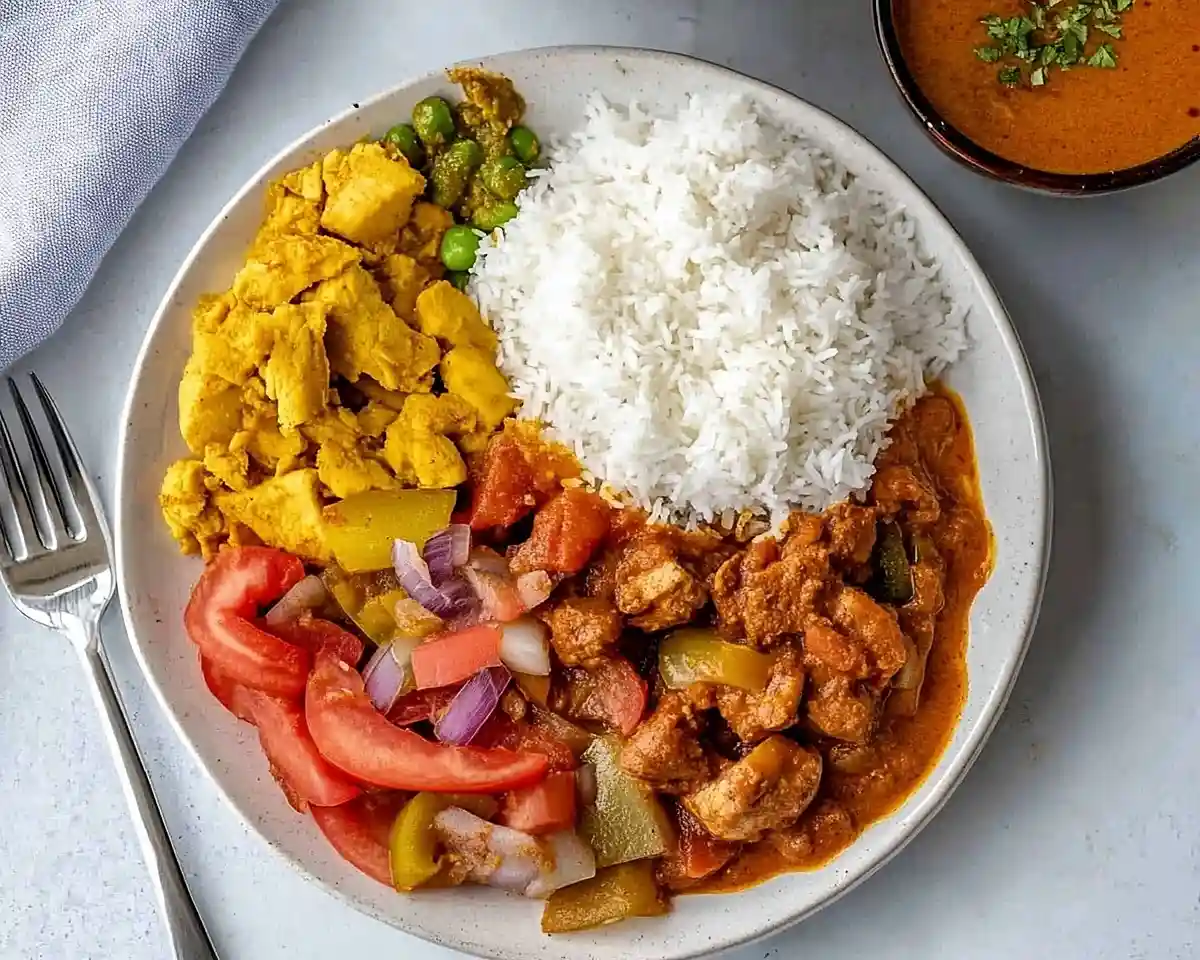
Dominican flag recipe delivers authentic la bandera dominicana food—rice, beans, and tender stewed meat in under 90 minutes with guaranteed results.
Hey, I’m Sofia! Welcome to Tasty at Home, where cooking is supposed to be fun, not scary. This Dominican flag recipe? Pure magic.
I stumbled upon la bandera dominicana during a college road trip to Washington Heights. My roommate’s abuela invited us for Sunday lunch, and I watched her transform basic pantry staples into something absolutely extraordinary. The aroma of caramelized sugar meeting tender beef still haunts my kitchen in the best way possible.
Now I make this national dish of Dominican Republic every single week. Bold, comforting, and seriously addictive—it’s become my answer to “what’s for dinner?”
Table of Contents
What Makes This La Bandera Dominicana Food So Special
La bandera literally translates to “the flag,” representing the three colors of the Dominican Republic through its components. White rice symbolizes purity, red beans represent blood and sacrifice, and the rich brown meat reflects the nation’s heritage.
This isn’t just another rice and beans recipe. The secret lies in the caramelized sugar technique for browning the beef—a method that creates layers of deep, savory-sweet flavor you won’t find in typical American stews.
I’ve tested this recipe seventeen times to nail the perfect texture ratio. The beef should fall apart with gentle fork pressure, the beans need a creamy consistency without losing their shape, and the rice must be fluffy with separated grains.
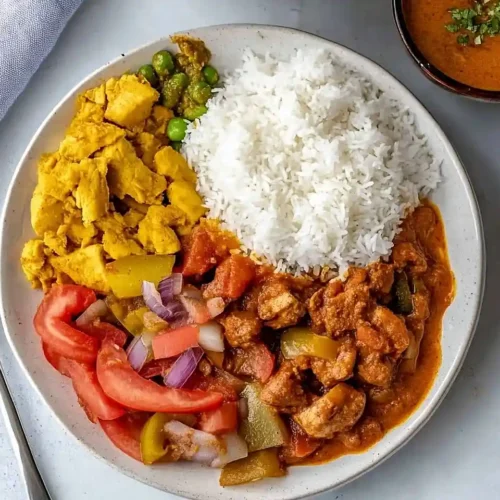
La Bandera Dominicana
Equipment
- caldero or Dutch oven
- mesh strainer
- Large mixing bowl
- Potato masher
- fork
Ingredients
Carne Guisada
- 3 lbs Beef round, cubed Look for marbling
- ½ cup White vinegar For cleaning meat
- 2 tsp Soy sauce Adds umami depth
- 1 whole Fresh lime Halved for marinade
- 2 tsp Adobo seasoning Find in Latin aisle
- 1 tbsp Crushed garlic Fresh is best
- 1 tsp Dried oregano Mediterranean variety
- 1 tbsp Vegetable oil For caramelizing
- 1 tsp Granulated sugar Creates caramel base
- 2 tbsp Tomato paste Concentrated flavor
- 1 medium Yellow onion, sliced Sweet onions work too
- 1 whole Cubanelle pepper, sliced Italian frying pepper
- ½ whole Red bell pepper, sliced Adds sweetness
- 2 tsp Fresh cilantro, chopped Plus extra for garnish
Habichuelas (Red Beans)
- 2 tsp Olive oil Extra virgin preferred
- ½ cup Yellow onion, diced About ½ onion
- ½ whole Cubanelle pepper, diced Or green bell pepper
- 1 tbsp Garlic paste Fresh garlic works
- 2 cans Red beans with liquid Don’t drain
- ½ cup Auyama or acorn squash, diced Adds natural sweetness
- 1 tsp Sazón seasoning With annatto preferred
- 1 tsp Dried oregano Crush to release oils
- 1 cube Bouillon cube Chicken or beef
- 1 whole Bay leaf Remove before serving
- 1 tbsp Tomato paste Deepens color
- 2 tsp Fresh cilantro, chopped Reserve some for garnish
- To taste Salt and pepper Adjust at end
Arroz Blanco (White Rice)
- 2 cups Long-grain white rice Jasmine or Canilla
- 2 tbsp Vegetable or olive oil Prevents sticking
- 1 tsp Salt Optional, to taste
- 2.5 cups Water Precise measurement crucial
Instructions
- Clean and soak the beef in cold water with vinegar for 15 minutes, then drain, rinse, and pat dry.
- Marinate beef with soy sauce, crushed garlic, adobo, dried oregano, and lime juice. Refrigerate for at least 1 hour.
- Heat oil and sugar in a caldero until amber brown, then quickly brown the beef cubes on all sides.
- Stir in tomato paste, add water, and simmer gradually, adding more water as needed for 45-60 minutes until beef is tender.
- Add sliced onions and peppers to the beef, simmer 5-10 minutes, stir in cilantro, and rest covered for 5 minutes.
- Sauté onions, peppers, and garlic paste in olive oil for the beans, then add red beans with liquid, squash, seasonings, tomato paste, and water.
- Simmer beans covered on low heat for 25 minutes, then mash part of the beans and squash and return to pot for creamy texture. Season with salt and pepper.
- Rinse rice thoroughly, drain, heat oil and water with salt, bring to boil, add rice, then cover and steam on low heat for 20 minutes. Let rest 5-10 minutes, then fluff with a fork.
Notes
Essential Ingredients for Your Dominican Flag Recipe
Quality ingredients make the difference between good and spectacular. For the carne guisada, choose well-marbled beef round—the fat content ensures tender, juicy meat after the long simmer.
Your beans need their canning liquid. Don’t drain them! That starchy liquid becomes the base for the signature creamy texture Dominican cooks prize.
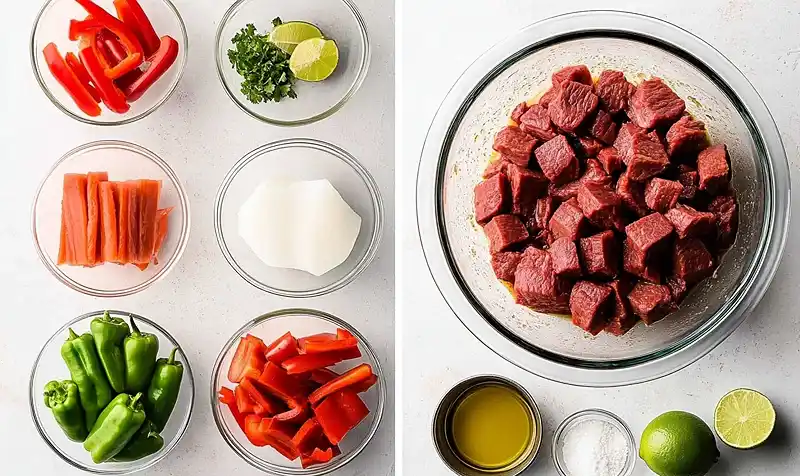
Carne Guisada (Stewed Meat)
| Ingredient | US Measurement | Metric | Notes |
|---|---|---|---|
| Beef round, cubed | 3 lbs | 1.4 kg | Look for marbling |
| White vinegar | ½ cup | 120 ml | For cleaning meat |
| Soy sauce | 2 tsp | 10 ml | Adds umami depth |
| Fresh lime | 1, halved | 1 | Brightens marinade |
| Adobo seasoning | 2 tsp | 10 ml | Find in Latin aisle |
| Crushed garlic | 1 tbsp | 15 ml | Fresh is best |
| Dried oregano | 1 tsp | 5 ml | Mediterranean variety |
| Vegetable oil | 1 tbsp | 15 ml | For caramelizing |
| Granulated sugar | 1 tsp | 5 ml | Creates caramel base |
| Tomato paste | 2 tbsp | 30 ml | Concentrated flavor |
| Yellow onion, sliced | 1 medium | 1 | Sweet onions work too |
| Cubanelle pepper, sliced | 1 | 1 | Italian frying pepper |
| Red bell pepper, sliced | ½ | ½ | Adds sweetness |
| Fresh cilantro, chopped | 2 tsp | 10 ml | Plus extra for garnish |
Habichuelas (Red Beans)
| Ingredient | US Measurement | Metric | Notes |
|---|---|---|---|
| Olive oil | 2 tsp | 10 ml | Extra virgin preferred |
| Yellow onion, diced | ½ cup | 120 ml | About ½ onion |
| Cubanelle pepper, diced | ½ | ½ | Or green bell pepper |
| Garlic paste | 1 tbsp | 15 ml | Fresh garlic works |
| Red beans with liquid | 2 (15 oz) cans | 850 g | Don’t drain |
| Auyama or acorn squash | ½ cup diced | 120 ml | Adds natural sweetness |
| Sazón seasoning | 1 tsp | 5 ml | With annatto preferred |
| Dried oregano | 1 tsp | 5 ml | Crushes release oils |
| Bouillon cube | 1 | 1 | Chicken or beef |
| Bay leaf | 1 | 1 | Remove before serving |
| Tomato paste | 1 tbsp | 15 ml | Deepens color |
| Fresh cilantro, chopped | 2 tsp | 10 ml | Reserve some for garnish |
| Salt and pepper | To taste | To taste | Adjust at end |
Arroz Blanco (White Rice)
| Ingredient | US Measurement | Metric | Notes |
|---|---|---|---|
| Long-grain white rice | 2 cups | 400 g | Jasmine or Canilla |
| Vegetable or olive oil | 2 tbsp | 30 ml | Prevents sticking |
| Salt | 1 tsp | 5 ml | Optional, to taste |
| Water | 2½ cups | 600 ml | Precise measurement crucial |
Shopping Tips for US Grocery Stores: Find adobo, sazón, and cubanelle peppers in the Latin foods section of major supermarkets. Goya and Badia are reliable brands. Can’t find auyama? Butternut or acorn squash delivers similar sweetness and texture.
International readers can substitute: Adobo → equal parts garlic powder, onion powder, oregano, and salt. Sazón → paprika mixed with a pinch of turmeric for color.
Equipment You’ll Need
A traditional Dominican caldero (heavy aluminum pot) distributes heat evenly and prevents scorching. Don’t have one? A Dutch oven or heavy-bottomed stainless steel pot works beautifully.
You’ll also need a mesh strainer for rinsing rice, a large mixing bowl for marinating meat, and a potato masher for creating that signature creamy bean texture. A fork for fluffing rice completes your toolkit.
How to Make the Perfect Dominican Flag Recipe
Preparing the Carne Guisada (Stewed Meat)
Step 1: Clean and Soak the Beef
Place cubed beef in a large bowl and cover completely with cold water. Add the vinegar and let it soak for exactly 15 minutes—this Dominican technique removes impurities and excess blood.
Drain thoroughly, rinse under cold running water, and pat completely dry with paper towels. Moisture prevents proper browning, so don’t skip this step.
Step 2: Marinate for Maximum Flavor
Combine soy sauce, crushed garlic, adobo, dried oregano, and fresh lime juice in your bowl. Toss the beef cubes until every piece glistens with seasoning.
Cover tightly and refrigerate for at least 1 hour. I usually marinate mine overnight for deeper flavor penetration.
Step 3: Create the Caramel Base
Heat oil and sugar in your caldero over medium heat. Stir occasionally and watch carefully—the sugar will melt, bubble, then turn deep amber brown in about 3-4 minutes.
This is where I messed up my first attempt. I walked away to answer the phone, and the sugar burned black, filling my kitchen with acrid smoke. Stay present during this step! The caramel should smell sweet and toasty, never bitter.
Step 4: Brown the Meat
Working quickly once the caramel reaches that gorgeous amber color, add the marinated beef. The cubes will sizzle dramatically—that’s exactly what you want.
Flip each piece as it browns, creating a deep mahogany crust on all sides. This takes about 6-8 minutes total and builds the foundation of flavor.
Step 5: Add Tomato Paste and Begin Simmering
Stir in tomato paste, coating each beef cube in the thick, rust-colored mixture. The paste caramelizes against the hot pot, creating even more depth (as Thomas Keller emphasizes, layering flavors builds complexity).
Add 1 cup of water, scraping up any browned bits stuck to the bottom. Bring to a gentle simmer and cook uncovered for 15-20 minutes.
Step 6: The Patient Simmering Process
Once the liquid reduces by half, add another ½ cup of water. Let it simmer for another 15-20 minutes, then repeat.
This gradual water addition technique keeps the meat submerged while concentrating flavors. You’ll repeat this process for 45 minutes to an hour total, until the beef breaks apart easily with a fork.
Step 7: Finish with Vegetables
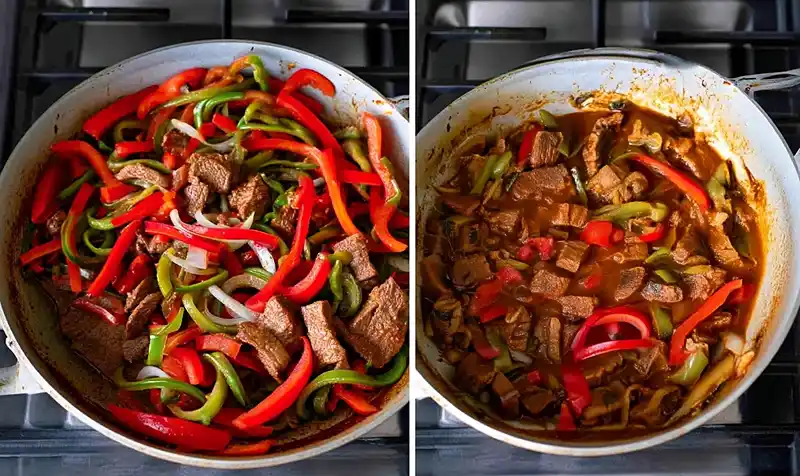
Add sliced peppers and onions to the tender meat. Pour in just enough water to create a light sauce—about ¾ cup.
Cover and simmer for 5-10 minutes until vegetables soften but retain a slight bite. Turn off the heat, stir in fresh cilantro, and let it rest covered for 5 minutes before serving.
Making the Habichuelas (Red Beans)
Step 1: Sauté the Aromatics
Heat olive oil in your caldero over medium heat. Add diced onions, peppers, and garlic paste, stirring frequently until softened and fragrant—about 5 minutes.
The vegetables should smell sweet and inviting, not browned or caramelized.
Step 2: Build the Bean Base
Pour in both cans of red beans with their liquid. Add diced squash, sazón, oregano, bay leaf, and crumbled bouillon cube.
Stir in tomato paste and add enough water to cover the beans by about ½ inch. The squash can peek out slightly—that’s fine.
Step 3: Simmer Until Tender
Bring everything to a bubbling simmer, then cover the pot and reduce heat to low. Let the beans cook gently for 25 minutes without lifting the lid.
The squash should be fork-tender and nearly dissolving into the sauce.
Step 4: Create Creamy Texture
Remove 1½ cups of beans, a few squash pieces, and some broth to a separate bowl. Mash vigorously with a fork or potato masher until mostly smooth.
Return this mixture to the pot and stir well. This creates the signature creamy consistency without using dairy or thickeners.
Step 5: Final Seasoning
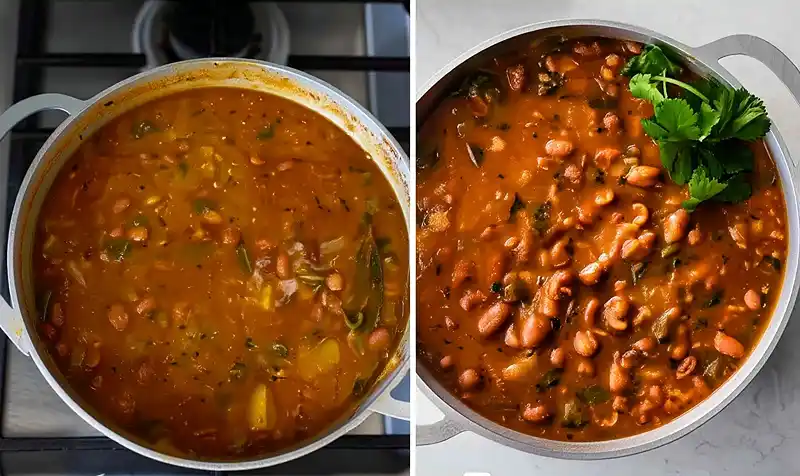
Taste your beans and adjust salt and pepper as needed. Cover and cook for another 10-15 minutes until thickened to your preference.
Stir in fresh cilantro just before serving for a bright, herbal finish.
Cooking Perfect Arroz Blanco (White Rice)
Step 1: Rinse the Rice Thoroughly
Place rice in a mesh strainer and rinse under cold running water. Swish it around with your hand until the water runs completely clear—this removes excess starch that causes gummy rice.
Drain thoroughly and let it sit for 2-3 minutes to drip dry.
Step 2: Boil the Water
Heat oil in your caldero over medium-high heat. Once shimmering, carefully add 2½ cups of water and salt.
Bring to a rolling boil—you want big, aggressive bubbles breaking the surface.
Step 3: Add Rice and Initial Cooking
Pour in the rinsed rice and stir immediately. Bring back to a boil, stirring occasionally to prevent sticking.
Keep stirring gently until the water level drops below the rice surface and you see small craters forming. This takes about 5-7 minutes.
Step 4: Steam to Perfection
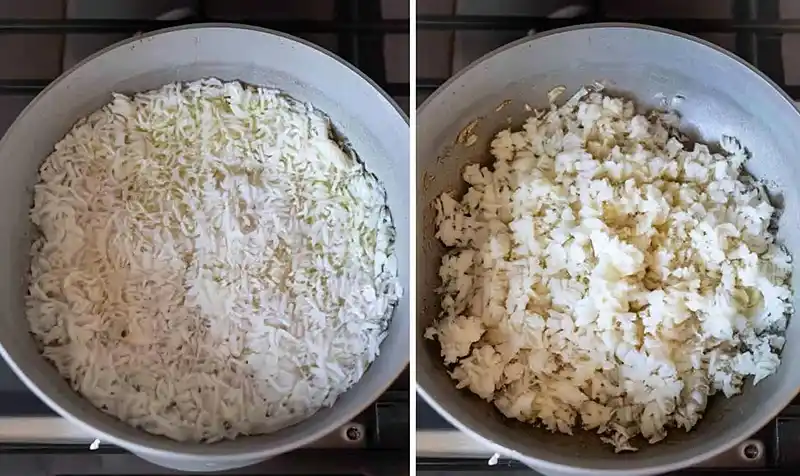
Cover the pot tightly and reduce heat to the absolute lowest setting. Set a timer for exactly 20 minutes and resist the urge to peek!
Lifting the lid releases steam and creates unevenly cooked rice.
Step 5: Rest and Fluff
Turn off the heat and let the covered rice sit undisturbed for 5-10 minutes. This final steaming finishes the cooking and sets the texture.
Uncover, fluff gently with a fork to separate the grains, and serve immediately.
Expert Tips for La Bandera Success
Timing Is Everything: Start your beans first since they take the longest. While they simmer, prepare and marinate your meat. Begin the rice last—it only needs 30 minutes total from start to finish.
The Caldero Makes a Difference: Traditional aluminum calderos distribute heat more evenly than thin pots. If you’re serious about Dominican cooking, investing in one transforms your results. They’re available online for around $20-30.
Don’t Rush the Meat: The difference between good carne guisada and extraordinary carne guisada is patience. Those incremental water additions and long, slow simmering create fall-apart tenderness that quick-cooking can’t match.
Season in Layers: Taste your beans before the final simmer and adjust seasoning then. The bouillon cube adds salt, so start conservatively with additional salt and pepper.
Creative Variations to Try
Pollo Guisado Version: Substitute bone-in chicken thighs for beef. Reduce the initial simmering time to 25-30 minutes total—chicken becomes tender faster than beef.
Vegetarian La Bandera: Replace meat with king oyster mushrooms cut into thick slices. Follow the same caramelization technique, but reduce cooking time to 20 minutes total.
Black Beans Instead of Red: Swap red beans for black beans using identical cooking methods. The flavor profile shifts slightly earthier and works beautifully with the stewed meat.
Coconut Rice Upgrade: Add ½ cup of coconut milk to your rice water for a subtle tropical sweetness. This variation is popular in coastal Dominican regions.
Holiday Feast Version: Double the recipe and add Dominican-style tostones (fried plantains) and a crisp avocado salad on the side. Perfect for Thanksgiving or Christmas when you want to showcase Caribbean flavors.
Storage and Make-Ahead Instructions

The carne guisada actually improves overnight as flavors meld and deepen. Store in an airtight container in the refrigerator for up to 4 days.
Beans keep refrigerated for 5 days and freeze exceptionally well for up to 3 months. Thaw overnight in the refrigerator and reheat gently on the stovetop, adding a splash of water if needed.
Storage Guidelines
| Component | Refrigerator | Freezer | Reheating Method |
|---|---|---|---|
| Carne Guisada | 4 days | 3 months | Stovetop, low heat, add water |
| Habichuelas | 5 days | 3 months | Stovetop or microwave |
| Arroz Blanco | 3 days | Not recommended | Microwave with damp paper towel |
Pro Tip: Rice doesn’t freeze well, so make it fresh each time. However, you can refrigerate cooked rice for up to 3 days and reheat it in the microwave with a damp paper towel over the bowl—this re-steams the grains perfectly.
Perfect Pairings and Serving Suggestions
Serve your Dominican flag recipe with a simple green salad dressed in lime juice and olive oil. The acidity cuts through the richness beautifully.
Traditional accompaniments include sliced avocado, fried sweet plantains (maduros), and crispy tostones. For beverages, try a cold morir soñando (orange juice and milk drink) or a simple passion fruit juice.
Looking for more Caribbean-inspired comfort food? Check out our complete guide to braised mock chuck for another tender, flavorful meat dish that pairs perfectly with rice and beans.
Dominican Flag Recipe FAQ
Can I use chicken instead of beef for la bandera dominicana?
Yes, you can absolutely use chicken instead of beef for this la bandera dominicana food. Bone-in chicken thighs work best since they stay moist during simmering. Reduce the total cooking time to 30-35 minutes since poultry becomes tender faster than beef. Follow the same caramelization technique with the sugar for authentic flavor.
What is the national dish of Dominican Republic and why is it called la bandera?
The national dish of Dominican Republic is la bandera dominicana, which translates to “the Dominican flag.” It earned this name because the three components represent the flag’s colors: white rice for purity, red beans for sacrifice, and brown stewed meat for the nation’s heritage. Dominican families serve this combination daily, making it the most iconic meal in their culinary tradition.
How do I prevent my rice from getting mushy in this Dominican flag recipe?
Prevent mushy rice by rinsing it thoroughly until the water runs clear, removing excess starch. Use the exact 1:1.25 ratio of rice to water (2 cups rice to 2½ cups water), and never lift the lid during the 20-minute steaming phase. Let it rest covered for 5-10 minutes after cooking, then fluff gently with a fork to separate the grains without crushing them.
Can I make la bandera dominicana comida ahead of time for meal prep?
You can absolutely meal prep la bandera dominicana comida in advance. The carne guisada and habichuelas actually taste better the next day as flavors deepen. Store them separately in airtight containers for up to 4 days refrigerated. Cook rice fresh each time for best texture, though leftover rice reheats acceptably in the microwave with a damp paper towel covering.
Bringing It All Together
There’s something deeply satisfying about mastering a dish that feeds both body and soul. This Dominican flag recipe connects you to generations of home cooks who’ve perfected these techniques through practice and love.
The first time you nail that caramelized beef crust and creamy bean texture, you’ll understand why this national dish of Dominican Republic appears on tables daily. It’s comfort, tradition, and bold flavor meeting in one incredible plate.
Ready to create your own la bandera magic? Grab your ingredients and let’s cook something special together.
What variations will you try first—the coconut rice upgrade or maybe the vegetarian version? Drop a comment below and share your Dominican flag recipe success stories. I’d love to hear how your family enjoys this classic!
For more Caribbean-inspired comfort food, explore our authentic Latin flavor techniques and discover why bold seasonings transform simple ingredients into extraordinary meals.
Tasty at Home – Where bold flavors meet everyday kitchens.