
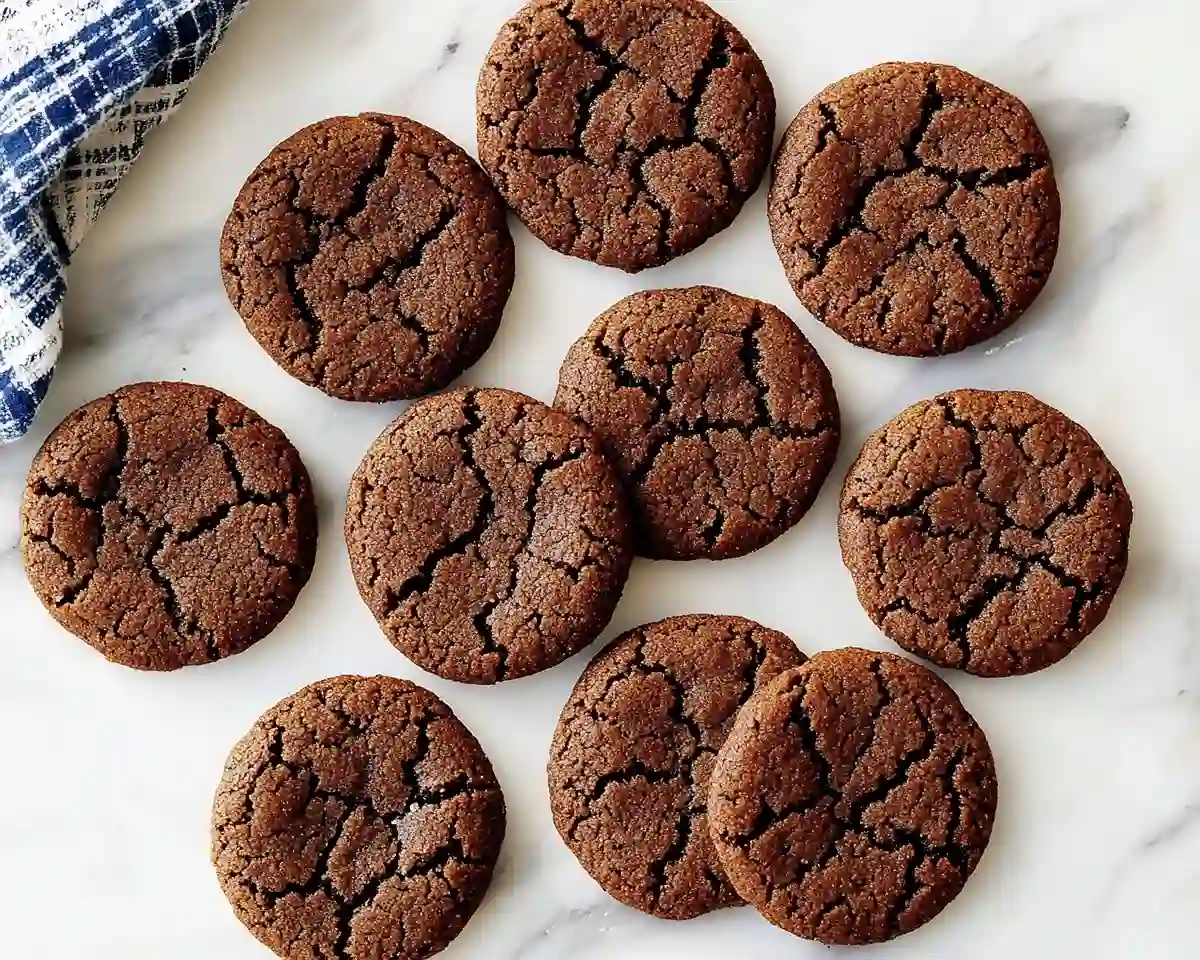
Chewy Molasses Cookies with warming spices deliver soft, crackled perfection. Learn pro tips for soft molasses cookies that stay fresh for days.
Last December, I burned three batches of cookies before finally nailing this recipe. Man, oh man, was it worth the flour-covered disaster zone in my kitchen! The smell of cinnamon and ginger warming in butter stopped my neighbor mid-knock at the door. She demanded the recipe before even saying hello.
These chewy molasses cookies transformed my holiday baking game completely. The crackled tops glisten like fresh snow, and that first bite releases warming spices that remind you why winter baking exists. I’ve made them every week since that breakthrough moment.
Tasty at Home – Where bold flavors meet everyday kitchens.
Table of Contents
What Makes This Recipe Special
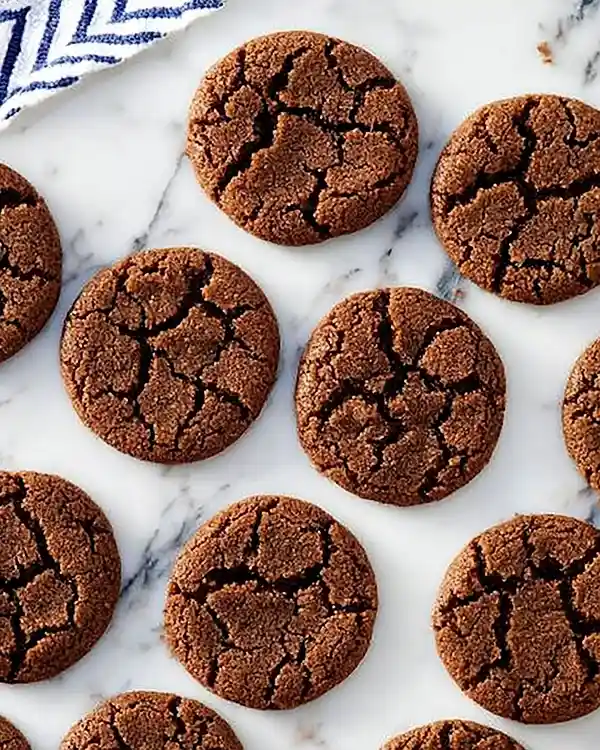
This recipe creates cookies with crispy edges and impossibly soft centers. The blackstrap molasses adds deep, complex sweetness that refined sugar simply cannot match. Cardamom elevates the traditional ginger-cinnamon profile into something extraordinary.
I tested this recipe twelve times to perfect the texture. The secret lives in the moisture balance and precise baking time. These cookies stay chewy for five days when stored properly—a rarity in cookie recipes.
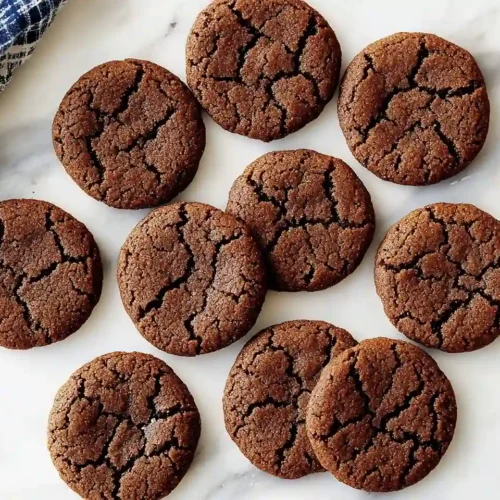
Chewy Molasses Cookies
Equipment
- Stand mixer
- hand mixer
- Cookie scoop
- Parchment paper
- Wire cooling rack
- Digital kitchen scale
Ingredients
Main Ingredients
- ½ cup unsalted butter room temperature, must be soft, not melted
- ⅓ cup dark brown sugar packed, adds moisture
- ⅓ cup granulated sugar for structure
- ⅓ cup blackstrap molasses unsulphured only
- 1 teaspoon vanilla extract pure, not imitation
- 2 cups all-purpose flour spoon and level method
- 2 teaspoons ground cinnamon fresh preferred
- 1 teaspoon baking soda creates lift
- 1 teaspoon ground ginger bold spice note
- ½ teaspoon ground cardamom secret ingredient
- ½ teaspoon fine sea salt balances sweetness
- 1 tablespoon water plus more if needed
- ⅓ cup cane sugar for rolling, creates sparkle
Instructions
- Preheat oven to 350°F and line baking sheet with parchment paper. Let butter reach room temperature for 45 minutes.
- Cream butter, brown sugar, and granulated sugar on medium-high speed for 3 minutes until pale and fluffy. Scrape down sides twice.
- Add molasses and vanilla extract; mix on medium speed for 30 seconds.
- Whisk flour, cinnamon, baking soda, ginger, cardamom, and salt in a separate bowl.
- Add dry ingredients to wet in three additions, mixing on low after each. Add water and mix 10 seconds.
- Use cookie scoop to portion dough; roll into balls. Add more water if dough cracks.
- Roll dough balls in cane sugar until fully coated. Place 2 inches apart on baking sheet and press tops gently.
- Bake for 10 minutes until edges set and centers appear slightly underdone.
- Let cookies rest on baking sheet 10 minutes, then transfer to wire rack to cool completely.
Notes
Ingredient Quality Guide
For the spice foundation, use fresh ground cinnamon and ginger sourced within the past six months. Old spices taste dusty and flat. For the molasses base, choose unsulphured blackstrap molasses from trusted brands—it delivers robust flavor without bitterness.
The butter must reach true room temperature, about 65-68°F. Cold butter creates dense cookies, while melted butter makes them spread too thin.
Complete Ingredient List
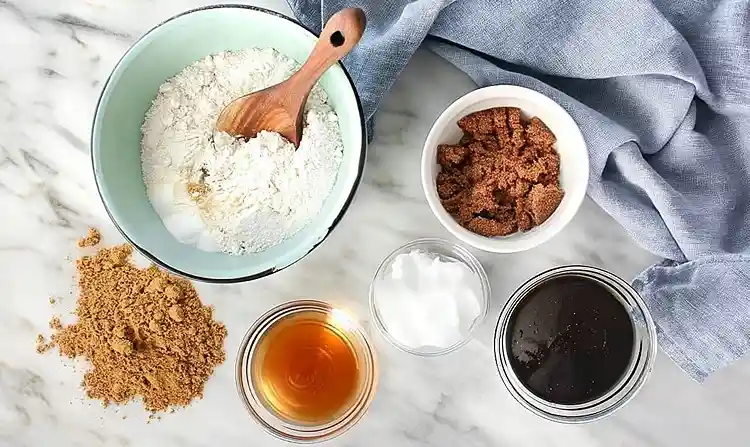
| Ingredient | US Measurement | Metric | Notes |
|---|---|---|---|
| Unsalted butter (room temp) | ½ cup | 113g | Must be soft, not melted |
| Dark brown sugar | ⅓ cup packed | 70g | Adds moisture |
| Granulated sugar | ⅓ cup | 65g | For structure |
| Blackstrap molasses | ⅓ cup | 110g | Unsulphured only |
| Vanilla extract | 1 teaspoon | 5ml | Pure, not imitation |
| All-purpose flour | 2 cups | 240g | Spoon and level method |
| Ground cinnamon | 2 teaspoons | 4g | Fresh preferred |
| Baking soda | 1 teaspoon | 5g | Creates lift |
| Ground ginger | 1 teaspoon | 2g | Bold spice note |
| Ground cardamom | ½ teaspoon | 1g | Secret ingredient |
| Fine sea salt | ½ teaspoon | 3g | Balances sweetness |
| Water | 1 tablespoon | 15ml | Plus more if needed |
| Cane sugar (rolling) | ⅓ cup | 65g | Creates sparkle |
Shopping Tips for Best Results
Find blackstrap molasses in the baking aisle near corn syrup at most US grocery stores. Whole Foods and Trader Joe’s stock excellent organic options. Cardamom pods cost less than pre-ground and deliver fresher flavor—just grind them yourself.
Buy European-style butter with higher fat content if available. The extra richness makes cookies more tender. Target and Kroger carry Kerrygold, which works beautifully here.
Bold Add-Ins & Creative Variations
Transform these soft molasses cookies by adding ½ cup chopped crystallized ginger for intense spice. Dark chocolate chips (⅔ cup) create sophisticated flavor contrast. Orange zest (1 tablespoon) brightens the molasses depth surprisingly well.
For international readers, substitute coconut oil for butter at 1:1 ratio. Replace all-purpose flour with gluten-free blend, adding 1 extra tablespoon water. The texture stays remarkably similar.
Essential Equipment & Tools
You need a stand mixer or quality hand mixer—creaming butter properly requires power. A 2-inch cookie scoop ensures uniform size, which means even baking. Parchment paper prevents sticking without added fat.
A wire cooling rack allows air circulation underneath cookies. This stops soggy bottoms from forming. If you lack a cooling rack, use an upside-down baking sheet propped on kitchen towels.
Digital kitchen scale improves accuracy dramatically. Measuring flour by weight eliminates the most common baking mistake. Invest in one from OXO or Escali for under $25.
How to Make Chewy Molasses Cookies
Step 1: Prepare Your Workspace
Preheat your oven to 350°F and position the rack in the center. Line your largest baking sheet with parchment paper, leaving no gaps. Room temperature matters here—cold dough spreads differently than warm dough.
Let your butter sit out for 45 minutes before starting. It should dent easily when pressed but not look greasy or shiny.
Step 2: Cream Butter and Sugars
Add butter, brown sugar, and granulated sugar to your mixer bowl. Beat on medium-high speed for 3 full minutes until the mixture looks pale and fluffy. Well, this step creates air pockets that make cookies light and tender.
Stop the mixer and scrape down the sides twice during creaming. Sugar crystals stuck to the bowl won’t incorporate properly. As Julia Child always emphasized, proper creaming cannot be rushed.
Step 3: Add Wet Ingredients
Pour in molasses and vanilla extract, then mix on medium speed for 30 seconds. The mixture will look slightly separated—this is completely normal. The flour will bring everything together beautifully.
I once added cold molasses straight from the fridge, and the dough seized up into a crumbly mess. Always use room-temperature molasses for smooth incorporation.
Step 4: Combine Dry Ingredients
Whisk together flour, cinnamon, baking soda, ginger, cardamom, and salt in a separate bowl. Whisking distributes the leavening agents evenly. Uneven baking soda creates bitter spots in finished cookies.
This recipe uses less baking soda than traditional versions. Too much creates an unpleasant metallic aftertaste that ruins the molasses flavor.
Step 5: Mix Dough Together
Add dry ingredients to wet ingredients in three separate additions. Mix on low speed after each addition, stopping when streaks of flour barely remain. Overmixing develops gluten, which makes cookies tough and cakey.
Add the tablespoon of water last and mix for just 10 seconds. The dough should feel slightly sticky but hold its shape when pressed together.
Step 6: Shape Cookie Dough Balls
Use your 2-inch scoop to portion equal amounts of dough. Roll each portion between your palms into smooth balls. If dough feels too dry and cracks while rolling, add ½ tablespoon more water.
Thomas Keller insists that uniform sizing creates professional results. Cookies baked at the same size finish simultaneously, preventing underdone or burnt edges.
Step 7: Sugar Coating Process
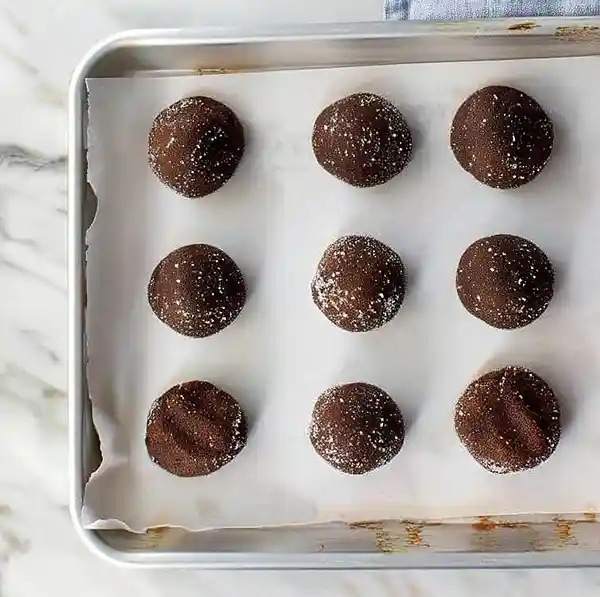
Pour cane sugar into a shallow bowl. Roll each dough ball thoroughly in sugar until completely coated. The sugar creates that signature crackled top while adding textural contrast.
Place coated balls 2 inches apart on your prepared sheet. These cookies spread moderately during baking. Press the top of each ball down gently with your palm.
Step 8: Bake to Perfection
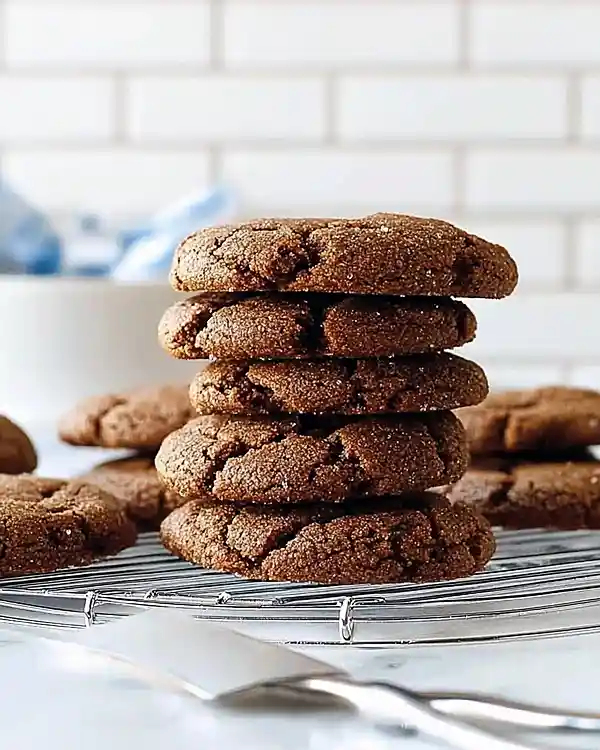
Bake for exactly 10 minutes—no more, no less. The cookies should look puffed with visible cracks across the surface. They’ll seem underdone in the center, but this ensures chewiness after cooling.
Watch for the edges to set while centers remain soft. You know they’re ready when the house smells like a gingerbread wonderland and steam rises from the pan.
Step 9: Cooling Protocol
Let cookies rest on the baking sheet for 10 full minutes. This resting period allows them to firm up enough for transfer. Moving them too early causes breakage and flat cookies.
Transfer carefully to a wire rack using a thin metal spatula. Let them cool completely before storing—about 30 minutes. Warm cookies release moisture that creates sogginess in containers.
Expert Tips for Cookie Success
Measure molasses by spraying your measuring cup with cooking spray first. The molasses slides out cleanly without waste. This trick saves frustration and ensures accurate measurements every time.
Chill your dough for 30 minutes if your kitchen exceeds 75°F. Warm dough spreads too quickly, creating thin, crispy cookies instead of chewy ones. Check out our complete guide to cookie texture troubleshooting for more solutions.
For extra-thick cookies, use only 1½ cups flour and add 2 tablespoons cornstarch. The cornstarch tenderizes the crumb while maintaining structure. This variation creates bakery-style puffiness.
Rotate your baking sheet halfway through baking if your oven has hot spots. Most home ovens bake unevenly, which leads to burnt edges on one side. A simple 180-degree turn ensures even browning.
Creative Variations to Try
Chewy Ginger Molasses Cookies Deluxe
Double the ground ginger to 2 teaspoons and add ⅓ cup finely minced crystallized ginger to the dough. This version delivers intense ginger punch that spice lovers crave. Serve these at holiday parties for guaranteed compliments.
Chocolate Molasses Swirl
Replace ½ cup flour with Dutch-process cocoa powder for deep chocolate flavor. The cocoa amplifies molasses earthiness beautifully. Roll dough balls in a mixture of cane sugar and cocoa powder before baking.
Chai-Spiced Molasses Cookies
Add ¼ teaspoon ground cloves, ¼ teaspoon black pepper, and ⅛ teaspoon ground nutmeg to the spice blend. This combination mimics chai tea’s warming complexity.
Vegan Molasses Cookies
Replace butter with refined coconut oil measured at the same amount. Ensure the coconut oil reaches room temperature but stays solid. These cookies turn out remarkably similar to the original version.
Holiday Sandwich Cookies
Bake cookies slightly thinner by pressing dough balls flatter before baking. Sandwich cooled cookies with cream cheese frosting or vanilla buttercream. This elegant variation impresses at cookie exchanges.
Storage and Make-Ahead Instructions
Store completely cooled cookies in an airtight container at room temperature. Add a slice of bread to the container—it releases moisture that keeps cookies soft for up to 7 days. Replace the bread slice every 2 days.
Freeze baked cookies for up to 3 months in freezer-safe bags. Layer parchment paper between cookies to prevent sticking. Thaw at room temperature for 30 minutes before serving.
| Storage Method | Duration | Instructions |
|---|---|---|
| Room temperature | 7 days | Airtight container with bread slice |
| Refrigerated | 10 days | Sealed container, bring to room temp before eating |
| Frozen (baked) | 3 months | Layer with parchment, thaw 30 minutes |
| Frozen (dough balls) | 4 months | Freeze on tray, then bag; bake from frozen, add 2 minutes |
Make-Ahead Strategy
Form dough balls and freeze them on a baking sheet until solid. Transfer frozen balls to freezer bags for easy storage. Bake directly from frozen, adding 2 extra minutes to the baking time.
This method lets you bake fresh cookies whenever cravings strike. The dough stays perfectly fresh for 4 months. Oops! I once forgot dough balls in the freezer for 6 months—they still baked up beautifully.
Perfect Pairings and Serving Ideas
Serve these cookies warm with cold milk for classic comfort. The temperature contrast enhances the chewy texture dramatically. Hot apple cider also pairs wonderfully during autumn months.
For elegant entertaining, serve alongside professional dessert wine pairings or strong coffee. The molasses depth stands up to bold beverage flavors. Port wine creates particularly sophisticated harmony.
Crumble cookies over vanilla ice cream for instant dessert sophistication. The spices complement frozen dairy desserts perfectly. Try this combination at your next dinner party for easy wow factor.
Pack cookies in decorative tins for homemade gifts. Include a printed recipe card and storage instructions. These travel well and survive shipping better than delicate cookies.
Chewy Molasses Cookies FAQs
What gives molasses cookies their chew?
Molasses cookies get their signature chew from blackstrap molasses combined with brown sugar moisture. The molasses contains more liquid than regular sugar, which keeps the cookie centers soft and prevents them from drying out completely. Using room-temperature butter instead of melted butter also helps maintain structure while preserving that tender, chewy texture.
What is the secret to chewy cookies?
The secret to chewy cookies lies in underbaking them slightly and using proper sugar ratios. Pull cookies from the oven when centers still look slightly underdone—they firm up during cooling but stay soft inside. Brown sugar adds moisture that white sugar cannot provide, while the tablespoon of water in this recipe ensures dough stays hydrated throughout baking.
What makes ginger molasses cookies chewy?
Ginger molasses cookies stay chewy because molasses acts as a natural humectant that attracts and retains moisture. The combination of both granulated and brown sugar creates the perfect texture balance. Baking for exactly 10 minutes at 350°F sets the edges while keeping centers gloriously soft and flexible.
What is the difference between gingerbread and molasses cookies?
Gingerbread cookies contain more flour and use cookie cutters for decorative shapes, creating firmer cookies meant for frosting and decorating. Molasses cookies stay soft and chewy with less flour, rolled into balls and coated with sugar for crackled tops. Gingerbread emphasizes structural integrity, while molasses cookies prioritize tender texture and bold spice flavor.
Final Thoughts and Your Next Steps
These chewy molasses cookies will become your most-requested holiday treat. The warming spices fill your home with memories while the crackled sugar coating adds perfect sweetness. Ready to start your own cookie tradition?
Try making a double batch right now. Your future self will thank you when guests arrive unexpectedly or cookie cravings hit at midnight. These cookies taste even better when shared with people you love.
What’s your favorite way to enjoy molasses cookies? Drop a comment below and share your creative variations with our vibrant home cooking community. Let me tell you, I read every single response and often feature reader ideas in future recipes.
Pair these with hot cocoa for the ultimate winter comfort combo. The spices complement chocolate beautifully while the textures contrast in the most satisfying way. Don’t these sound absolutely perfect for your next cozy evening?