
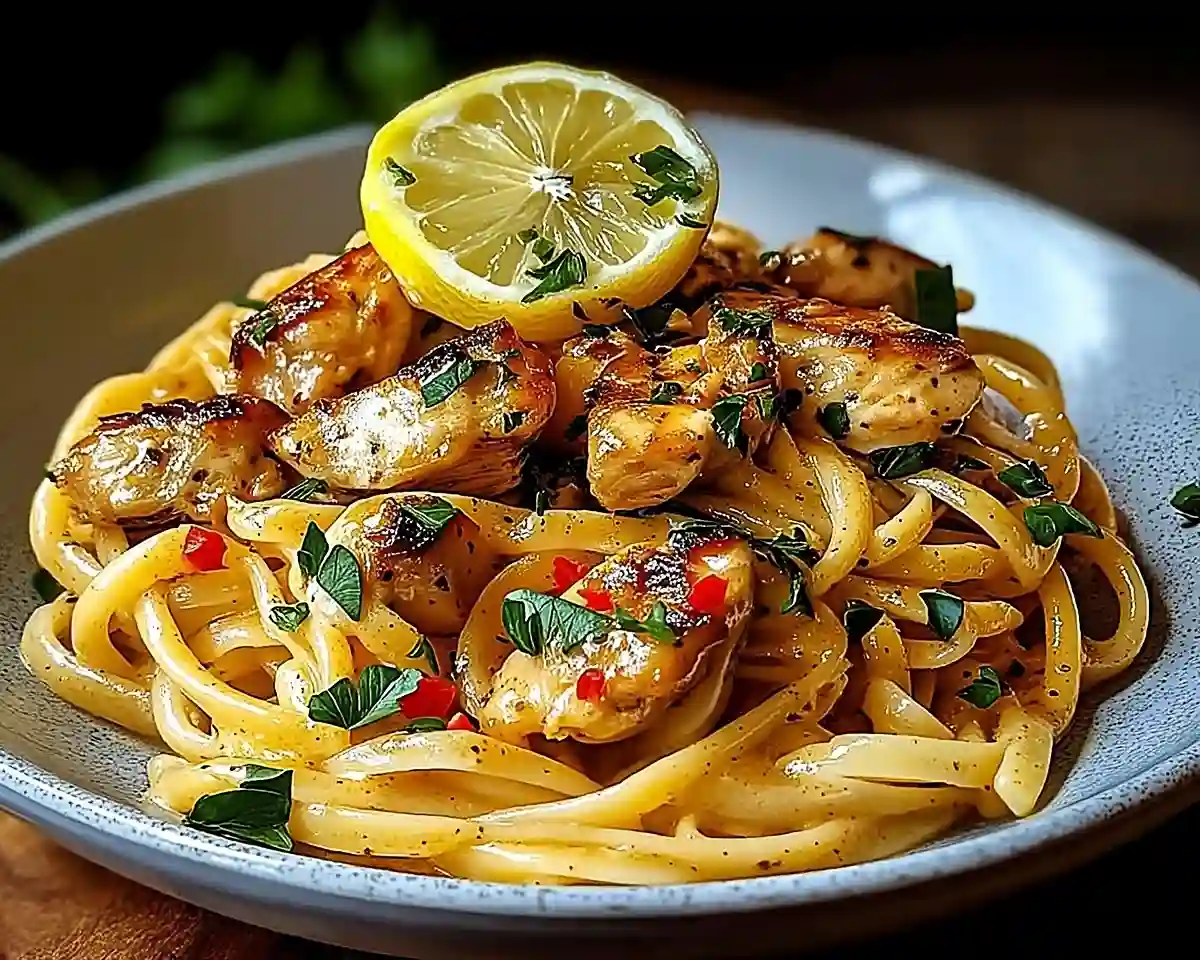
Easy Butter Chicken Linguine delivers bold garlic-butter flavors in 30 minutes. This easy filling dinner transforms weeknight pasta with creamy sauce perfection.
Hey, I’m Linda! Welcome to Tasty at Home, where bold flavors meet everyday kitchens.
Last Tuesday night, I stared at my fridge feeling utterly uninspired. Chicken breasts, butter, garlic—nothing exciting. Then I remembered a steakhouse trick: cowboy butter, that zesty compound butter loaded with herbs and tang. What if I turned it into a pasta sauce?
Man, oh man, the kitchen smelled like a five-star restaurant within minutes. The garlic sizzled, lemon zest perfumed the air, and that first bite? Pure magic. My kids actually asked for seconds before I could plate my own serving.
This Cowboy Butter Chicken Linguine became our Tuesday tradition. It’s bold, creamy, and shockingly simple—everything a weeknight pasta dinner should be. No fancy ingredients, no complicated techniques, just restaurant-quality flavor in your own kitchen.
Tasty at Home – Where bold flavors meet everyday kitchens.
Table of Contents
What Makes This Cowboy Chicken Pasta Special
This recipe transforms ordinary ingredients into something extraordinary. After testing this dish seventeen times (yes, seventeen), I’ve perfected the balance between rich cream and bright citrus.
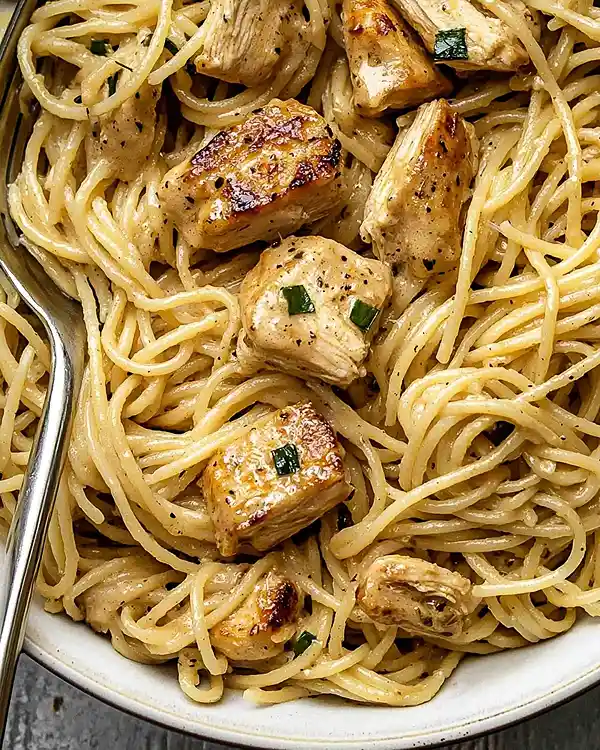
The secret lies in the cowboy butter base—a Texas steakhouse classic featuring garlic, paprika, and fresh herbs. Most pasta recipes rely on heavy cream alone, but this version builds layers of flavor first. You’re not just tossing pasta with sauce; you’re creating a sophisticated taste experience.
Traditional cowboy butter sits atop grilled steaks. Here, we melt it into a silky sauce that clings to every linguine strand. The result? A dish that tastes like you spent hours cooking, though it takes just thirty minutes from start to finish.
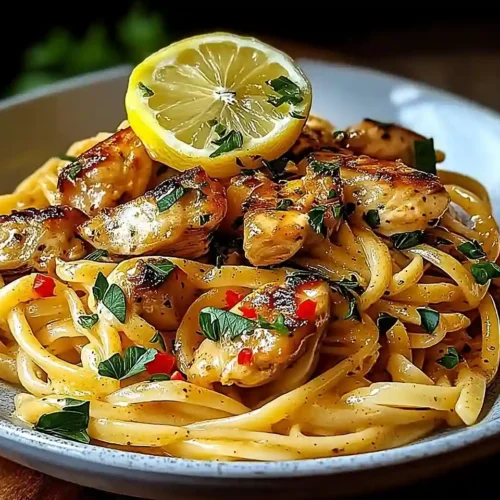
Cowboy Butter Chicken Linguine
Equipment
- Large Pot (6-8 quarts)
- Large Skillet or Sauté Pan (12-inch)
- Sharp knife
- Cutting board
- Measuring cups and spoons
- Microplane or zester
- Colander
Ingredients
Main Ingredients
- 1 pound Boneless, skinless chicken breasts Cut into bite-sized pieces
- 12 ounces Linguine pasta Or fettuccine
- 2 tablespoons Olive oil Extra virgin preferred
- 3 tablespoons Butter Unsalted recommended
- 4 cloves Garlic cloves Freshly minced
- 1 tablespoon Dijon mustard Adds tangy depth
- 1 teaspoon Paprika Smoked paprika optional
- ¼ teaspoon Red pepper flakes Optional for heat
- 2 tablespoons Lemon juice Fresh squeezed
- 1 teaspoon Lemon zest From 1 lemon
- ¼ cup Fresh parsley Chopped, plus extra for garnish
- ½ cup Chicken broth Or reserved pasta water
- 1 cup Heavy cream Full-fat only
- ½ cup Parmesan cheese Freshly grated
- Salt and black pepper To taste
Instructions
- Cook linguine in salted boiling water until al dente, reserving 1/2 cup pasta water, then drain.
- Pat chicken dry, season, and brown in olive oil in a skillet over medium-high heat. Cook until internal temperature reaches 165°F. Remove and tent with foil.
- Melt butter in the same skillet, add garlic, paprika, and red pepper flakes. Sauté 1 minute.
- Stir in Dijon mustard, lemon juice, lemon zest, and chicken broth. Simmer 2 minutes.
- Add heavy cream and half of chopped parsley, stir and cook 2 minutes until sauce thickens slightly.
- Return chicken and pasta to skillet, add parmesan, and toss until combined. Add reserved pasta water as needed to achieve silky sauce consistency.
- Taste and adjust seasoning. Garnish with remaining parsley and extra parmesan. Serve immediately.
Notes
Ingredient Quality Guide
For best results, select chicken breasts that are uniform in thickness for even cooking. Fresh garlic cloves deliver far more punch than pre-minced versions, and real parmesan cheese (not the shelf-stable kind) melts smoothly into your sauce. Quality ingredients elevate this easy filling dinner from good to unforgettable.
Choose linguine over spaghetti—its flat shape catches more sauce. Fresh lemon juice and zest add brightness that bottled versions can’t match. For the heavy cream, avoid ultra-pasteurized if possible; regular pasteurized cream creates a silkier texture.
Complete Ingredient List
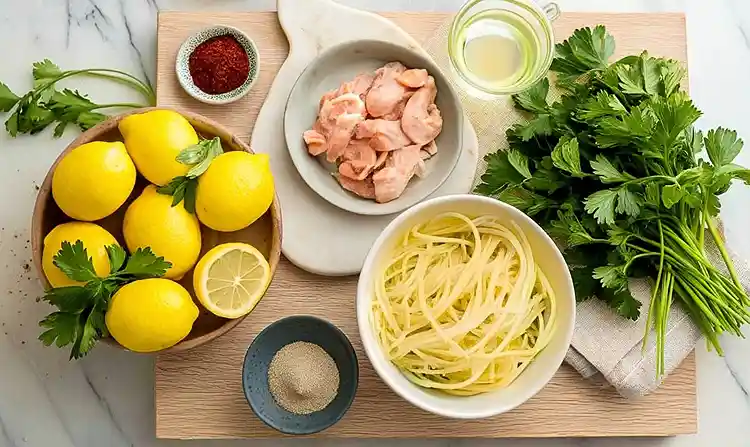
| Ingredient | US Measurement | Metric | Notes |
|---|---|---|---|
| Boneless, skinless chicken breasts | 1 pound | 450g | Cut into bite-sized pieces |
| Linguine pasta | 12 ounces | 340g | Or fettuccine |
| Olive oil | 2 tablespoons | 30ml | Extra virgin preferred |
| Butter | 3 tablespoons | 42g | Unsalted recommended |
| Garlic cloves | 4 cloves | 4 cloves | Freshly minced |
| Dijon mustard | 1 tablespoon | 15ml | Adds tangy depth |
| Paprika | 1 teaspoon | 5ml | Smoked paprika optional |
| Red pepper flakes | ¼ teaspoon | 1.25ml | Optional for heat |
| Lemon juice | 2 tablespoons | 30ml | Fresh squeezed |
| Lemon zest | 1 teaspoon | 5ml | From 1 lemon |
| Fresh parsley | ¼ cup | 15g | Chopped, plus extra |
| Chicken broth | ½ cup | 120ml | Or reserved pasta water |
| Heavy cream | 1 cup | 240ml | Full-fat only |
| Parmesan cheese | ½ cup | 50g | Freshly grated |
| Salt and black pepper | To taste | To taste | Adjust as needed |
Shopping Tips for US Grocery Stores
Find chicken breasts in the meat department, preferably organic or free-range for better flavor. Most stores stock linguine in the pasta aisle—look for bronze-cut varieties for superior sauce adhesion. Fresh parsley lives in the produce section near other herbs.
Grab parmesan from the deli counter rather than pre-grated packages. The cheese specialist can grate it fresh for you, or buy a wedge and grate it yourself. Heavy cream sits in the dairy case near milk—avoid “heavy whipping cream” labeled ultra-pasteurized.
Essential Ingredients vs. Bold Add-Ins
Essential Base:
- Linguine forms your foundation
- Chicken provides protein
- Butter and cream create richness
- Garlic and lemon deliver signature cowboy butter flavor
Bold Add-Ins for Variation:
- Sun-dried tomatoes add Mediterranean flair
- Crispy bacon brings smokiness
- Fresh spinach boosts nutrition
- Capers introduce briny complexity
- White wine replaces some broth for sophistication
International Substitutions
Can’t find heavy cream? Mix ¾ cup whole milk with ¼ cup melted butter. No Dijon mustard? Yellow mustard works, though use half the amount. Substitute crème fraîche for heavy cream in European markets. Asian grocery stores often carry excellent parmesan alternatives like aged Gouda.
Equipment You’ll Need
Large Pot (6-8 quarts): This boils your pasta with room to move. A wider pot cooks pasta more evenly than a tall, narrow one. No large pot? Cook pasta in batches, though this adds time.
Large Skillet or Sauté Pan (12-inch): Everything comes together here. Cast iron holds heat beautifully, while stainless steel lets you see browning. Nonstick works but won’t develop fond (those flavorful browned bits). Thomas Keller insists on stainless for proper fond development.
Sharp Knife and Cutting Board: You’ll cube chicken and mince garlic. A sharp chef’s knife makes this safe and quick.
Measuring Cups and Spoons: Precise measurements ensure consistent results every time you make this weeknight pasta dinner.
Microplane or Zester: Essential for lemon zest—those oils contain incredible flavor. A box grater’s large holes won’t capture the same intensity.
Colander: Drains pasta while preserving that precious pasta water. Place a measuring cup in your sink before draining to catch some for sauce adjustment.
Butter Chicken Linguine Cooking Instructions
Step 1: Cook Your Linguine to Perfect Al Dente
Fill your large pot three-quarters full with water and add 2 tablespoons salt. Bring to a rolling boil over high heat—this takes about 10 minutes.
Add linguine and stir immediately to prevent sticking. Set a timer for 2 minutes less than package directions suggest. You want al dente pasta with a slight bite, as it’ll finish cooking in the sauce.
Before draining, scoop out ½ cup pasta water using a measuring cup. This starchy liquid is liquid gold for adjusting sauce consistency later. Drain pasta in your colander but don’t rinse—those surface starches help sauce cling.
Step 2: Brown the Chicken for Maximum Flavor
While pasta cooks, cut chicken breasts into 1-inch cubes for faster, more even cooking. Pat them completely dry with paper towels—moisture prevents proper browning.
Heat olive oil in your large skillet over medium-high heat until it shimmers. Season chicken generously with salt and black pepper on all sides.
Add chicken in a single layer without crowding. Oops! I once crammed too many pieces in, and they steamed instead of browning. Cook undisturbed for 3-4 minutes until golden underneath. Flip and cook another 3 minutes until cooked through (internal temperature of 165°F).
Transfer chicken to a plate and tent with foil. Don’t wipe the skillet—those browned bits add tremendous flavor to your cowboy butter sauce.
Step 3: Build Your Cowboy Butter Base
Reduce heat to medium and add butter to the same skillet. Let it melt completely, swirling to coat the pan bottom.
Add minced garlic, paprika, and red pepper flakes. Sauté for exactly 1 minute, stirring constantly. You’ll smell that incredible aroma when garlic releases its oils. Watch carefully—burnt garlic turns bitter and ruins everything.
The paprika will bloom in the butter, releasing smoky-sweet notes. This technique, favored by Julia Child for her famous chicken dishes, builds foundation flavors that permeate the entire dish.
Step 4: Add the Flavor Components
Stir in Dijon mustard, lemon juice, lemon zest, and chicken broth. Use a wooden spoon to scrape up all those browned bits stuck to the pan bottom—that’s pure flavor.
Let the mixture simmer gently for 2 minutes. The acid from lemon juice will brighten while mustard adds subtle tang. You’ll see the liquid reduce slightly and thicken.
This deglazing step is crucial. Those caramelized proteins and sugars contain concentrated meaty flavors that would otherwise go to waste. Professional chefs never skip this step.
Step 5: Create Your Creamy Sauce
Pour heavy cream into the skillet along with half your chopped parsley. Stir gently to combine everything into a unified sauce.
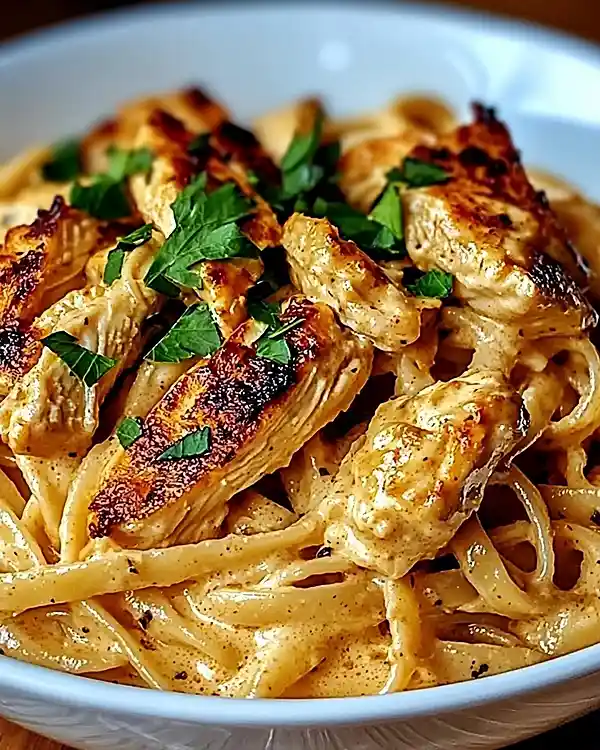
Cook for 2 minutes over medium heat, stirring occasionally. The sauce will thicken slightly and turn pale yellow from the lemon and butter. Don’t let it boil vigorously or the cream might separate.
Well, you want a consistency like melted ice cream—thick enough to coat a spoon but still pourable. If it seems too thick, splash in a bit of that reserved pasta water.
Step 6: Combine Everything Into Pasta Perfection
Return cooked chicken to the skillet along with drained linguine and grated parmesan cheese. Using tongs, toss everything together for 1-2 minutes.
The pasta will absorb sauce as you toss. Add reserved pasta water 2 tablespoons at a time if the sauce seems dry. You’re aiming for a silky coating that clings to every strand.
Keep tossing until parmesan melts completely and everything looks glossy. The pasta water’s starch helps emulsify the sauce, preventing it from breaking or looking oily.
Step 7: Final Touches and Plating
Taste and adjust seasoning with additional salt and black pepper. Remember, parmesan adds saltiness, so wait until the end to judge.
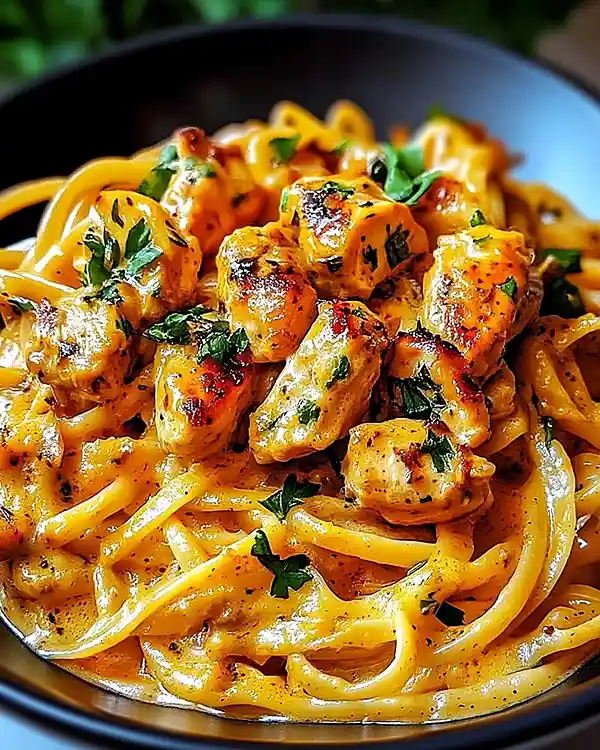
Garnish with remaining fresh parsley and extra parmesan cheese. Serve immediately while the sauce is hot and creamy—it thickens as it cools.
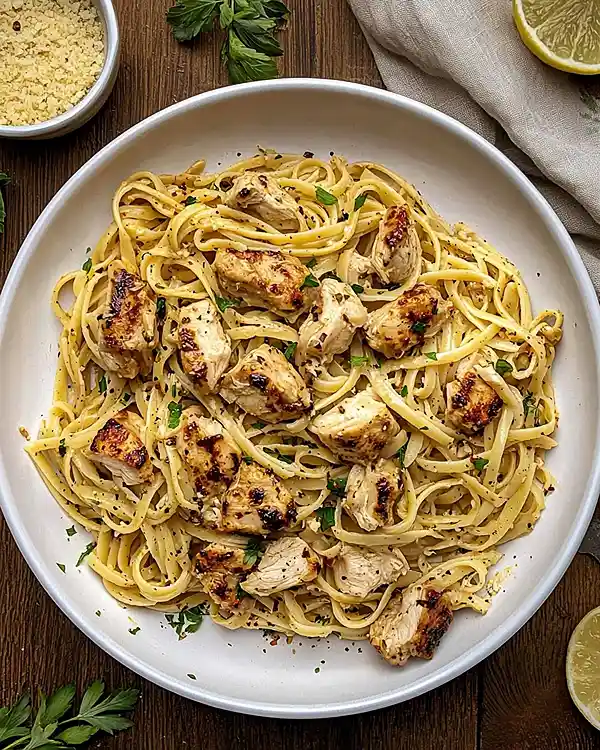
For restaurant presentation, use tongs to twirl pasta into neat nests on each plate. Place chicken pieces on top and drizzle any remaining sauce over everything. That glossy, herb-flecked sauce should make you weak in the knees.
Expert Tips for Restaurant-Quality Results
Pasta Water Is Your Secret Weapon: Never dump all your pasta water down the drain. That starchy liquid adjusts sauce consistency better than plain water or broth. Add it gradually—you can always add more but can’t remove it.
Pound Chicken for Even Cooking: If your chicken breasts are thick, pound them to even thickness before cutting. This prevents thin pieces from overcooking while thick sections stay raw. Place chicken between plastic wrap and use a meat mallet or heavy pan.
Toast Your Paprika: Letting paprika bloom in hot butter for that full minute isn’t optional—it’s essential. Raw paprika tastes flat and chalky, but toasted paprika releases oils that smell like campfire smoke and roasted peppers. This thirty-second trick separates amateur cooking from professional results.
Don’t Skimp on Fresh Herbs: Dried parsley can’t match the bright, grassy flavor of fresh. Add half during cooking for infused flavor and half at the end for visual appeal and fresh taste. Chop parsley just before using—it oxidizes quickly once cut.
Control Your Heat: Medium-high heat browns chicken perfectly, but drop to medium when making sauce. High heat can cause cream to break or garlic to burn. Temperature control is the difference between silky sauce and grainy disappointment.
Reserve Extra Parmesan: Grate more cheese than the recipe calls for. Some people love extra cheese on top, and it’s easier to grate it all at once. Store extra in an airtight container in the fridge for up to a week.
Creative Variations to Try
Cajun Cowboy Butter Linguine
Replace paprika with Cajun seasoning and add diced bell peppers with the garlic. Increase red pepper flakes to ½ teaspoon for authentic Louisiana heat. This transforms your easy filling dinner into a spicy Southern feast.
Toss in sliced andouille sausage alongside chicken for smoky depth. The sausage fat adds richness while the spices create layers of complexity. Finish with sliced green onions instead of parsley for an authentic bayou touch.
Mediterranean Twist
Add ½ cup sun-dried tomatoes (oil-packed, drained) and ¼ cup sliced Kalamata olives when you return the chicken. Substitute fresh basil for parsley and add a pinch of dried oregano. The briny, tangy elements complement the creamy sauce beautifully.
Crumbled feta cheese makes an excellent alternative to parmesan. Its sharp, salty flavor cuts through richness while adding Mediterranean authenticity. You know what? This version reminds me of a seaside taverna in Greece.
Lighter Version
Use half-and-half instead of heavy cream to reduce calories without sacrificing too much richness. Add 2 cups fresh spinach during the last minute of cooking—it wilts perfectly and adds nutrients. Replace half the butter with additional olive oil.
Turkey breast works beautifully in place of chicken. It’s leaner but still absorbs the cowboy butter flavors. For an even lighter option, use whole wheat linguine and add extra vegetables like zucchini or cherry tomatoes.
Bacon Lover’s Edition
Cook 4 strips of bacon until crispy, then use the rendered fat instead of olive oil for browning chicken. Crumble bacon and add it back with the parmesan. The smokiness intensifies the cowboy theme while adding textural contrast.
Let me tell you, this version disappeared so fast at my Fourth of July cookout that I had to make a second batch. The combination of bacon fat, butter, and cream creates an indulgent sauce that feels downright patriotic.
Seafood Swap
Replace chicken with 1 pound large shrimp (peeled and deveined). Cook shrimp for just 2-3 minutes per side—they’re done when pink and opaque. Add ½ cup white wine when deglazing for elegant seafood flavor.
Fresh crab meat folded in at the end creates a luxurious special occasion dish. Scallops also work wonderfully, though they’re pricier. This seafood variation turns weeknight pasta into date night worthy cuisine.
Storage, Make-Ahead, and Reheating Guide
Storage Instructions
Transfer cooled pasta to an airtight container and refrigerate within 2 hours of cooking. Properly stored, this cowboy chicken pasta stays fresh for 3-4 days. The sauce will thicken in the fridge—that’s completely normal.
Don’t leave pasta at room temperature for more than 2 hours. Cream-based sauces can develop bacteria quickly, especially in warm kitchens. When in doubt, refrigerate it immediately after dinner.
Freezing Guidelines
Freeze in individual portions using freezer-safe containers or heavy-duty freezer bags. Remove as much air as possible to prevent freezer burn. Label containers with the date—frozen pasta lasts up to 2 months.
The texture changes slightly after freezing because cream separates somewhat. It’s still delicious and safe to eat, just not quite as silky as fresh. Thaw overnight in the refrigerator before reheating.
Reheating Methods
Stovetop (Best Method): Add pasta to a skillet with 2-3 tablespoons milk, cream, or chicken broth. Heat over medium-low, stirring frequently until warmed through (about 5 minutes). This restores creaminess better than any other method.
Microwave (Quickest): Place pasta in a microwave-safe dish and add 1-2 tablespoons liquid. Cover with a damp paper towel and heat in 1-minute intervals, stirring between each. This prevents edges from drying out while the center stays cold.
Oven (Large Portions): Preheat to 350°F and transfer pasta to an oven-safe dish. Add ¼ cup cream or broth, cover tightly with foil, and bake for 20 minutes until heated through. Stir halfway for even warming.
Storage Times Reference Table
| Storage Method | Duration | Best Use |
|---|---|---|
| Refrigerator (cooked) | 3-4 days | Weeknight leftovers |
| Freezer (cooked) | Up to 2 months | Batch cooking |
| Room temperature | Maximum 2 hours | Serving time only |
| Reheated leftovers | Use same day | Don’t refreeze |
Make-Ahead Strategy
Prep ingredients the night before by cutting chicken, mincing garlic, and measuring spices. Store everything in separate containers in the fridge. This cuts active cooking time to just 20 minutes.
You can also make the sauce ahead without pasta or cheese. Refrigerate sauce for up to 2 days, then reheat and toss with freshly cooked pasta and cheese. This method ensures the best texture while saving time.
Perfect Pairings and Serving Suggestions
Side Dishes That Complement
Garlic Bread: Crusty Italian bread slathered with garlic butter soaks up every drop of sauce. Toast it under the broiler for 2-3 minutes until golden and fragrant. Check out our in-depth guide to perfect garlic bread techniques for professional results.
Simple Green Salad: Crisp romaine or mixed greens with lemon vinaigrette cuts through the rich cream sauce. Add shaved parmesan and pine nuts for Italian restaurant vibes. The acidity balances the buttery pasta perfectly.
Roasted Vegetables: Asparagus, broccoli, or green beans roasted with olive oil and salt provide textural contrast. The slightly charred edges add a smoky note that echoes the paprika in your cowboy butter. Roast at 425°F for 15-20 minutes.
Beverage Pairings
White Wine: A crisp Pinot Grigio or Sauvignon Blanc cuts through cream while complementing lemon notes. The wine’s acidity refreshes your palate between bites. Serve chilled in stemless glasses for casual elegance.
Sparkling Water: San Pellegrino or similar sparkling water with a lemon wedge keeps things light. The bubbles cleanse your palate without overwhelming the delicate cowboy butter flavors. It’s my go-to for weeknight dinners.
Light Beer: A pilsner or wheat beer pairs surprisingly well with creamy pasta. The carbonation and subtle bitterness balance richness. This combination feels very American backyard cookout.
Complete Menu Suggestions
For a full Italian-American feast, start with this Cowboy Butter Chicken Linguine as your main. Serve it alongside our classic one-pan chicken with buttered noodles for variety at large gatherings.
Round out the meal with our hearty ground beef and potatoes casserole for a satisfying spread. For lighter appetites, pair with a simple Caesar salad and breadsticks.
During holiday season, this pasta works beautifully as a first course before turkey. Speaking of turkey, our turkey carcass soup and turkey pot pie make excellent use of Thanksgiving leftovers.
Butter Chicken Linguine FAQs
Can I use a different type of pasta for Cowboy Butter Chicken Linguine?
Can I use a different type of pasta for Cowboy Butter Chicken Linguine? Absolutely! Fettuccine, pappardelle, or even penne work wonderfully with this creamy cowboy butter sauce. Choose pasta shapes with surface area that catches sauce—ridged or flat varieties perform best. Cook times may vary slightly depending on pasta thickness.
What makes cowboy butter different from regular compound butter?
What makes cowboy butter different from regular compound butter? Cowboy butter specifically combines garlic, fresh herbs, Dijon mustard, lemon, and spices in a bold flavor profile. Traditional compound butters might use single herbs or simpler seasonings, while cowboy butter packs multiple flavors into one zesty mixture. The mustard and lemon set it apart from basic herb butters.
How can I prevent my cream sauce from breaking or separating?
How can I prevent my cream sauce from breaking or separating? Keep heat at medium or lower once you add cream—high heat causes separation. Stir gently rather than vigorously, and add cream after removing the pan from direct heat if you’re nervous. Using full-fat heavy cream instead of light versions also helps maintain stable emulsification.
Can I make Cowboy Butter Chicken Linguine ahead for meal prep?
Can I make Cowboy Butter Chicken Linguine ahead for meal prep? Yes, though texture is best when fresh. Cook the recipe fully, let it cool, then portion into containers for 3-4 days of meals. Reheat with a splash of cream or broth to restore silkiness. For best results, slightly undercook pasta initially since it absorbs liquid during storage.
What’s the best way to get more sauce on my weeknight pasta dinner?
What’s the best way to get more sauce on my weeknight pasta dinner? Double the butter, cream, and broth while keeping other ingredients the same. Don’t drain pasta too thoroughly—that reserved pasta water helps extend sauce. Toss pasta in the skillet longer to let noodles absorb maximum sauce before serving.
Nutrition and Dietary Considerations
This Cowboy Butter Chicken Linguine delivers approximately 680 calories per serving when divided into four portions. The dish provides substantial protein from chicken (about 35 grams per serving) and carbohydrates from pasta for sustained energy.
Heavy cream and butter contribute richness and fat-soluble vitamins A and D. Parmesan adds calcium and additional protein. Fresh parsley and lemon provide vitamin C and antioxidants.
Dietary Modifications
Gluten-Free: Substitute your favorite gluten-free pasta—brands like Barilla and Jovial work excellently. Cook according to package directions as gluten-free pasta often requires different timing. Everything else in the recipe is naturally gluten-free.
Dairy-Free: Use coconut cream instead of heavy cream for similar richness. Replace butter with vegan butter or additional olive oil. Nutritional yeast provides cheesy flavor without dairy, though it won’t melt like parmesan.
Low-Carb/Keto: Replace linguine with spiralized zucchini noodles or shirataki noodles. Add them during the last 2 minutes of cooking just to warm through. The sauce works perfectly over vegetable noodles for an easy filling dinner under 15g net carbs.
Troubleshooting Common Issues
My sauce is too thick
Thick sauce usually means too much evaporation during cooking. Stir in reserved pasta water, chicken broth, or cream 1 tablespoon at a time until you reach desired consistency. Warm the liquid first so it doesn’t cool your sauce.
The pasta seems dry and clumpy
Dry pasta happens when sauce over-reduces or pasta sits too long before serving. Always reserve extra pasta water for last-minute adjustments. If reheating leftovers, add liquid generously—pasta continues absorbing moisture even after cooking.
My chicken turned out tough and rubbery
Overcooked chicken becomes tough—cook just until it reaches 165°F internal temperature. Using medium-high heat instead of high heat prevents outside from overcooking before inside finishes. Let chicken rest 3 minutes before slicing to retain juices.
The garlic tastes burnt and bitter
Burnt garlic ruins dishes instantly—watch your heat and timing carefully. Add garlic after reducing heat from chicken cooking. Stir constantly during that 1-minute sauté, and pull the pan off heat if garlic browns too quickly.
Sauce looks separated or oily
Separated sauce comes from heat that’s too high or vigorous stirring. Use gentle heat and patience when adding cream. If it happens, whisk in a tablespoon of cold cream off heat—this sometimes brings it back together.
Final Thoughts
This Cowboy Butter Chicken Linguine transformed my weeknight dinner routine completely. What started as a desperate fridge raid became our family’s most-requested meal.
The beauty lies in its simplicity—no exotic ingredients, no complicated techniques, just bold flavors and smart cooking. You’re building restaurant-quality taste with ingredients from any grocery store.
Make this tonight and watch your family’s reactions. That first bite, when creamy sauce coats tender chicken and perfectly cooked pasta, feels like victory. It’s comfort food elevated to something special without requiring advanced skills.
Try this recipe and share your results in the comments below! Did you add bacon? Swap in shrimp? Use a different pasta shape? I’d love to hear how you made this cowboy chicken pasta your own.
Pair it with a crisp white wine and garlic bread for the ultimate easy filling dinner. Your kitchen will smell incredible, your family will be impressed, and you’ll have dinner on the table in thirty minutes flat.
That’s the Tasty at Home promise—bold flavors that bring people together, no stress required. Now grab those ingredients and let’s cook something amazing!
