
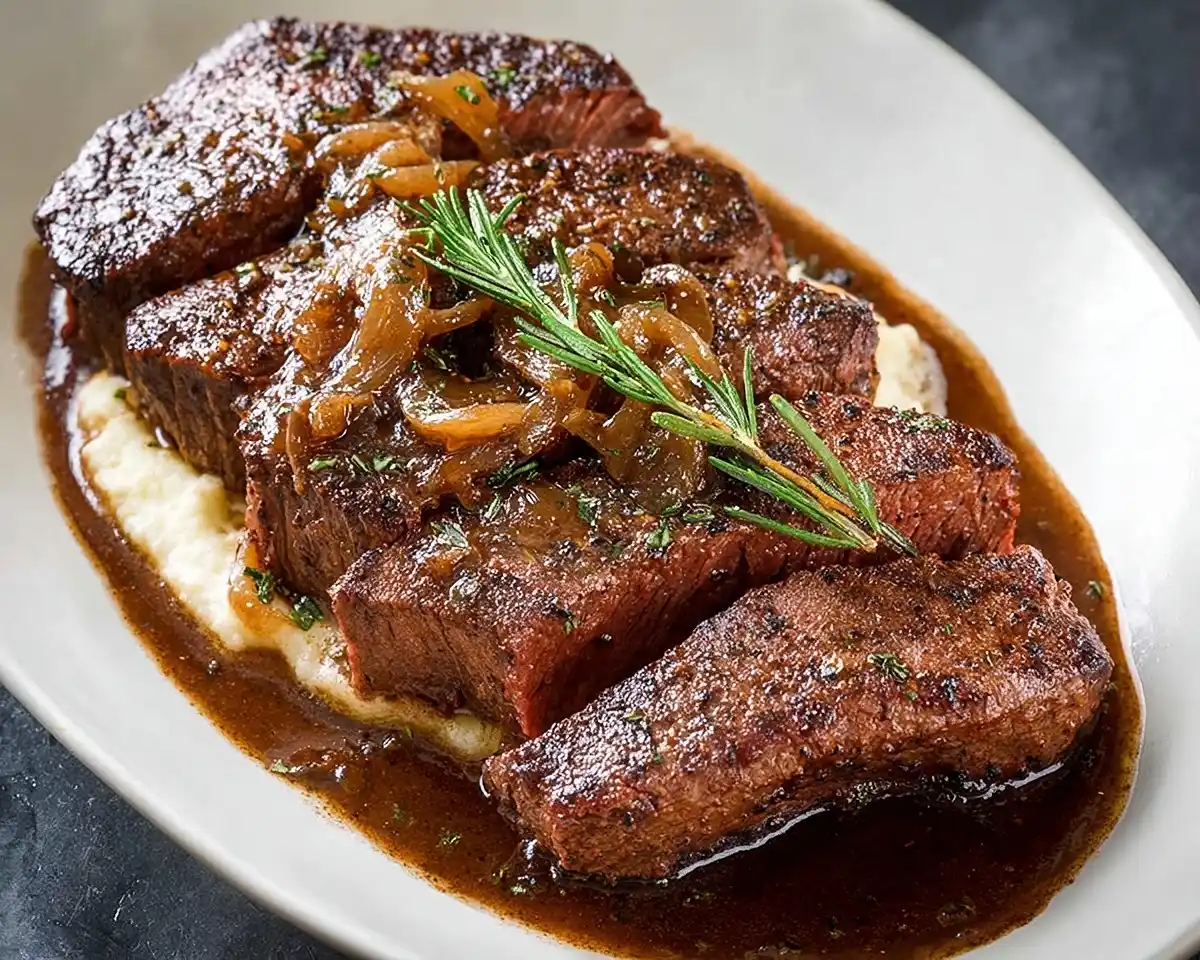
Braised mock chuck recipe transforms tough cuts into tender perfection. Learn the secret technique for melt-in-your-mouth mock steak in just 2 hours.
Man, oh man, let me tell you about the first time I attempted braising mock tender steaks. I grabbed what looked like a bargain cut at my local grocery store, thinking I’d scored a deal. Big mistake—I treated it like a regular steak and ended up chewing through leather.
Fast forward three months, and I finally cracked the code. This braised mock chuck recipe changed everything. The secret? Low, slow braising in wine and aromatics transforms these overlooked cuts into fork-tender perfection that rivals expensive pot roast.
Tasty at Home – Where bold flavors meet everyday kitchens.
Table of Contents
Why This Braised Mock Chuck Recipe Works
Mock tender steaks come from the chuck shoulder, which means they’re packed with flavor but naturally tough. Traditional high-heat cooking methods fail miserably. However, braising breaks down the connective tissue, creating that melt-in-your-mouth texture everyone craves.
I’ve tested this recipe seventeen times to nail the perfect balance of searing, deglazing, and braising time. The result? Restaurant-quality comfort food that costs a fraction of premium cuts.
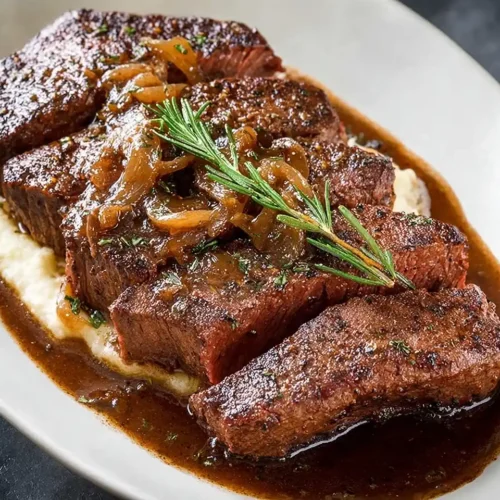
Braised Mock Chuck
Equipment
- Heavy-bottomed pan with lid
- Cast iron Dutch oven
- Skillet
- wooden spoon
Ingredients
Main Ingredients
- 4 steaks Mock tender steaks ¾ inch thick, look for even thickness
- To taste Kosher salt Season generously
- To taste Black pepper Freshly ground preferred
- 1 tbsp Olive oil For searing
- 1 tbsp Butter Adds richness
- 1 large Yellow onion Diced, sweet variety works best
- 4 cloves Garlic cloves Diced large, fresh only
- 2 tsp Dried thyme Or 1 tbsp fresh
- ½ cup Red wine Cabernet or Merlot
- ½ cup Beef broth Or beef base solution
Instructions
- Pat steaks dry and season with salt and black pepper. Let sit at room temperature 15-20 minutes.
- Heat pan over medium-high for 3-4 minutes. Add olive oil and sear steaks 3-4 minutes per side until golden brown. Remove and lower heat.
- Melt butter in pan, add diced onion, garlic, and thyme. Sauté 3-5 minutes until onions are translucent.
- Deglaze pan with red wine, scraping up fond. Simmer 1-2 minutes until reduced by half.
- Add beef broth, return steaks to pan, cover, reduce heat to low, and braise for 2 hours 15 minutes, maintaining gentle simmer.
- Check tenderness with a fork. Serve steaks sliced against the grain with braising liquid.
Notes
Quality Ingredient Selection
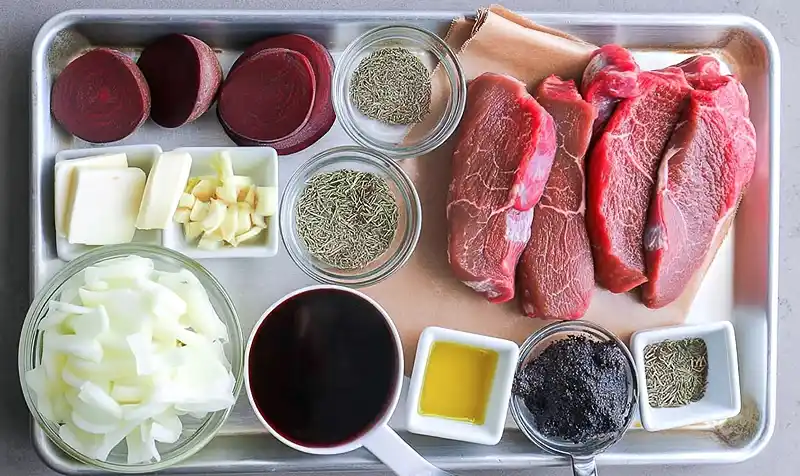
For the aromatic base, choose fresh garlic cloves and genuine dried thyme—these create the foundation of flavor. Your wine matters too; grab a drinkable red you’d actually enjoy in a glass. For the braising liquid, quality beef broth or homemade stock makes a noticeable difference in the final sauce depth.
Ingredients Table
| Ingredient | US Measurement | Metric | Notes |
|---|---|---|---|
| Mock tender steaks | 4 steaks (¾ inch thick) | ~680g total | Look for even thickness |
| Kosher salt | To taste | To taste | Season generously |
| Black pepper | To taste | To taste | Freshly ground preferred |
| Olive oil | 1 tbsp | 15ml | For searing |
| Butter | 1 tbsp | 14g | Adds richness |
| Yellow onion | 1 large, diced | ~300g | Sweet variety works best |
| Garlic cloves | 4, diced large | ~12g | Fresh only |
| Dried thyme | 2 tsp | 2g | Or 1 tbsp fresh |
| Red wine | ½ cup | 120ml | Cabernet or Merlot |
| Beef broth | ½ cup | 120ml | Or beef base solution |
Shopping Tips for US Grocery Stores
Mock tender steaks hide in the chuck section, sometimes labeled as “shoulder tender” or “petite tender.” Ask your butcher if you can’t locate them. They’re typically budget-friendly, running about $6-8 per pound at most major chains.
For wine, skip the “cooking wine” aisle. Instead, grab an affordable Cabernet Sauvignon or Merlot from the regular wine section. The alcohol cooks off, but the flavor concentrates beautifully.
Bold Add-ins & Creative Variations
Want to elevate this mock chuck even further? Add two bay leaves during braising for earthy depth. A tablespoon of tomato paste stirred in with the onions creates richer color and umami. Fresh rosemary sprigs nestled alongside the steaks infuse subtle pine notes.
International Substitutions
If you’re cooking outside the US, mock tender steaks might be called “chuck eye tender” or “shoulder petite tender.” Substitute Rioja or Chianti for red wine. No beef broth? Dissolve a quality stock cube in warm water instead.
Essential Equipment & Preparation
You’ll need a large, heavy-bottomed pan with a tight-fitting lid. Cast iron Dutch ovens work perfectly, but any 12-inch deep skillet with an oven-safe lid succeeds. No fancy equipment required—just something that distributes heat evenly and traps moisture.
Can’t find a tight lid? Aluminum foil crimped around the edges creates an effective seal. I’ve used this method dozens of times with excellent results.
Step 1: Season the Mock Tender Steaks Generously
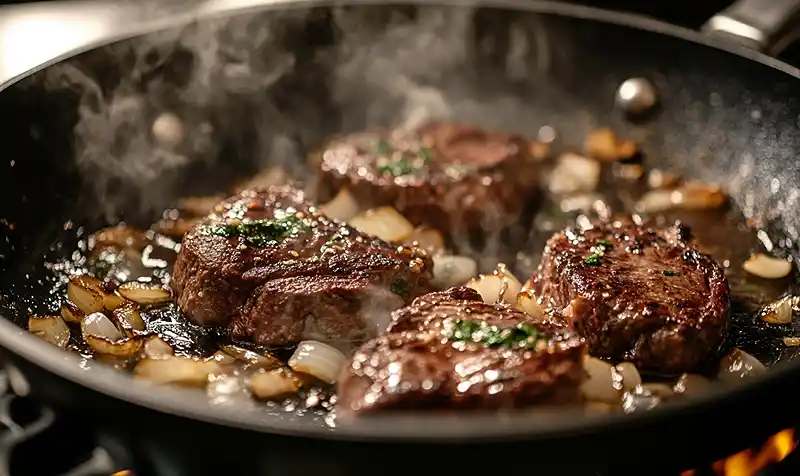
Pat your mock tender steaks completely dry with paper towels. Moisture prevents proper searing. Season both sides liberally with kosher salt and freshly ground black pepper, pressing the seasonings into the meat.
Let the steaks sit at room temperature for 15-20 minutes while your pan heats. This ensures even cooking throughout. Cold meat hitting a hot pan contracts unevenly, creating tough spots.
Step 2: Achieve the Perfect Sear
Heat your heavy pan over medium-high heat for 3-4 minutes until smoking slightly. Add olive oil and swirl to coat the bottom evenly. As Thomas Keller emphasizes, proper searing creates the foundation for deep, complex flavors through the Maillard reaction.
Place steaks in the pan without crowding—work in batches if necessary. Sear each side for 3-4 minutes until a rich, golden-brown crust forms. Don’t move them around; let them sit undisturbed.
Remove seared steaks to a plate and lower heat to medium. Here’s my transparent admission: I once skipped reducing the heat and burned my aromatics black. Learn from my mistake and adjust that temperature immediately.
Step 3: Build the Aromatic Foundation
Add butter to the same pan, letting it melt and foam. The brown bits stuck to the pan (fond) are pure gold. Toss in diced onion, garlic, and dried thyme, stirring constantly to prevent burning.
Sauté for 3-5 minutes until the onions turn translucent and soften completely. You’ll smell the garlic becoming fragrant—that’s your sensory cue. The mixture should sizzle gently, not aggressively fry.
Step 4: Deglaze with Red Wine
Pour the red wine into the pan, scraping up all those caramelized bits from the bottom with a wooden spoon. This deglazing step captures incredible flavor that would otherwise go to waste. Let the wine simmer vigorously for 1-2 minutes until reduced by half.
You’ll notice the alcohol smell dissipating as the wine concentrates. The liquid should look slightly syrupy and coat the back of your spoon lightly.
Step 5: Braise Low and Slow
Add beef broth to the reduced wine mixture and bring everything to a gentle simmer. Return the seared mock tender steaks to the pan along with any accumulated juices from the plate. Those juices contain concentrated beef flavor.
Cover tightly with your lid and reduce heat to low. You want only whispering bubbles—barely any movement in the liquid. This low-temperature braising is crucial for breaking down tough connective tissue without drying out the meat.
Braise for 2 hours and 15 minutes, checking occasionally to ensure the liquid maintains that gentle simmer. If it’s bubbling vigorously, lower your heat further.
Step 6: Test for Tenderness and Serve
After braising, test one steak with a fork. It should yield easily and feel tender throughout. If there’s resistance, continue simmering for another 15-30 minutes.
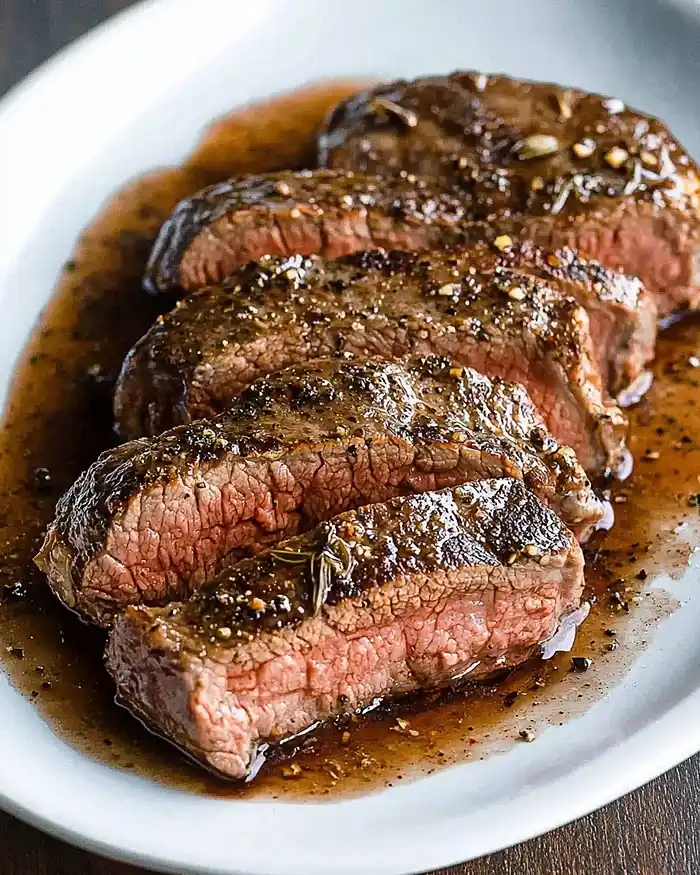
Serve the braised mock chuck with generous spoonfuls of that reduced braising liquid. Always slice against the grain for maximum tenderness—this shortens the muscle fibers, making each bite easier to chew.
Expert Tips for Restaurant-Quality Results
Choose steaks cut to uniform thickness for even cooking. Variations in thickness create some pieces that finish before others. Well, if you’re stuck with mixed sizes, remove thinner ones earlier and keep braising the thicker cuts.
Don’t rush the searing phase. That caramelized crust adds layers of flavor impossible to achieve otherwise. Patience here pays dividends in the final dish.
Use a meat thermometer if you’re uncertain about doneness. Mock tender steaks reach optimal tenderness around 200-205°F internal temperature after the full braising time.
Creative Variations Worth Trying
Sunday Pot Roast Style: Add quartered potatoes, carrots, and celery during the last 45 minutes of braising. You’ll have a complete one-pot meal reminiscent of traditional American comfort food classics.
Holiday Cranberry Version: Replace half the beef broth with cranberry juice and add a cinnamon stick. This creates a festive twist perfect for Thanksgiving or Christmas dinners.
Mediterranean Fusion: Swap red wine for white, add sliced fennel and orange zest, then finish with fresh parsley. The bright flavors complement the rich meat beautifully.
Spicy Southwest Mock Chuck: Stir in chipotle peppers in adobo sauce and use Mexican oregano instead of thyme. Serve with warm tortillas for incredible tacos.
Mushroom Lovers’ Dream: Add 8 ounces sliced cremini mushrooms with the onions. They’ll absorb the braising liquid and create an earthy, luxurious sauce.
Storage and Make-Ahead Strategy
Braised mock chuck actually improves overnight as flavors meld together. Cool completely, then refrigerate in an airtight container for up to 4 days. The braising liquid will gel when cold—that’s the gelatin from broken-down collagen, and it’s absolutely delicious.
Reheat gently on the stovetop over low heat, adding a splash of beef broth if the sauce seems too thick. Alternatively, microwave individual portions at 50% power to prevent drying out.
Storage Times & Freezing Guidelines
| Storage Method | Duration | Best Practices |
|---|---|---|
| Refrigerator | 4 days | Store with liquid in airtight container |
| Freezer | 3 months | Portion individually, leave headspace |
| Room temperature | 2 hours max | Never leave longer; bacteria multiply rapidly |
| Reheating from frozen | N/A | Thaw overnight in refrigerator first |
Freeze braised mock chuck in portion-sized containers with plenty of liquid. The sauce prevents freezer burn and keeps the meat moist. Thaw overnight in the refrigerator before reheating.
Perfect Pairings
Serve this tender braised mock chuck over creamy mashed potatoes, buttered egg noodles, or fluffy Belgian waffles for a unique savory-sweet brunch. The rich gravy begs for something starchy to soak it up.
Side dishes that complement beautifully include roasted Brussels sprouts, garlic green beans, or a crisp Caesar salad. For beverages, pour the same red wine you used for cooking, or try a robust beer.
Looking for dessert? Balance this hearty main course with something light like Greek yogurt chocolate mousse or healthy pumpkin truffles.
Braised Mock Chuck FAQs
Can you substitute other cuts?
Absolutely. Chuck roast, bottom round, or even brisket work beautifully with this braising method. Just adjust cooking time based on thickness—larger roasts need 3-4 hours instead of 2.
What’s the slicing secret?
Always cut against the grain after braising. Look for the direction of muscle fibers and slice perpendicular to them. This technique shortens the fibers, making each bite significantly more tender than slicing with the grain.
How can you test doneness?
Insert a fork into the thickest part and twist gently. Properly braised mock tender steaks will yield easily without resistance. If the fork doesn’t slide in smoothly, continue braising for another 15-30 minutes and test again.
Why does liquid disappear?
Your heat’s likely too high, creating rapid evaporation instead of gentle simmering. Reduce to low heat immediately and add more beef broth to compensate. The liquid should barely bubble—just whispering movement on the surface.
Final Thoughts on This Comfort Food Classic
This braised mock chuck recipe proves you don’t need expensive cuts to create memorable meals. The transformation from tough shoulder meat to fork-tender perfection never gets old. Oops, did I mention this also works brilliantly in a slow cooker? Four hours on low achieves similar results with even less attention required.
What will you serve alongside your tender braised mock steak? Drop a comment below and share your favorite pairing—I’m always hunting for new ideas to feature on future recipe posts.
Remember that first leather-tough disaster I mentioned? Now I serve this to dinner guests who always ask for seconds. That’s the power of proper technique meeting affordable ingredients.
Ready to transform your weeknight dinners? Grab those mock tender steaks and let’s get braising. You’re about to discover why this humble cut deserves serious respect in your kitchen rotation.