

Best sushi rice recipe with foolproof techniques. Master perfect sushi rice with this expert guide featuring authentic Japanese methods and tips.
Man, oh man, the first time I nailed homemade sushi rice, I literally did a little kitchen dance. My previous attempts? Let’s just say they ranged from gummy disasters to rice that fell apart faster than my New Year’s resolutions.
Everything changed when I visited a tiny sushi bar in San Francisco’s Japantown. The chef showed me that perfect sushi rice isn’t about fancy equipment—it’s about understanding three simple steps that transform ordinary grains into glossy, seasoned perfection. After burning through five pounds of rice and testing every variable, I finally cracked the code.
This best sushi rice recipe delivers restaurant-quality results every single time. Whether you’re rolling maki for the first time or perfecting your nigiri game, you’ll master the foundation of exceptional sushi.
Table of Contents
What Makes This Sushi Rice Recipe Extraordinary
Here’s the truth: most recipes skip the crucial rinsing step or use the wrong rice-to-water ratio. This version combines authentic Japanese techniques with American kitchen practicality, ensuring you get perfectly sticky (but never mushy) grains.
I’ve tested this recipe in standard pots, rice cookers, and Instant Pots. The key lies in using genuine short-grain Japanese rice and properly seasoned vinegar. Unlike generic white rice, sushi rice contains higher starch content that creates that signature glossy sheen and just-right texture.
Well… after months of testing, I discovered that room-temperature cooling makes all the difference. Hot rice can’t absorb the seasoning properly, while refrigerated rice becomes too firm. This technique mirrors what Thomas Keller emphasizes about precision timing in professional kitchens.
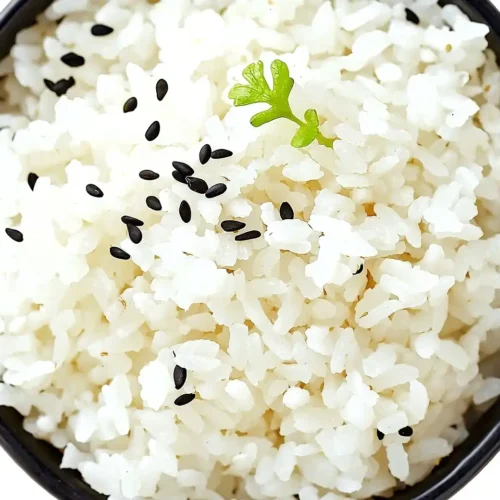
Best Sushi Rice
Equipment
- Fine-mesh strainer
- Heavy-bottomed pot
- rice cooker
- Instant Pot
- Large mixing bowl
- rice paddle or silicone spatula
- Small saucepan
Ingredients
Main Ingredients
- 2 cups Japanese short-grain rice Look for ‘sushi rice’ label
- 2 cups Water Filtered water recommended
- 4-inch square Kombu Optional, adds umami depth
- ¼ cup Unseasoned rice vinegar Must be unseasoned
- 4 teaspoons Sugar Or honey for variation
- 1 teaspoon Fine sea salt Not iodized table salt
Instructions
- Rinse rice in a fine-mesh strainer under cold water for 1-2 minutes until water runs clear. Drain and let sit for 5 minutes.
- Cook rice using your preferred method: stovetop (boil, then simmer 15 min, rest 10 min), rice cooker (20-25 min), or Instant Pot (3 min low pressure + 10 min natural release).
- Prepare sushi vinegar by heating rice vinegar, sugar, and salt in a small saucepan until sugar dissolves. Remove from heat immediately.
- Transfer hot rice to a large mixing bowl. Drizzle warm vinegar mixture over rice and fold gently for 1 minute until evenly coated.
- Cover rice with a damp towel and let cool to room temperature for 20-30 minutes before serving or storing.
Notes
Ingredient Selection: Quality Indicators
Choose Japanese short-grain rice labeled specifically as “sushi rice”—brands like Nishiki or Kokuho Rose deliver consistent results. Fresh rice (within six months of packaging) produces fluffier grains with better moisture absorption. For the vinegar mixture, unseasoned rice vinegar is essential since pre-seasoned versions contain unpredictable salt and sugar levels.
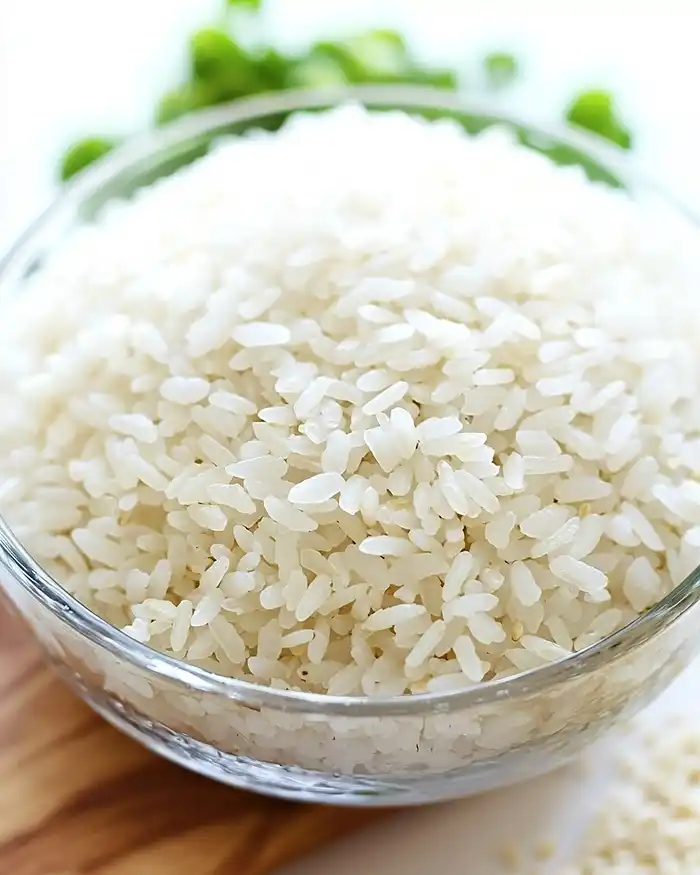
Look for plump, opaque white grains without broken pieces. Quality sushi rice feels slightly sticky when rubbed between your fingers, indicating proper starch content.
Ingredients for the Best Sushi Rice
| Ingredient | US Measurement | Metric | Notes |
|---|---|---|---|
| Japanese short-grain rice | 2 cups | 400g | Look for “sushi rice” label |
| Water | 2 cups | 475ml | Filtered water recommended |
| Kombu (optional) | 4-inch square | 10cm square | Adds umami depth |
| Unseasoned rice vinegar | ¼ cup | 60ml | Must be unseasoned |
| Sugar | 4 teaspoons | 16g | Or honey for variation |
| Fine sea salt | 1 teaspoon | 5g | Not iodized table salt |
Shopping Tips for US Grocery Stores
You’ll find Japanese short-grain rice in the Asian foods aisle at most major supermarkets like Whole Foods, Trader Joe’s, or Safeway. Asian markets offer better prices and authentic brands. Kombu (dried kelp) sits near nori sheets in the seaweed section.
Rice vinegar sometimes hides near salad dressings or in the international aisle. Double-check labels—you want plain, unseasoned vinegar without added flavors.
Essential Ingredients vs. Bold Add-ins
The Essentials: Short-grain rice and seasoned vinegar form your foundation. These aren’t negotiable for authentic results.
Bold Add-ins: Kombu adds subtle ocean flavor that elevates your perfect sushi rice. Some cooks add a splash of sake to the cooking water or swap honey for sugar to create unique flavor profiles. For spicy variations, mix in a tiny pinch of wasabi powder with your vinegar.
International Substitutions
Can’t find Japanese rice? Arborio rice works in a pinch, though the texture differs slightly. Korean short-grain rice also substitutes well. However, avoid jasmine, basmati, or long-grain varieties—they lack the necessary starch content.
No rice vinegar? Combine white wine vinegar with a pinch of sugar, though the flavor won’t match exactly. Apple cider vinegar creates an acceptable alternative with slightly fruity notes.
Equipment and Step-by-Step Instructions
What You’ll Need
A large fine-mesh strainer makes rinsing effortless. For cooking, choose either a heavy-bottomed pot with a tight lid, a rice cooker, or an Instant Pot. You’ll also need a large mixing bowl (wooden or glass works best), a rice paddle or silicone spatula, and a small saucepan for the vinegar mixture.
No rice paddle? A flat wooden spoon prevents crushing delicate grains. A clean damp towel covers your cooling rice perfectly.
Step 1: Rinse Until Crystal Clear
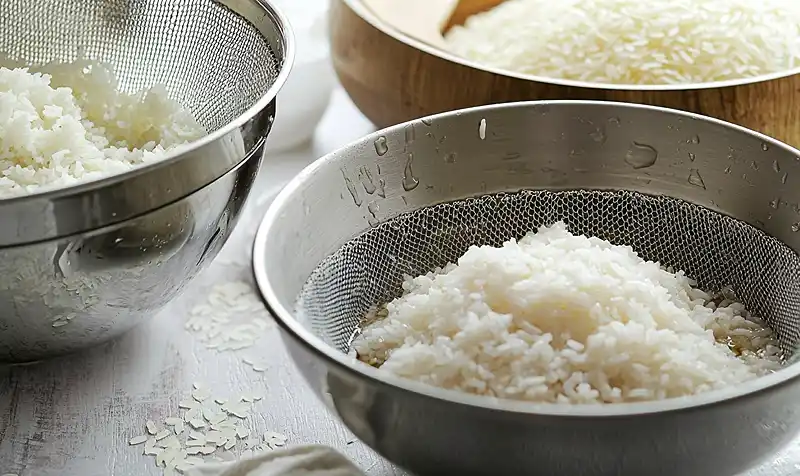
Place your rice in the fine-mesh strainer. Run cold water over it while gently stirring with your fingers. You know what? This step removes excess starch that causes gumminess.
Keep rinsing for 1-2 minutes until the water runs completely clear, not cloudy. I learned this the hard way after serving sticky glue-rice at a dinner party. The water should look transparent when you’re done.
Drain thoroughly and let the rice sit in the strainer for 5 minutes. This brief rest allows grains to absorb a bit of surface moisture for even cooking.
Step 2: Cook Your Rice to Perfection
Stovetop Method: Combine rinsed rice, water, and kombu (if using) in a heavy pot. Bring to a boil over high heat, then immediately reduce to the lowest setting. Cover tightly and simmer for 15 minutes without lifting the lid.
Remove from heat and let stand covered for 10 minutes. This steaming period finishes the cooking process, similar to how Julia Child recommends resting roasted meats for juice redistribution.
Rice Cooker Method: Add rinsed rice and water to your cooker. Place kombu on top if desired. Press start and walk away—the machine handles everything automatically. Most cookers take 20-25 minutes total.
Instant Pot Method: Use the rice setting with a 1:1 rice-to-water ratio (sushi rice needs less water under pressure). Cook on low pressure for 3 minutes, then natural release for 10 minutes. Quick release any remaining pressure.
Step 3: Prepare the Sushi Vinegar
While your rice cooks, combine rice vinegar, sugar, and salt in a small saucepan. Heat over medium-high heat, stirring occasionally, until tiny bubbles form around the edges—just before simmering.
Remove from heat immediately. Whisk vigorously until sugar and salt dissolve completely, about 30 seconds. The mixture should look clear, not cloudy.
Oops! I once let this boil, and the vinegar became too sharp. Keep the heat moderate and remove it promptly for balanced flavor.
Alternatively, microwave the mixture in 15-second bursts, whisking between each, until the sugar dissolves. This method works perfectly when you’re short on burners.
Step 4: Season Your Rice Like a Pro
Transfer hot cooked rice immediately to your large mixing bowl. Drizzle the warm vinegar mixture evenly over the surface—pour in a zigzag pattern for better distribution.
Here’s where technique matters tremendously. Use a slicing motion with your spatula, cutting down through the rice and lifting gently. Never stir or mash, which breaks grains and creates mushiness.
Fold and lift for about 1 minute until the vinegar distributes evenly. The rice should glisten beautifully without pooling liquid at the bottom. This gentle approach maintains the integrity of each grain while coating thoroughly.
Step 5: Cool to Room Temperature
Dampen a clean kitchen towel with cold water and wring it out. Drape it directly on the rice surface, touching the grains. This prevents surface drying while allowing steam to escape.
Let the bowl sit on your counter for 20-30 minutes until the rice reaches room temperature. For faster cooling, refrigerate for 10-15 minutes, checking frequently. The rice should feel slightly warm to cool, never hot or cold.
You’re aiming for that perfect temperature where grains separate easily but still stick together when formed. Too warm and your sushi falls apart; too cold and it becomes stiff.
Step 6: Serve and Store
Use your perfect sushi rice immediately for the best texture and flavor. It’s now ready for rolling delicious homemade sushi rolls, forming nigiri, or creating chirashi bowls.
For storage, transfer cooled rice to an airtight container. Refrigerate for up to 3 days, though day one delivers peak quality. Never freeze sushi rice—the texture deteriorates significantly.
Before using refrigerated rice, let it sit at room temperature for 15 minutes. Lightly dampen your hands when working with cold rice to prevent excessive sticking.
Expert Tips for Restaurant-Quality Results
Master the Moisture Balance
The rice-to-water ratio changes based on your cooking method and rice age. Newer rice needs slightly less water since it retains more moisture. Start with the 1:1 ratio and adjust by tablespoons in future batches.
For slightly firmer rice (preferred for hand-formed nigiri), reduce water by 2 tablespoons. Softer rice for rolls? Add an extra tablespoon of water.
Temperature Control Matters
Room-temperature seasoning and cooling create the ideal texture. Hot rice can’t absorb vinegar properly, leading to puddles and uneven flavor. Cold rice becomes stiff and difficult to work with.
Let me tell you, this discovery came after ruining a batch for a Fourth of July barbecue. Now I set a timer to ensure perfect cooling every time.
The Folding Technique
Your mixing motion directly impacts final texture. Aggressive stirring releases too much starch, creating gluey rice. Think of it as gently tossing a salad rather than mashing potatoes.
Hold your spatula at a 45-degree angle and use quick, decisive movements. The entire process should take 60-90 seconds maximum.
Creative Variations and Serving Ideas
Regional American Twists
California Style: Add a splash of lime juice to your vinegar mixture for bright, citrusy notes that complement avocado rolls perfectly. This variation pairs wonderfully with protein-packed homemade bars for a balanced meal.
Hawaiian Fusion: Swap 1 teaspoon of sugar for pineapple juice in your seasoning. The tropical sweetness enhances spam musubi and poke bowls beautifully.
Spicy Sriracha Rice: Whisk ½ teaspoon sriracha into your cooled vinegar mixture. This creates a subtle kick that doesn’t overpower delicate fish.
Dietary Adaptations
Low-Sugar Version: Reduce sugar to 2 teaspoons or substitute with stevia. The rice will be less sweet but still properly seasoned.
Brown Rice Sushi: Use short-grain brown rice with a 1:1.5 rice-to-water ratio. Cook 10 minutes longer and expect nuttier flavor with firmer texture.
Gluten-Free Guarantee: This recipe is naturally gluten-free when you verify your rice vinegar contains no malt vinegar or additives.
Holiday and Special Occasion Ideas
Create vibrant pink rice for Valentine’s Day by adding a drop of beet juice to your vinegar. For Thanksgiving, mix in toasted sesame seeds and a hint of soy sauce for an umami-rich side dish.
Halloween calls for black rice variations using forbidden rice cooked with the same technique. Kids love the dramatic color for spooky sushi snacks.
Storage, Make-Ahead, and Serving Suggestions
Storage Guidelines
| Storage Method | Duration | Best Practices |
|---|---|---|
| Room temperature | 2 hours maximum | Cover with damp towel |
| Refrigerator | 3 days | Airtight container |
| Freezer | Not recommended | Texture deteriorates |
Make-Ahead Strategy
Cook rice up to 3 days in advance and refrigerate. Before using, sprinkle with 1-2 tablespoons of water, cover, and microwave for 30-second intervals until slightly warm. This revives the texture without overcooking.
For meal prep, portion individual servings in small containers. Each portion reheats more evenly than one large batch.
Reheating Instructions
Microwave method works best for sushi rice. Place rice in a microwave-safe bowl, sprinkle lightly with water, and cover with a damp paper towel. Heat in 20-second bursts, fluffing gently between each, until just warm.
Never reheat rice more than once—bacteria risk increases significantly. Only warm the amount you’ll use immediately.
Perfect Pairings
Serve your best sushi rice alongside miso soup and edamame for an authentic Japanese experience. It also makes an excellent base for healthy protein muffins when you need a complete breakfast bowl.
For parties, set up a DIY sushi bar with various proteins, vegetables, and nori sheets. Guests love customizing their own rolls. Pair with sake, green tea, or even craft beer for a modern fusion feast.
Cold sushi rice transforms into fantastic fried rice the next day. Add vegetables, egg, and soy sauce for a completely different meal that reduces waste deliciously.
best sushi rice recipe FAQs
Can I use regular white rice instead of sushi rice for making sushi?
You technically can, but results will disappoint. Long-grain varieties like jasmine or basmati lack the starch content needed for proper sticking. Your rolls will fall apart, and the texture won’t match authentic sushi. Short-grain Japanese rice creates the signature sticky-yet-separate texture that holds together when rolling.
What makes sushi rice different from regular rice?
Sushi rice contains higher starch levels and shorter grains that produce a sticky, glossy texture when seasoned. The vinegar-sugar-salt mixture gives it distinctive tangy-sweet flavor that regular rice lacks. Additionally, the specific cooking method and cooling process create the ideal consistency for forming into sushi shapes without falling apart.
How do I prevent my sushi rice from becoming mushy?
Rinse your rice thoroughly until water runs clear to remove excess surface starch. Use the precise 1:1 water ratio and never lift the lid during cooking. When seasoning, fold gently rather than stirring aggressively, which breaks grains and releases more starch. Finally, cool the rice properly with a damp towel covering the surface.
Can I make sushi rice ahead of time for a party?
Absolutely—cook rice up to 3 days before your event and refrigerate in an airtight container. Before serving, let it sit at room temperature for 15 minutes and lightly mist with water if needed. For best results, make it the morning of your party rather than days in advance, as fresh rice maintains superior texture and flavor.
Your Perfect Sushi Rice Awaits
This best sushi rice recipe transforms your homemade sushi from mediocre to magnificent. The secret lies in respecting simple techniques: thorough rinsing, precise ratios, and gentle handling throughout the process.
Remember that first kitchen dance I mentioned? You’ll be doing your own celebration after tasting this restaurant-quality rice. Whether you’re preparing sushi for weeknight dinners or impressing guests at your next gathering, this foolproof method delivers consistent excellence.
Pair your perfect sushi rice with nutrient-dense dark chocolate nut bars for a balanced Japanese-inspired meal that satisfies completely.
Try this recipe and share your results in the comments below! What’s your favorite sushi roll to make at home?
