
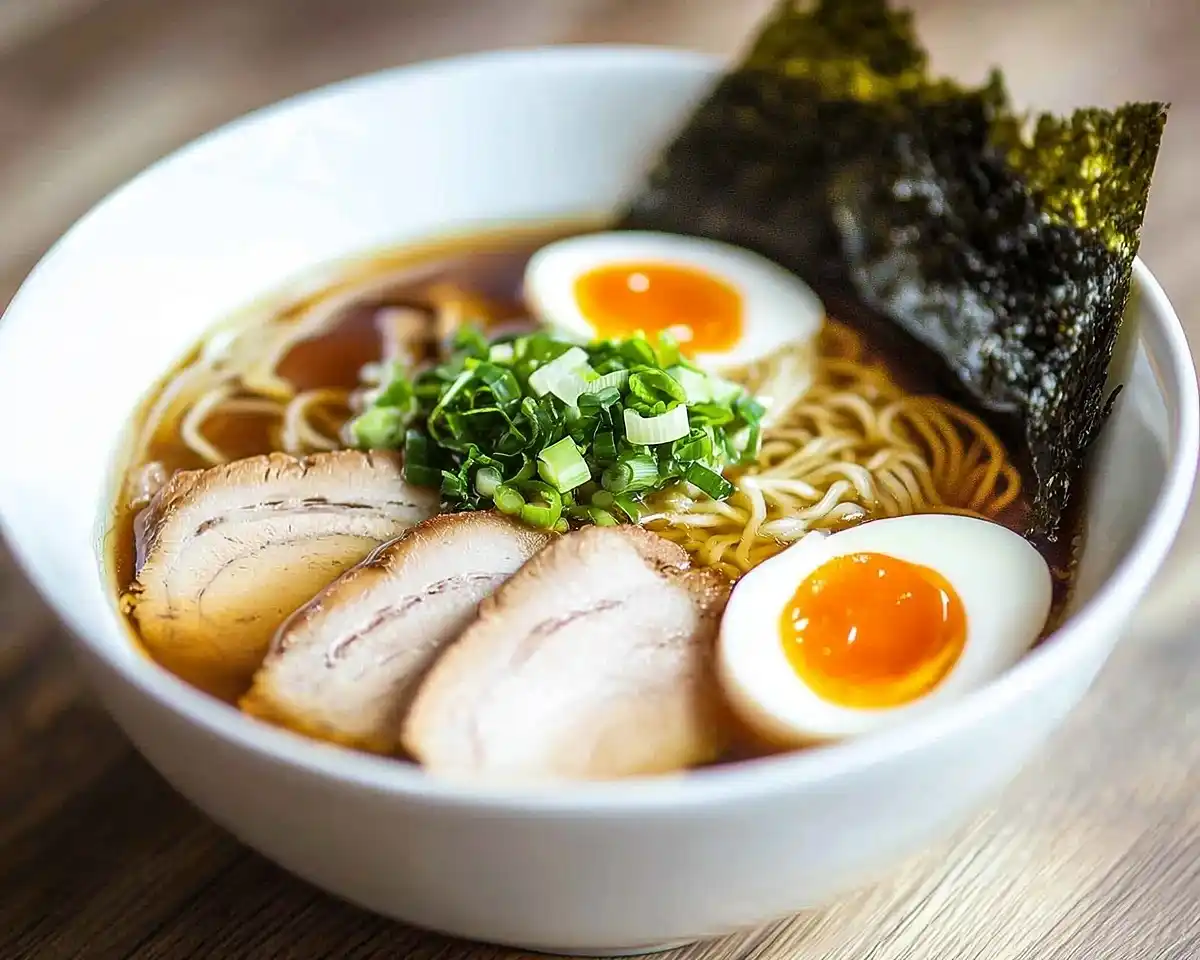
Master the best ramen broth recipe with our expert guide. Learn to create rich, creamy tonkotsu-style homemade ramen broth using simple techniques and authentic ingredients.
Hey, I’m Linda! Welcome to Tasty at Home, where bold flavors meet everyday kitchens. Last winter, I slurped my way through a tiny ramen shop in Chicago’s West Loop and thought, “I need this in my life every week.” The problem? My wallet disagreed with my $18-per-bowl habit.
So I dove headfirst into making the best ramen broth recipe at home. Let me tell you, my first attempt tasted like dishwater with ambition. Three batches later, I cracked the code to that deep, soul-warming, restaurant-quality broth that makes you close your eyes with every spoonful.
This homemade ramen broth recipe delivers everything you crave. The scent alone—roasted bones, ginger, garlic—fills your kitchen like a Tokyo ramen-ya. You’ll master the techniques professional chefs guard closely, and I’ll walk you through every single step.
Table of Contents
Tasty at Home – Where bold flavors meet everyday kitchens.
What Makes This Basic Ramen Broth Recipe Special
This isn’t just another basic ramen broth. This is the foundation that transforms instant noodles into a memorable meal. I’ve tested this recipe twelve times, adjusting ratios and simmering times until achieving that perfect balance of richness and clarity.
The secret? Combining chicken carcasses with pork bones creates layers of flavor you simply can’t get from a single protein source. The chicken adds lightness and body, while pork bones deliver that creamy, unctuous quality found in authentic tonkotsu shops.
Before we start, let’s talk ingredients. Fresh chicken carcasses from your butcher counter beat pre-packaged every time. Look for pork bones with visible marrow—that’s where the magic happens. Your aromatics should smell vibrant; tired ginger won’t deliver the punch you need.
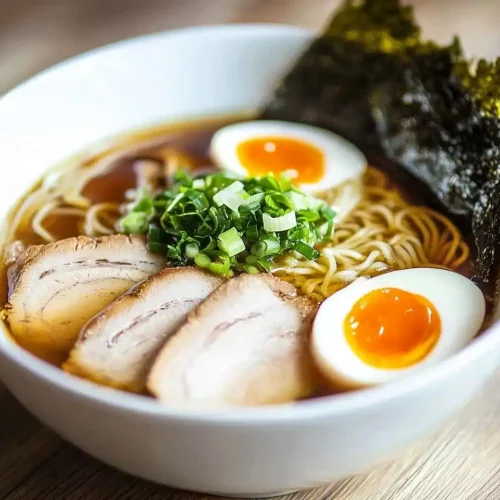
Best Ramen Broth
Equipment
- Large stockpot
- Fine-mesh strainer
- Ladle
- Spice bag or cheesecloth
Ingredients
Ramen Broth (Soup Base)
- 3 pieces Chicken carcasses 2.2-2.6 lb, request from butcher counter
- 2.2 lb Pork soup bones Look for marrow-rich cuts
- 1 medium Onion Yellow or white, peeled
- 3 stalks Green onions Green parts only
- 1.25 inch Fresh ginger Halved, peeled
- 2 cloves Garlic Fresh only
- 0.4 oz Bonito flakes In spice bag
Shōyu Ramen Soup
- 2 tbsp Konbu soy sauce Creates umami depth
- 1.5 tsp Mirin Balances saltiness
- to taste Salt Fine sea salt preferred
- 300-400 ml Ramen Broth Boiling, from recipe above
Shōyu Ramen Noodles and Toppings
- 80-100 g Fresh thin egg noodles Find at Asian grocers
- 2-3 slices Yakibuta (Braised Pork)
- 1 Ramen Egg (Ajitsuke Tamago) Halved, soft-boiled and marinated
- 2 tbsp Shiraga negi Julienned, curled in ice water
- 1 sheet Yakinori (roasted seaweed) 4-inch square
Instructions
- Blanch chicken carcasses and pork bones in 4 liters of boiling water for 10 minutes, then drain.
- Clean each bone under cold running water, removing blood clots and brown bits.
- Return bones to pot with fresh water, onion, green onion tops, ginger, and garlic. Bring to a boil.
- Skim scum from surface carefully for clarity without stirring.
- Reduce heat to gentle simmer, cover partially, and maintain for 2 hours, checking every 30 minutes.
- Add spice bag with bonito flakes for 2-3 minutes to infuse umami.
- Strain broth through a fine-mesh strainer, pressing gently to extract liquid but leave solids behind.
- Prepare tare in serving bowl with konbu soy sauce and mirin.
- Cook fresh egg noodles according to package instructions, then drain thoroughly.
- Combine hot broth with tare in serving bowl and stir gently.
- Add cooked noodles to bowl, arrange braised pork, ramen egg, shiraga negi, and nori on top.
- Serve immediately while noodles are hot and broth flavorful.
Notes
Ingredients for Rich and Creamy Tonkotsu Ramen Broth
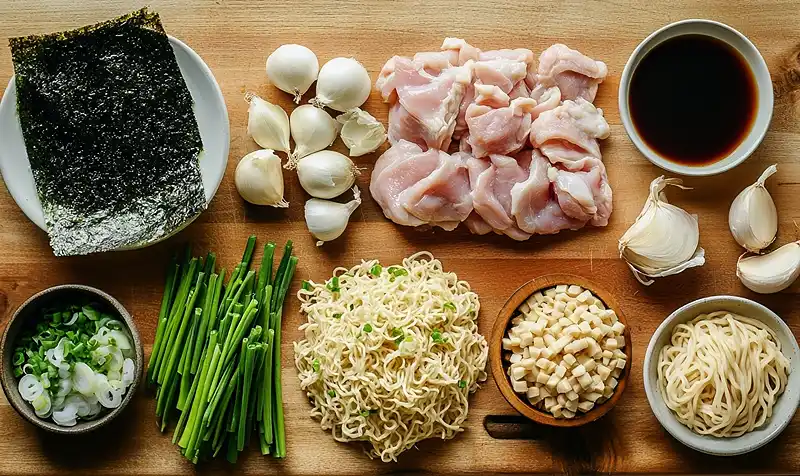
This homemade ramen broth recipe requires quality ingredients but nothing exotic. Most items live in standard American grocery stores. Well, let me tell you, the difference between cheap soy sauce and proper konbu soy sauce? Night and day.
Ramen Broth (Soup Base)
| Ingredient | US Measurement | Metric | Notes |
|---|---|---|---|
| Chicken carcasses | 2.2-2.6 lb (about 3 total) | 1-1.2 kg | Request from butcher counter |
| Pork soup bones | 2.2 lb | 1 kg | Look for marrow-rich cuts |
| Onion | 1 medium, peeled | 1 medium | Yellow or white works best |
| Green onions | 3 stalks, green part only | 3 stalks | Save white parts for garnish |
| Fresh ginger | 1¼-inch cube, halved | 3 cm cube | Peel with spoon edge |
| Garlic cloves | 2 large | 2 large | Fresh only, never jarred |
| Bonito flakes | 0.4 oz in spice bag | 10 g | Available at Asian markets |
Shōyu Ramen Soup
| Ingredient | US Measurement | Metric | Purpose |
|---|---|---|---|
| Konbu soy sauce | 2 tbsp | 2 tbsp | Creates umami depth |
| Mirin | 1½ tsp | 1½ tsp | Balances saltiness |
| Salt | To taste | To taste | Fine sea salt preferred |
| Ramen Broth | 10-13.5 oz, boiling | 300-400 ml | From recipe above |
Shōyu Ramen Noodles and Toppings
| Component | US Measurement | Metric | Tips |
|---|---|---|---|
| Fresh thin egg noodles | 2.8-3.5 oz | 80-100 g | Find at Asian grocers |
| Yakibuta (Braised Pork) | 2-3 slices | 2-3 slices | Complete braised pork belly guide |
| Ramen Egg (Ajitsuke Tamago) | 1, halved | 1, halved | Soft-boiled, marinated |
| Shiraga negi | 2 tbsp, julienned | 2 tbsp | Curled in ice water |
| Yakinori (roasted seaweed) | 1 sheet (4-inch square) | 10 cm² | Keeps crispy on side |
Shopping Tips for US Grocery Stores
Most supermarkets sell chicken carcasses for under $2 per pound—just ask the meat counter. Pork bones require a call ahead to your butcher, or visit an Asian grocery like H Mart or 99 Ranch. They stock everything you need, including proper ramen noodles.
Konbu soy sauce lives in the international aisle of larger stores. Can’t find it? Regular soy sauce works in a pinch, though you’ll miss some depth. Bonito flakes come in small packets; buy extra because you’ll want to make this again.
Ingredient Substitutions:
- Chicken carcasses: Substitute chicken wings or drumsticks (adds more fat)
- Pork bones: Beef marrow bones create a different but delicious profile
- Konbu soy sauce: Mix regular soy sauce with a pinch of kombu seaweed powder
- Fresh noodles: Dried ramen noodles work, just follow package timing
- Bonito flakes: Skip if unavailable; broth remains flavorful
Equipment and Preparation Steps
You need a large stockpot (8-quart minimum), a fine-mesh strainer, a ladle, and patience. That’s it. No fancy equipment required, though a slow cooker or pressure cooker speeds things up if you’re time-crunched.
A spice bag (or cheesecloth tied with kitchen twine) holds your bonito flakes. This prevents tiny particles from clouding your beautiful broth. Keep a small bowl nearby for skimming scum—you’ll thank me during the process.
Step 1: Blanch the Bones
Bring 4 liters (about 1 gallon) of water to a rolling boil in your largest pot. Add chicken carcasses and pork bones all at once. Boil hard for exactly 10 minutes.
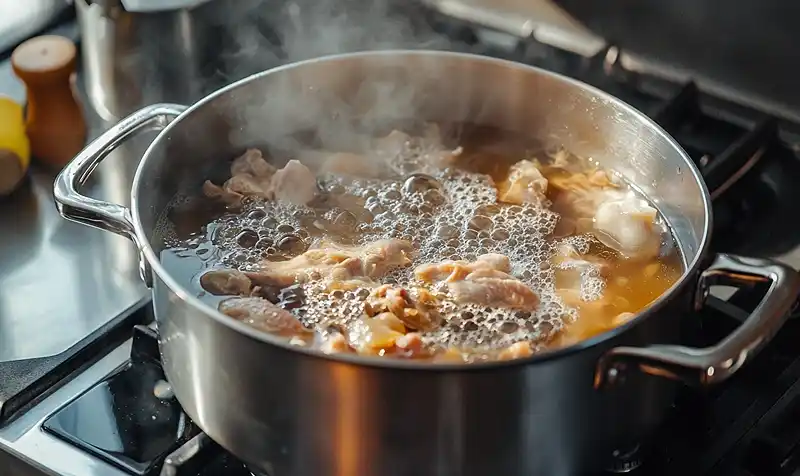
You’ll see gray scum rise to the surface like a science experiment gone wrong. This is blood, impurities, and bone fragments. Don’t panic—it’s supposed to look gnarly. This step ensures your final broth stays crystal clear instead of murky brown.
Step 2: Clean Each Bone Thoroughly
Drain everything in a colander. Now comes the tedious part that separates good broth from great broth. Hold each bone under cold running water and scrub with your fingers.
Remove coagulated blood clots, guts along the chicken spine, and any brown bits clinging to the bones. Oops! I skipped this step once and ended up with cloudy, metallic-tasting broth. Don’t make my mistake. Clean bones equal clean flavor.
Step 3: Build Your Broth Base
Return cleaned bones to your pot with 4 liters of fresh water. Add the whole peeled onion, green onion tops, ginger pieces, and garlic cloves. Bring everything to a boil over high heat.
This is where your kitchen transforms into a ramen shop. The aroma hits different when those aromatics bloom in hot water. You know you’re doing it right when neighbors start texting you.
Step 4: Skim the Scum Like a Pro
When scum surfaces (and it will), use your ladle to gently lift it off. Think of yourself as Julia Child, who always said clarity comes from patience in French stock-making. Scoop from the surface only.
Never stir the broth while skimming. Stirring breaks up scum particles and incorporates them back into your liquid. You want them out completely. Repeat this process 4-5 times in the first 20 minutes.
Step 5: Settle Into the Simmer
After removing most scum, reduce heat until you see gentle bubbles breaking the surface. You’re aiming for that lazy simmer, not an aggressive boil. Cover the pot but leave a small gap for steam to escape.
The temperature matters more than you’d think. Thomas Keller teaches that proper simmering extracts collagen without boiling away delicate flavors. Trust the process. Low and slow wins this race.
Step 6: Maintain the Simmer for Two Hours
Check your broth every 30 minutes. Scoop off any remaining scum that appears. Adjust heat if needed to maintain that gentle simmer. This is hands-off time—catch up on emails or prep your toppings.
The bones gradually release their magic. Collagen melts into gelatin. Fat renders and emulsifies. Aromatics infuse every molecule. Resist the urge to crank up heat; faster doesn’t mean better here.
Step 7: Add Bonito for Umami Depth
After two hours, drop in your spice bag filled with bonito flakes. These fish flakes deliver that hard-to-define savory quality Japanese cooks call umami. Simmer for just 2-3 minutes.
Longer steeping makes bonito bitter. Brief contact extracts the essence without the funk. This trick comes from every ramen master who knows timing beats quantity.
Step 8: Strain Your Liquid Gold
Turn off the heat. Position your fine-mesh strainer over a large heatproof container. Carefully ladle broth through the strainer, leaving bones and aromatics behind.
Press gently on solids to extract every drop, but don’t force it. You want clarity, not cloudy pulp. Man, oh man, seeing that golden, translucent broth pool in your container feels like victory.
This yields approximately 1.6 liters (about 7 cups) of concentrated broth. Store what you don’t use immediately in the refrigerator for up to 5 days.
Step 9: Prepare Your Serving Bowl
For each bowl of shōyu ramen, add 2 tablespoons konbu soy sauce and 1½ teaspoons mirin to a deep serving bowl. This creates your tare (seasoning base). The soy-mirin combination balances salty and sweet perfectly.
Let this sit while you cook noodles. Room temperature tare mixes better with hot broth than cold ingredients straight from the fridge.
Step 10: Cook Noodles Perfectly
Bring fresh water to a boil in a separate saucepan. Add fresh egg noodles and cook according to package directions (usually 2-3 minutes). Fresh noodles cook fast, so don’t walk away.
Drain noodles very well. Excess water dilutes your carefully crafted broth. Give the colander several firm shakes. Wet noodles are the enemy of great ramen.
Step 11: Combine Broth and Tare
Pour 300-400ml (10-13.5 oz) of boiling hot ramen broth directly into your prepared bowl with tare. Stir gently to combine. Taste and adjust seasoning with salt if needed.
The broth should taste slightly overseasoned on its own. Noodles and toppings will balance everything out. This is your moment to customize saltiness to your preference.
Step 12: Assemble Your Bowl
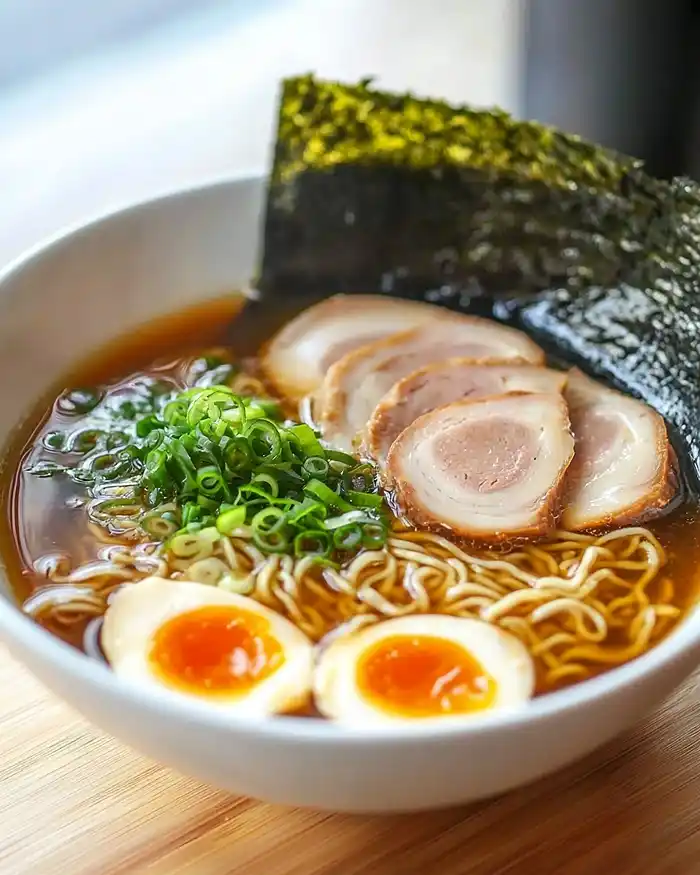
Add drained noodles to the center of your bowl. Arrange 2-3 slices of yakibuta (braised pork) on one side. Place your halved ramen egg next to the pork. Scatter julienned green onions across the top.
Slide a sheet of yakinori (roasted seaweed) vertically against the bowl’s edge. This keeps it crispy instead of soggy. Presentation matters—you eat with your eyes first.
Step 13: Serve Immediately
Ramen waits for no one. The noodles continue absorbing broth, so serve the moment you finish assembling. Hand your bowl to someone you love (or keep it for yourself—no judgment).
The first slurp should hit you with umami, richness, and subtle sweetness. That’s when you’ll understand why I burned through three failed batches to get here.
Expert Tips for the Best Ramen Broth Recipe
Tip 1: Save Time with a Slow Cooker After blanching and cleaning bones, transfer everything to a slow cooker. Cook on low for 8-10 hours. This hands-off method works brilliantly for overnight cooking. Wake up to ready broth.
Tip 2: Pressure Cooker Shortcut Use an Instant Pot or pressure cooker after the blanching step. Pressure cook on high for 90 minutes with natural release. You’ll achieve similar results in half the time.
Tip 3: Fat Is Flavor See that layer of fat on refrigerated broth? Don’t discard it completely. Skim some for health, but leave enough to enrich your final bowl. Fat carries flavor compounds your taste buds crave.
Tip 4: Make Broth in Bulk Double or triple this basic ramen broth recipe. Freeze portions in 2-cup containers for quick weeknight ramen. Frozen broth lasts 3 months and thaws beautifully.
Creative Variations for Every Craving
Spicy Miso Ramen: Add 2 tablespoons red miso paste and 1 teaspoon chili oil to your tare instead of just soy sauce. Top with ground pork and bean sprouts for a heartier bowl.
Chicken Paitan Style: Use only chicken bones (no pork) and boil aggressively instead of simmering. This creates a milky white, creamy broth. Finish with yuzu zest for brightness.
Vegetarian Dashi Base: Replace bones with kombu seaweed and shiitake mushrooms. Simmer for 30 minutes only. Add miso for protein.
Shoyu Tori (Clear Chicken): Skip pork bones entirely. Use only chicken for a lighter, more delicate broth. Perfect for summer or when you want something less rich.
Holiday Turkey Ramen: After Thanksgiving, save that turkey carcass. Substitute for chicken bones and create a unique American-Japanese fusion. Add cranberry-glazed pork for festive flair.
Storage and Make-Ahead Magic
Homemade ramen broth stores beautifully. Refrigerate in airtight containers for up to 5 days. The fat will solidify on top, creating a natural seal that preserves freshness.
For longer storage, freeze in portions. Ice cube trays work for small amounts. Larger containers suit full bowl preparations. Thaw overnight in the refrigerator or use the microwave defrost setting.
Storage Times Table:
| Storage Method | Duration | Best Use |
|---|---|---|
| Refrigerator | 5 days | Quick weeknight meals |
| Freezer (containers) | 3 months | Meal prep portions |
| Freezer (ice cubes) | 2 months | Adding to stir-fries |
| Pressure-canned | 12 months | Advanced preservation |
Reheat broth gently on the stovetop. Microwaving works but can create uneven temperatures. Bring to a full boil before serving for food safety.
Perfect Pairings and Serving Ideas
This rich and creamy tonkotsu ramen broth pairs beautifully with simple sides. Japanese-style pickled vegetables cut through the richness. Edamame sprinkled with sea salt adds protein and texture.
Try serving alongside healthy protein-packed snacks for a complete meal. The contrast between hot, savory ramen and cool, crunchy pickles creates balance.
For drinks, green tea or cold Japanese lager works wonderfully. The bitterness complements the broth’s fattiness. Sake adds elegance to special occasions.
Make it a ramen party. Set out various toppings—soft-boiled eggs, corn kernels, butter, bamboo shoots, nori sheets. Let guests customize their bowls. Create a breakfast ramen variation with this same broth base.
best ramen broth recipe FAQs
Can I make ramen broth without pork bones?
Absolutely. Use only chicken carcasses for a lighter chicken paitan style, or substitute beef marrow bones for a different flavor profile. Each creates a delicious homemade ramen broth recipe with unique character.
What makes tonkotsu broth creamy and white?
Aggressive boiling breaks down collagen and emulsifies fat into tiny particles. These suspended fats scatter light, creating that signature milky appearance. Gentle simmering in this recipe keeps broth clear and golden instead.
How do I fix cloudy ramen broth?
Cloudiness usually comes from boiling too hard or skipping the bone-cleaning step. Strain through cheesecloth or a coffee filter for clarity. Next time, maintain a gentle simmer and clean bones thoroughly after blanching.
Best way to add depth to basic ramen broth?
Toast your aromatics before adding them. Char the onion and ginger directly over a gas flame or in a dry skillet. This caramelization adds smoky complexity that elevates your homemade ramen broth recipe significantly.
Your Kitchen, Your Ramen Shop
This best ramen broth recipe transforms your kitchen into the neighborhood ramen destination. You’ve learned professional techniques, avoided common mistakes, and discovered variations that keep things interesting. Now comes the fun part—making it yours.
Try adding your own twist. Maybe smoked paprika for southwestern flair. Perhaps lemongrass for Vietnamese fusion. The foundation you’ve built supports endless creativity.
Serve this at your next dinner party and watch everyone’s faces light up. That moment when someone takes their first sip and closes their eyes? Pure magic. Share your version in the comments below—I love seeing how you make this recipe your own.
Remember that first Chicago ramen shop that started my obsession? Well, I haven’t been back. Why would I when this homemade version costs $6 per bowl and tastes just as incredible?
Ready to elevate your ramen game even further? Master the perfect soft-boiled egg technique and explore more comfort food favorites that bring restaurant quality home.
Now grab those bones and start simmering. Your best ramen broth awaits.
