
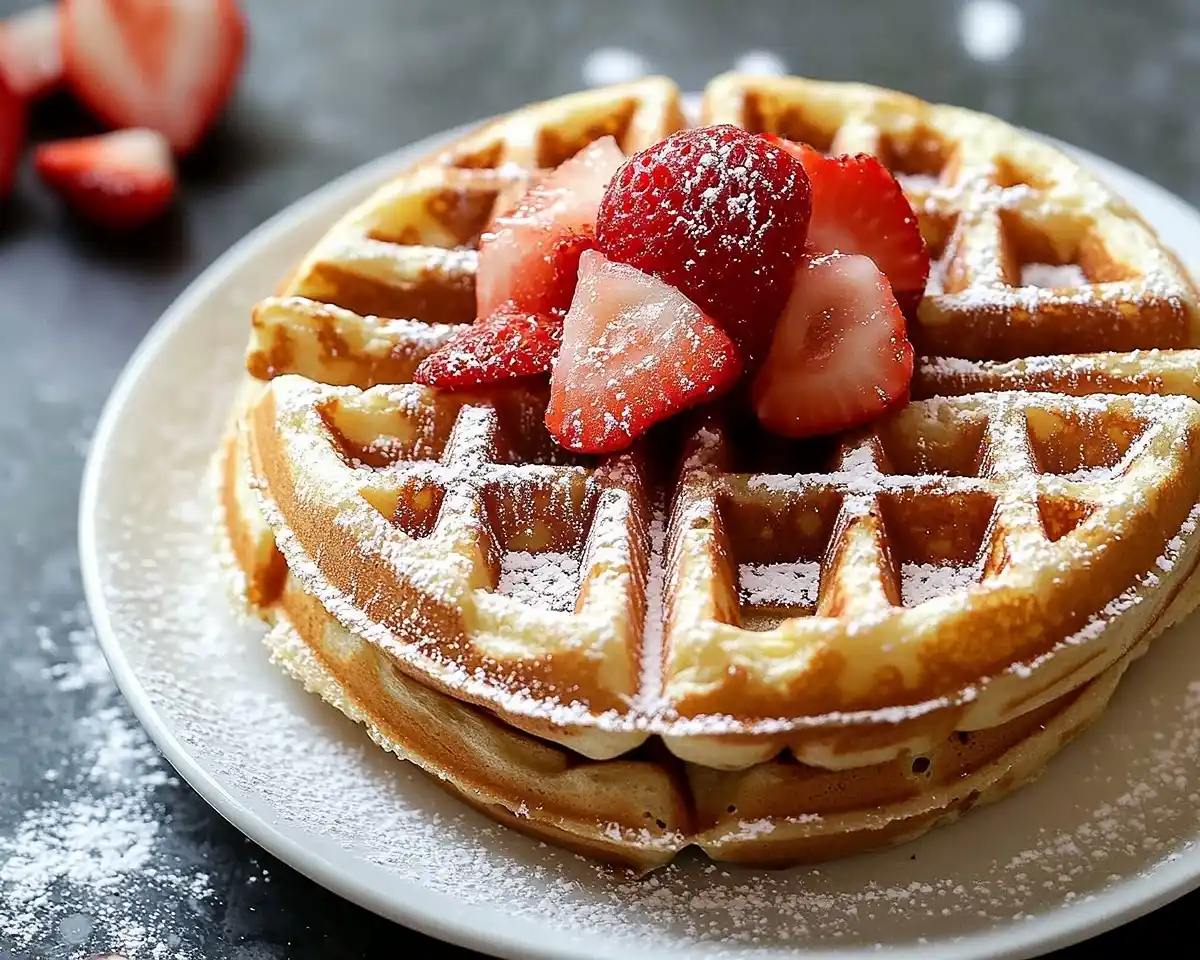
Belgian waffle recipe with crispy edges and fluffy centers. Learn pro tips for the best homemade Belgian waffles using simple ingredients.
Hey, I’m Linda! Welcome to Tasty at Home, where bold flavors meet everyday kitchens.
Picture this: Sunday morning, 2018. I’m standing in my pajamas, staring at a waffle iron I inherited from my grandmother. The batter’s ready, but something feels off.
I poured it in anyway. What emerged looked more like a hockey puck than breakfast. My family laughed, but I was determined.
Fast forward six years and about forty-seven attempts later, I finally cracked the code. The secret? Beating those egg whites separately transforms everything. This Belgian waffle recipe delivers restaurant-quality results without fancy ingredients or culinary school training.
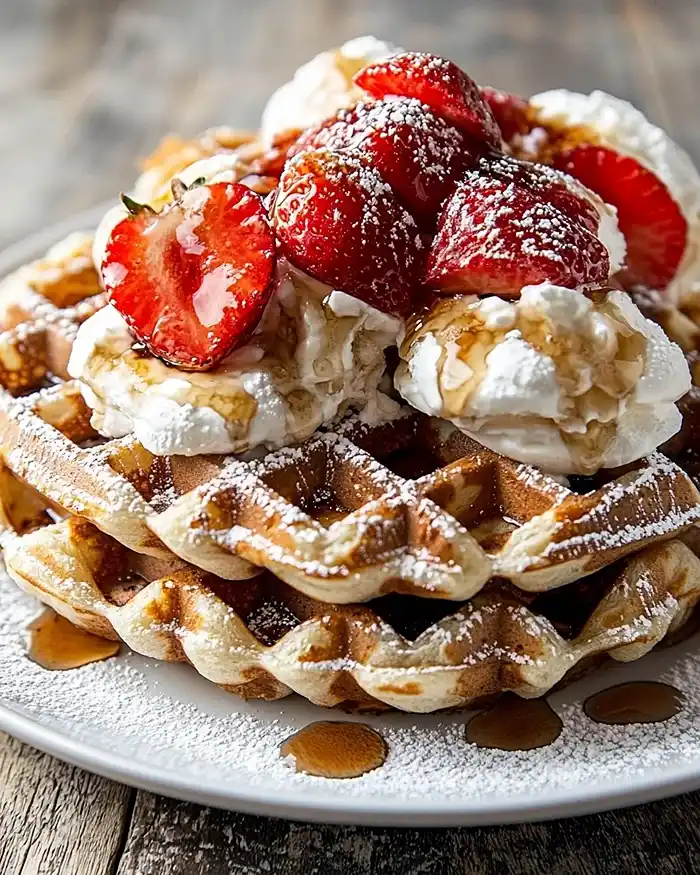
These waffles feature crispy golden exteriors that shatter gently under your fork. Inside, you’ll find clouds of tender, vanilla-scented perfection. They’re substantial enough to hold generous toppings yet light enough that you’ll want seconds.
Table of Contents
What Makes This Belgian Waffle Recipe Different
Let me tell you, most waffle recipes skip the critical step that creates authentic texture. Traditional Belgian waffles rely on separated eggs for their signature height and airy structure.
This homemade Belgian waffle recipe incorporates whipped egg whites folded into the batter. The technique adds essential lift without requiring yeast or lengthy wait times. You’ll achieve professional results in under thirty minutes.
I’ve tested this formula across five different waffle iron brands. The proportions work consistently whether you’re using a basic model or a Belgian waffle maker with deep pockets. Temperature control matters more than equipment cost.
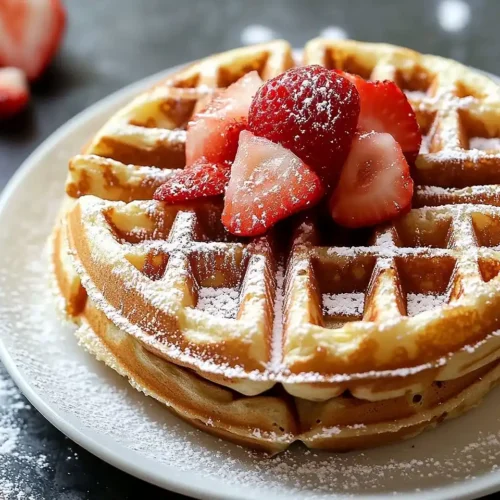
Belgian Waffle Recipe
Equipment
- Belgian waffle iron
- Medium mixing bowls
- Large mixing bowl
- Whisk
- Electric hand mixer
- measuring cups
- measuring spoons
- Rubber spatula
- Wire cooling rack
Ingredients
Main Ingredients
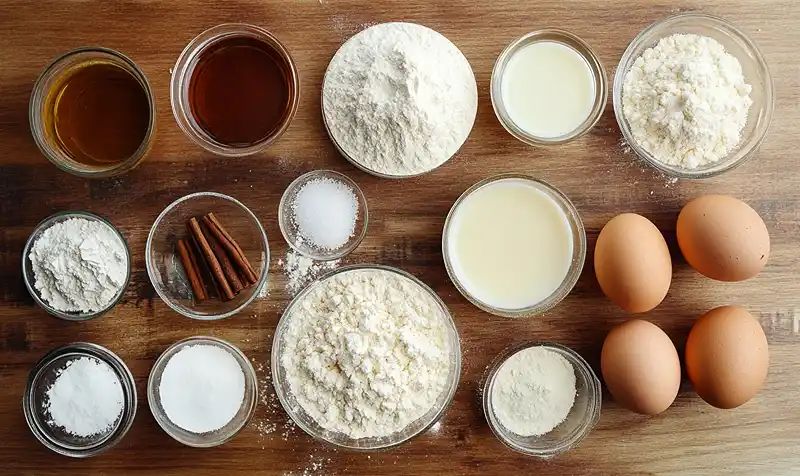
- 2 ¼ cups all-purpose flour 281g, spoon and level method
- 1 tablespoon baking powder 15g, fresh, not expired
- 3 tablespoons granulated sugar 38g, standard white sugar
- ½ teaspoon salt 3g, fine sea salt
- 1 teaspoon ground cinnamon 2g, optional
- 2 large eggs 100g, separated, room temperature
- ½ cup vegetable oil 120ml, neutral flavor preferred
- 2 cups whole milk 480ml, room temperature
- 1 teaspoon vanilla extract 5ml, pure
Instructions
- Preheat the Belgian waffle iron to medium-high heat and spray with nonstick cooking spray.
- Combine flour, baking powder, sugar, salt, and cinnamon in a large bowl. Whisk until evenly mixed.
- Beat egg whites in a medium bowl to stiff peaks using a hand mixer or whisk.
- Mix egg yolks, vegetable oil, milk, and vanilla extract in a separate medium bowl until smooth.
- Pour wet ingredients into dry ingredients and stir until just combined.
- Fold in whipped egg whites gently until only small streaks remain.
- Ladle 3/4 to 1 cup of batter onto the center of the preheated waffle iron. Close lid and cook for 4-6 minutes until golden and crisp.
- Remove waffle and transfer to a wire cooling rack. Serve immediately with desired toppings.
Notes
Ingredient Quality Guidelines
Start with fresh baking powder for maximum rise. Check the expiration date—stale leavening agents produce flat, dense waffles. Use whole milk rather than skim for richer flavor and better browning.
Choose pure vanilla extract instead of imitation varieties. The real thing contains over 250 flavor compounds that synthetic versions can’t replicate. Your waffles deserve that complexity.
Organic eggs with deep orange yolks create more vibrant color and superior structure. Well, the difference becomes obvious once you compare them side by side.
Belgian Waffle Ingredients
Classic Belgian waffle ingredients table with measurements in US cups and metric grams for precision baking
| Ingredient | US Measurement | Metric | Notes |
|---|---|---|---|
| All-Purpose Flour | 2 1/4 cups | 281g | Spoon and level method |
| Baking Powder | 1 tablespoon | 15g | Fresh, not expired |
| Granulated Sugar | 3 tablespoons | 38g | Standard white sugar |
| Salt | 1/2 teaspoon | 3g | Fine sea salt works best |
| Ground Cinnamon | 1 teaspoon | 2g | Optional but recommended |
| Large Eggs | 2 | 100g | Separated, room temperature |
| Vegetable Oil | 1/2 cup | 120ml | Neutral flavor preferred |
| Whole Milk | 2 cups | 480ml | Room temperature |
| Vanilla Extract | 1 teaspoon | 5ml | Pure, not imitation |
Essentials
The dry ingredients create structure and flavor foundation. All-purpose flour provides the right protein content for tender yet sturdy waffles. Baking powder generates immediate lift when it contacts liquid.
Sugar adds subtle sweetness and promotes caramelization. That golden-brown exterior comes from proper sugar ratios. Cinnamon introduces warmth without overwhelming the vanilla notes.
Bold Add-Ins
Transform basic waffles into creative variations with these ingredient swaps. Replace half the all-purpose flour with whole wheat for nutty complexity. Add two tablespoons of cocoa powder for chocolate Belgian waffles.
Substitute buttermilk for regular milk to create tangy, extra-tender results. The acid reacts with baking powder for additional rise. You know, buttermilk waffles stay crisper longer too.
Lemon zest brightens the flavor profile beautifully. Fold in one tablespoon of freshly grated zest after mixing the wet ingredients. Blueberry Belgian waffles work wonderfully with this addition.
Shopping Tips for US Grocery Stores
Find all these ingredients in standard American supermarkets. Target and Walmart stock reliable national brands at competitive prices. King Arthur flour consistently delivers professional results.
Trader Joe’s organic eggs offer excellent value and quality. Their pure vanilla extract costs significantly less than conventional grocery chains. Aldi provides budget-friendly options without sacrificing performance.
Check the baking aisle endcaps for seasonal deals on flour and sugar. Stock up when prices drop—both ingredients store for months in airtight containers. Buy baking powder in smaller quantities since it loses potency over time.
Substitutions for International Readers
Plain flour works identically to American all-purpose flour. Use caster sugar instead of granulated if that’s more accessible. The finer crystals dissolve faster but produce identical results.
Replace vegetable oil with melted butter or coconut oil. Both alternatives add distinct flavor notes worth exploring. Canola and sunflower oils substitute seamlessly for vegetable oil.
Metric bakers should weigh ingredients for accuracy. Volume measurements vary significantly between regions and measuring techniques. Digital kitchen scales eliminate guesswork and inconsistency.
Equipment and Step-by-Step Instructions
Essential Equipment
You’ll need a Belgian waffle iron with deep pockets. Standard waffle makers create thinner results with different texture. Nonstick surfaces prevent sticking and simplify cleanup considerably.
Grab two medium mixing bowls and one large bowl. Separate containers keep ingredients organized during the folding process. A whisk works for dry ingredients, but you’ll need an electric hand mixer for egg whites.
Don’t have a hand mixer? Use a balloon whisk and about three minutes of vigorous beating. Your arm will get tired, but stiff peaks are achievable manually. Julia Child built impressive biceps this way before stand mixers became standard equipment.
Measure accurately with dry measuring cups for flour and liquid measures for milk. Use measuring spoons for small quantities like baking powder and vanilla extract. A rubber spatula helps fold egg whites gently without deflating them.
Step 1: Preheat and Prepare Your Waffle Iron
Turn on your Belgian waffle maker and set it to medium-high heat. Most models need five to seven minutes to reach optimal temperature. An indicator light typically signals when it’s ready.
Spray the cooking surface generously with nonstick cooking spray. Do this even if your iron has a nonstick coating. The extra layer prevents sticking and promotes even browning.
Oops! I used to skip preheating completely. Cold irons produce pale, soggy waffles that steam rather than crisp. Patience during this step pays off dramatically in final texture.
Step 2: Combine Dry Ingredients
Add flour, baking powder, sugar, salt, and cinnamon to your large bowl. Whisk these together for thirty seconds until evenly distributed. Proper mixing prevents pockets of baking powder that create uneven rise.
Look for uniform color throughout the mixture. White streaks indicate flour clumps that need additional whisking. Sift the flour first if you’re prone to lumps.
This foundation determines crumb structure in your finished waffles. Thomas Keller emphasizes the importance of thoroughly combined dry ingredients for consistent baking results. His attention to detail transformed my approach to recipe preparation.
Step 3: Whip Egg Whites to Stiff Peaks
Separate eggs carefully, ensuring no yolk contaminates the whites. Even tiny amounts of fat prevent proper whipping. Place whites in a medium bowl and set yolks aside.
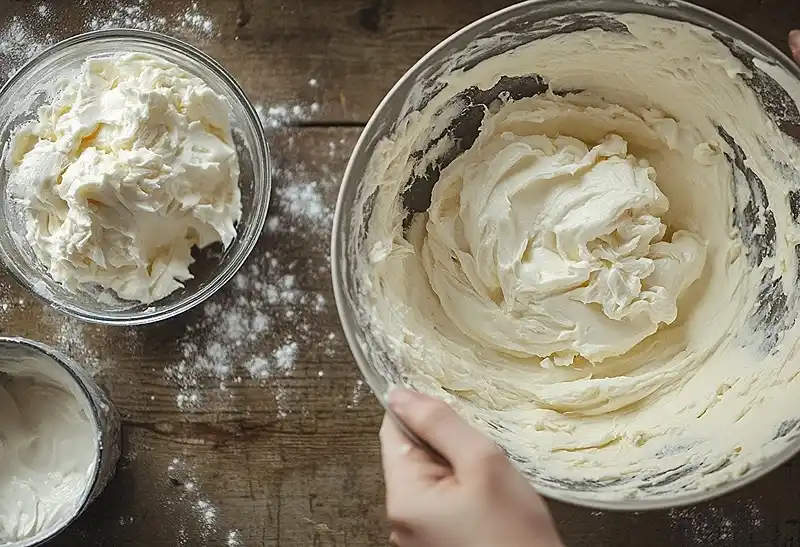
Beat egg whites with your hand mixer on high speed. Start slowly to break up the proteins, then increase speed after thirty seconds. Continue beating for two to three minutes.
Watch for stiff peaks that hold their shape when you lift the beaters. The mixture should look glossy and form points that don’t collapse. Underbeaten whites won’t provide sufficient lift, while overbeaten ones turn grainy and separate.
Step 4: Mix Wet Ingredients
Combine egg yolks, vegetable oil, milk, and vanilla extract in your second medium bowl. Whisk these together until completely blended and slightly frothy. The mixture should appear pale yellow and uniform.
Room temperature ingredients combine more easily than cold ones. Pull eggs and milk from the refrigerator twenty minutes before starting. This simple step improves emulsification and prevents lumps.
Step 5: Create the Batter Base
Pour your egg yolk mixture into the large bowl with dry ingredients. Stir with a whisk or wooden spoon until just combined. Small lumps are acceptable and actually preferable to overmixing.
Stop mixing once you no longer see dry flour streaks. Overworked batter develops too much gluten, creating tough, chewy waffles instead of tender ones. Fifteen to twenty gentle stirs usually suffice.
The batter will look thick and slightly rough at this stage. Don’t worry—the egg whites will lighten everything considerably. Man, oh man, this is where the magic begins.
Step 6: Fold in Whipped Egg Whites
Add one-third of the beaten egg whites to your batter. Stir them in completely to lighten the mixture. This sacrificial portion makes folding the remaining whites easier.
Gently fold in the rest of the egg whites using a rubber spatula. Use a scooping motion from the bottom of the bowl, lifting and turning the batter over itself. Rotate the bowl quarter-turns as you work.
Stop folding once you see only small white streaks remaining. Complete incorporation deflates the whites and produces dense waffles. A few visible streaks disappear during cooking (as Julia Child suggests for maintaining volume in delicate batters).
Step 7: Pour Batter and Cook
Ladle approximately three-quarters to one cup of batter onto the center of your preheated waffle iron. The exact amount varies by machine size. Batter should spread to within one inch of the edges.
Close the lid gently but firmly. Don’t press down—this squeezes out air pockets that create the characteristic texture. Let the waffle iron do its job undisturbed.
Cooking takes four to six minutes depending on your iron and desired crispness. Steam will escape vigorously at first, then slow dramatically when the waffle is ready. Most irons have indicator lights that signal completion.
Step 8: Remove and Serve Immediately
Open the lid carefully to avoid steam burns. The waffle should release easily from a properly greased surface. Use a fork to gently lift it out if needed.
Transfer waffles to a wire cooling rack rather than stacking them on a plate. Direct contact with surfaces traps steam and softens that precious crispy exterior. Serve within two minutes for optimal texture.
Keep finished waffles warm in a 200°F oven if you’re cooking multiple batches. Place them directly on oven racks rather than baking sheets. This maintains crispness while you finish the remaining batter.
Expert Tips for Perfect Belgian Waffles
Temperature Control Mastery
Your waffle iron’s temperature dramatically affects final results. Too cool produces pale, soft waffles that lack structural integrity. Excessively hot settings burn exteriors before interiors cook through.
Start at medium-high and adjust based on your first waffle’s appearance. Consider it a test run for calibration. Most home cooks need to increase heat slightly from manufacturer recommendations.
Commercial Belgian waffle makers in restaurants typically run hotter than residential models. This explains why restaurant waffles often have superior crispness. Maxing out your home iron’s temperature sometimes replicates professional results.
Make-Ahead and Freezing Strategy
This batter doesn’t store well due to the whipped egg whites. The air bubbles deflate within thirty minutes, eliminating the signature texture. Always mix and cook immediately for best results.
However, cooked waffles freeze beautifully for up to three months. Cool them completely on wire racks first. Layer parchment paper between waffles to prevent sticking.
Reheat frozen waffles directly in your toaster or toaster oven. Never microwave them—you’ll get soggy, rubbery results. The dry heat of a toaster restores crispness remarkably well.
Creative Seasonal Variations
Pumpkin Spice Belgian Waffles: Replace one cup of milk with pumpkin puree. Add one teaspoon of pumpkin pie spice to the dry ingredients. These taste like autumn morning sunshine and pair wonderfully with maple syrup.
Lemon Blueberry Delight: Fold one cup of fresh blueberries into finished batter. Add one tablespoon of lemon zest and reduce vanilla to half a teaspoon. This combination shines during summer berry season.
Chocolate Chip Indulgence: Sprinkle two tablespoons of mini chocolate chips onto batter immediately after pouring it into the waffle iron. Close the lid and cook normally. The chips melt into delicious pockets of sweetness.
Savory Herb and Cheese: Omit sugar and cinnamon. Add half a cup of shredded sharp cheddar and two tablespoons of fresh chopped chives. Serve these with fried chicken for an unforgettable Southern-inspired brunch.
Gingerbread Holiday Waffles: Add one teaspoon each of ground ginger and molasses to wet ingredients. Include one-quarter teaspoon of ground cloves with the cinnamon. These smell like Christmas morning throughout your entire house.
Storage and Reheating Guidelines
Belgian waffle storage times and freezing instructions for optimal freshness
| Storage Method | Duration | Instructions | Quality Notes |
|---|---|---|---|
| Room Temperature | 2 hours | Wire rack only | Best texture window |
| Refrigerated | 2-3 days | Airtight container | Loses crispness |
| Frozen | 3 months | Parchment layers | Maintains quality well |
| Reheating (Toaster) | 3-4 minutes | Medium-high setting | Restores crispness |
| Reheating (Oven) | 10 minutes | 350°F on rack | Even warming |
Refrigerated waffles turn soggy quickly due to moisture retention. I learned this the hard way after storing a batch in a sealed container. They transformed into limp disappointments overnight.
Toast refrigerated waffles before serving to improve texture. The heat evaporates accumulated moisture and re-crisps the exterior. They won’t match fresh-made quality but become acceptably crunchy.
Perfect Pairing Suggestions
Classic pure maple syrup remains undefeated for traditional Belgian waffles. Choose Grade A Dark Amber for robust flavor that stands up to the vanilla and cinnamon. Vermont and Wisconsin producers offer exceptional quality.
Fresh whipped cream adds luxurious richness without overwhelming the waffle’s delicate flavor. Sweeten it lightly with powdered sugar and vanilla extract.
Berry compotes provide bright acidity that balances the waffles’ richness. Simmer fresh or frozen berries with sugar and lemon juice until syrupy. Strawberries, blueberries, and raspberries all shine here.
Nut butters offer protein and satisfying depth. Almond butter and cashew butter spread smoothly over warm waffles. The combination keeps you fuller longer than syrup alone.
Try these healthy no-bake cookie dough bars as a complementary sweet treat for your brunch spread. The chocolate chips echo beautifully if you’re making the chocolate chip waffle variation.
Belgian Waffle Recipe FAQs
Can you make Belgian waffle batter ahead of time?
No, you cannot make this Belgian waffle batter in advance. The whipped egg whites deflate within twenty to thirty minutes, causing the batter to lose its signature airy texture. Mix and cook the waffles immediately for the best homemade Belgian waffle results.
What makes Belgian waffles different from regular waffles?
Belgian waffles feature deeper pockets, lighter texture, and larger size compared to regular American waffles. This classic brunch staple traditionally uses yeast or beaten egg whites for extra rise. The deeper grid pattern holds more toppings and creates superior crispy edges.
How do you keep Belgian waffles crispy?
Keep waffles crispy by placing them on a wire cooling rack instead of stacking them on plates. The airflow prevents steam from softening the exterior. For extended warmth, arrange them directly on oven racks in a 200°F oven rather than covering them with foil.
Why are my Belgian waffles soggy?
Belgian waffles turn soggy when the waffle iron isn’t hot enough, the batter contains too much liquid, or you stack them immediately after cooking. Ensure your iron preheats fully, measure ingredients accurately, and always use a wire rack for cooling to maintain that essential crispy texture.
Can I substitute butter for oil in waffle batter?
Yes, you can substitute melted butter for vegetable oil in equal amounts when making waffles. Butter adds richer flavor and promotes better browning. Let it cool slightly before mixing with other wet ingredients to avoid cooking the eggs prematurely.
Create Your Perfect Weekend Breakfast
These homemade Belgian waffles transform ordinary Sunday mornings into memorable occasions. The combination of crispy exteriors and cloud-like interiors creates the breakfast experience everyone craves. You’ll wonder why you ever settled for boxed mixes or restaurant prices.
Serve them alongside fresh fruit, quality coffee, and cottage cheese brownie batter protein bites for a balanced brunch spread. The protein bites provide staying power while the waffles deliver pure comfort.
Remember that test waffle from my story? It taught me that cooking failures become the foundation for eventual success. Every kitchen disaster brought me closer to this reliable Belgian waffle recipe that works consistently for home cooks.
Try this recipe next weekend and tag us with your results. I’d love to see your creative topping combinations in the comments below. Our healthy edible brownie batter makes an unexpectedly delightful waffle topping for adventurous eaters.
Which variation will you try first—classic maple syrup or something more adventurous? Let me know your favorite waffle memories. This recipe might just create new ones for your family.
Tasty at Home – Where bold flavors meet everyday kitchens.
