
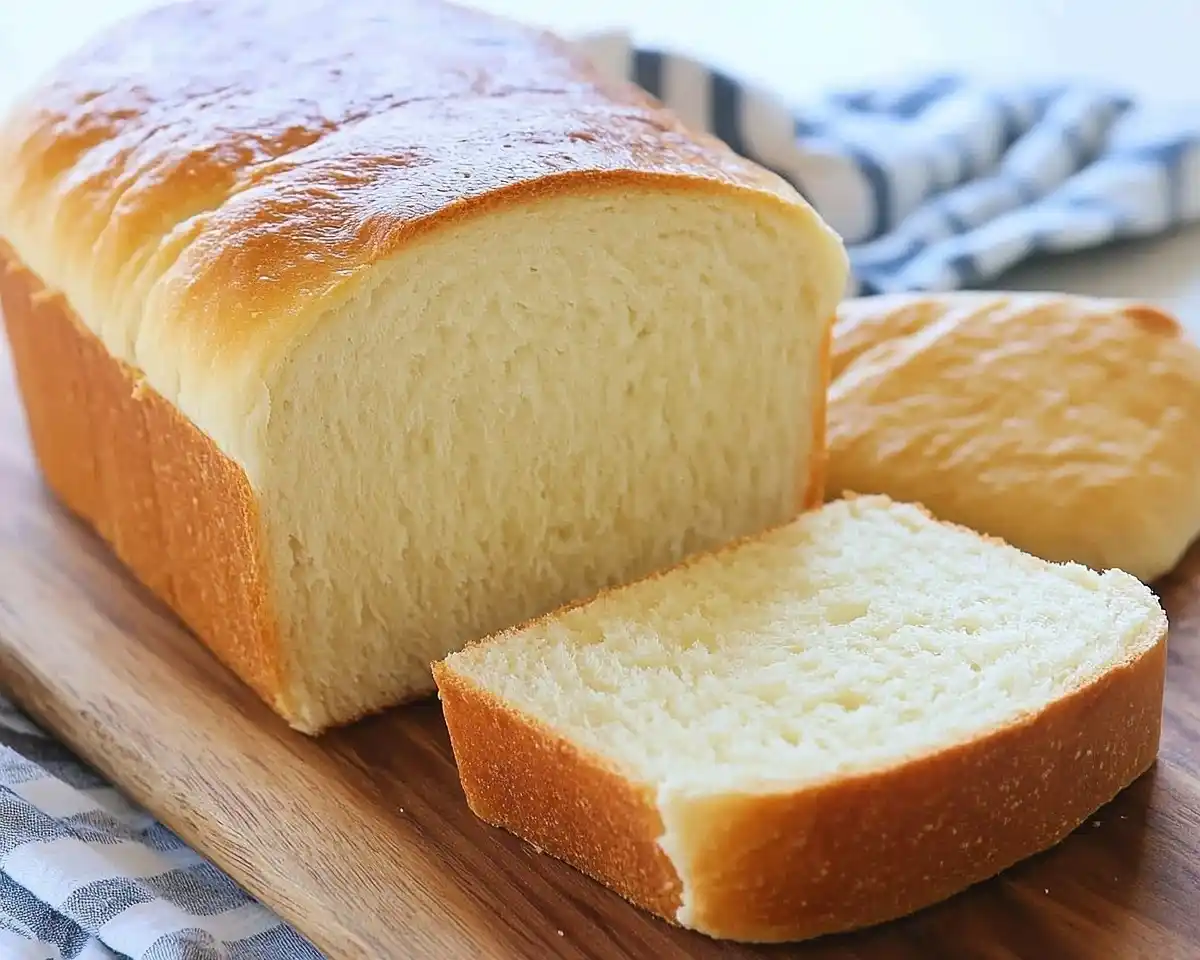
Master this authentic Amish white bread recipe that yields 2 loaves. Simple ingredients, proven techniques, and professional tips for bakery-quality homemade bread.
Well… let me tell you about the Saturday morning that changed my baking life forever. I was visiting Lancaster County, Pennsylvania, and stumbled into a tiny Amish bakery where the smell of fresh-baked bread practically knocked me over. One bite of their pillowy white bread, and I knew I had to crack the code.
That soft, tender crumb with just enough structure to hold jam without falling apart? Pure magic. I spent the next three months testing this homemade Amish white bread recipe until I nailed it—and now I’m sharing every secret with you.
This isn’t your average sandwich bread. The Amish have been perfecting this recipe for generations, and it shows in every golden slice. Bold flavor, foolproof method, and seriously addictive results.
Tasty at Home – Where bold flavors meet everyday kitchens.
Table of Contents
What Makes This Amish Bread Recipe Truly Special
This authentic Amish white bread stands apart from store-bought loaves in three critical ways. First, the sugar and yeast ratio creates an exceptional rise that yields two tall, bakery-style loaves. Second, the addition of vegetable oil keeps the crumb tender for days—no dry, crumbly sandwiches here.
The technique matters just as much as the ingredients. Proper proofing develops flavor complexity you simply can’t rush. I’ve tested this recipe with both bread flour and all-purpose flour, and both work beautifully (though bread flour gives you slightly more structure).
Amish White Bread
Equipment
- Large mixing bowl
- wooden spoon
- 9-inch loaf pans
- Wire cooling rack
- Kitchen thermometer
Ingredients
Main Ingredients
- 2 cups Warm water 110°F, for yeast activation
- ¼ cup Sugar Feeds the yeast
- 4 ½ tsp Active dry yeast Check expiration date
- 1 ½ tsp Salt Enhances flavor
- ¼ cup Vegetable oil Keeps bread tender
- 5 ½ cups Flour Bread or all-purpose, add gradually
- 2 tbsp Butter For brushing finished loaves
Instructions
- Dissolve sugar in warm water, sprinkle yeast on top, stir gently, and wait 5 minutes until foamy.
- Add vegetable oil and salt, then gradually incorporate flour until a soft dough forms.
- Knead dough on floured surface for 8-10 minutes until smooth and elastic.
- Place dough in oiled bowl, cover, and let rise for 1 hour until doubled in size.
- Punch down dough, divide in half, and shape into loaves for the pans.
- Let shaped loaves rise for 30-40 minutes until slightly above pan rim.
- Bake at 350°F for 30 minutes until golden brown and hollow-sounding when tapped.
- Brush hot loaves with melted butter and cool on wire rack for 1 hour before slicing.
Notes
Ingredient Quality Guidelines
For the foundation ingredients, choose high-quality active dry yeast from a trusted brand—old yeast means flat bread. Your flour should be fresh, ideally stored in an airtight container. For the liquid base, use filtered water heated to exactly 110°F for optimal yeast activation.
The vegetable oil adds moisture without heaviness. Select a neutral-flavored oil like canola or sunflower. For finishing touches, use real butter—margarine simply doesn’t deliver that glossy, golden crust.
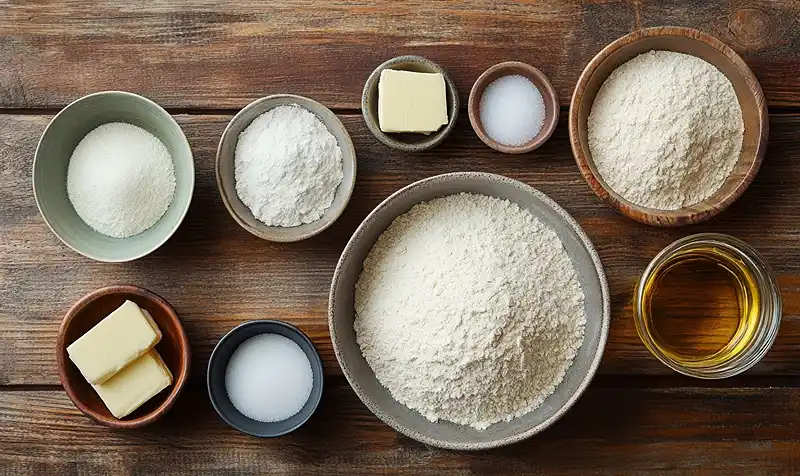
Complete Ingredient Breakdown
| Ingredient | US Measurement | Metric | Notes |
|---|---|---|---|
| Warm water (110°F) | 2 cups | 475ml | Critical for yeast activation |
| Sugar | ¼ cup | 50g | Feeds the yeast |
| Active dry yeast | 4½ teaspoons | 2 packets (14g) | Check expiration date |
| Salt | 1½ teaspoons | 9g | Enhances flavor |
| Vegetable oil | ¼ cup | 60ml | Keeps bread tender |
| Flour (bread or all-purpose) | 5½ cups | 690g | Add gradually |
| Butter | 2 tablespoons | 30g | For brushing finished loaves |
Smart Shopping Tips for US Grocery Stores
You’ll find active dry yeast in the baking aisle near flour at any major supermarket like Kroger, Safeway, or Walmart. Buy packets if you bake occasionally, or grab a jar if you’re making this Amish bread recipe weekly (it’s that good).
Bread flour lives right next to all-purpose flour—look for King Arthur or Gold Medal brands. The oil can be any neutral vegetable oil from the cooking oil section.
Bold Variations & Creative Substitutions
For whole grain enthusiasts: Replace 1 cup of white bread flour with whole wheat flour for added nutrition and a nutty undertone. For dairy-free needs: Brush loaves with olive oil instead of butter—you’ll get a different finish, but it works. For honey lovers: Swap sugar for an equal amount of honey and reduce water by 1 tablespoon.
International bakers can substitute strong white flour for bread flour. Use caster sugar if granulated isn’t available. The recipe adapts beautifully to metric measurements as shown in the table above.
Essential Equipment & Step-by-Step Instructions
You don’t need fancy gadgets for this homemade Amish white bread recipe. A large mixing bowl, wooden spoon, two 9-inch loaf pans, and your hands are the essentials. A kitchen thermometer helps nail that 110°F water temperature, but you can test with your finger—it should feel warm, not hot.
DIY alternatives: No stand mixer? Perfect—this dough comes together beautifully by hand. No thermometer? Heat water until it feels like a comfortable bath. No loaf pans? Shape into round boules and bake on a sheet.
Step 1: Activate Your Yeast Foundation
Dissolve the sugar in warm water inside your large bowl. Sprinkle the yeast on top and give it a gentle stir. Now wait—this is where patience pays off.
After about 5 minutes, you’ll see a creamy foam developing on the surface. This foam tells you the yeast is alive and ready to work its magic. If nothing happens, your water was too hot (killing the yeast) or your yeast was expired.
Man, oh man… I once used water straight from the kettle and murdered my yeast. The dough never rose, and I learned that lesson the hard way. Always test your water temperature before adding yeast.
Step 2: Build Your Dough Base
Pour the vegetable oil into your foamy yeast mixture and stir well. Add the salt and start incorporating flour one cup at a time. This gradual addition prevents lumps and helps you gauge when you’ve added enough.
Stir after each cup until a soft, shaggy dough starts forming. You’ll know you’re ready for kneading when the dough pulls away from the bowl sides. Scrape down any stuck bits with a spatula.
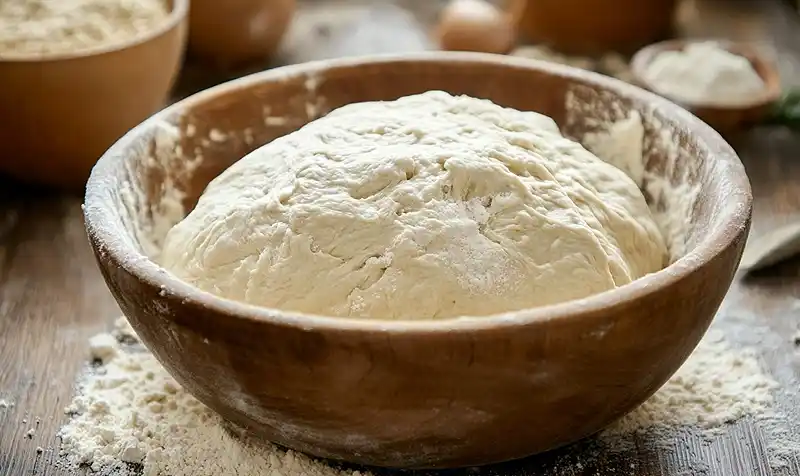
Step 3: Knead Until Smooth and Elastic
Dump your dough onto a lightly floured surface—use just enough flour to prevent sticking. Begin kneading by pushing the dough away with your palms, folding it back, and rotating 90 degrees.
Continue this rhythm for 8-10 minutes until the dough transforms into a smooth, elastic ball. As Julia Child always emphasized, proper kneading develops gluten structure that gives bread its characteristic chew. You’ll feel the texture change under your hands—it becomes supple and springs back when poked.
Step 4: First Rise Period
Coat your mixing bowl with a thin layer of oil (about 1 teaspoon). Place your kneaded dough inside and turn it once to coat all surfaces. This oil prevents a dry skin from forming.
Cover with a damp kitchen towel or plastic wrap. Set the bowl in a warm, draft-free spot—I use my oven with just the light on. Let the dough rise for 1 hour until it doubles in size.
The ideal rising temperature sits between 75-80°F. Too cold and fermentation slows down; too hot and you’ll kill the yeast (remember my earlier mistake).
Step 5: Punch Down and Divide
After an hour, your dough should have puffed up dramatically. Press your fist into the center to deflate it—you’ll hear a satisfying whoosh as gas escapes. This “punching down” redistributes yeast for even texture.
Turn the dough onto your work surface and divide it exactly in half using a bench scraper or knife. Each piece becomes one loaf, so aim for equal portions.
Step 6: Shape Your Loaves
Grease two 9-inch loaf pans with butter or cooking spray. Now you have two shaping options, and both work perfectly.
Method 1 (Quick Pat): Pat each dough portion into a rough rectangle about 9 inches wide. Fold the sides toward the center, then roll tightly from the short end. Pinch seams closed and tuck ends under.
Method 2 (Traditional Roll): Roll each portion into a neat rectangle using a rolling pin. Roll tightly like a jelly roll, pinching seams as you go. This method creates an especially uniform crumb.
Place each shaped loaf seam-side down in your prepared pans. The dough should fill about two-thirds of each pan.
Step 7: Second Rise for Perfect Texture
Cover your loaf pans with that same damp towel. Let them rise in a warm spot for 30-40 minutes. You’re looking for the dough to crown about 1 inch above the pan rim.
This second rise develops the light, fluffy texture that makes Amish white bread legendary. Don’t skip it or rush it—good things take time.
Step 8: Bake to Golden Perfection
Preheat your oven to 350°F while the loaves finish their second rise. Position your oven rack in the center for even heat distribution.
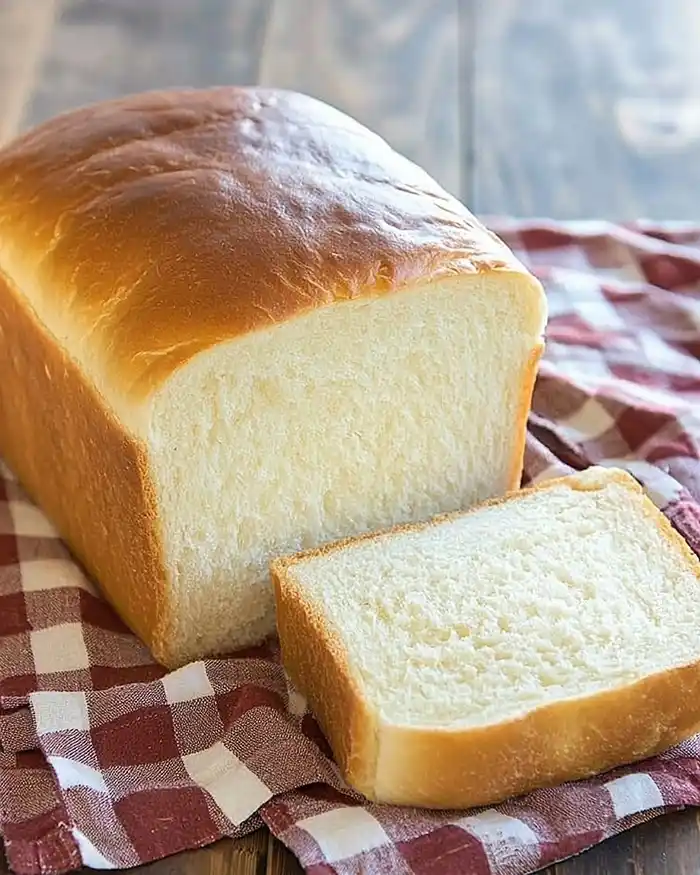
Slide both pans into the preheated oven. Bake for exactly 30 minutes. You’ll know they’re done when the tops turn deep golden brown and sound hollow when tapped. An instant-read thermometer inserted into the center should read 190-200°F.
As Thomas Keller teaches, proper baking temperature creates that perfect balance between crusty exterior and tender interior. Too hot and the outside burns before the inside cooks; too cool and you get pale, gummy bread.
Step 9: Butter Bath and Cooling
The moment your loaves come out of the oven, brush the tops generously with melted butter. Alternatively, run a stick of butter directly across each hot loaf—it melts on contact and soaks into the crust.
This butter creates an irresistible glossy finish and keeps the crust soft. Let the loaves cool in their pans for 5 minutes.
Step 10: Final Cooling and Storage
After 5 minutes, carefully turn each loaf onto a wire cooling rack. Let them cool completely before slicing—I know it’s tempting, but hot bread turns gummy when cut.
Once fully cooled (about 1 hour), wrap each loaf in plastic wrap or store in a plastic bag. This yields 2 loaves of the most tender, flavorful white bread you’ve ever tasted.
Expert Tips for Bakery-Quality Results
Temperature is everything. Invest in a simple kitchen thermometer to nail that 110°F water temperature every time. Too hot kills yeast; too cold slows activation to a crawl.
Don’t rush the rises. Both proofing periods develop flavor and texture. If your kitchen runs cold, heat your oven to 200°F for 2 minutes, turn it off, then use it as a proofing box.
Flour measurement matters. Spoon flour into your measuring cup and level it off—don’t scoop directly from the bag. Scooping packs the flour and can make your dough too stiff.
Listen to your dough. If it feels too sticky after adding all the flour, work in an extra ¼ cup. If it seems dry and won’t come together, add water 1 tablespoon at a time.
Creative Variations to Try
Cinnamon Swirl Amish Bread: Before rolling each loaf, sprinkle the flattened dough with 2 tablespoons cinnamon-sugar. Roll tightly and bake as directed for a breakfast treat that rivals any bakery.
Herb Garden Bread: Knead in 2 tablespoons mixed dried herbs (rosemary, thyme, oregano) after the first rise. Perfect alongside hearty Dominican dishes like La Bandera.
Honey Oat Version: Replace ¼ cup flour with rolled oats and swap sugar for honey. The oats add texture and the honey creates a subtle sweetness that pairs beautifully with chocolate chip oatmeal bars.
Holiday Cranberry Bread: Fold 1 cup dried cranberries into the dough before shaping. Oops! I tried this at Thanksgiving and the tart berries transformed basic white bread into something special.
Garlic Butter Loaves: Mix 3 minced garlic cloves into your melted butter before brushing. This creates an incredible aroma that fills your kitchen and adds savory depth.
Storage and Make-Ahead Strategies
Store your Amish white bread at room temperature in a plastic bag for up to 5 days. Never refrigerate—cold temperatures make bread go stale faster through a process called retrogradation.
For longer storage, slice the cooled loaves and freeze in freezer bags for up to 3 months. Pull out individual slices and toast them straight from frozen—they taste freshly baked.
| Storage Method | Duration | Best Use |
|---|---|---|
| Room temperature (plastic bag) | 5 days | Daily sandwiches |
| Refrigerator (not recommended) | 3-4 days | Degrades texture |
| Freezer (sliced, wrapped) | 3 months | Long-term storage |
| Freezer (whole loaf) | 3 months | Special occasions |
Make-ahead tip: Prepare the dough through the first rise, then refrigerate overnight in an oiled bowl covered tightly. The next morning, bring to room temperature (about 1 hour), shape, and proceed with the second rise.
Perfect Pairings and Serving Ideas
This homemade Amish white bread shines in countless ways. Toast thick slices and slather with butter and jam for breakfast. Use for elevated grilled cheese with sharp cheddar and tomato.
Try it alongside braised mock chuck to soak up rich cooking juices. The neutral flavor profile complements everything from simple butter to complex spreads.
For dessert applications, transform day-old slices into luxurious French toast. The dense crumb soaks up egg mixture without falling apart. Serve with Greek yogurt chocolate mousse for a decadent brunch.
Amish White Bread FAQs
Can I use instant yeast instead of active dry yeast for this Amish bread recipe?
Yes, you can use instant yeast instead of active dry yeast in this homemade Amish white bread recipe. Use the same amount (4½ teaspoons or 2 packets) but skip the proofing step—mix it directly with your dry ingredients. The bread will rise slightly faster, so watch your dough during both rising periods.
What’s the best way to tell when my Amish white bread is fully baked?
Your Amish white bread is fully baked when it reaches an internal temperature of 190-200°F and sounds hollow when tapped on top. The crust should be deep golden brown, not pale. If you don’t have a thermometer, tap the bottom of the loaf—a hollow sound means it’s done perfectly.
How do I prevent my bread from turning out too dense?
Dense Amish bread usually results from adding too much flour or not kneading enough. Add flour gradually and stop when the dough is soft but not sticky—it should be slightly tacky to touch. Knead for the full 8-10 minutes to develop gluten properly, and ensure both rises happen in a warm environment.
Why didn’t my yeast foam during the proofing step?
Your yeast didn’t foam because either the water was too hot (over 120°F kills yeast), too cold (under 100°F slows activation), or your yeast was expired. Always check the expiration date and test water temperature before adding yeast. If it doesn’t foam after 10 minutes, start over with fresh yeast and properly tempered water.
Conclusion: Your New Go-To Bread Recipe
You know what? This Amish white bread recipe has become my kitchen staple for good reason. Those two perfect loaves fill your home with an aroma that no candle can match, and the taste? Far superior to anything you’ll find in the bread aisle.
The beauty lies in its simplicity—basic pantry ingredients transform into something genuinely special. Whether you’re making sandwiches for the week or impressing guests at dinner, this bread delivers every single time.
Ready to bake your best bread yet? Grab those ingredients and start mixing. Your kitchen is about to smell absolutely amazing, and trust me, once you taste that first warm slice with melted butter, you’ll never look at store-bought bread the same way again.
Pair your fresh-baked loaves with heart-shaped chocolate chip cookies for a thoughtful gift basket, or serve alongside healthy pumpkin truffles for a fall gathering. The possibilities are endless.
What’s your favorite way to enjoy fresh bread? Share your baking wins (or hilarious fails) in the comments below—I read every single one and love hearing from fellow bread enthusiasts.