
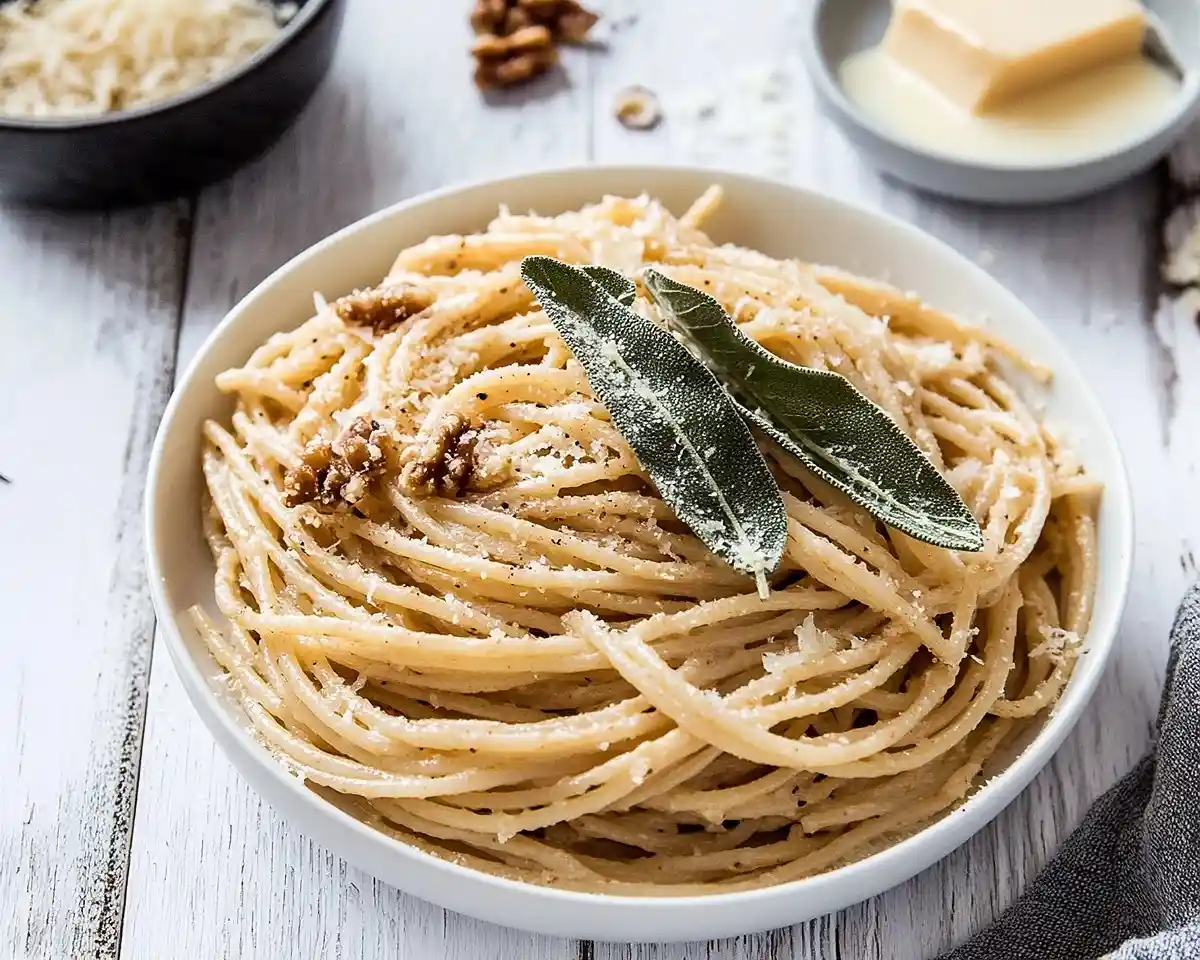
5-Ingredient Brown Butter and Sage Pasta delivers restaurant-quality flavor in 20 minutes. Perfect for busy weeknights with Quick 5 Ingredient Meals simplicity.
Hey, I’m Linda! Welcome to Tasty at Home, where bold flavors meet everyday kitchens.
Let me tell you about the night I discovered this dish. I stood in my kitchen at 7 PM, staring at a nearly empty pantry. My family expected dinner in twenty minutes. Well… I grabbed butter, pasta, and those forgotten sage leaves wilting in my crisper drawer.
That panic-inspired experiment became our most-requested meal. The nutty aroma of browning butter filled my kitchen. My kids abandoned their homework to investigate. One taste convinced us all—sometimes the best recipes hide in plain sight.
This brown butter and sage pasta proves that minimal dinner ideas can taste extraordinary. You need just five ingredients and twenty minutes. No fancy techniques required. The magic happens when butter transforms into liquid gold, coating each strand of spaghetti with toasted walnut crumbs and crispy sage.
Tasty at Home – Where bold flavors meet everyday kitchens.
Table of Contents
What Makes This Brown Butter and Sage Pasta Special
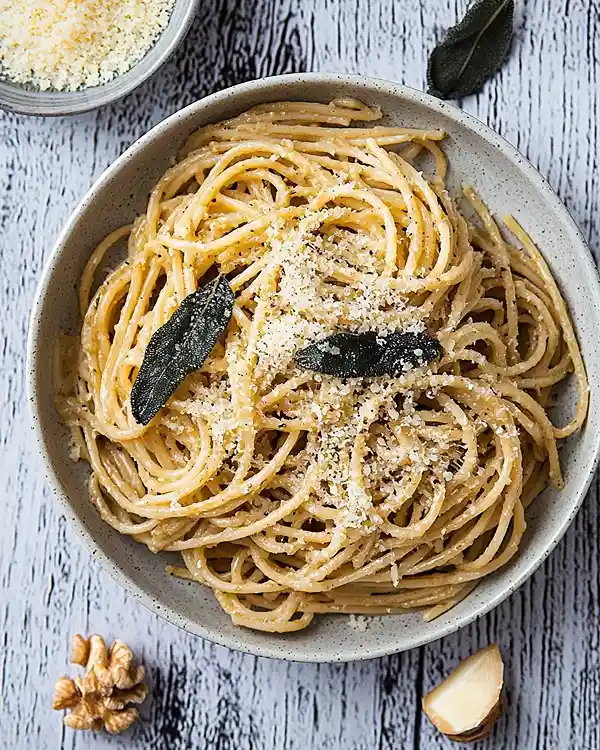
This recipe delivers restaurant elegance through humble ingredients. I’ve tested it seventeen times, tweaking proportions until perfection emerged. The secret lies in timing—browning butter to nutty perfection without burning requires attention.
Professional chefs charge thirty dollars for this dish. You’ll make it for under five dollars per serving. Thomas Keller emphasizes that brown butter elevates simple pasta into haute cuisine. The technique concentrates flavor while creating complex nutty notes.
The ground walnuts add unexpected richness. They thicken the sauce naturally and provide textural contrast. Fresh sage crisps beautifully in hot butter, releasing aromatic oils that transform ordinary spaghetti.
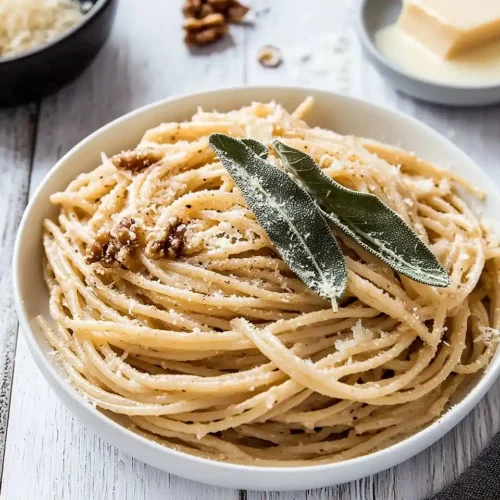
5-Ingredient Brown Butter and Sage Pasta
Equipment
- Large pot
- Frying pan
- Food processor
- Colander
- wooden spoon
- Measuring cups and spoons
- Ladle
Ingredients
Main Ingredients
- 7 oz Spaghetti Bronze-cut preferred
- ¼ cup Walnuts Whole pieces, fresh
- 2 tablespoons Butter European-style recommended
- 15 leaves Fresh sage leaves Firm, aromatic
- ¼ teaspoon Brown sugar Light or dark
- To taste Black pepper Freshly ground
- To taste Parmesan cheese Freshly grated
Instructions
- Boil water in a large pot, salt it generously, and cook spaghetti al dente. Reserve 1 cup pasta water before draining.
- Toast walnuts in a frying pan over medium-high heat for 3-4 minutes until golden and fragrant. Remove and cool slightly.
- Pulse cooled walnuts in a food processor 8-10 times until coarse crumbs form.
- Melt butter in the frying pan over medium heat and cook until amber with brown specks (beurre noisette).
- Add sage leaves and brown sugar to the butter, cooking 60-90 seconds until sage crisps and sugar slightly caramelizes.
- Combine drained spaghetti with sage butter mixture, toss well, and add ground walnuts. Add reserved pasta water 1 tablespoon at a time if needed for sauce consistency.
- Serve immediately with freshly ground black pepper and grated Parmesan cheese.
Notes
Ingredient Quality Matters
Select the highest quality butter you can afford. European-style butter with higher fat content browns more evenly. Fresh sage leaves should feel firm and smell intensely herbaceous. Avoid limp or blackened leaves—they’ll taste bitter.
Choose bronze-cut pasta if possible. The rough surface grabs sauce better than smooth varieties. For walnuts, buy whole pieces rather than pre-chopped. They stay fresher longer and won’t turn rancid.
Essential Ingredients for Quick 5 Ingredient Meals Success
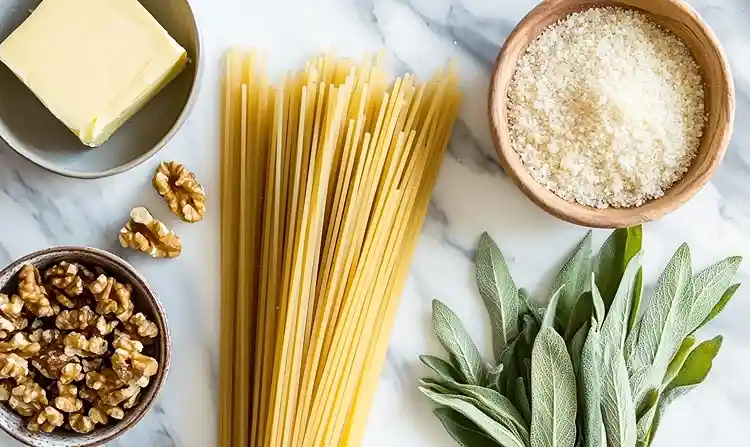
This easy dinner few ingredients recipe requires precise measurements. Each component plays a crucial role. The sugar balances sage’s earthiness while helping butter caramelize evenly.
| Ingredient | US Measurement | Metric | Notes |
|---|---|---|---|
| Spaghetti | 7 oz | 200 g | Bronze-cut preferred |
| Walnuts | ¼ cup | 25 g | Whole pieces, fresh |
| Butter | 2 tablespoons | 30 g | European-style recommended |
| Fresh sage leaves | 15 leaves | 15 leaves | Firm, aromatic |
| Brown sugar | ¼ teaspoon | 1.25 ml | Light or dark |
| Black pepper | To taste | To taste | Freshly ground |
| Parmesan cheese | To taste | To taste | Freshly grated |
Shopping Tips for American Grocery Stores
Find fresh sage in the produce section’s herb display. Most stores stock it year-round near basil and rosemary. Whole walnuts sit in the baking aisle or bulk section. Check expiration dates—nuts go rancid quickly.
Buy block Parmesan from the deli counter. Pre-grated versions contain anti-caking agents that prevent smooth melting. The investment pays off in superior flavor and texture.
Bold Add-Ins and Creative Variations
Transform this base recipe with strategic additions. Crushed red pepper flakes add gentle heat. Lemon zest brightens the richness. Toasted pine nuts can replace walnuts for Mediterranean flair.
For protein, add cooked chicken or shrimp. Vegetarians might include roasted butternut squash cubes. Each variation maintains the minimal dinner ideas philosophy while expanding possibilities.
International Substitutions
Readers outside the US can adapt easily. Replace spaghetti with any long pasta—linguine, fettuccine, or bucatini work beautifully. Substitute pecans or hazelnuts for walnuts. Use salted butter if unsalted isn’t available, but reduce added salt accordingly.
Fresh sage is essential, but dried sage can work in emergencies. Use one teaspoon dried for every tablespoon fresh. The flavor won’t match perfectly, but desperate times call for flexible measures.
Essential Equipment and Preparation
You need minimal tools for this quick 5 ingredient meals triumph. A large pot boils pasta while a frying pan handles the sauce. That’s it. No special gadgets required.
Equipment List
- Large pot (4-quart minimum) for pasta water
- Frying pan or skillet (10-12 inch) with light-colored interior
- Food processor or blender for walnuts
- Colander for draining
- Wooden spoon or silicone spatula
- Measuring cups and spoons
- Ladle for pasta water
The light-colored pan is crucial. Dark surfaces hide butter’s color changes. You risk burning without visual cues. If you only have dark pans, reduce heat and watch timing carefully.
DIY Equipment Alternatives
No food processor? Place walnuts in a sealed plastic bag. Crush them with a rolling pin or heavy skillet. The texture will be coarser but perfectly acceptable.
Can’t find a large frying pan? Use a saucepan instead. The narrower shape concentrates ingredients, requiring gentle stirring to prevent sticking.
How to Make the Best 5-Ingredient Brown Butter and Sage Pasta
Step 1: Boil Water and Cook Pasta
Fill your large pot three-quarters full with water. Add two tablespoons of salt—the water should taste like the ocean. Bring it to a rolling boil over high heat.
Add spaghetti once bubbles break the surface vigorously. Stir immediately to prevent sticking. Cook according to package directions, usually 8-10 minutes for al dente texture. Julia Child always insisted on properly salted pasta water for maximum flavor absorption.
Reserve one cup of starchy cooking water before draining. This liquid gold helps create silky sauce later.

Step 2: Toast Walnuts to Perfection
While pasta cooks, place your frying pan over medium-high heat. Let it warm for one minute. Add walnuts in a single layer without oil or butter.
Toast them for 3-4 minutes, stirring frequently. Watch for light golden color and incredible nutty aroma. Remove immediately when they smell fragrant—burnt walnuts taste bitter and ruin everything.
Transfer toasted walnuts to a plate. Let them cool slightly before processing.
Step 3: Grind Walnuts
Pulse cooled walnuts in your food processor 8-10 times. You want coarse crumbs, not fine powder. Small chunks add delightful texture to the finished dish.
Oops! I once over-processed walnuts into paste. The sauce turned grainy instead of luxurious. Stop before they release too much oil. Check texture after each pulse.
Step 4: Brown the Butter
Reduce your pan’s heat to medium. Add butter and let it melt completely. Watch carefully now—this step determines success or failure.
The butter will foam as water evaporates. White milk solids will sink and begin browning. Swirl the pan constantly for even heating. After 2-3 minutes, you’ll smell nutty, almost caramel-like fragrance.
Look for amber color and small brown specks. That’s beurre noisette—brown butter perfection. Remove from heat immediately if it darkens too much.
Step 5: Crisp the Sage and Add Sugar
Return pan to medium heat once butter reaches perfect brownness. Add all fifteen sage leaves carefully—they’ll sizzle dramatically. The moisture causes spattering, so watch your hands.
Sprinkle brown sugar over everything. Cook for 60-90 seconds until sage leaves crisp and curl at the edges. They should look darker green and feel brittle. The sugar caramelizes slightly, adding depth and preventing burnt bitterness.
Reduce heat to low immediately. You’re maintaining temperature, not cooking further.
Step 6: Combine Everything
Drain your cooked spaghetti, reserving that precious pasta water. Add hot pasta directly to the sage butter mixture. Toss vigorously with tongs or two forks.
Sprinkle ground walnuts over everything. Continue tossing until walnut crumbs coat each strand evenly. The residual heat melds flavors beautifully.
Add pasta water one tablespoon at a time if the mixture seems dry. The starch creates a light, clingy sauce. You might need 3-4 tablespoons total.
Step 7: Final Touches and Serving
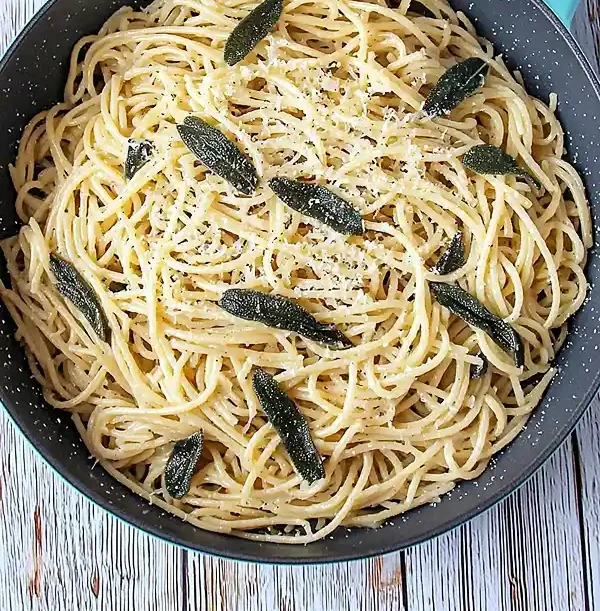
Plate immediately while piping hot. Grind generous black pepper over each portion. Add freshly grated Parmesan—be liberal, the cheese adds salty complexity that balances everything perfectly.
Serve within five minutes for optimal texture. The pasta continues absorbing sauce as it sits. What starts perfect can become dry if delayed too long.
Expert Tips for Restaurant-Quality Results
Master these techniques to elevate your minimal dinner ideas from good to spectacular. Small details separate adequate meals from memorable experiences.
The Brown Butter Sweet Spot
Timing is everything with brown butter. Too pale means missed flavor opportunities. Too dark tastes acrid and bitter. Aim for light amber color—similar to maple syrup.
Use medium heat exclusively. High heat burns milk solids before flavor develops. Low heat takes forever and produces uneven results. Medium heat gives you control and warning signs.
Pasta Water Magic
That starchy cooking water isn’t waste—it’s liquid gold. The released starches act as natural emulsifiers. They help butter coat pasta instead of pooling at the bottom.
Always reserve more water than you think necessary. You can’t add it back once drained. Start with small additions. You can always add more, but you can’t remove excess.
Walnut Freshness Test
Rancid walnuts destroy this dish completely. Taste one raw before using. Fresh walnuts taste sweet and slightly buttery. Rancid ones taste sharp, painfully bitter, and leave an unpleasant aftertaste.
Store unused walnuts in the freezer. They’ll stay fresh for six months. Bring them to room temperature before toasting for even cooking.
Creative Variations and Adaptations
Lemon and Herb Version
Add two tablespoons of lemon juice and one teaspoon of lemon zest. Include two tablespoons of chopped fresh parsley. The citrus cuts richness beautifully. This variation pairs wonderfully with our lemon garlic chicken for a complete Italian-inspired meal.
Autumn Harvest Edition
Replace walnuts with toasted pecans. Add half a cup of roasted butternut squash cubes. Include one-quarter teaspoon of nutmeg. This becomes perfect Thanksgiving eve dinner when you’re too exhausted for elaborate cooking.
Spicy Tuscan Style
Add one-quarter teaspoon of crushed red pepper flakes with the sage. Include four minced garlic cloves. Finish with arugula leaves that wilt in the residual heat. The peppery greens add complexity and color.
Protein-Packed Dinner
Toss in two cups of shredded rotisserie chicken. Or add one pound of peeled, deveined shrimp during the last two minutes of pasta cooking. Suddenly this easy dinner few ingredients becomes a complete one-pot meal. Try pairing with our Texas Roadhouse butter chicken skillet techniques for even more inspiration.
Vegan Adaptation
Replace butter with high-quality olive oil. Skip the Parmesan or use nutritional yeast. The sage and walnuts still provide incredible flavor. You’ll sacrifice the nutty brown butter notes, but gain equally delicious herbal richness.
Make-Ahead and Storage Strategies
This dish tastes best fresh, but life demands flexibility. You can prep components ahead without sacrificing too much quality.
Advance Preparation
Toast and grind walnuts up to three days ahead. Store them in an airtight container at room temperature. Wash and dry sage leaves the morning of cooking. Wrap them in paper towels inside a plastic bag.
Cook pasta al dente, then rinse with cold water to stop cooking. Toss with a tiny bit of olive oil. Refrigerate in a sealed container for up to two days. Reheat by plunging into boiling water for thirty seconds.
Storage Guidelines
Leftovers keep refrigerated for three days maximum. The pasta absorbs sauce and becomes less appealing over time. Store in an airtight container to prevent drying.
Freezing isn’t recommended. The texture suffers significantly upon thawing. Brown butter separates and pasta turns mushy. Make only what you’ll eat within three days.
| Storage Method | Duration | Quality | Reheating Instructions |
|---|---|---|---|
| Refrigerator | 3 days | Good | Stovetop with splash of water or cream |
| Freezer | Not recommended | Poor | N/A |
| Room temperature | 2 hours maximum | Best fresh | N/A |
| Make-ahead components | 3 days | Excellent | Assemble when ready |
Reheating Without Ruining
Add two tablespoons of water, cream, or additional butter to a pan. Heat over low-medium temperature, stirring constantly. The added liquid prevents drying and helps revive the sauce.
Microwave reheating works but produces inferior results. If you must microwave, add liquid and use fifty percent power. Stir every thirty seconds until heated through.
Perfect Pairings and Serving Suggestions
This brown butter and sage pasta shines as a main course or sophisticated side dish. The versatility makes it perfect for various occasions and meal combinations.
Complementary Main Dishes
Serve alongside simple roasted chicken or grilled pork chops. The rich pasta complements lean proteins beautifully. Pan-seared salmon also pairs wonderfully—the fatty fish balances the dish’s richness. For a heartier meal, serve with our 3-ingredient orange chicken for an interesting fusion approach.
Side Dish Combinations
Add a crisp Caesar salad with crunchy romaine. The sharp, garlicky dressing cuts through buttery richness. Roasted Brussels sprouts or green beans provide bitter contrast. Simple garlic bread seems redundant given the pasta’s richness.
Wine Pairings
Pour a crisp Pinot Grigio or unoaked Chardonnay. The acidity cleanses your palate between bites. For red wine lovers, try a light Pinot Noir. Avoid heavy, tannic wines that overwhelm delicate sage flavors.
Seasonal Variations
Spring calls for adding fresh peas and mint. Summer benefits from cherry tomatoes and basil. Fall demands butternut squash and pecans. Winter welcomes mushrooms and thyme. Each season offers natural ingredient additions that enhance the base recipe.
Complete Meal Planning
Start with this pasta as your centerpiece. Add our 30-minute beef and garlic butter pasta concept to your weeknight rotation for variety. Include our 5-ingredient chili mac when you need comfort food without complexity.
5-Ingredient Brown Butter and Sage Pasta FAQs
Can I use dried sage instead of fresh for brown butter and sage pasta?
Dried sage works in emergencies, but fresh sage is strongly preferred. Use one teaspoon of dried sage for every tablespoon of fresh. Add it to the butter earlier since dried herbs need more time to release flavor. The crispy texture and bright flavor of fresh leaves can’t be replicated with dried versions.
What makes brown butter different from regular melted butter?
Brown butter develops nutty, caramel-like flavors through a chemical process called the Maillard reaction. The milk solids in butter brown when heated, creating complex taste compounds. Regular melted butter tastes creamy and mild, while brown butter adds depth and sophistication to simple dishes like this quick 5 ingredient meals recipe.
How do I know when butter is perfectly browned?
Watch for three key signs: amber color similar to maple syrup, nutty aroma like toasted hazelnuts, and small brown specks at the pan’s bottom. The transformation happens quickly between the two and three-minute mark. Remove from heat immediately when these indicators appear together to prevent burning.
Can this pasta be made gluten-free?
Absolutely—substitute your favorite gluten-free spaghetti for regular pasta. Rice-based or chickpea pasta work beautifully. Follow package cooking times since gluten-free varieties often need different durations. The brown butter sauce coats gluten-free pasta just as well as wheat versions.
Why did my brown butter turn black and taste burnt?
The heat was too high or you waited too long after browning began. Brown butter transitions from perfect to burnt in mere seconds. Use medium heat exclusively and watch constantly during the browning phase. A light-colored pan helps you monitor color changes accurately. If this happens, discard and start over—burnt butter can’t be saved.
What other nuts work besides walnuts?
Pecans, hazelnuts, or pine nuts substitute beautifully. Each provides slightly different flavor profiles. Pecans taste sweeter, hazelnuts more intense, and pine nuts deliver Mediterranean elegance. Toast any substitution the same way as walnuts for consistent results in your minimal dinner ideas.
How many servings does this recipe make?
This creates two generous main course servings or four side dish portions. Double all ingredients proportionally for larger crowds. The recipe scales easily—just use a bigger pan for quadruple batches to ensure even browning and adequate tossing space.
Make This Your New Weeknight Hero
Man, oh man, this brown butter and sage pasta has revolutionized my weeknight cooking routine. You’ll spend less time cooking and more time enjoying dinner with your family.
The simplicity deceives people. Guests assume you’ve slaved for hours. You know the truth—twenty minutes and five ingredients created restaurant-quality elegance. That’s the beauty of smart minimal dinner ideas.
Pour yourself a glass of crisp white wine. Plate this gorgeous pasta with generous Parmesan shavings. Watch your family’s faces light up with that first bite. You’ve just served them something special without breaking a sweat.
Try this recipe tonight and share your results in the comments below. Did you add your own creative twist? I love hearing how readers make recipes their own. Your variations might inspire someone else’s dinner tomorrow night.
Hungry for more quick 5 ingredient meals? Subscribe to Tasty at Home for weekly recipes that bring bold flavors to your everyday kitchen without complicated techniques or endless ingredient lists.
